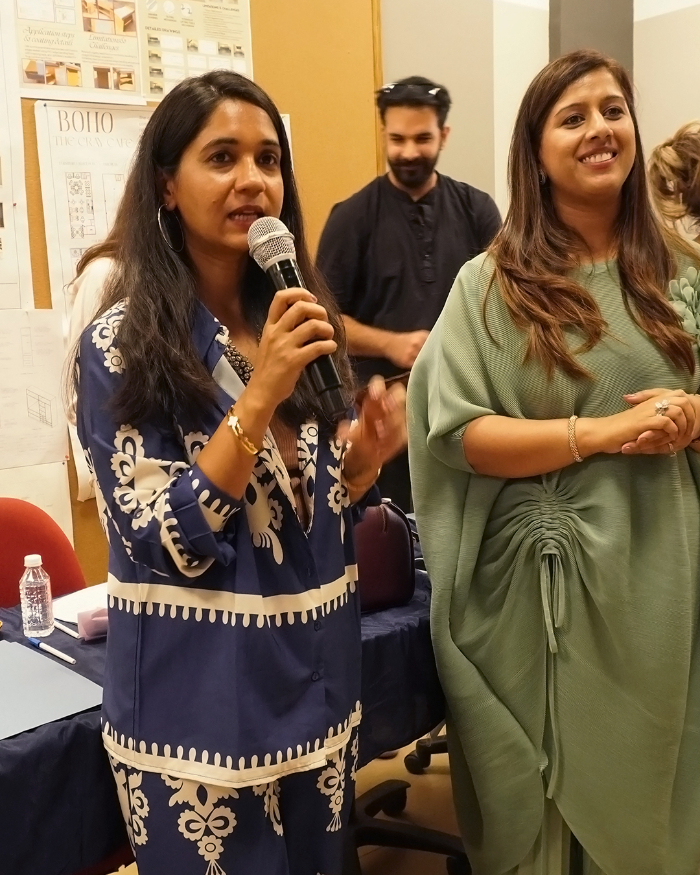
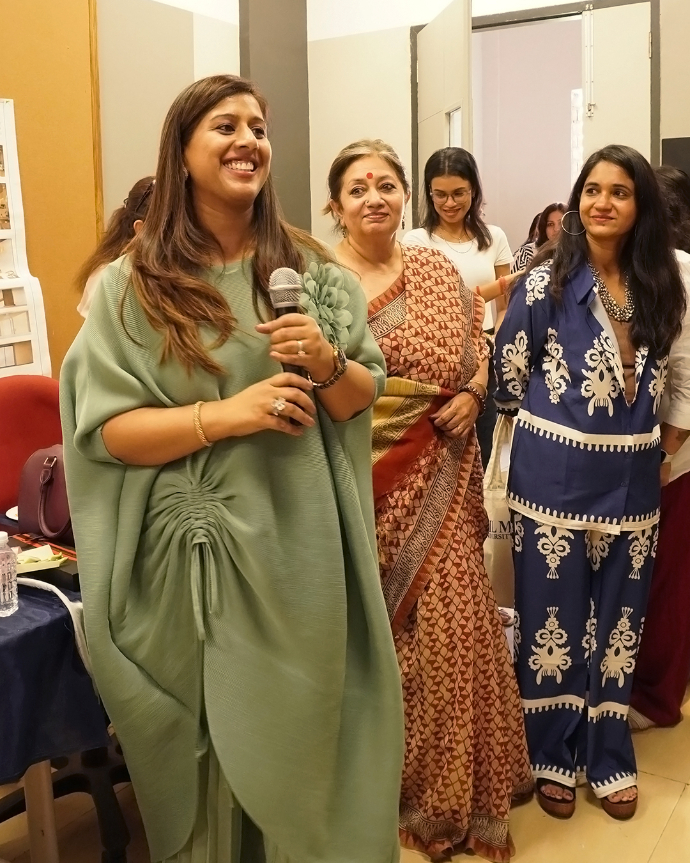
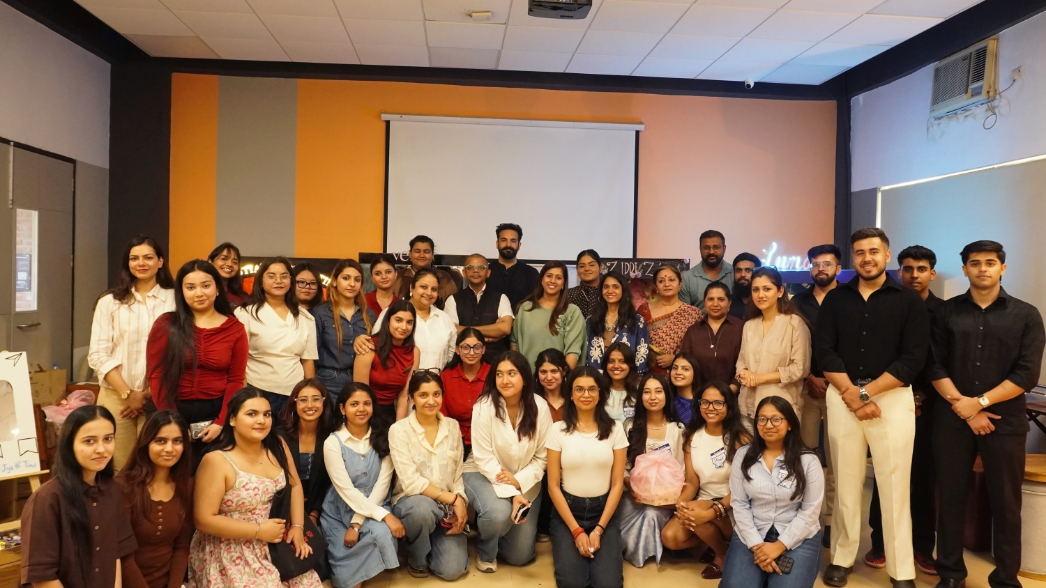
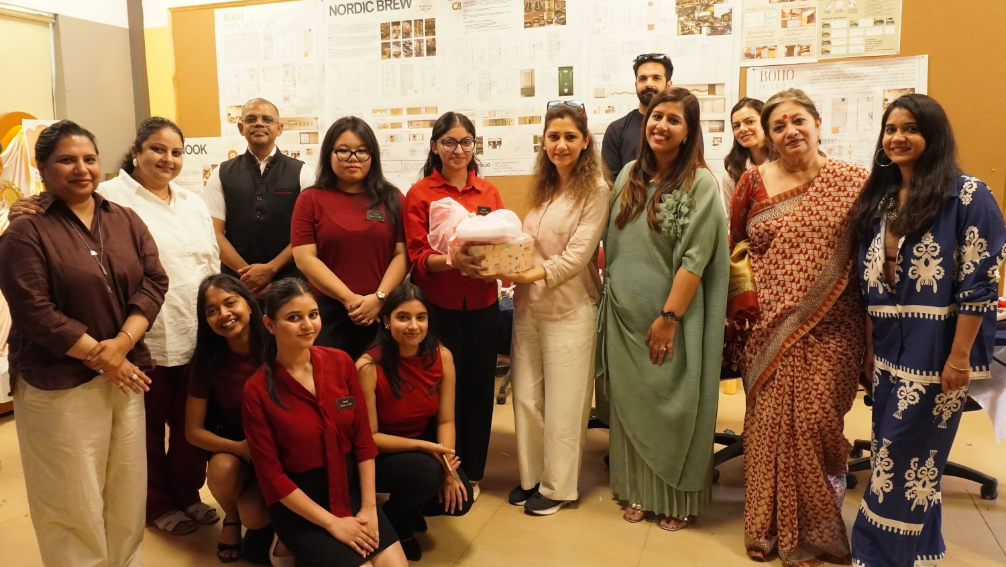
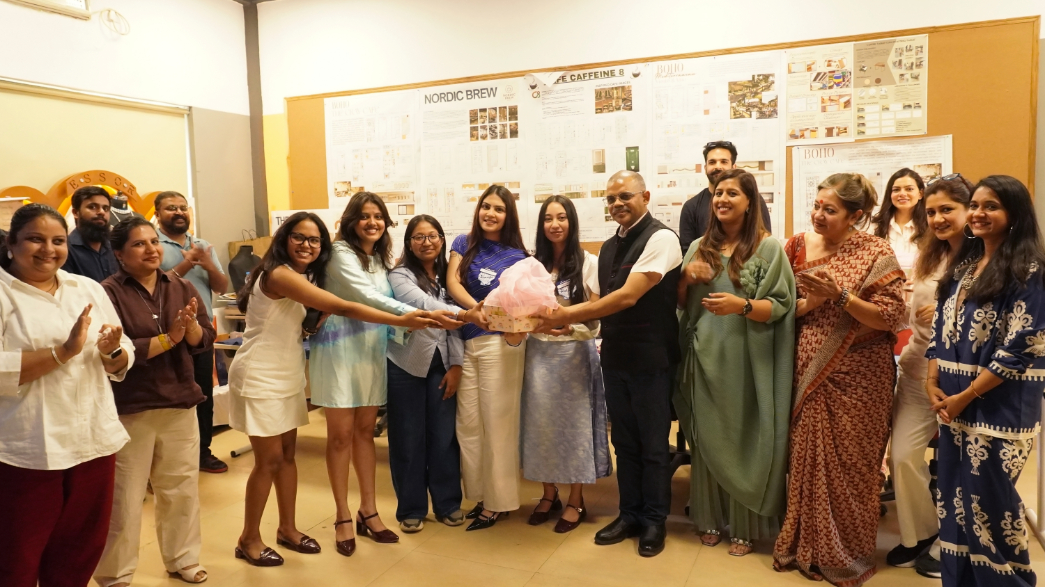
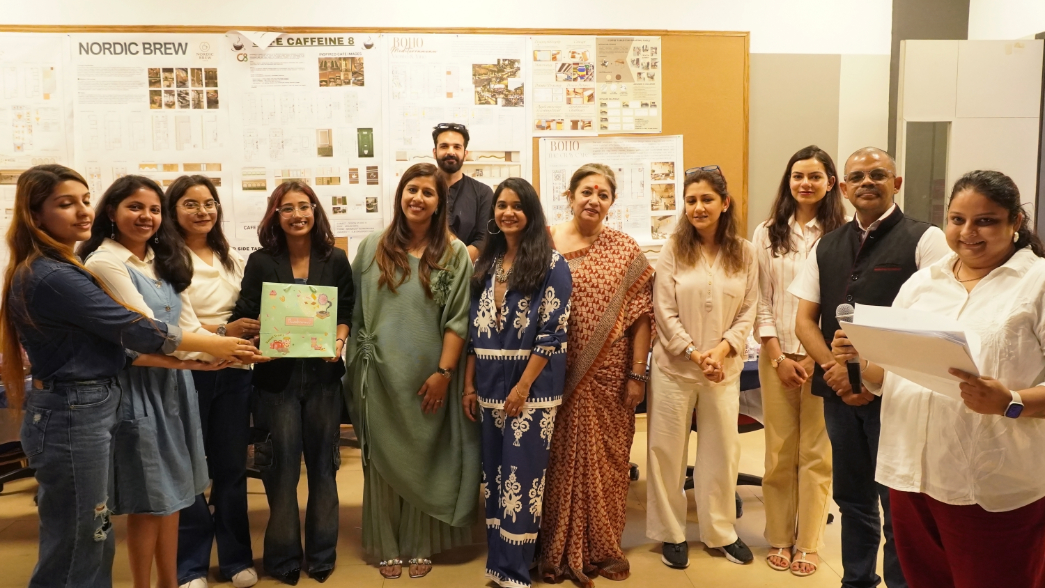
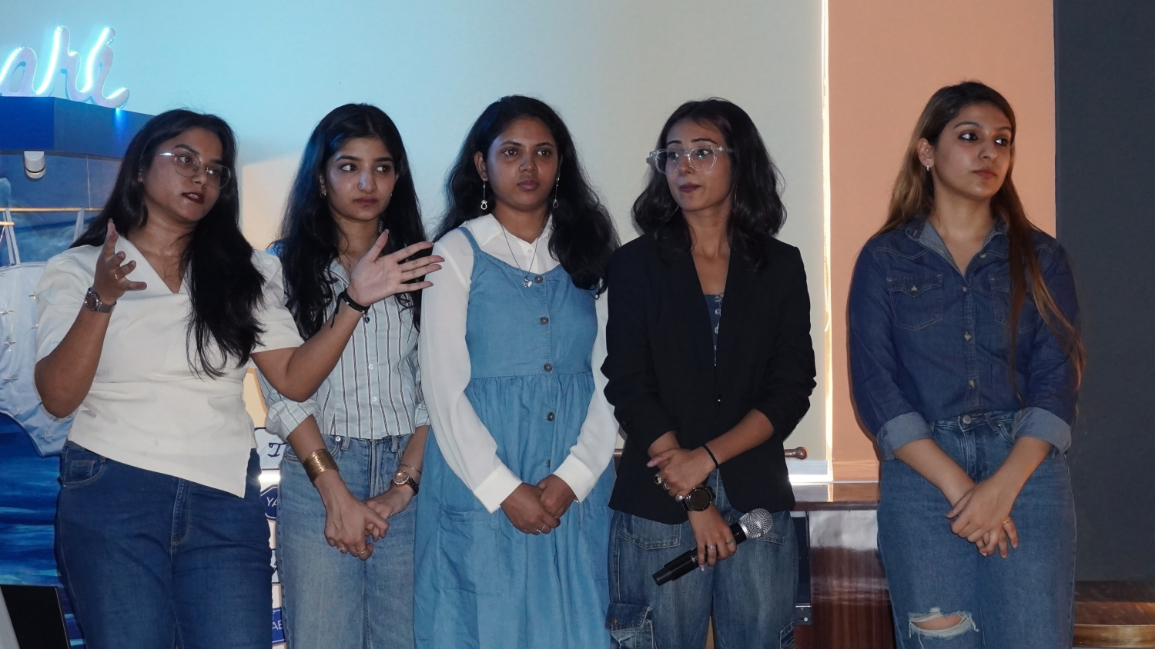
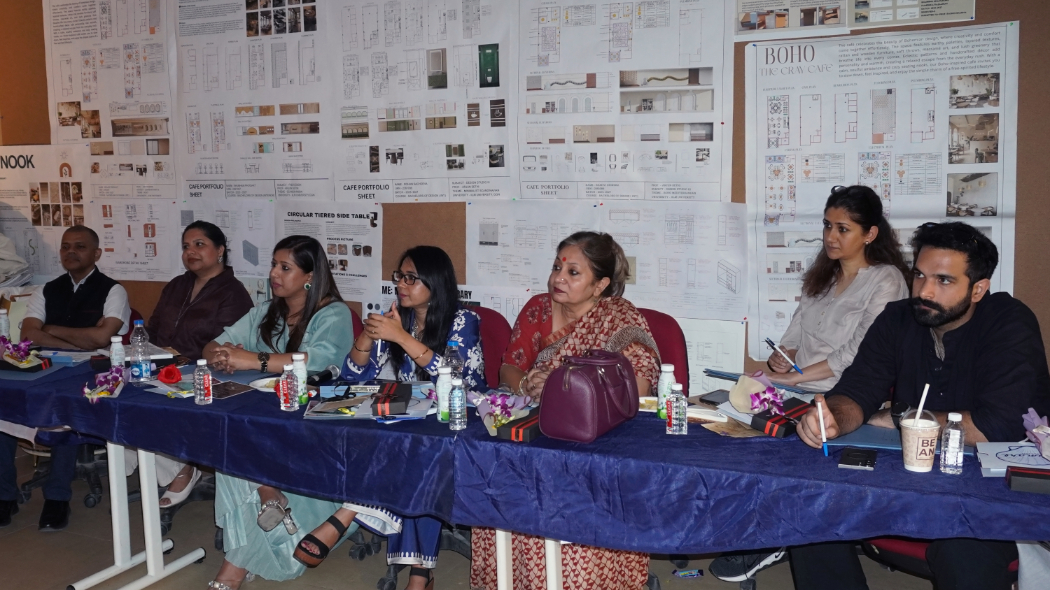
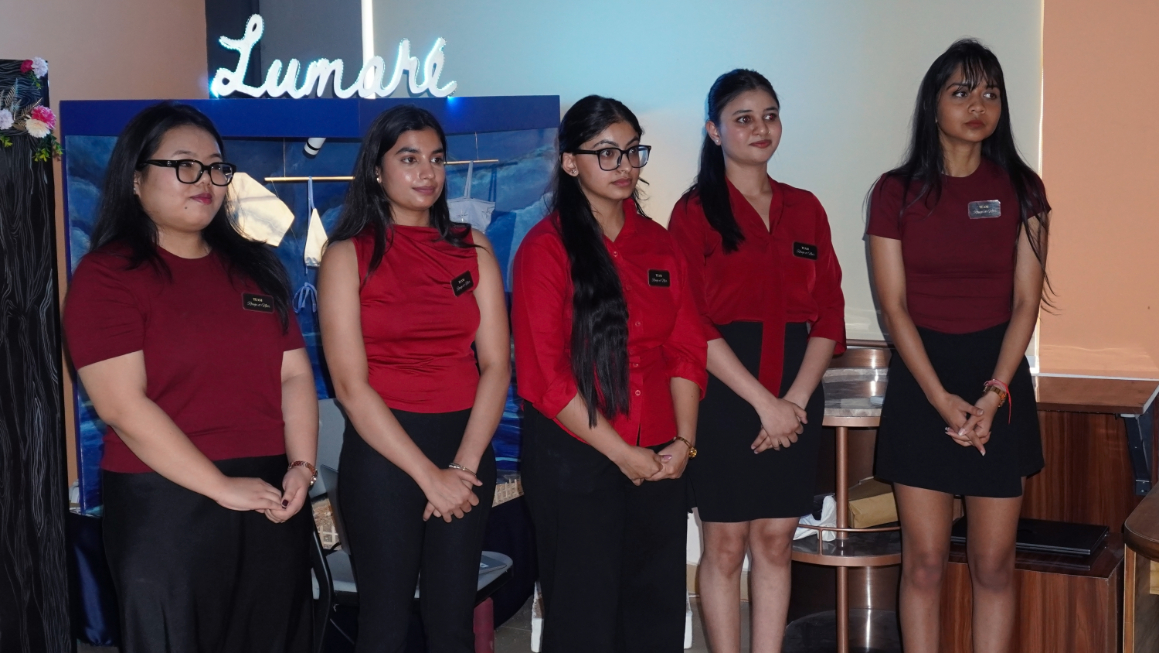
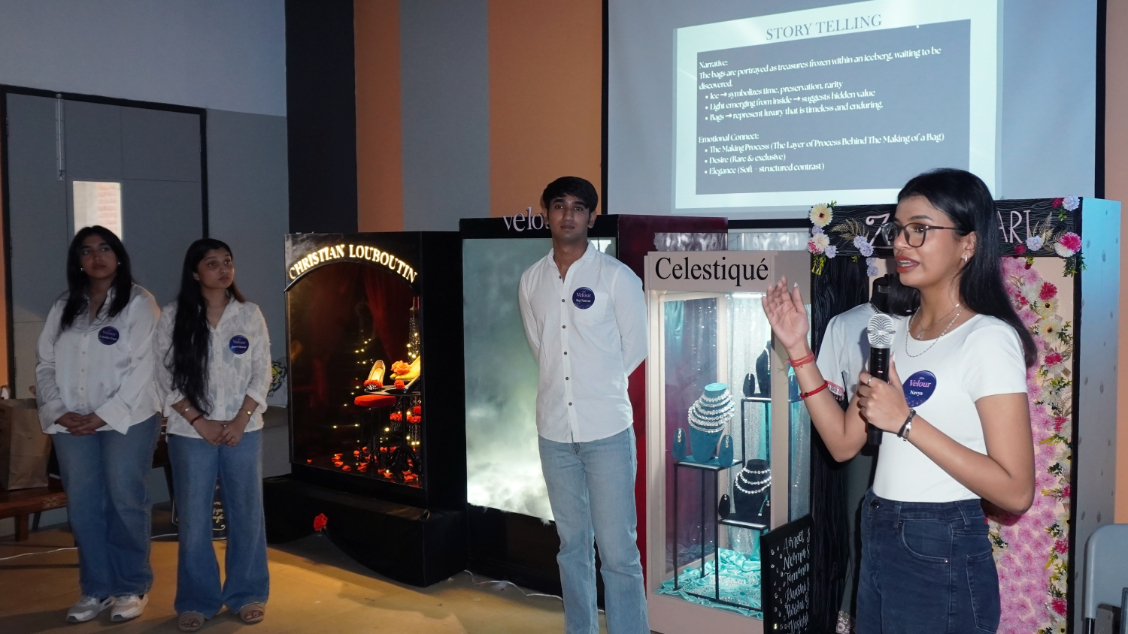
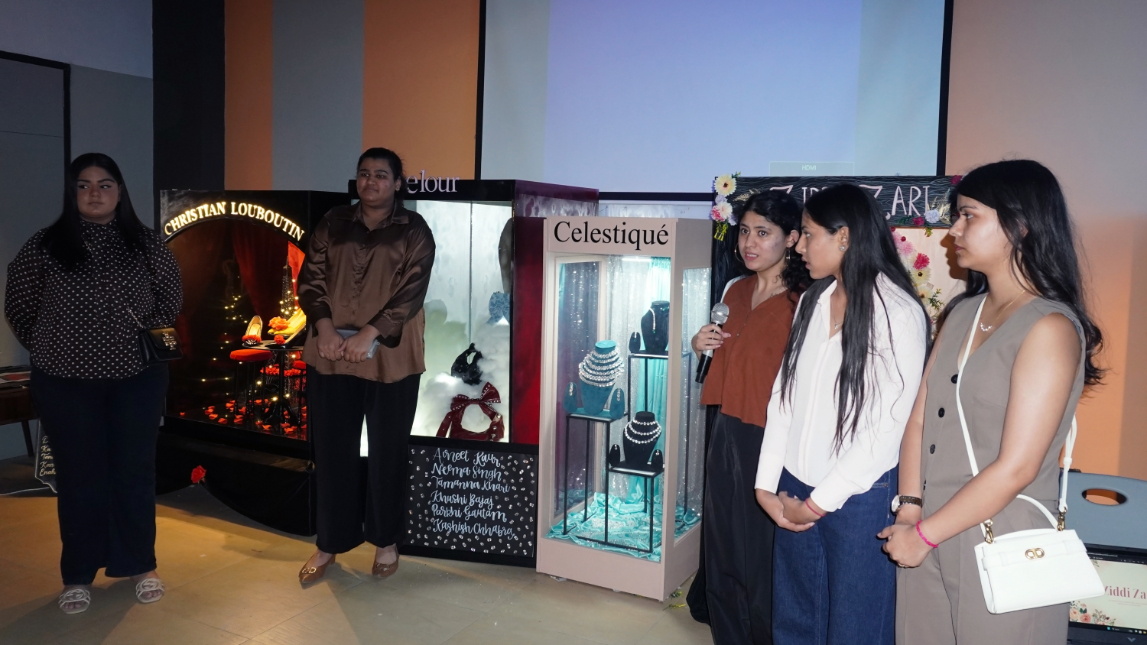
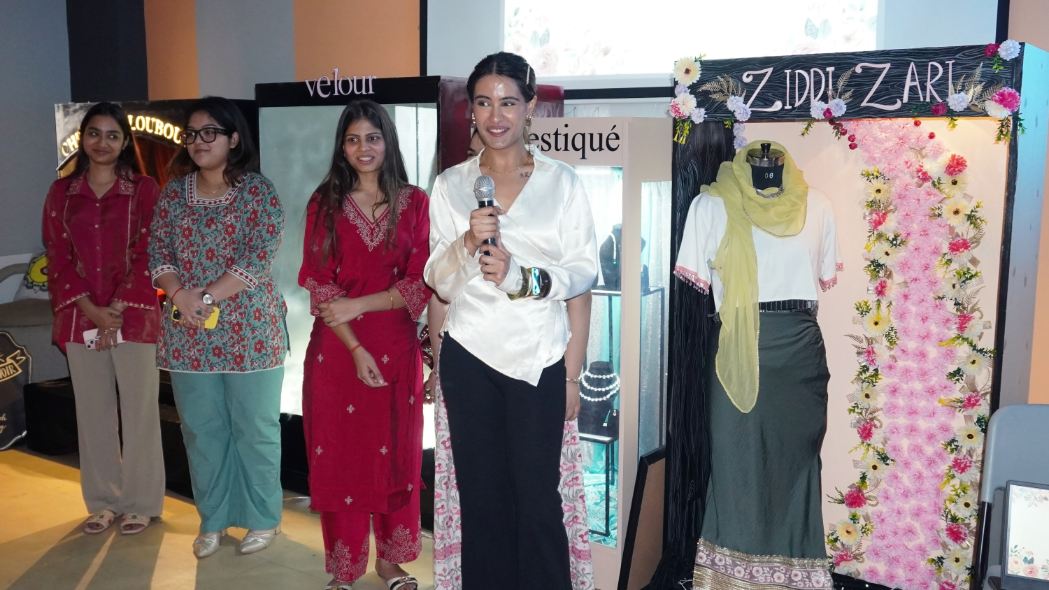
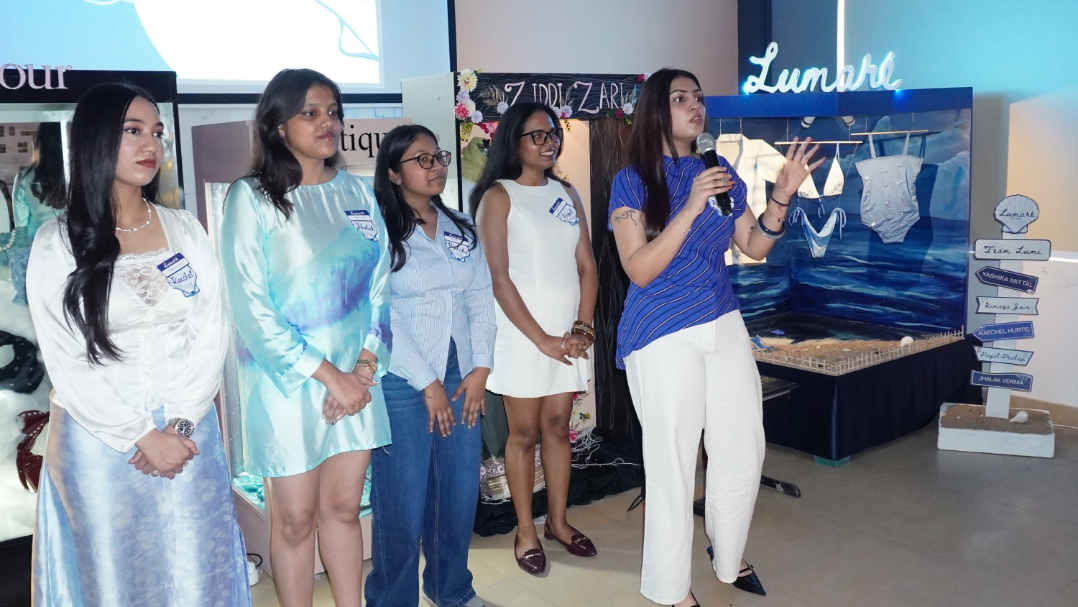
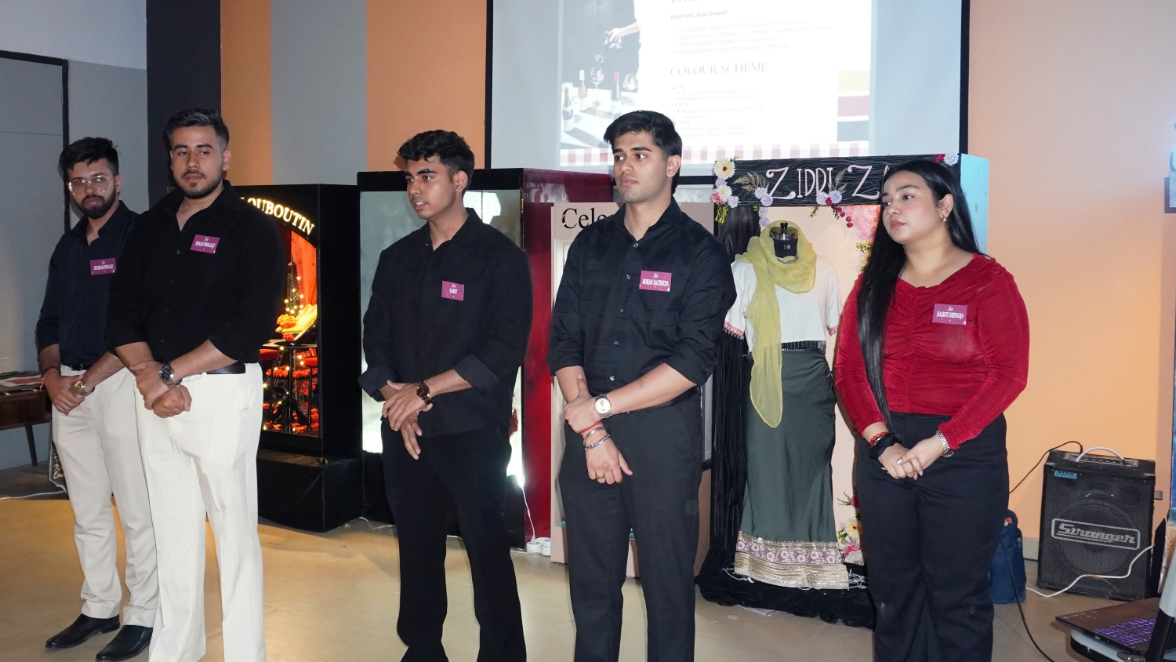
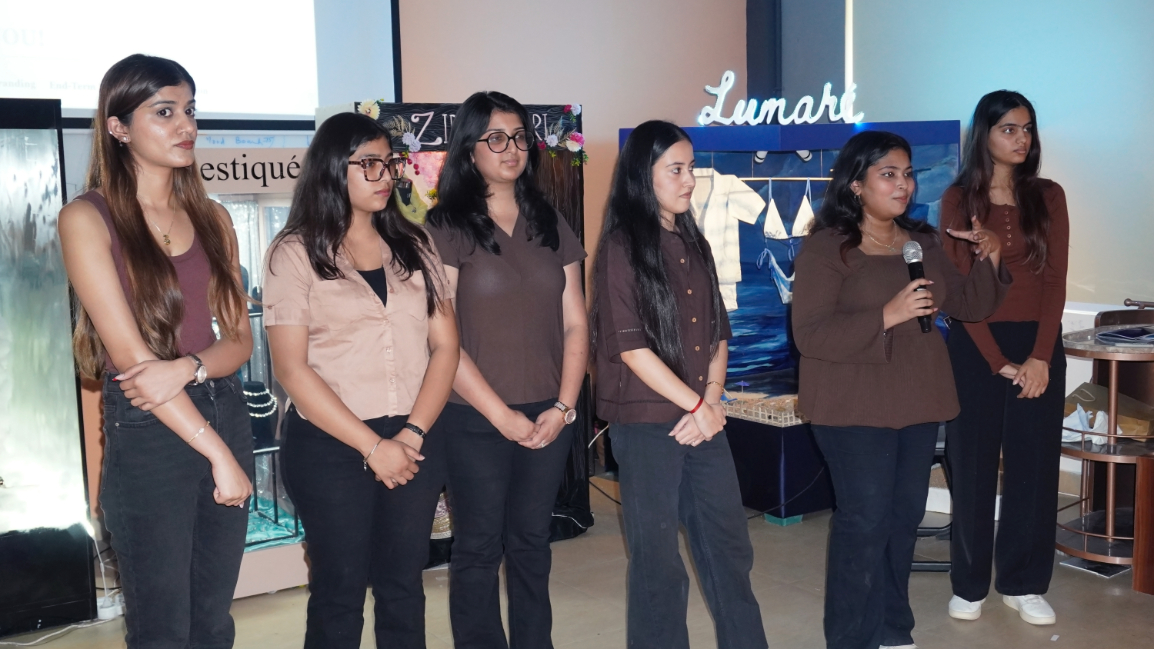
The jury composition was a deliberate pedagogical choice: pairing industry founders with senior faculty gave students feedback that was both market-relevant and academically situated — a combination rarely available in a single event.
All three industry jurors are founders of their own design practices, meaning students received critique from practitioners who have navigated the full arc from creative work to business viability.
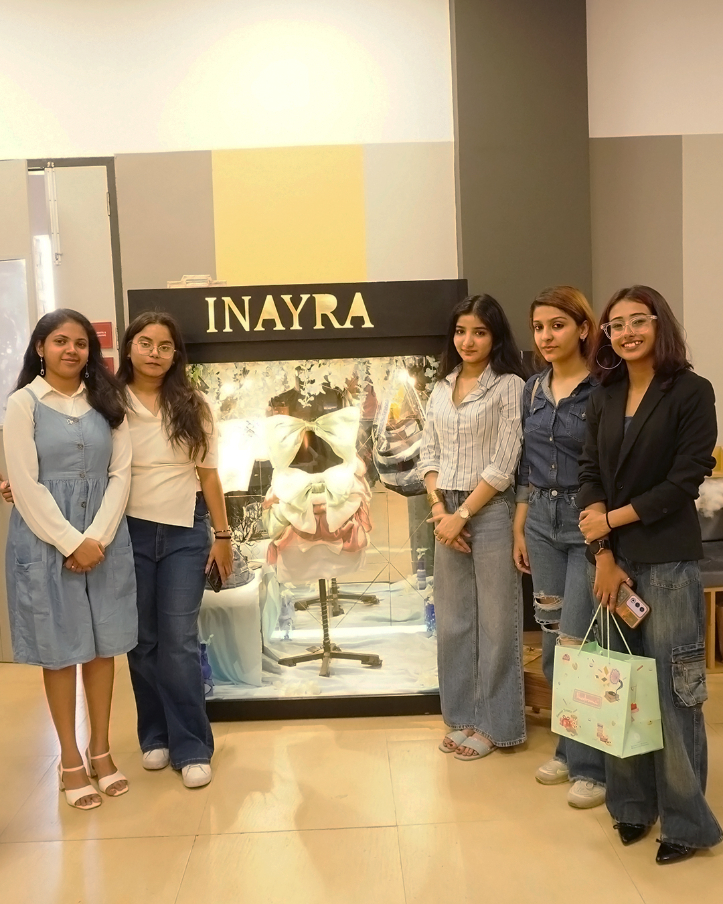
Visual merchandising sits at the intersection of Interior, Product, and Fashion Design — making Window World a natural interdisciplinary showcase within the department.
The public viewing component added a layer of professional pressure that a closed jury assessment cannot replicate, quietly training students to present work with confidence to non-specialist audiences.
For design students, the experience of being evaluated by industry practitioners — not just faculty — marks a shift in how they understand the standards their work will eventually be held to.
Student Takeaways
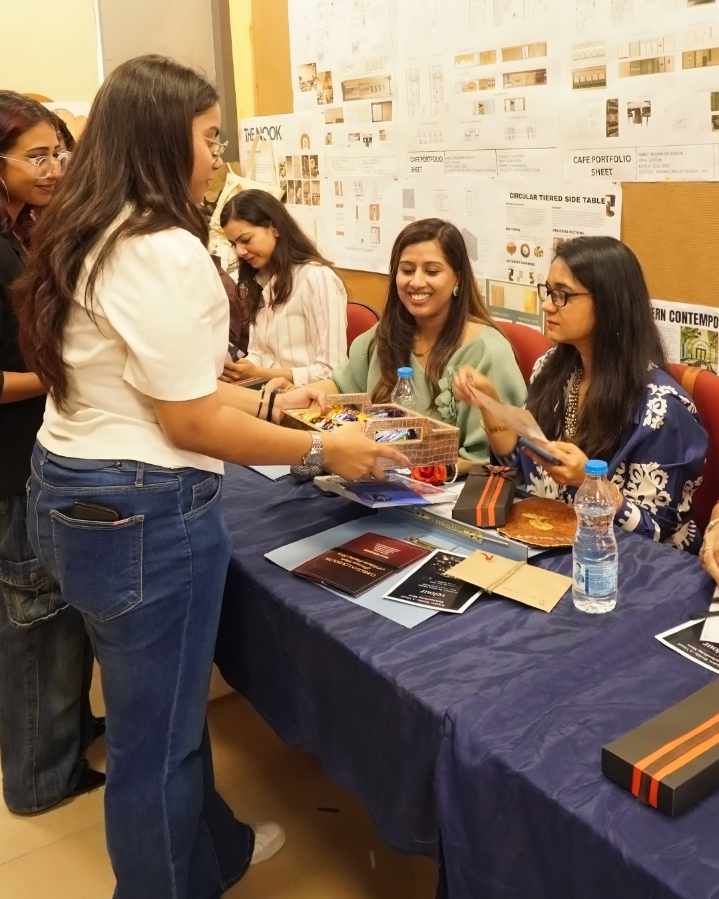
Students gained firsthand experience of professional-standard critique from practitioners who run active design businesses — a materially different register from academic feedback alone.
The competition format introduced students to the discipline of presenting a considered, coherent visual narrative under evaluative scrutiny.
Public visibility of their work developed confidence in audience engagement and an understanding that design is ultimately a communicative act directed at people, not just a process of making.
Exposure to the perspectives of Ms Annu Taneja, Ms Komal Rustagi, and Mr Arjun Sethi broadened students’ awareness of how visual merchandising functions as a commercial and experiential tool within real design practices.