
The Cognitive Psychology specialisation focuses on mental processes such as perception, attention, memory, language, and decision making. Students learn how people acquire, process, and use information, and how these processes influence everyday behaviour. The curriculum introduces experimental methods and basic cognitive assessment techniques, preparing students for further study and entry-level roles in research, education, and applied psychology settings.
The Industrial Behaviour specialisation explores how individuals and groups behave in workplace and organisational contexts. Students examine topics such as motivation, job satisfaction, leadership, teamwork, and organisational culture, with an emphasis on employee well-being and performance. Through case studies and practical exposure, learners develop foundational skills relevant to careers in human resources, training, and workplace mental health support.
The Clinical Psychology specialisation introduces students to the foundations of mental health, psychological disorders, and basic principles of assessment and intervention. Learners gain an understanding of common mental health conditions, their causes, and evidence-based approaches used by clinical practitioners. This specialisation builds a strong base for higher studies in clinical psychology and related fields, and nurtures sensitivity towards mental health issues in diverse communities.
The Counselling Psychology specialisation focuses on helping skills, emotional support, and guidance across various life challenges. Students develop core competencies in active listening, empathy, basic counselling techniques, and ethical awareness in supportive roles. Exposure to school, community, and organisational contexts prepares learners for further training in professional counselling and for roles that involve providing psychological support and guidance.
The Health Psychology specialisation examines how psychological factors influence physical health, illness, and health-related behaviour. Students explore topics such as stress, coping, lifestyle behaviours, adherence to medical advice, and health promotion. The curriculum encourages an understanding of how to support behaviour change and well-being, laying the groundwork for future roles in health promotion, community health, and applied health psychology.
The Social Psychology specialisation investigates how individuals think, feel, and behave in social situations and group contexts. Students study attitudes, stereotypes, social influence, group dynamics, and interpersonal relationships, with applications to contemporary social issues. This specialisation builds analytical and critical thinking skills that are valuable in fields such as marketing, communication, social research, and community work.
The Forensic Psychology specialisation introduces the interface between psychology and the legal and criminal justice systems. Students gain foundational insights into criminal behaviour, victimology, and the roles psychologists may play in investigative and corrective settings. The curriculum familiarises learners with topics such as eyewitness memory, risk assessment, and ethical issues in forensic contexts, supporting pathways towards advanced study and careers related to law enforcement, correctional services, and legal support environments.
The psychology programmes at IILM University are designed to blend academic rigor with practical exposure, preparing students to make meaningful contributions in psychology-related fields.

At IILM University, the study of psychology is designed to go beyond textbooks and traditional classroom learning. The program combines strong academic foundations with experiential learning, enabling students to understand human behaviour through both theoretical knowledge and practical application. Through an engaging and interdisciplinary curriculum, students are encouraged to explore the complexities of the human mind, behaviour, emotions, and social interactions while developing analytical, research, and communication skills that are essential in the field of psychology.

The curriculum is globally aligned, reflecting contemporary developments in psychological science and behavioural studies. It integrates key areas such as cognitive psychology, social psychology, developmental psychology, counselling psychology, and research methods, ensuring that students receive a comprehensive and up-to-date understanding of the discipline.

A key strength of the program is its emphasis on practical and experiential learning. Students regularly engage in case study discussions, role plays, counselling simulations, and group activities that allow them to apply psychological theories to real-life situations. These learning methods encourage critical thinking and help students develop problem-solving skills while gaining insight into human behaviour in different contexts.

Students also gain exposure to psychological testing and counselling techniques, enabling them to understand how psychological assessments are conducted and interpreted. Through laboratory work and guided practical sessions, students learn about standardized psychological tools, ethical testing procedures, and the basics of psychological evaluation.

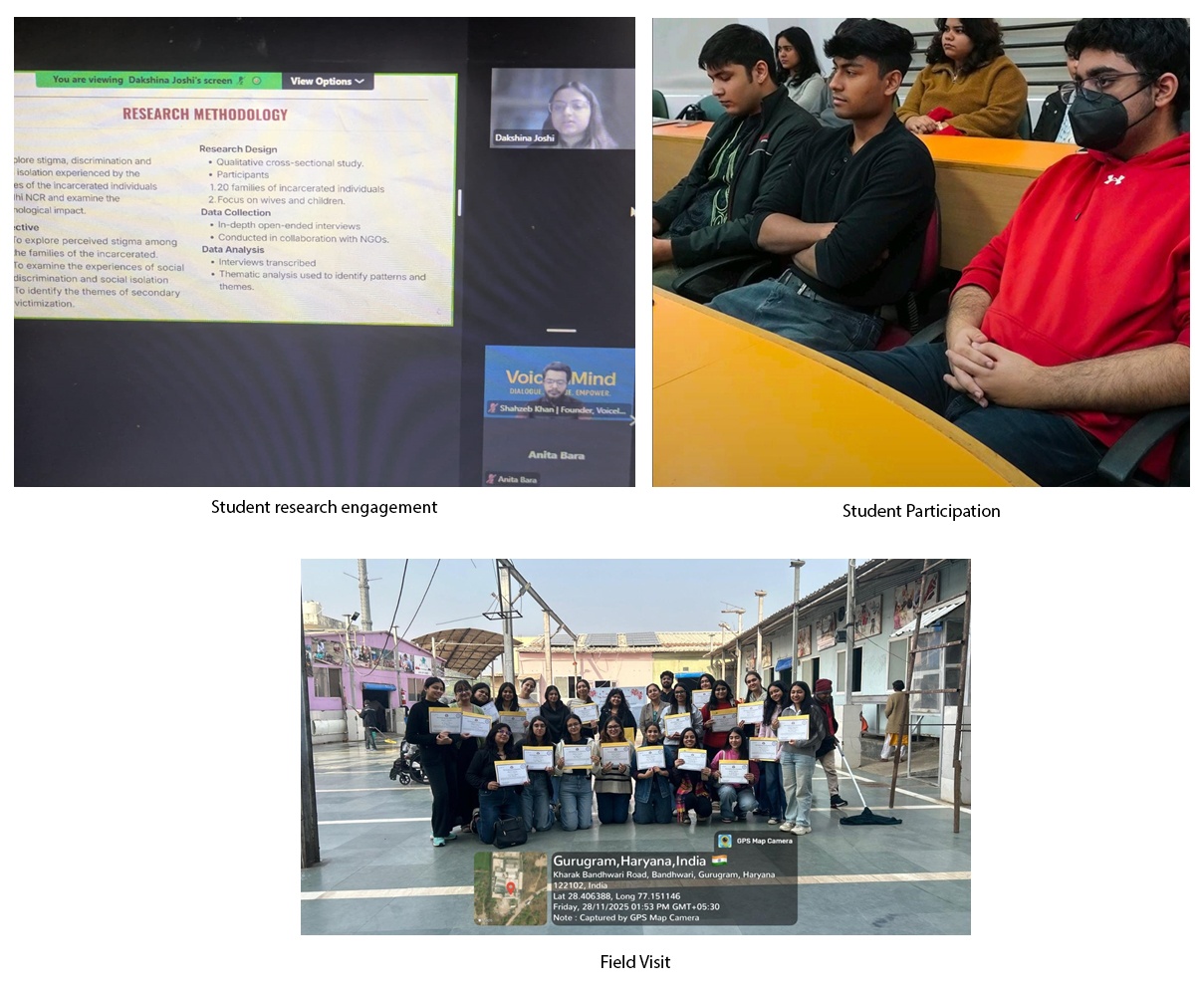
The program encourages research engagement and academic inquiry. Students are introduced to research methodology, data analysis, and psychological investigation techniques. Under the mentorship of experienced faculty members, students have opportunities to participate in research projects, present their ideas, and develop an evidence-based understanding of psychological phenomena.

To enhance real-world exposure, the department provides internship opportunities with professional organizations, allowing students to observe and learn from practitioners in areas such as mental health services, counselling centres, NGOs, and corporate environments. These experiences help students understand how psychological knowledge is applied in professional settings.

Students also benefit from regular interaction with psychologists, clinicians, researchers, and industry professionals through guest lectures, workshops, and academic events. These engagements provide valuable insights into different career paths within psychology and allow students to learn from experts working in the field.

The program is also designed to provide strong preparation for postgraduate studies in India and abroad. With a focus on conceptual clarity, research skills, and academic writing, students are well equipped to pursue advanced degrees in clinical psychology, counselling psychology, applied psychology, behavioural sciences, and related disciplines.

In alignment with the National Education Policy 2020, the program incorporates several academic components that promote holistic and interdisciplinary learning.
Interdisciplinary learning opportunities that allow students to explore subjects beyond psychology and develop a broader academic perspective.
Skill Enhancement Courses (SEC) designed to build practical competencies relevant to professional and personal development.
Ability Enhancement Courses (AEC) that strengthen communication, analytical thinking, and language proficiency.
Value Added Courses (VAC) that focus on ethical awareness, social responsibility, and holistic development.
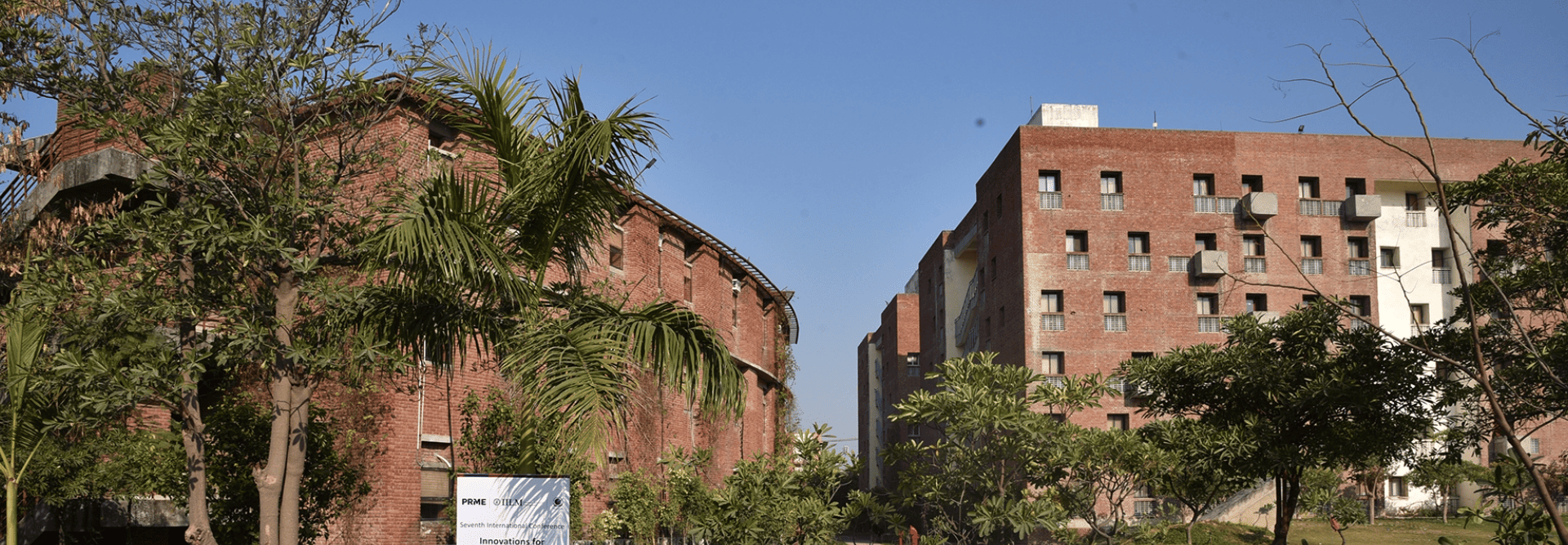
Being a psychology student at IILM University means being part of a vibrant academic community that encourages curiosity, dialogue, and exploration of human behaviour.
Students experience an engaging campus environment where they can develop both academic knowledge and personal growth.
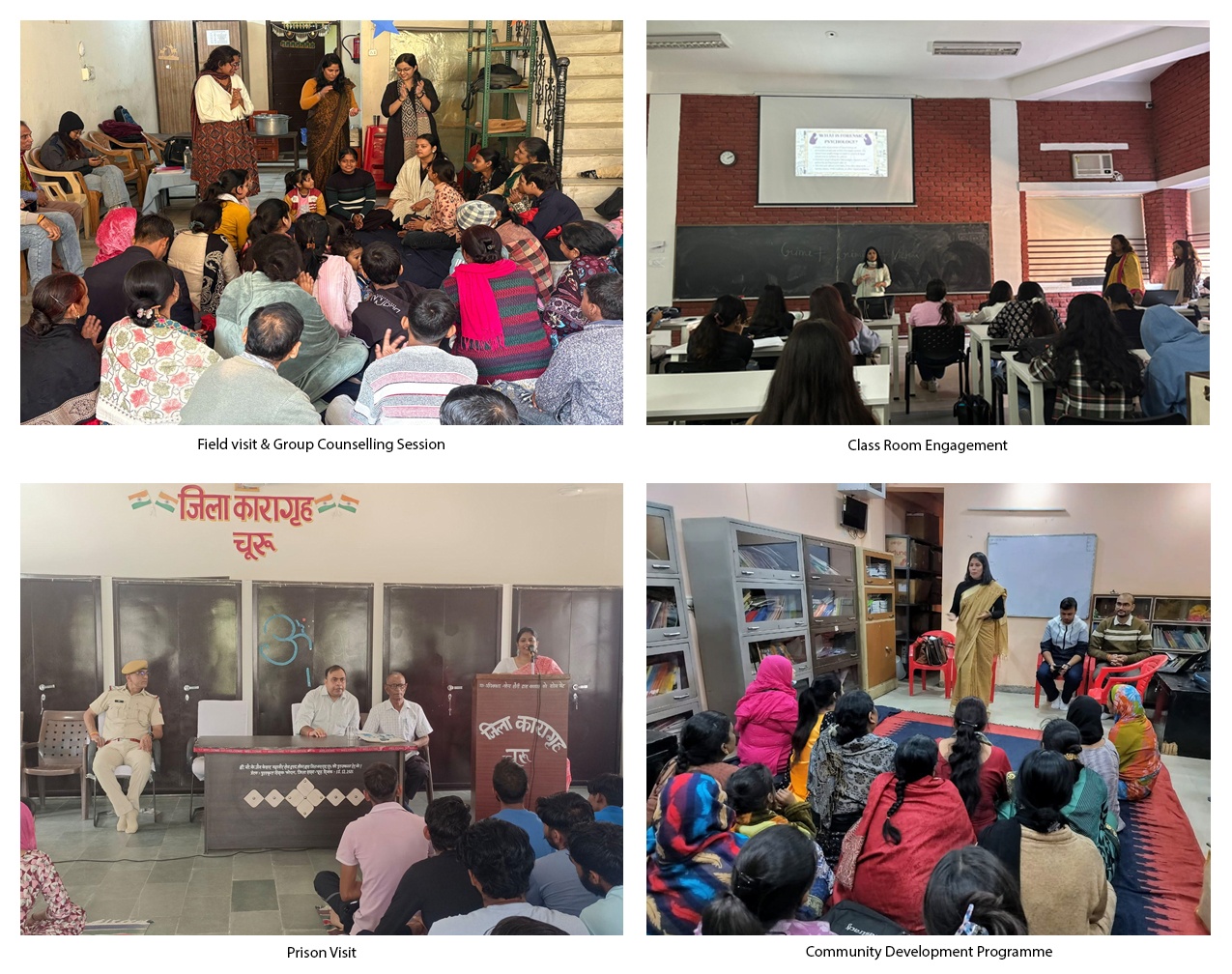
The classroom experience in the psychology program at IILM University is designed to be interactive, engaging, and intellectually stimulating. Rather than relying solely on traditional lecture-based teaching, the program emphasizes active learning, discussion, and critical analysis. Faculty members encourage students to question ideas, share perspectives, and explore psychological concepts through meaningful dialogue. This approach helps students develop a deeper understanding of human behaviour while strengthening their analytical and communication skills.
Interactive lectures form the foundation of the classroom environment, where students are encouraged to participate in group discussions and collaborative learning activities. These sessions allow students to explore psychological theories and research findings while connecting them with real-life experiences and contemporary social issues.
Students also regularly participate in debates and presentations, which help them articulate psychological ideas, defend arguments using evidence, and develop confidence in public speaking. These activities encourage students to critically evaluate different viewpoints and engage in constructive academic discussions.
A key element of the learning process is case-based learning, where students analyze real or simulated scenarios related to human behaviour, mental health, interpersonal relationships, and societal challenges. Through case analysis, students learn to apply psychological theories and frameworks to understand complex behavioural patterns and possible interventions.
The classroom also serves as a space for psychological analysis of current social issues, such as mental health awareness, gender dynamics, social stigma, workplace stress, and community wellbeing. By examining these issues through a psychological lens, students gain a better understanding of how psychological principles operate within society.
In addition, the program introduces students to emerging developments in the field of psychology, including the growing role of technology and data in behavioural sciences. Students are exposed to topics such as artificial intelligence in psychology, digital mental health platforms, and the use of technology in psychological research and assessment. This exposure helps students stay informed about evolving trends and prepares them for the future of psychological practice and research.
Overall, the classroom environment at IILM University, Gurugram fosters curiosity, critical thinking, collaboration, and practical understanding, creating a dynamic learning space where students actively engage with the science of psychology.
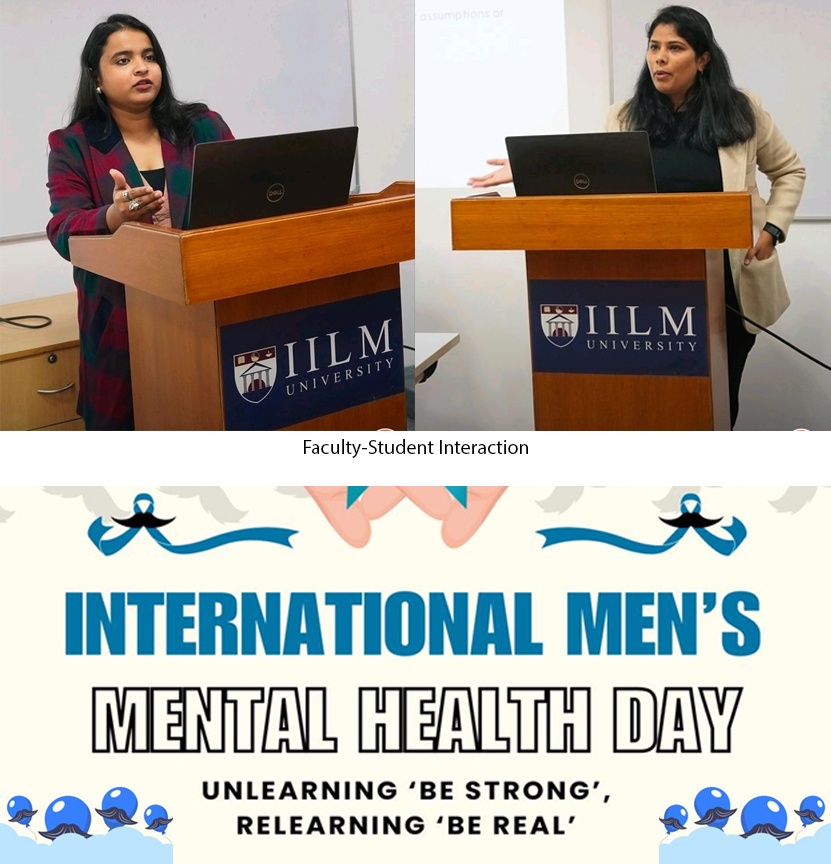
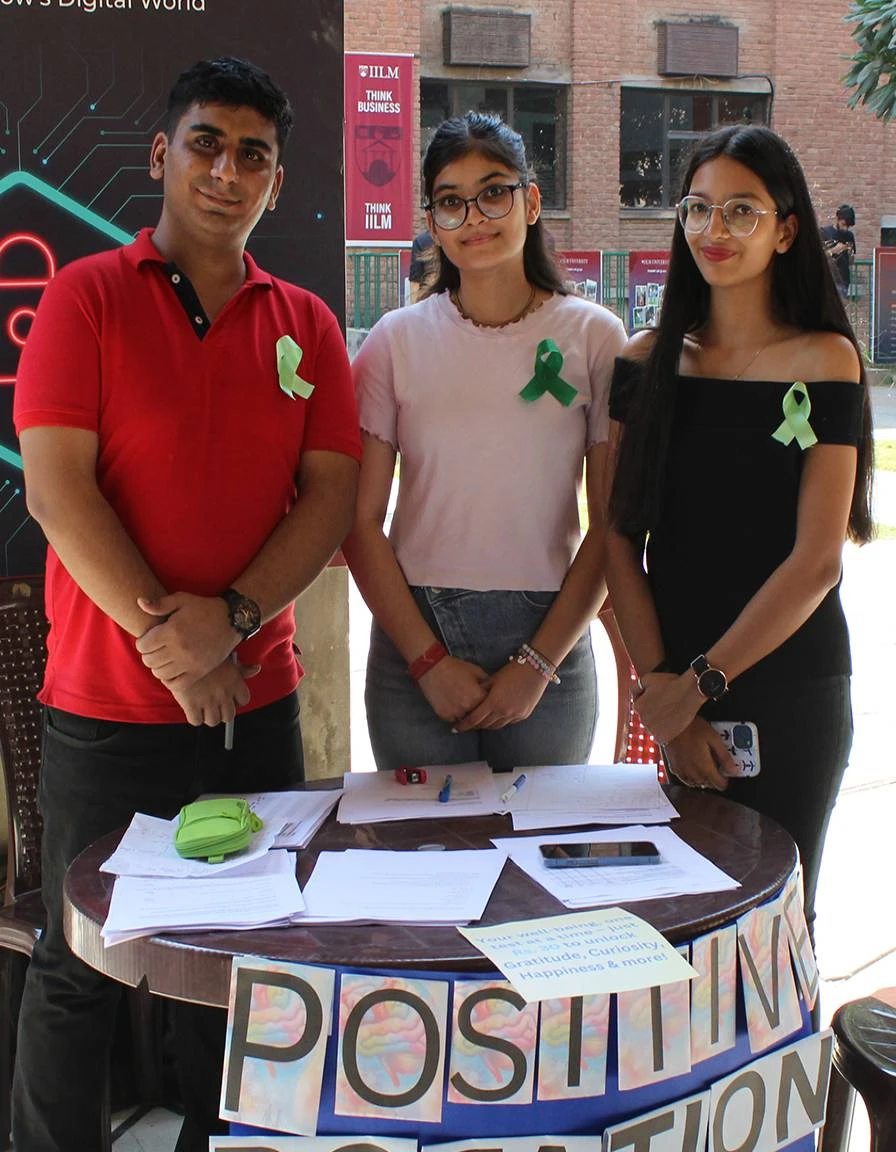
The psychology program regularly organizes academic and experiential events that encourage dialogue around mental health and human behaviour.
Important events include:
These events promote mental health awareness and emotional expression within the campus community.
Faculty engagements in class rooms and community development as psychologist, counselor, forensic psychologist and Criminal counselor.
WeEvolve is the official psychology club at IILM University, created to provide students with opportunities to explore psychology beyond the classroom.
The club aims to promote mental health awareness, peer learning, and psychological discussions on campus.
Activities organized by the club include:
WeEvolve helps build a supportive community where students can share ideas, develop leadership skills, and apply psychological concepts to everyday life.

Students participate in a variety of academic and creative activities that make psychology engaging and meaningful.
These include:
Such activities help students develop practical understanding of psychological concepts and social behaviour.

Year 1 – Introduction to Psychology, Biological Psychology, Social Psychology, Developmental Psychology, Personality Theories, Health Psychology
Year 2 – Social and Cultural Psychology, Statistics (I & II), Abnormal Psychology, Psychological Well-being, Cognitive Psychology, Psychological Well-being
Year 3 – Counselling skills & Techniques, Advanced Cognitive Psychology, Psychopathology, Industrial Psychology, Applied Social Psychology, Fieldwork, Internship
Year 4 – Qualitative & Quantitative Methods & Techniques, CBT & REBT, Psychodiagnostics, Project, Collaborative work, Research Papers, Dissertation
At IILM University, we believe that psychology must be experienced beyond the classroom. The department has established Memorandums of Understanding (MOUs) with hospitals, counselling centres, NGOs, corporate organizations, and research institutions to provide students with practical exposure.
Through these collaborations, students gain opportunities to:
These experiences help students connect academic knowledge with practical application.
A degree in psychology from IILM University prepares students for diverse career pathways.
Graduates may pursue careers in:
Many students also continue their education through postgraduate programs in psychology and related fields.
Psychology education at IILM Gurugram emphasizes experiential and interactive learning. Students are encouraged to explore psychological concepts through activities that promote engagement and deeper understanding.
Key learning experiences include:
Such activities allow students to apply psychological theories to real-world situations.
IILM University offers a range of minors across various disciplines, enabling students to tailor their BA/BSc programmes to align with their career goals and interests. These minors provide interdisciplinary exposure to fields such as society, business, and technology, fostering a well-rounded understanding of diverse domains.
By choosing minors, students gain enhanced career flexibility and develop a broad skill set that complements their primary specialisation. This approach helps students cultivate a comprehensive perspective on real-world challenges, encourages innovative thinking, and equips them to become adaptable, resourceful, and future-ready leaders in their chosen fields.
Minor Options
Minor in Management:
Minors in Liberal Studies:
Minor in Design:
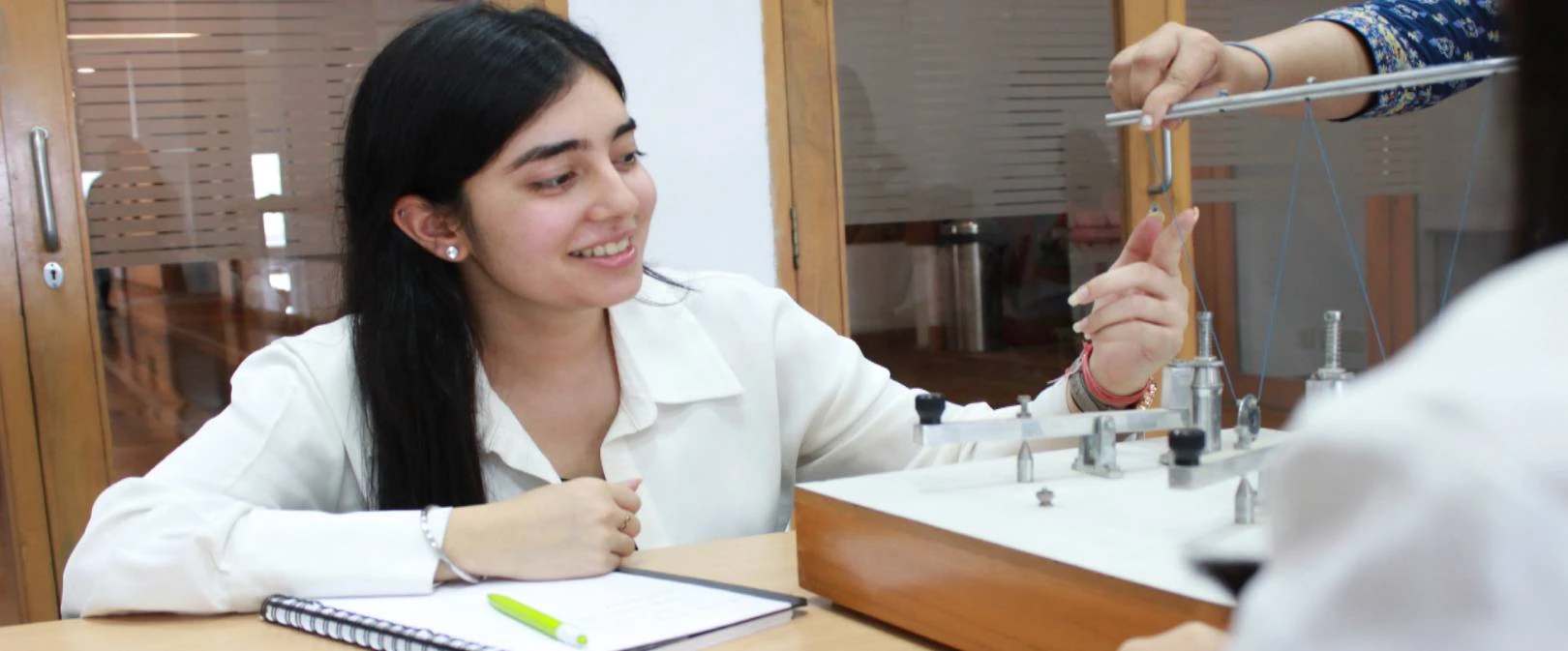
The psychology laboratory at IILM University provides students with hands-on experience in psychological experimentation and assessment. Through guided practical sessions, students learn the fundamentals of administering, scoring, and interpreting standardized psychological tools while understanding ethical testing practices.
Students gain practical exposure to:
These practical exercises help students connect psychological theory with real-world assessment practices and develop foundational skills in psychological evaluation.
We were privileged to learn from faculty members hailing from prestigious institutions such as IIM and FMS, alongside some of the finest professors at IILM. This strong academic foundation transformed into invaluable wisdom, shaping the path to where I am today.”

“As a proud gold medallist of my batch, I had the privilege of dedicating over a decade to Deloitte Consulting. My time at IILM was truly transformative, shaping both my career and personal growth. Returning to campus for the alumni meet was a nostalgic and heartwarming experience.”

“My MBA at IILM equipped me with essential business and corporate skills that helped me excel professionally. Case studies, group discussions, and grooming sessions with brilliant peers shaped me into a lifelong learner. Transitioning from a non-finance background to a finance enthusiast was possible due to IILM’s well-designed curriculum. Grateful to call IILM my Alma Mater!”

“IILM University’s MBA programme was truly transformative. The faculty’s real-world insights made learning highly practical and relevant. Personalised mentoring and career support aligned my goals with industry needs, while the vibrant campus life and networking opportunities enriched the experience. IILM equips you with the skills to thrive in the corporate world.”