


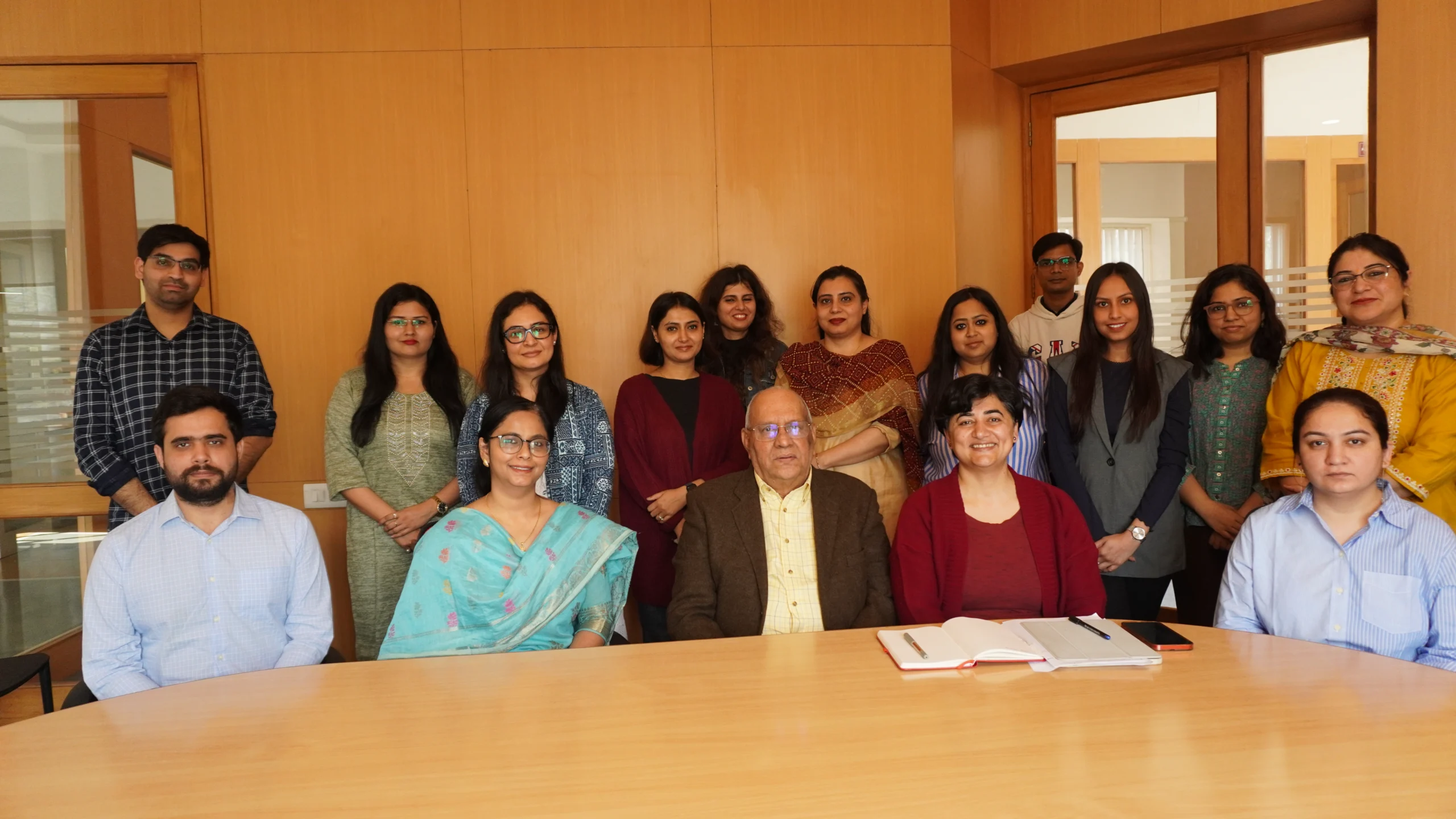
Academic Forum – Design Thinking Method
24 February 2026, Tuesday
24 February 2026, Tuesday
11:00 AM
12:10 PM
School of Law, IILM University, Gurugram
Academic Forum, School of Law
Dr. Monika Bhatia & Dr. Misha Bahmani
IILM University, Gurugram
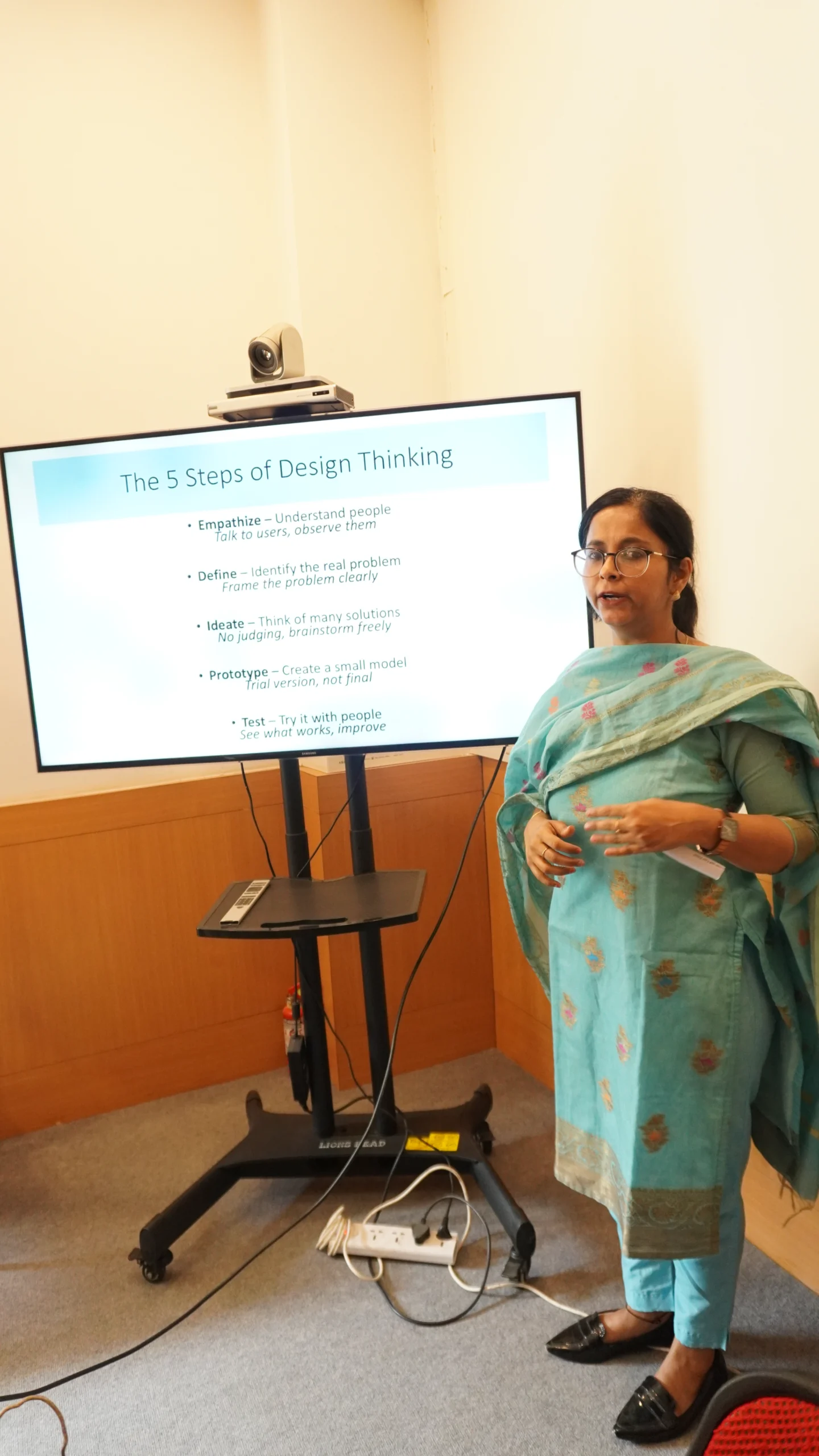
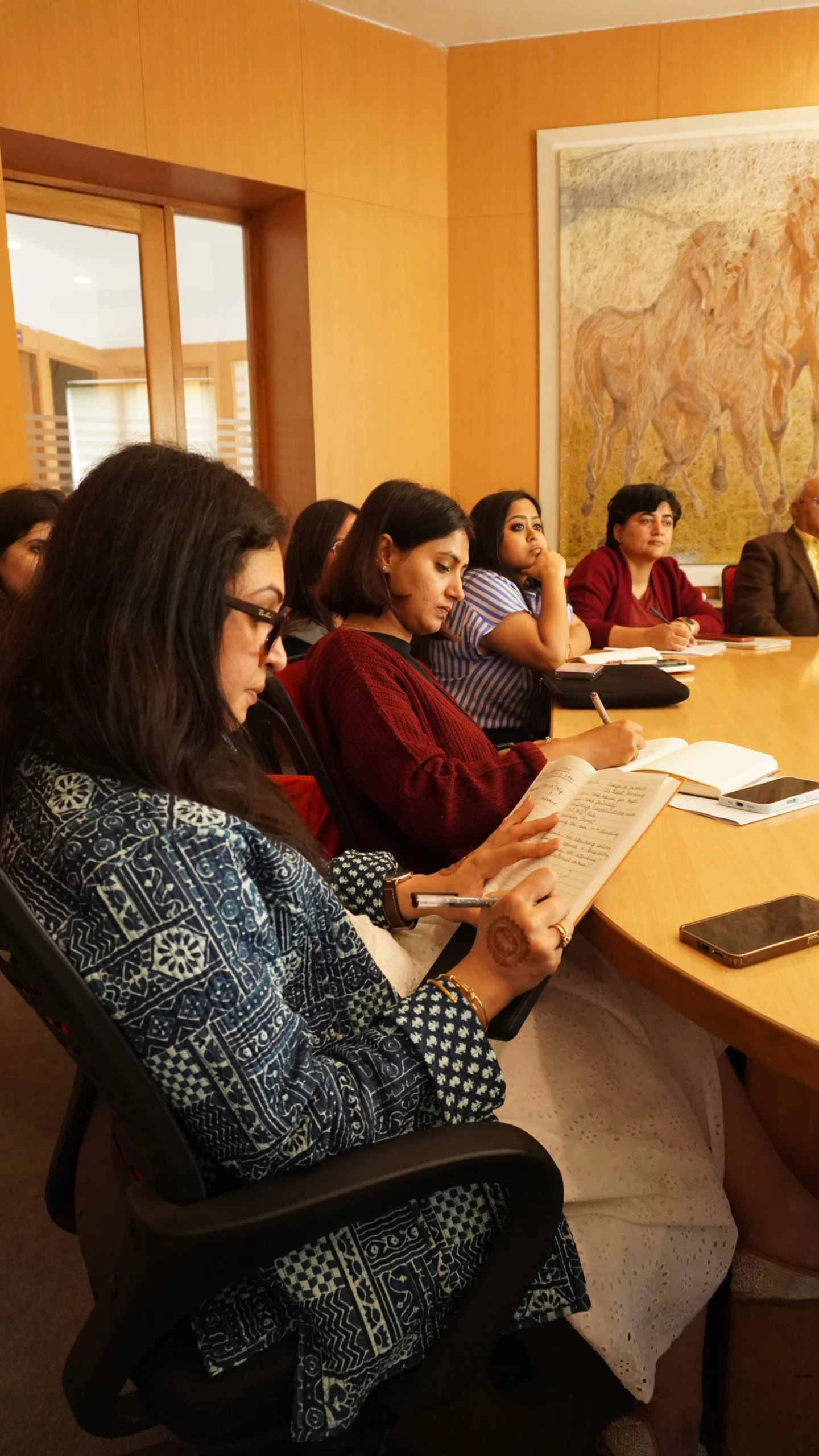
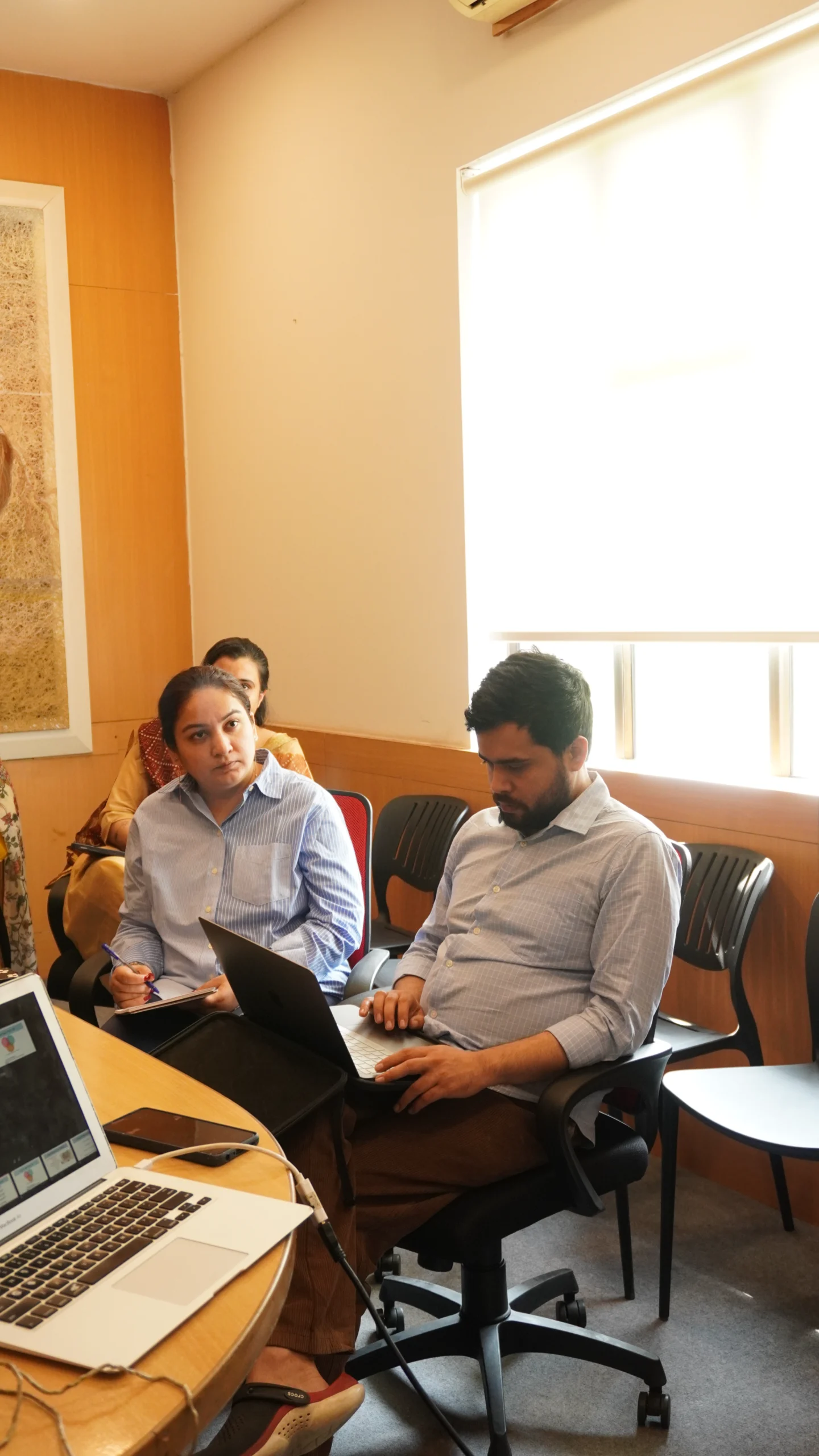
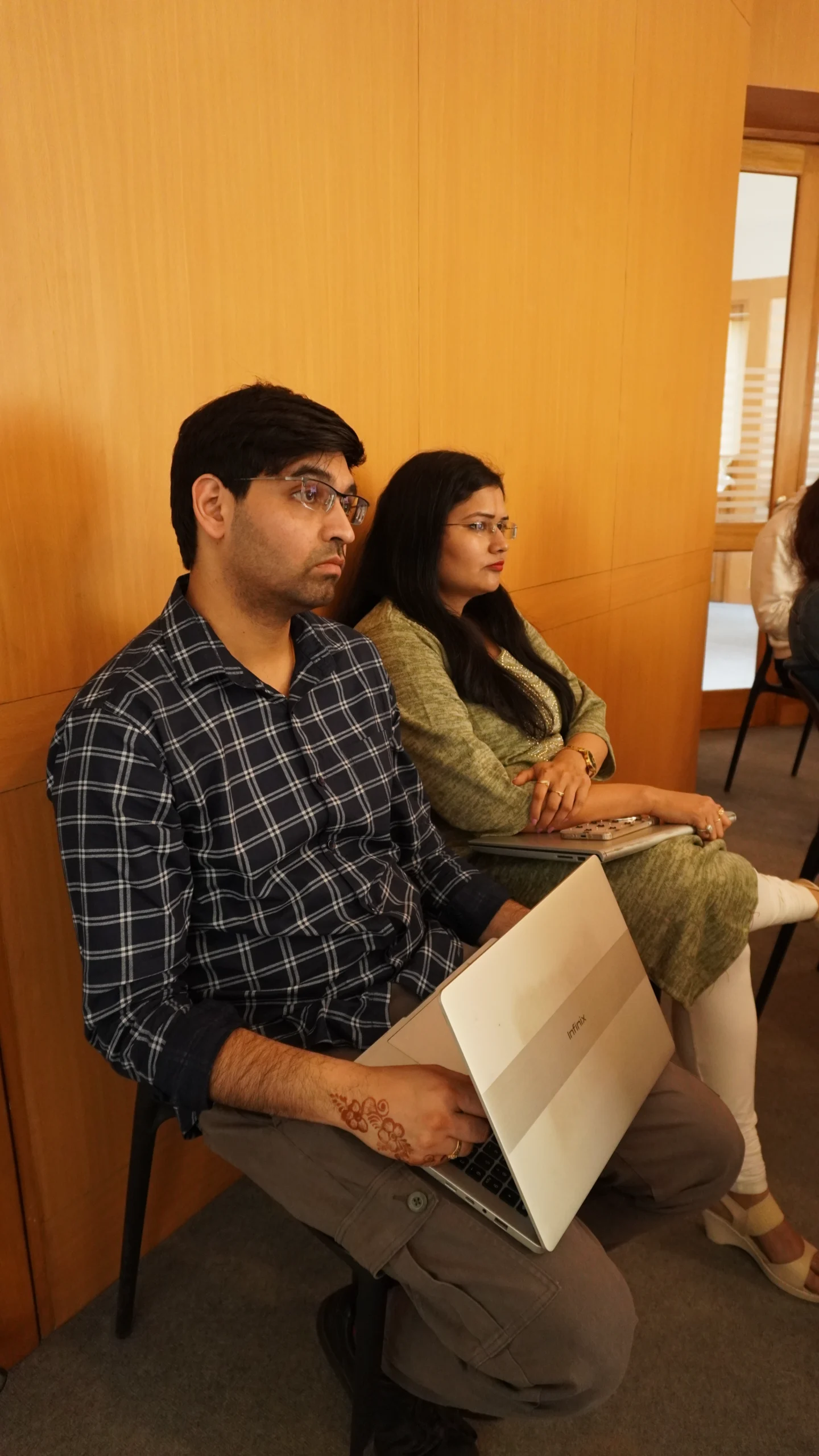
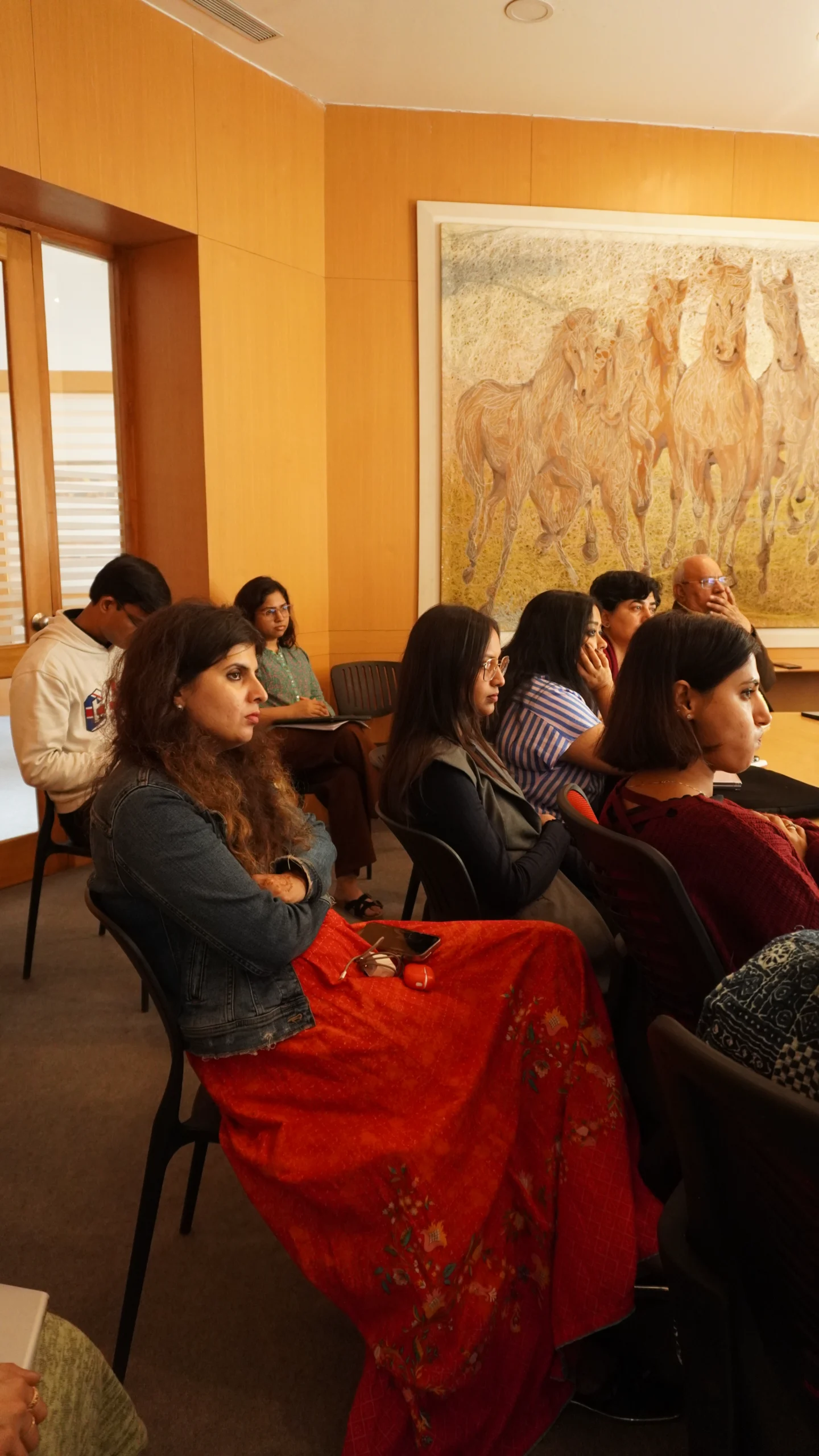
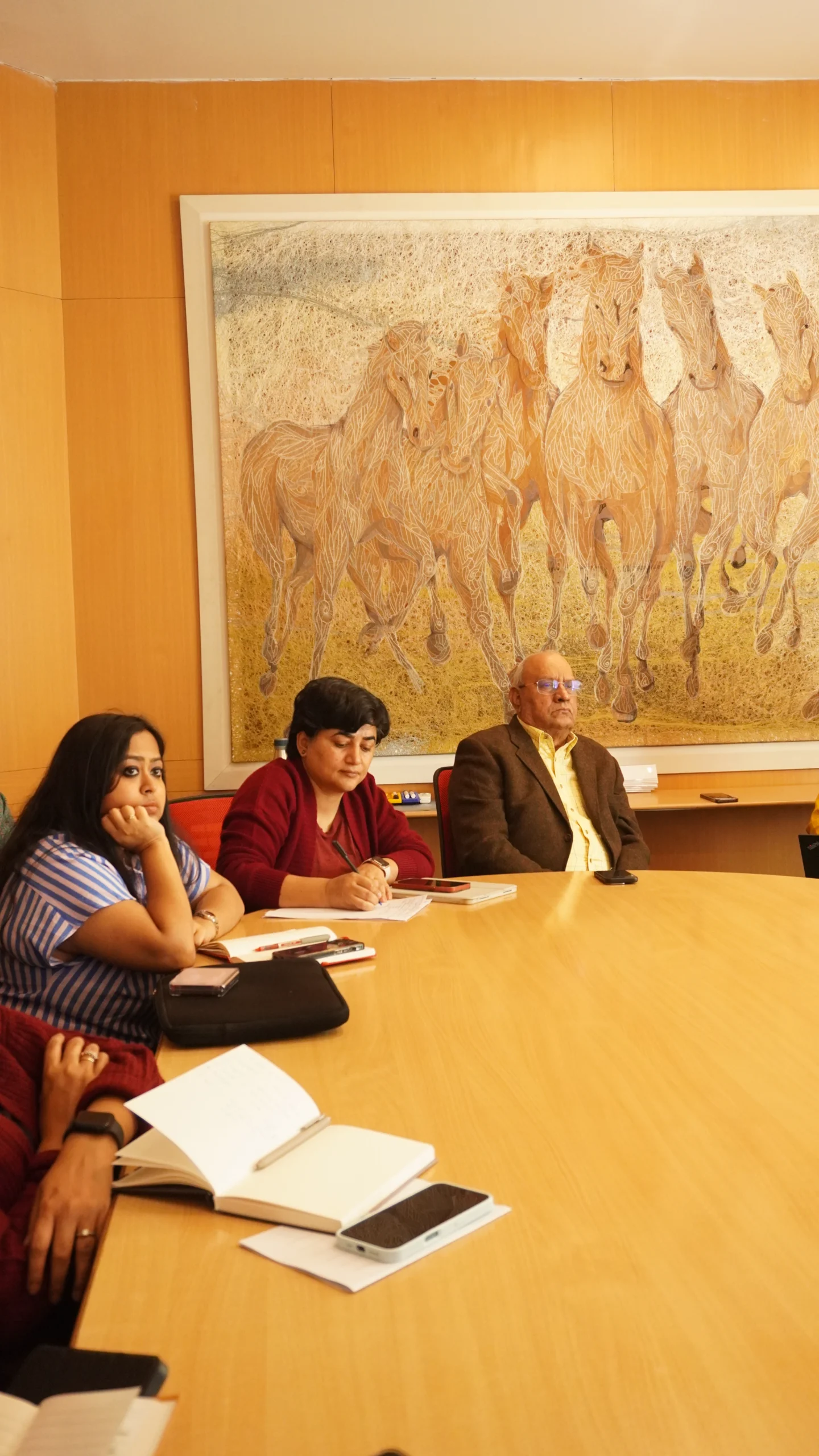
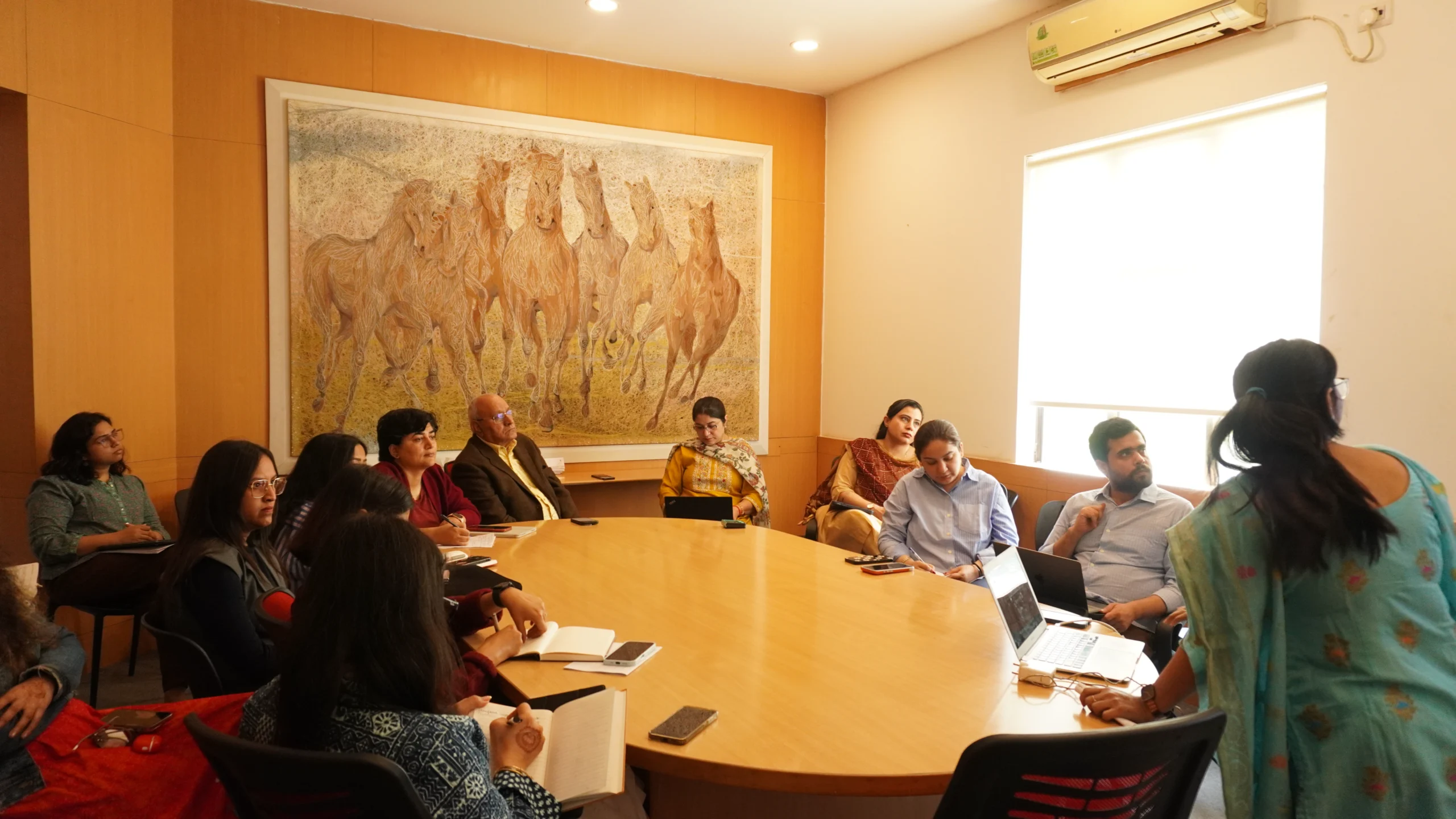
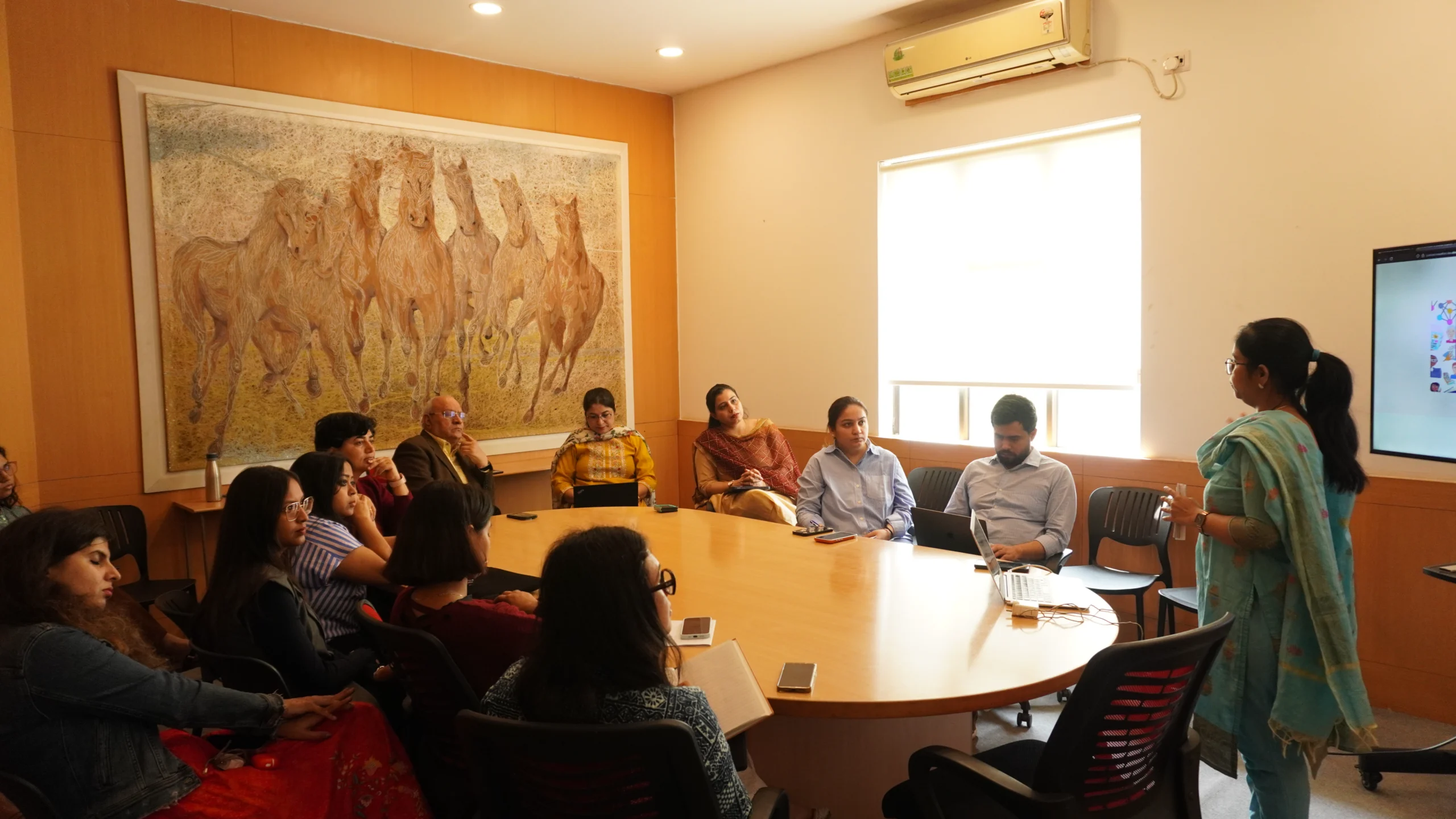
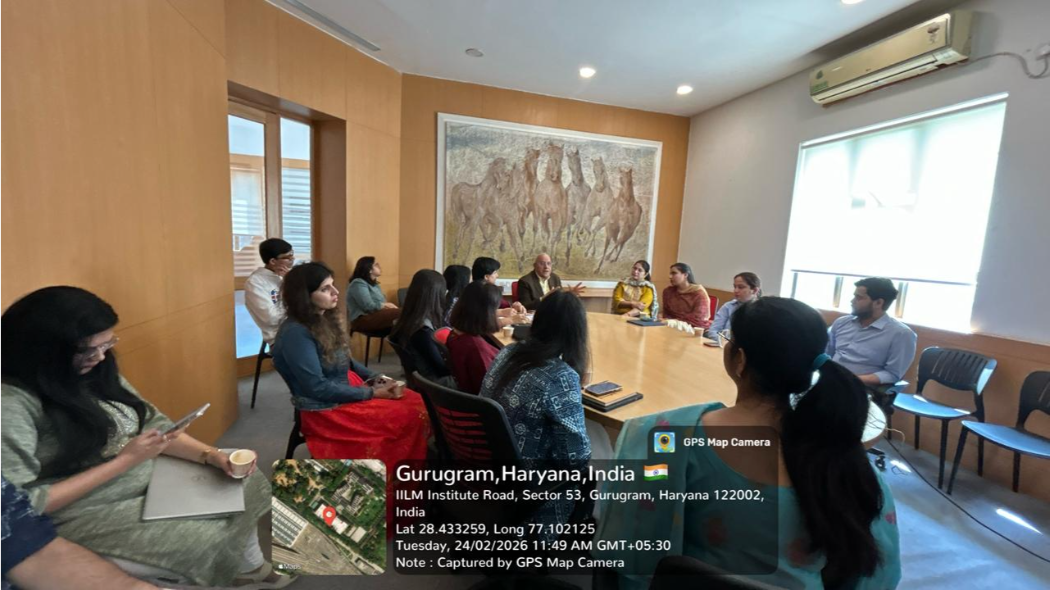
The session was conceptualised to introduce faculty members to innovative, solution-oriented approaches that enhance teaching effectiveness, research productivity, and curriculum development within legal education, with Design Thinking — as a structured yet creative methodology — promoting empathy-driven problem solving, collaboration, experimentation, and learner-centric innovation. Dr. Tiwari structured the discussion around the five key stages of the Design Thinking process: Empathize (understanding learner needs and stakeholder perspectives), Define (clearly identifying academic or institutional challenges), Ideate (generating creative and diverse solutions), Prototype (developing workable models or pilot initiatives), and Test (evaluating solutions and refining them based on feedback). The session emphasised the shift from traditional lecture-based pedagogy to interactive and experiential learning models, integration of real-world legal problems into classroom discussions, encouraging collaborative assignments and interdisciplinary projects, and using Design Thinking to redesign course structures and assessment strategies. Design Thinking offers faculty members a framework to address classroom challenges more effectively, enhance research ideation and proposal development, foster innovation in curriculum planning, and build stronger engagement between faculty and students. Faculty members expressed interest in further workshops and hands-on sessions focusing on implementing Design Thinking in curriculum redesign and academic research projects, and the session reinforced the importance of creativity, adaptability, and empathy in academic leadership and institutional development.
The session will directly benefit students through enhanced, learner-centred teaching methodologies as faculty adopt problem-based and interactive approaches to legal education. Faculty who adopt Design Thinking will contribute towards creating a more dynamic, responsive, and future-ready legal education environment for students. The shift from lecture-based to experiential learning models — incorporating real-world legal problems into classroom discussions and collaborative interdisciplinary projects — will develop students’ analytical and problem-solving competencies more effectively. Use of Design Thinking to redesign course structures and assessment strategies will result in more relevant, engaging, and outcome-oriented educational experiences for students. The programme holds significant importance in the evolving landscape of legal education, and faculty interest in further workshops on curriculum redesign and academic research projects signals ongoing commitment to student-focused pedagogical improvement.