


Panel Discussion on “Gender Budgeting and Union Budget 2026: Promise, Practice, and Accountability”
05 March 2026, Thursday
05 March 2026, Thursday
11:00 AM
01:00 PM
School of Law, IILM University, Gurugram Organised By: Debate and Discussion Forum, School of Law, IILM University, Gurugram
Ms. Bhavya Gupta Guest: Dr. Monika Bhatia
IILM University, Gurugram
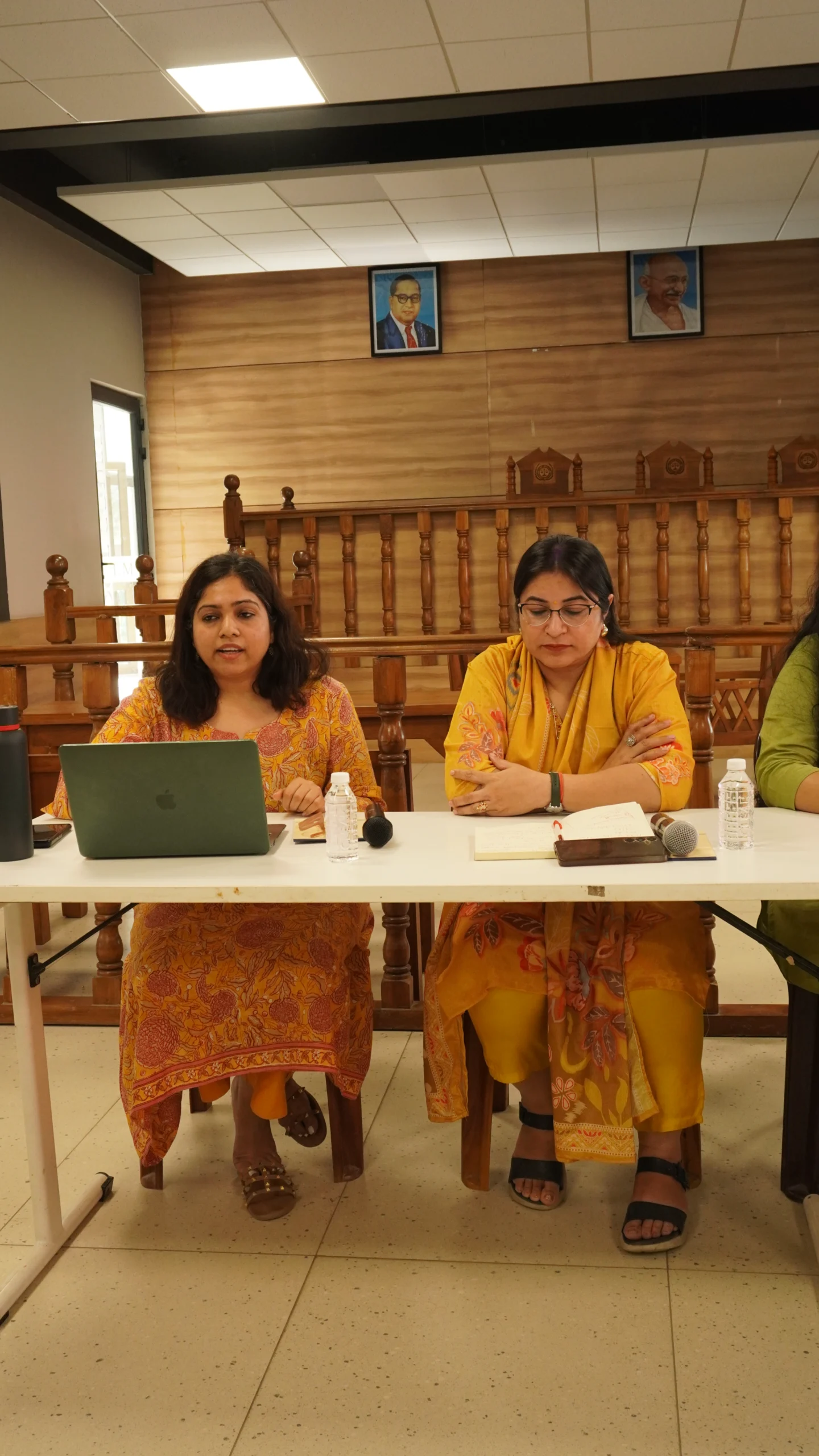
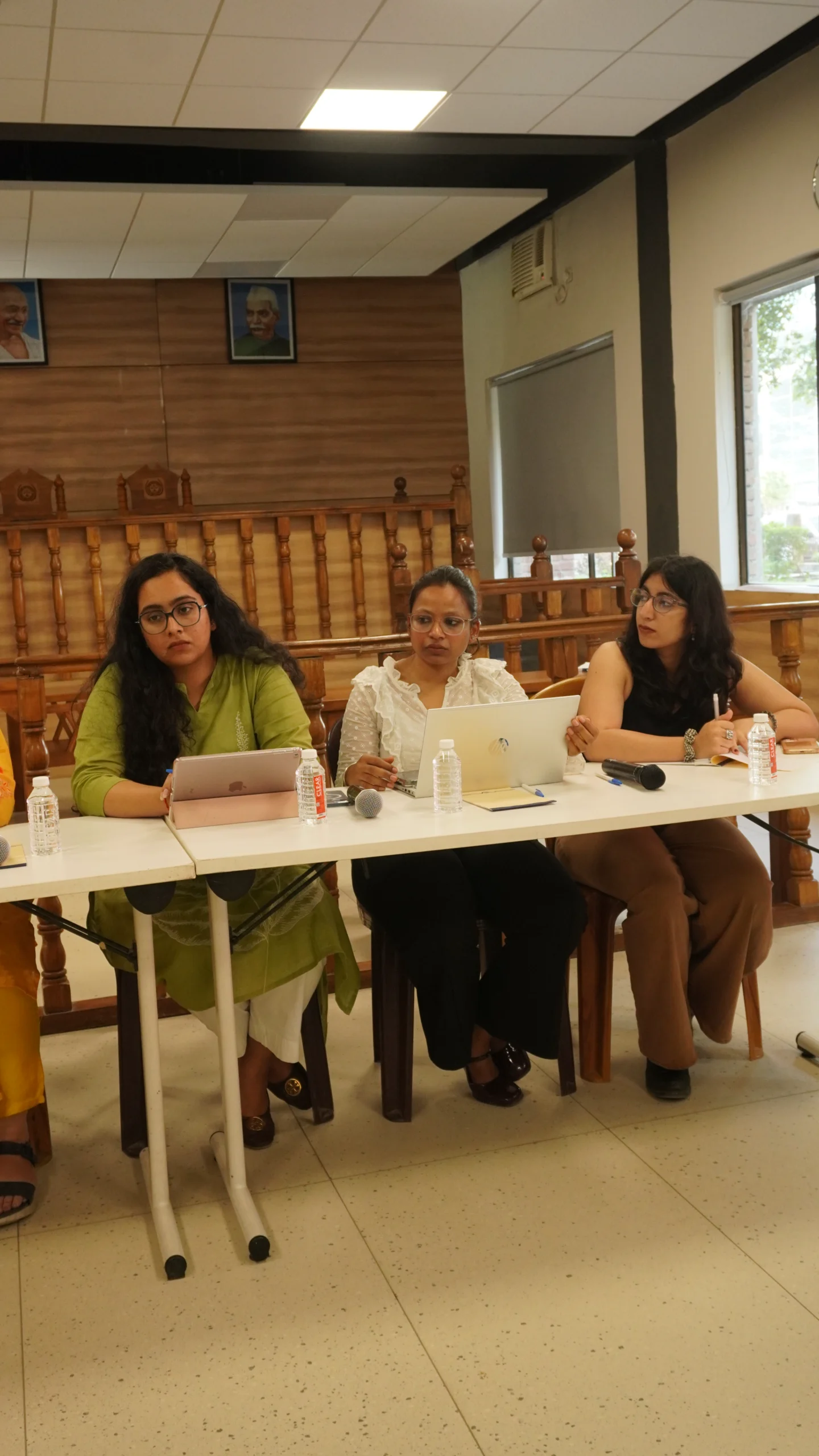


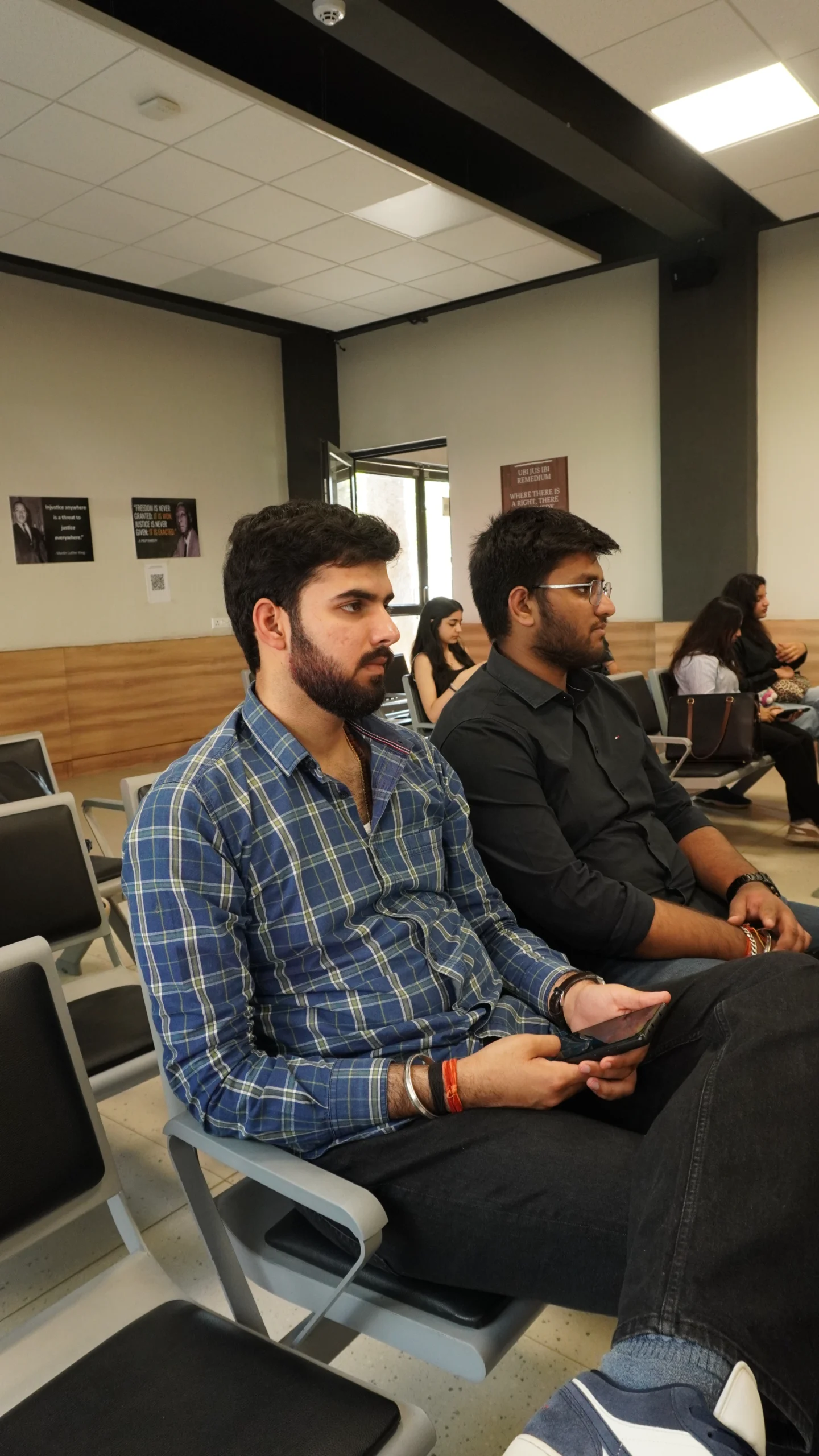
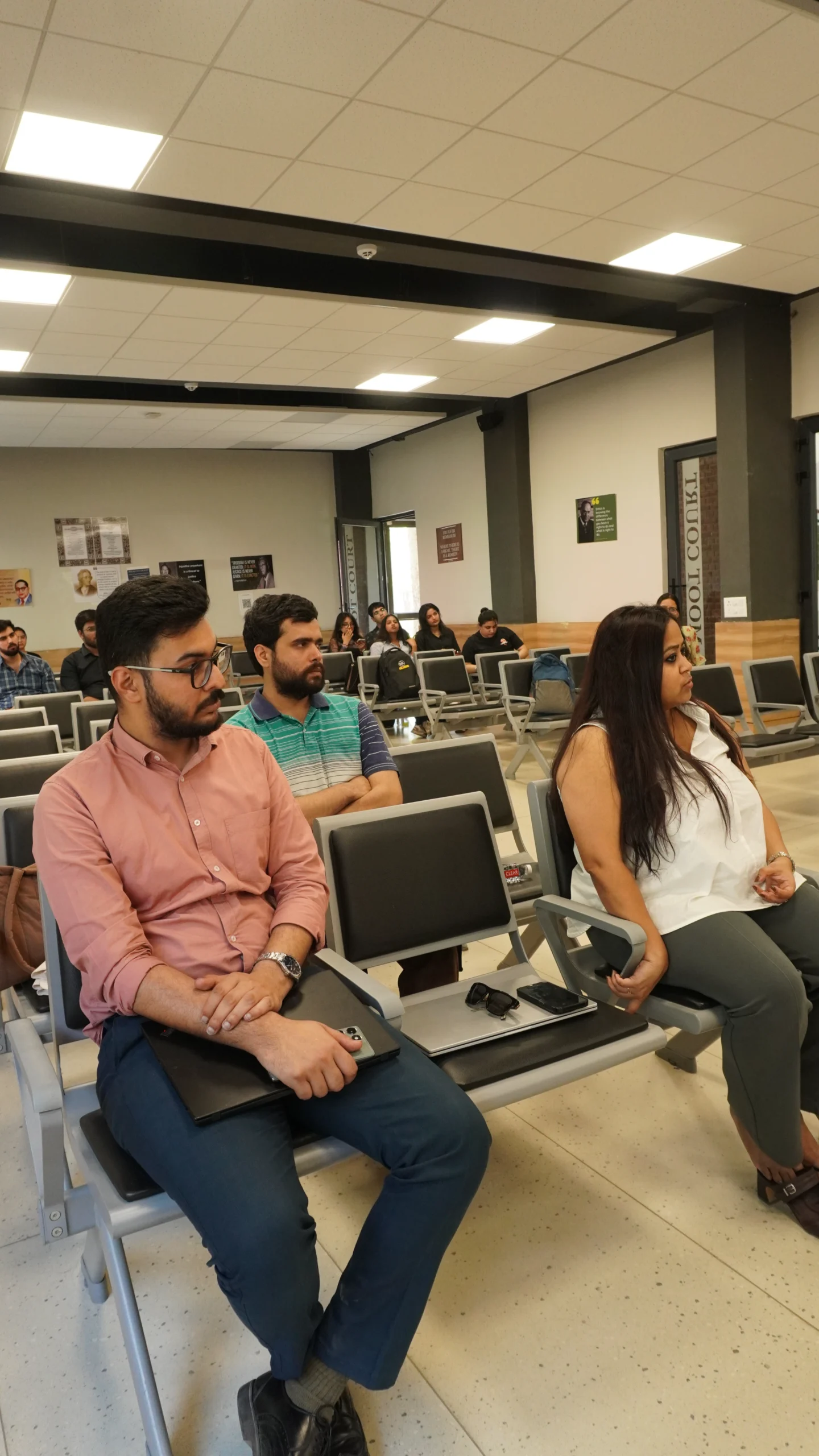
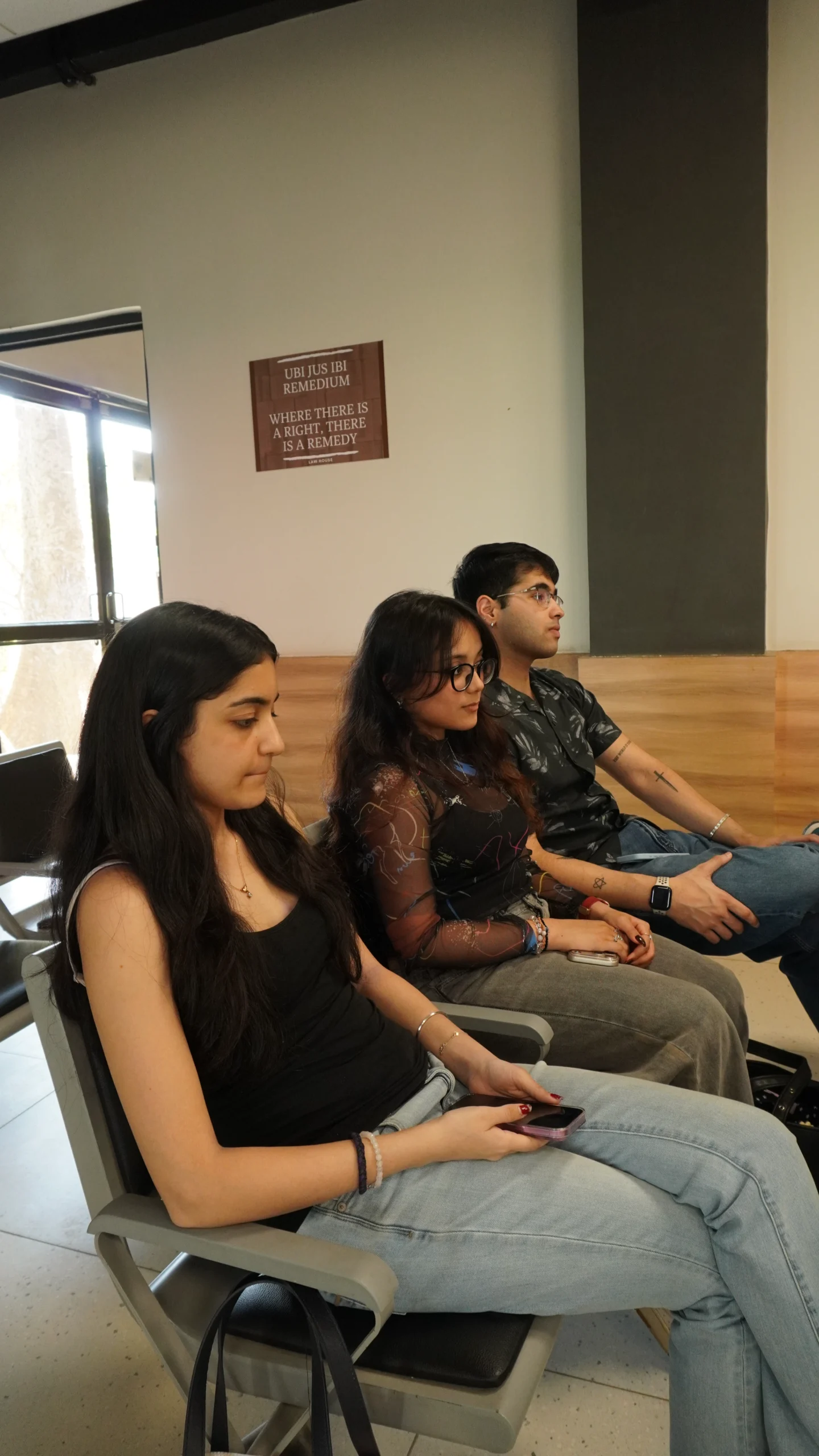
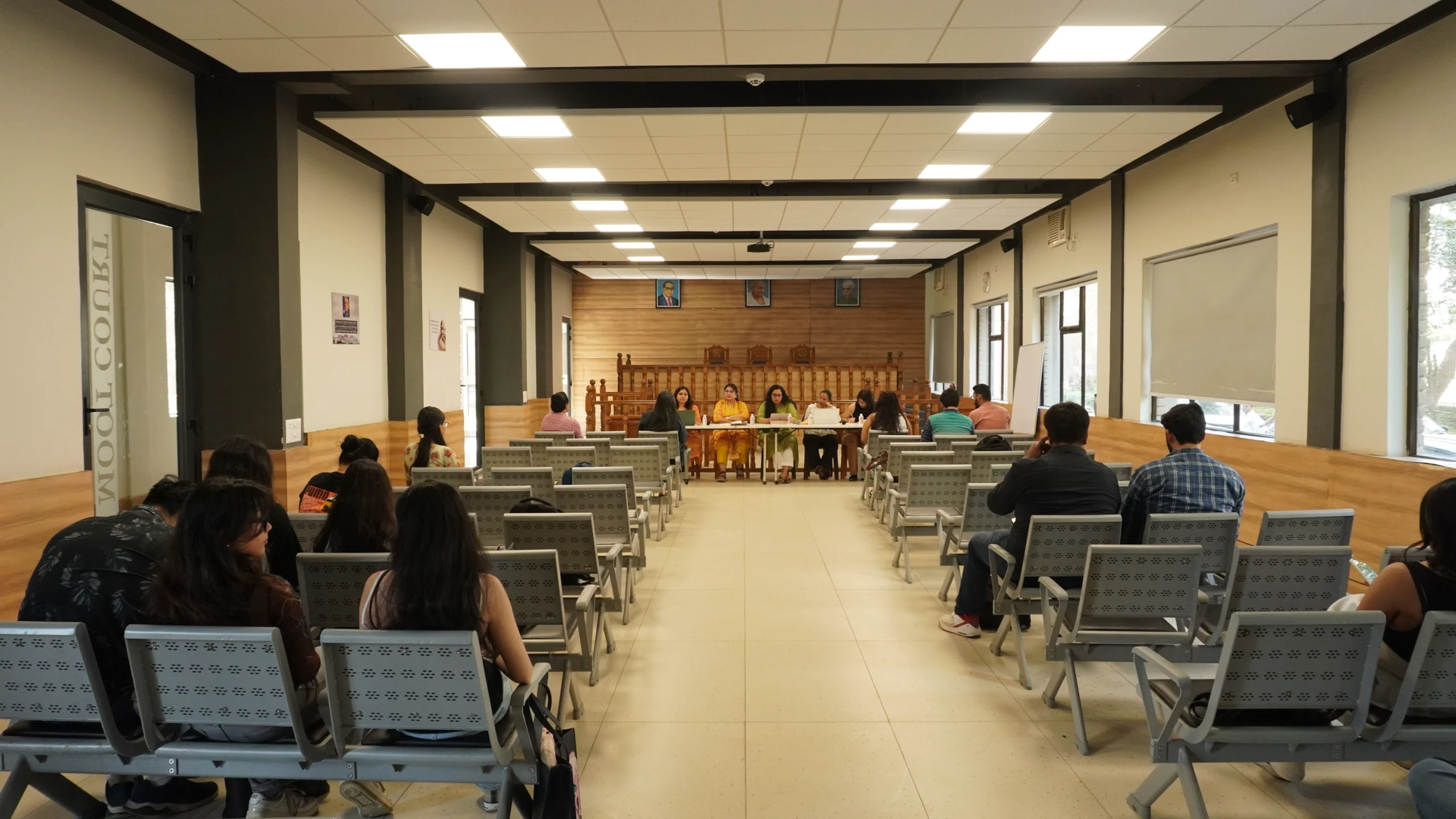
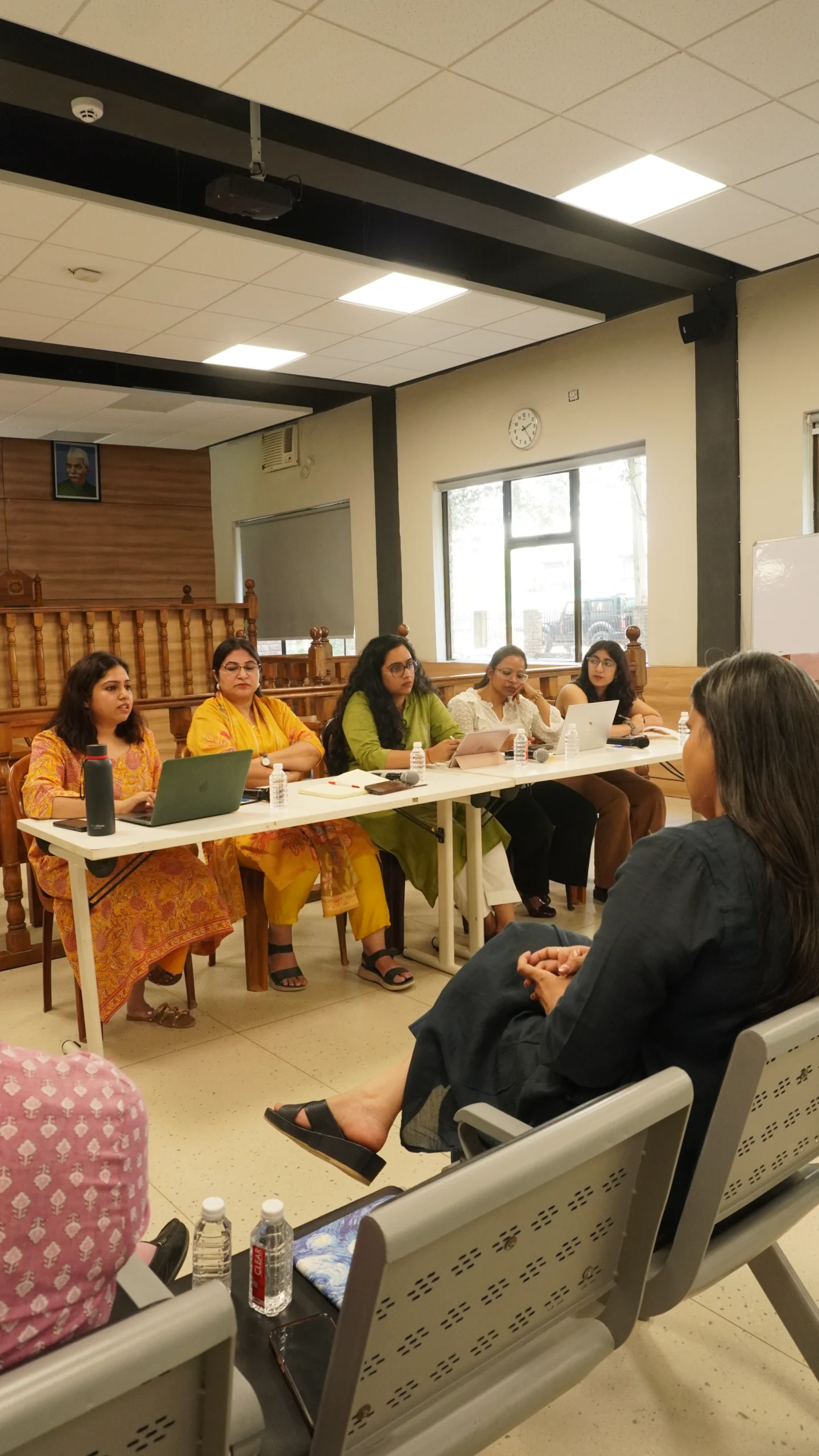
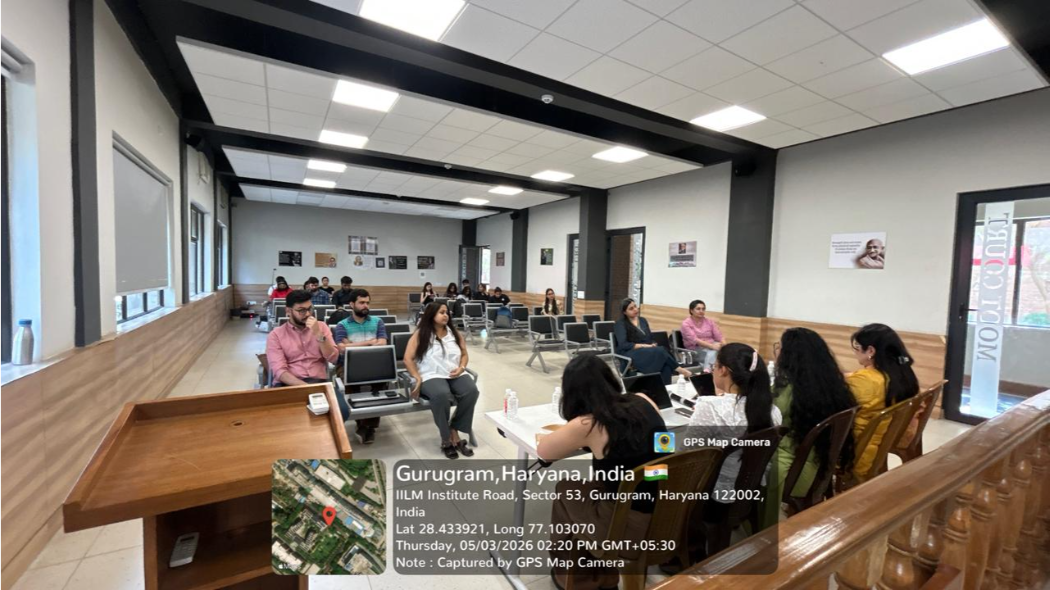
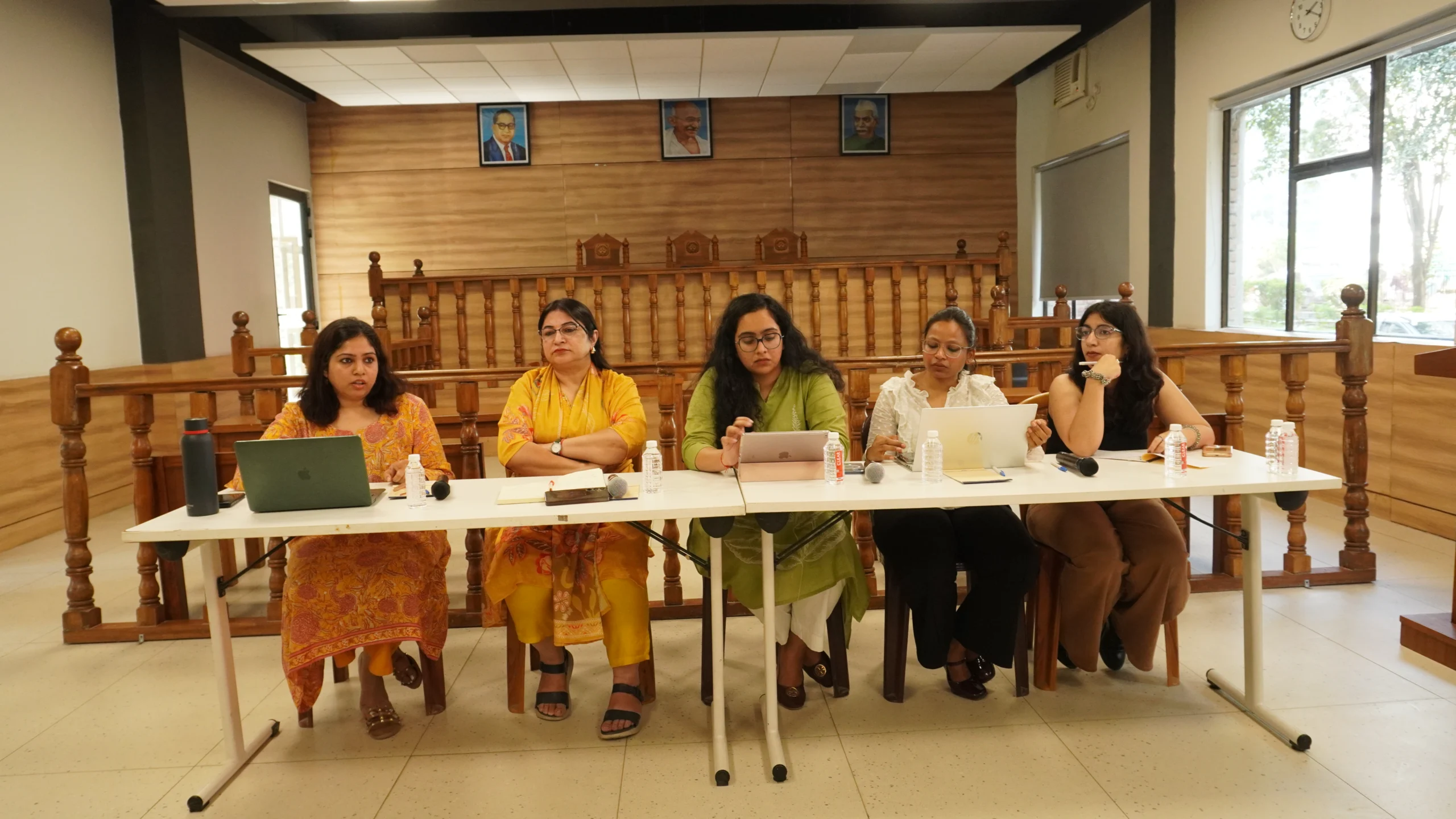
The panel discussion on “Gender Budgeting and Union Budget 2026: Promise, Practice, and Accountability,” held on 5th March 2026 in the Moot Court Hall, IILM University, Gurugram, was organised in the context of the Union Budget 2026–27 to examine the evolving framework of gender-responsive budgeting in India — a governance tool designed to assess the differential impact of public expenditure on women and men rather than to create a separate budget for women.
The moderator, Ms. Bhavya Gupta, contextualised gender budgeting as originating in India from 2005–06 when the Government of India first introduced the Gender Budget Statement as part of the Union Budget, and highlighted that the gender budget allocation in the Union Budget 2026–27 had grown to ₹5.01 lakh crore, representing 9.37% of the Union Budget, classified into Part A (100% women-specific schemes), Part B (30–99% women beneficiaries), and Part C (less than 30% women beneficiaries).
The legal and institutional dimension of the discussion, presented by Ruchi Gupta (LL.M.), analysed the constitutional foundations of gender-responsive policymaking — particularly Articles 14, 15(3), and 39 of the Constitution of India — and highlighted institutional mechanisms such as Gender Budget Cells within ministries, whilst raising the need for stronger statutory frameworks to ensure meaningful accountability in public financial management.
The monitoring and accountability segment, delivered by Mahima Saraswat (LL.M.), emphasised the critical challenge of bridging the gap between budgetary allocations, actual expenditure, and measurable social outcomes — arguing for sex-disaggregated data, transparent reporting mechanisms, and robust public financial management systems as essential prerequisites for gender-responsive governance.
The panel collectively underscored the need to move beyond symbolic budgetary commitments towards measurable outcomes and stronger institutional accountability mechanisms, identifying the discussion as part of the School of Law’s commitment to interdisciplinary dialogue at the intersection of law, fiscal policy, and gender equality.
Students gained a comprehensive, multi-perspective understanding of gender-responsive budgeting in India through a structured interdisciplinary panel that integrated economic, constitutional, institutional, accountability, and youth-focused viewpoints — providing a holistic analytical framework applicable to both legal scholarship and public policy engagement.
Through Ms. Bhavya Gupta’s opening remarks, students understood that gender budgeting is a sophisticated analytical governance tool rather than a separate women’s budget — a conceptual clarification of direct relevance to their understanding of public finance law, constitutional equality provisions, and social justice frameworks.
The constitutional analysis presented by Ruchi Gupta (LL.M.) enriched students’ understanding of Articles 14, 15(3), and 39 as active legal instruments informing public financial governance — demonstrating how constitutional principles translate into policy mechanisms such as Gender Budget Cells and statutory oversight frameworks.
The monitoring and accountability discussion led by Mahima Saraswat (LL.M.) equipped students with a critical understanding of the gap between policy allocation and actual outcome delivery, introducing them to concepts of sex-disaggregated data, public financial management, and evidence-based accountability that are directly applicable to legal research and public interest advocacy.
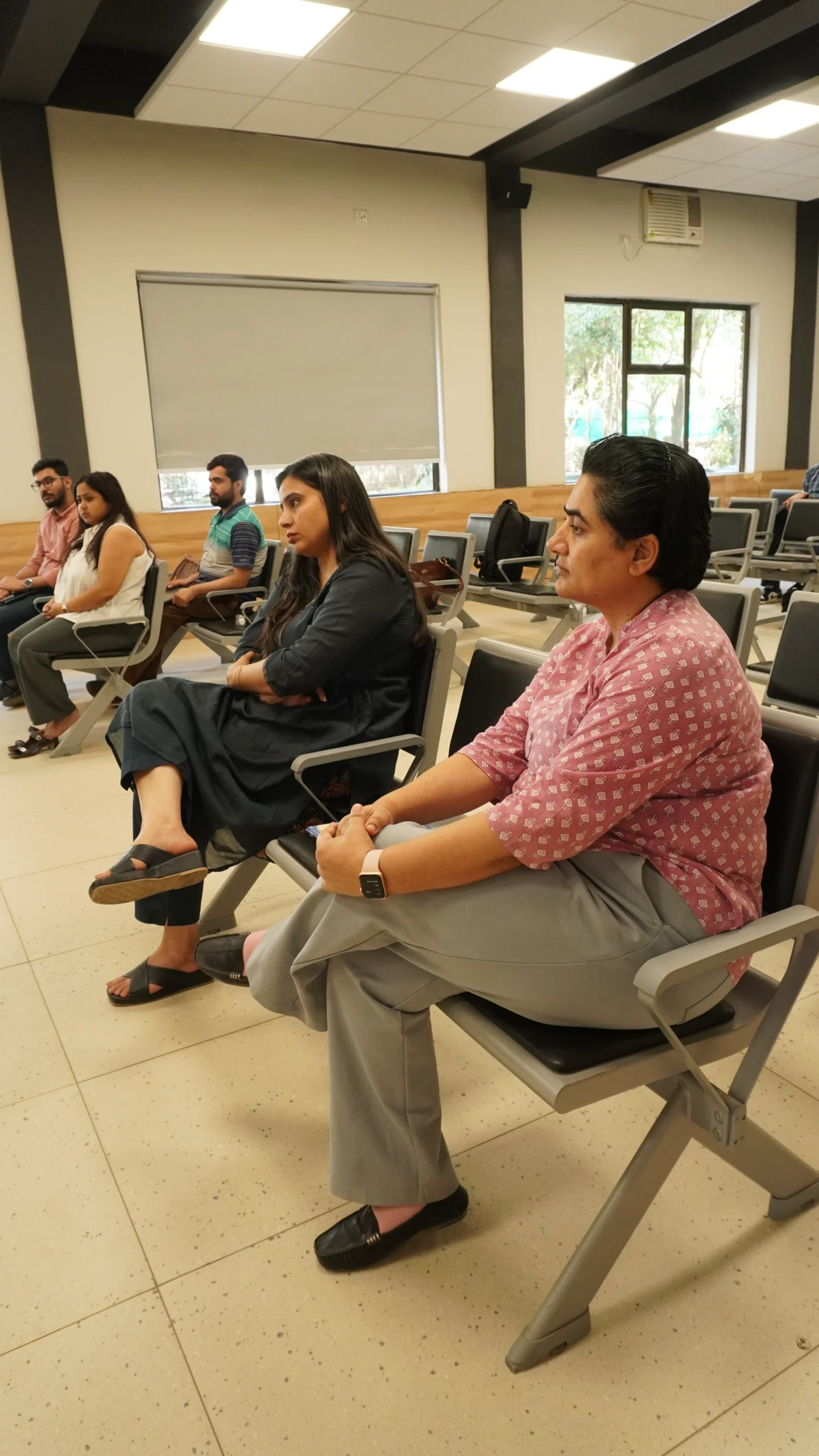
The youth perspective presented by Ananya Verma (B.A. LL.B. (H)) and the interactive Q&A session — involving active contributions from faculty including Dr. Aratrika Deb, Mr. Jainendra Sharma, Dr. Archna, and Dr. Sujata Bali — enabled students to connect abstract policy discussions to lived social realities and to appreciate their own potential role in strengthening public accountability, thereby reinforcing the practical and civic dimensions of legal education.