


Department of Psychology, IILM University, Gurugram
06 March 2026, Friday
06 March 2026, Friday
11:00 AM
01:00 PM
IILM University, Gurugram
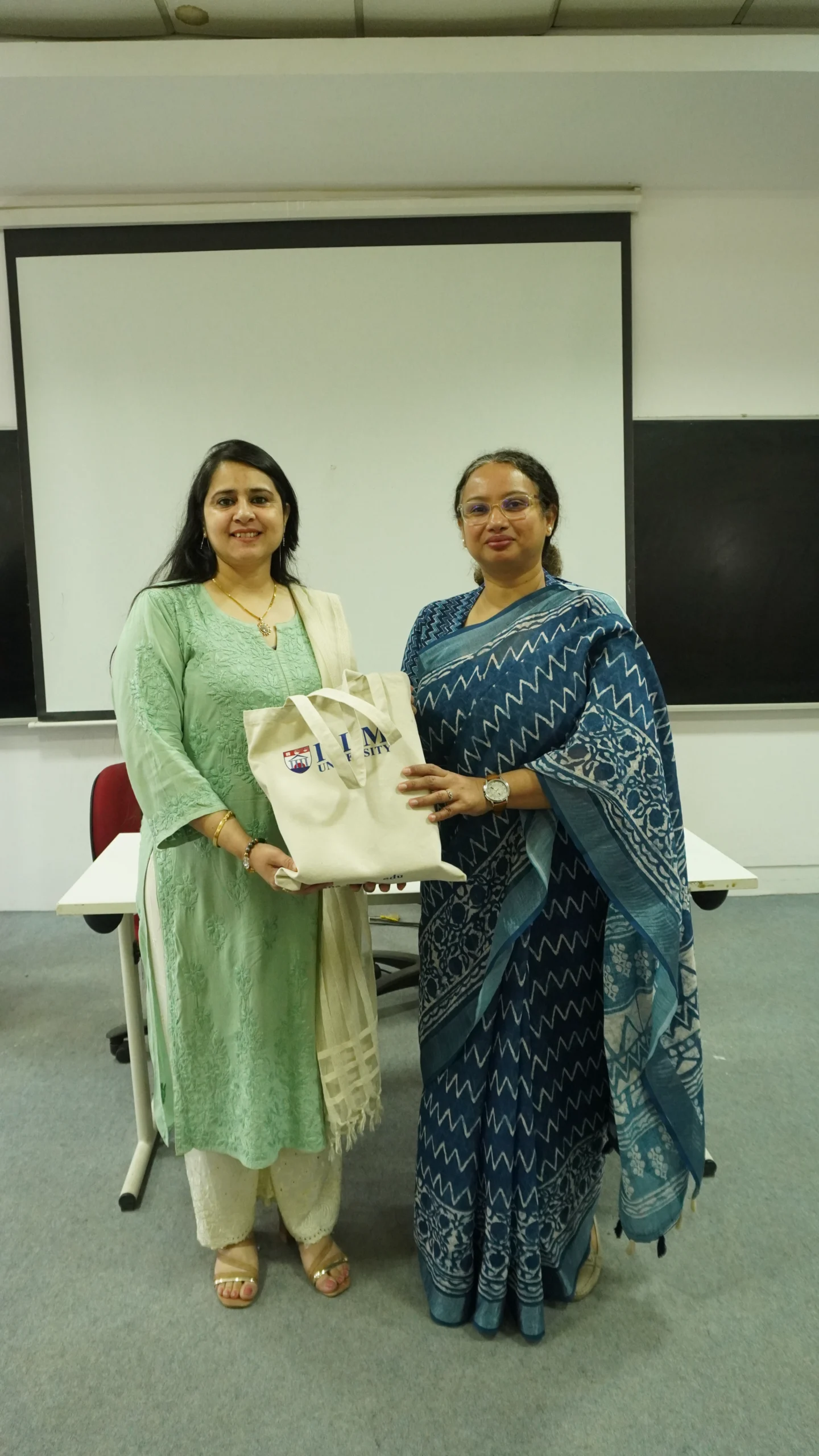
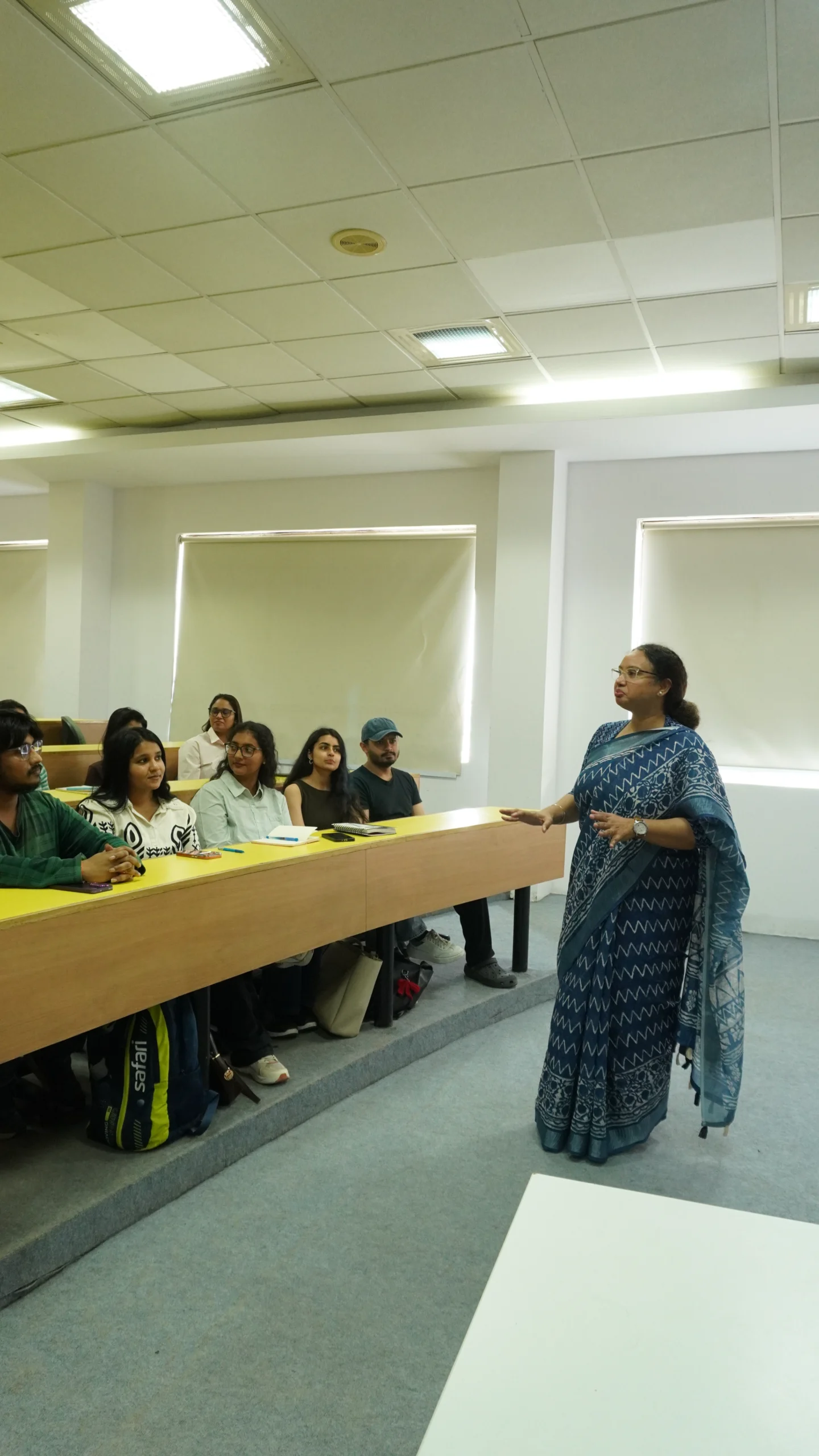
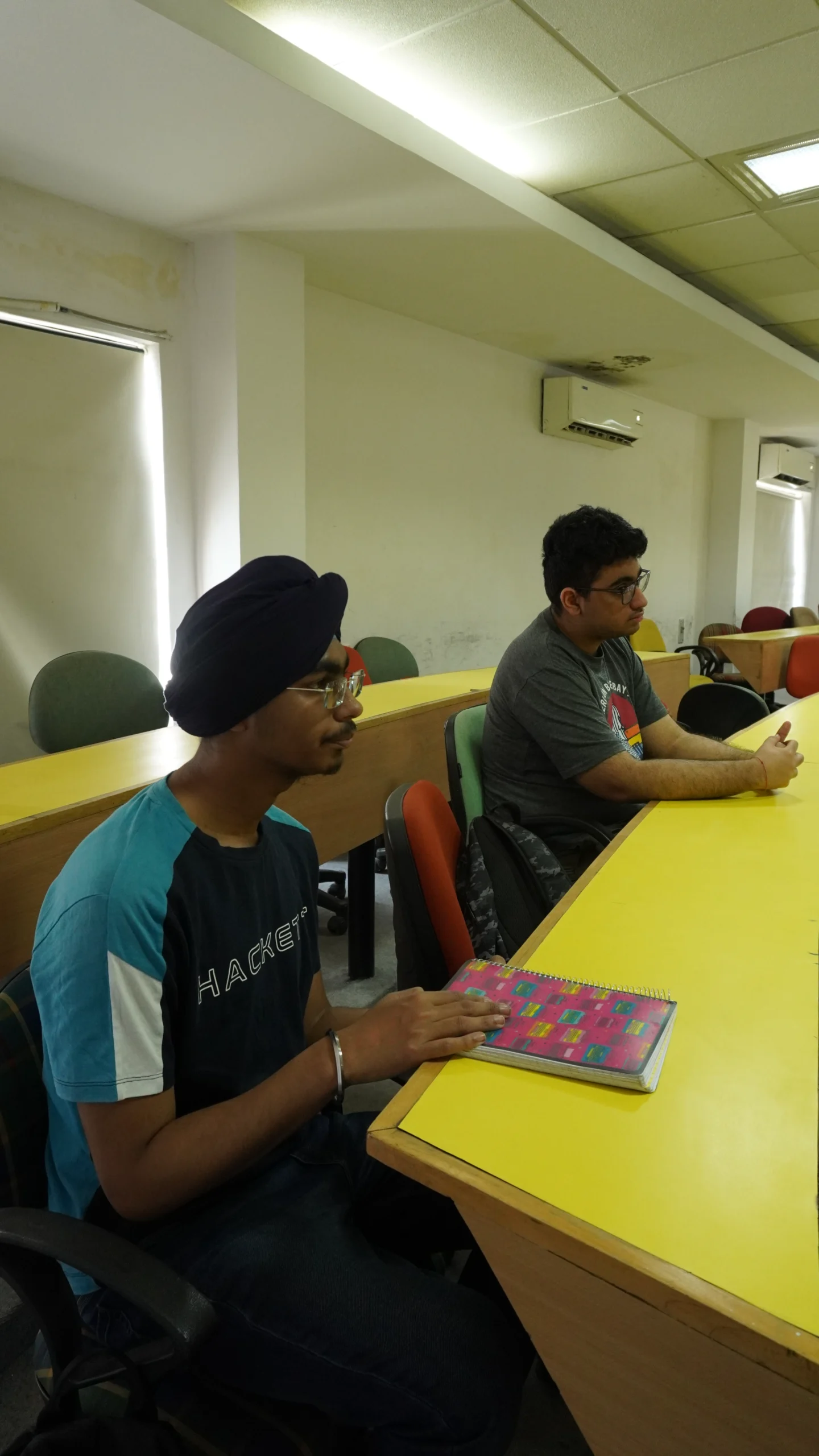
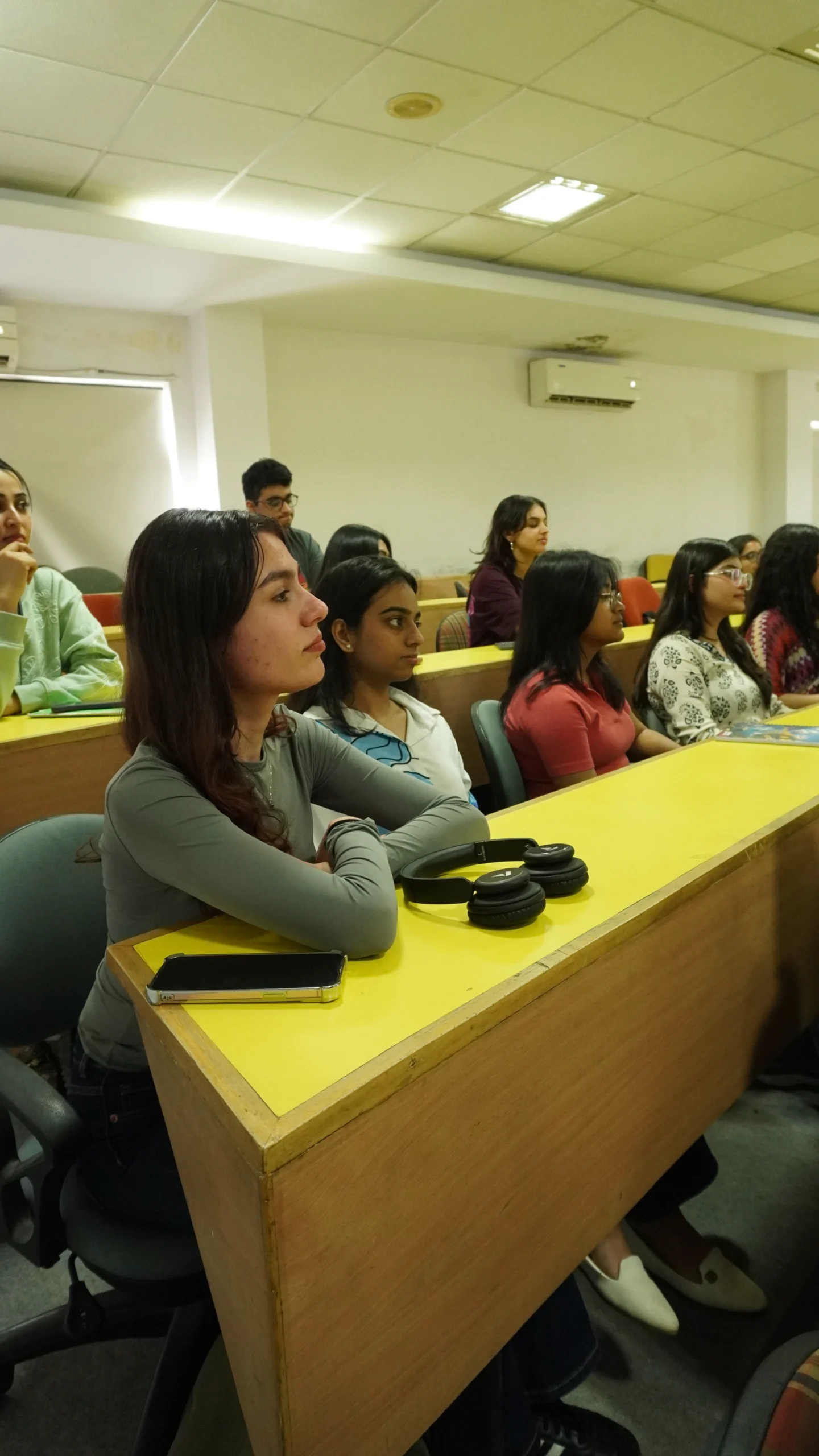
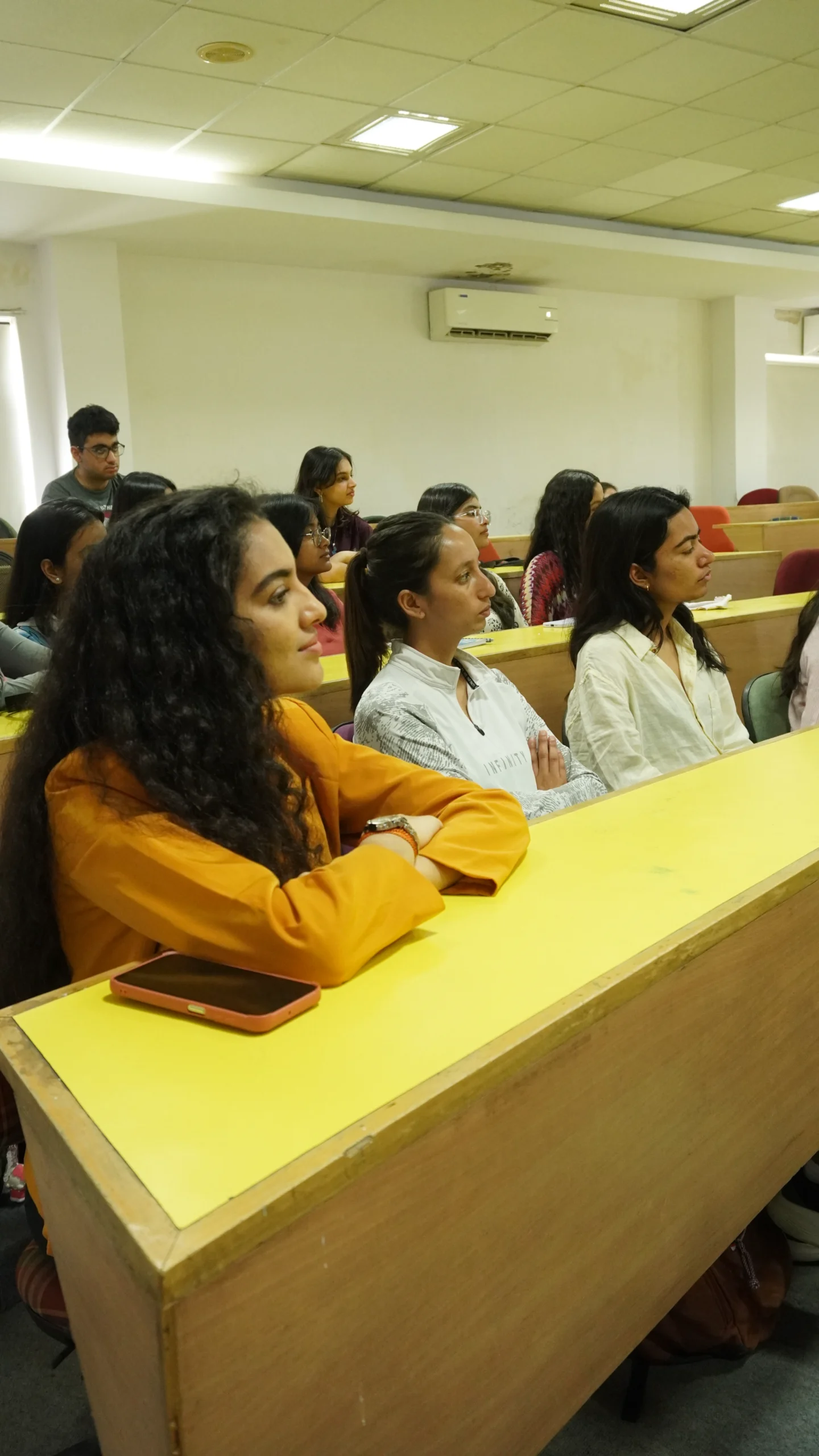
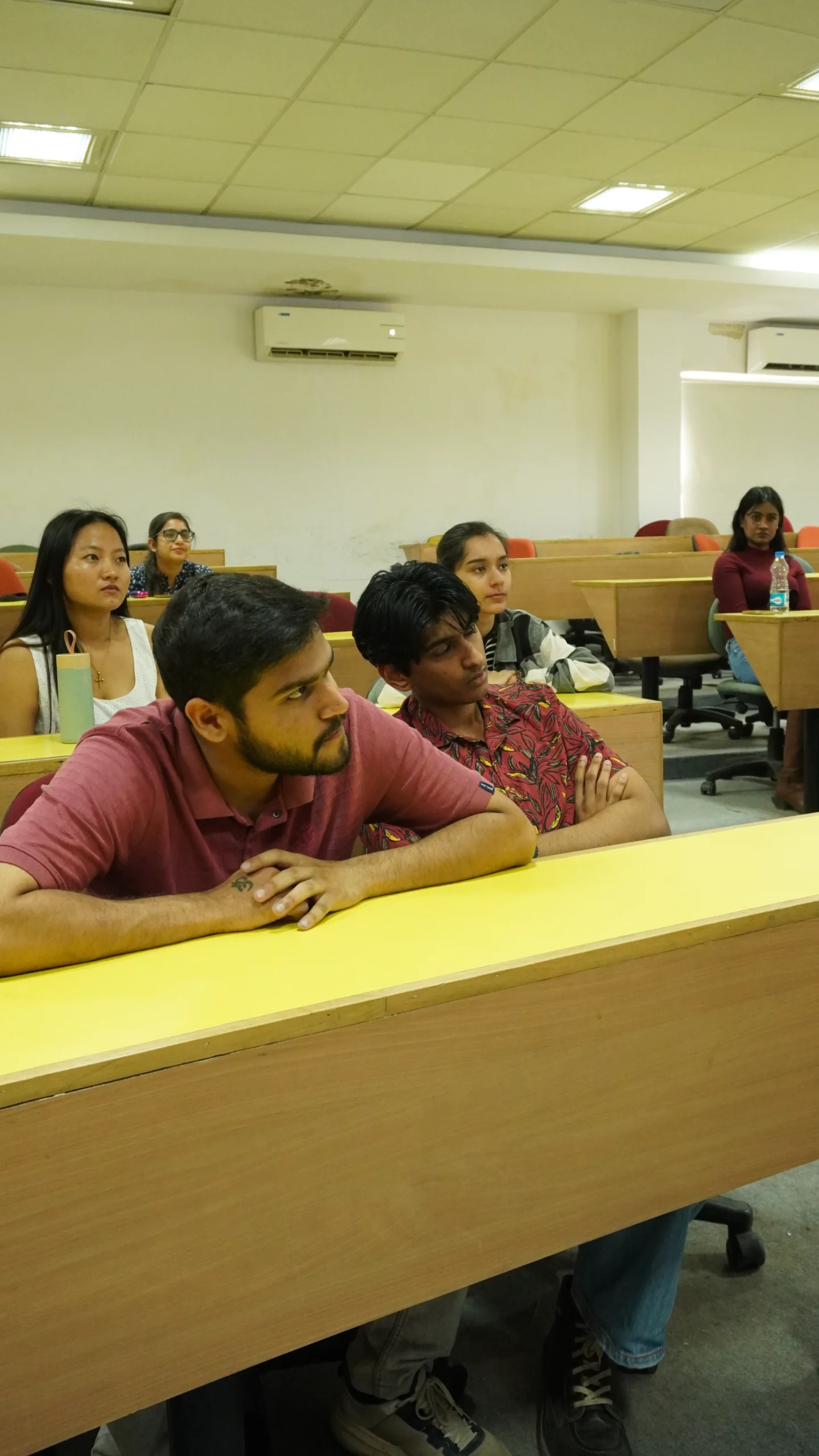
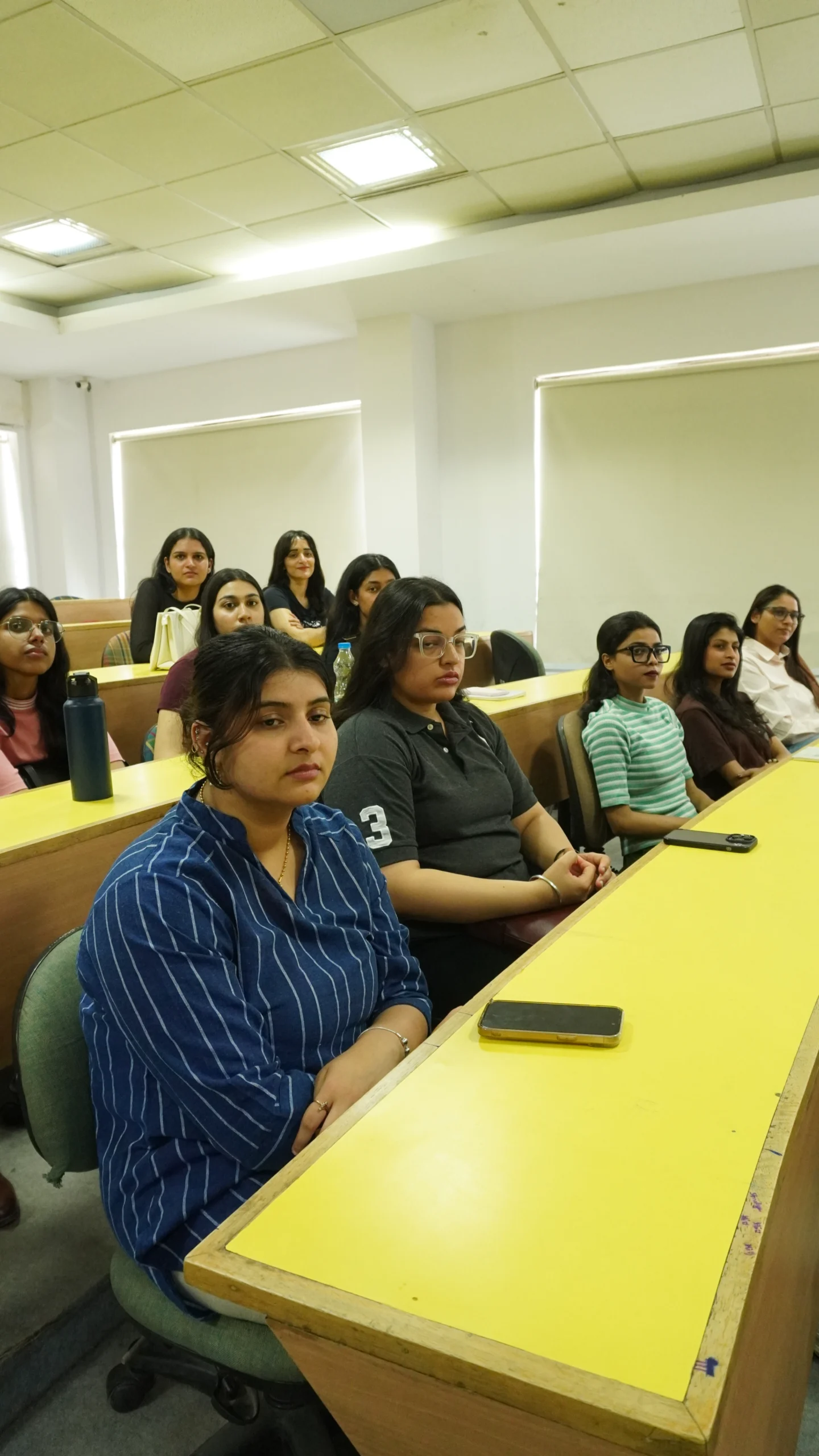
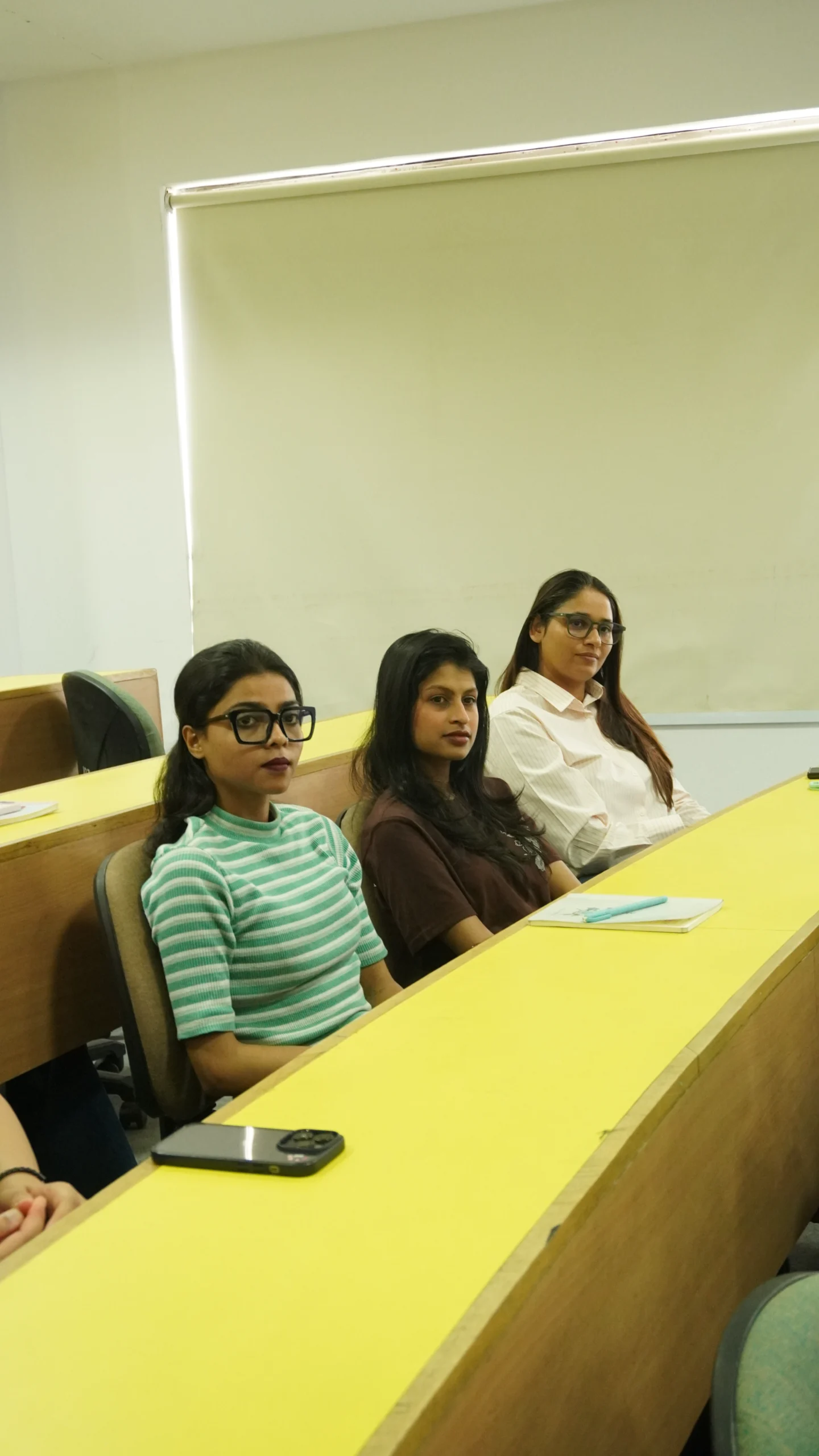
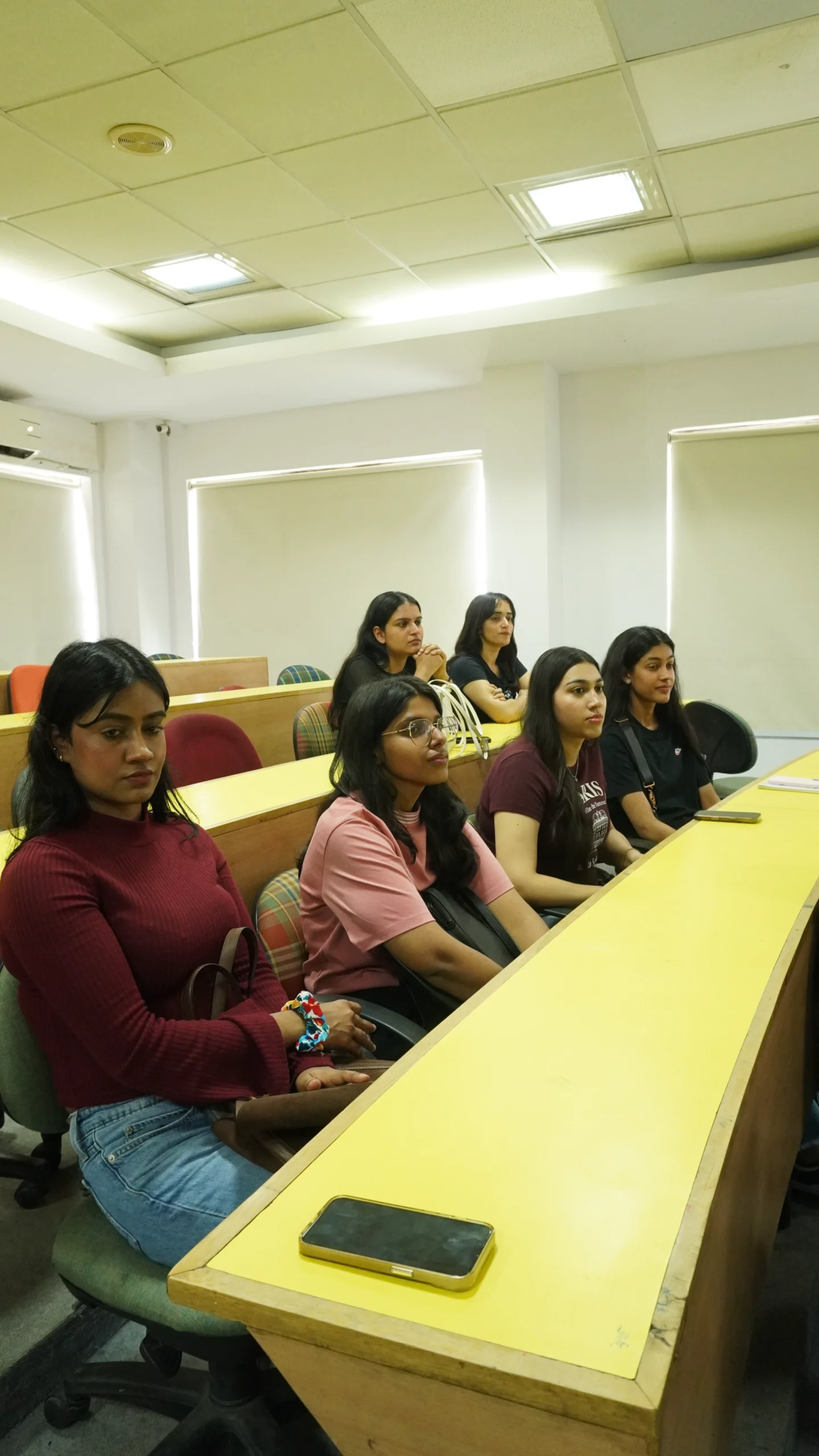
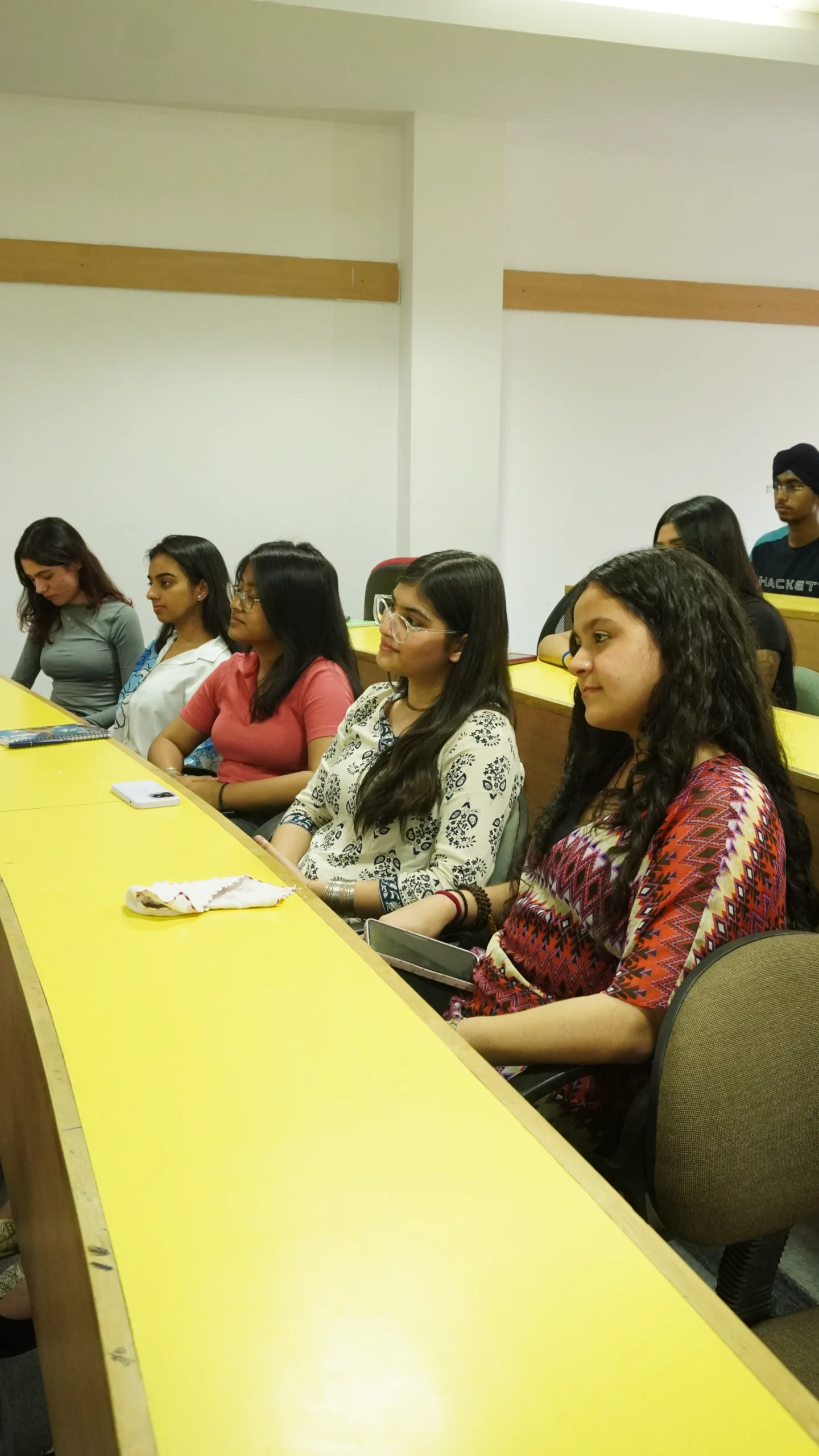
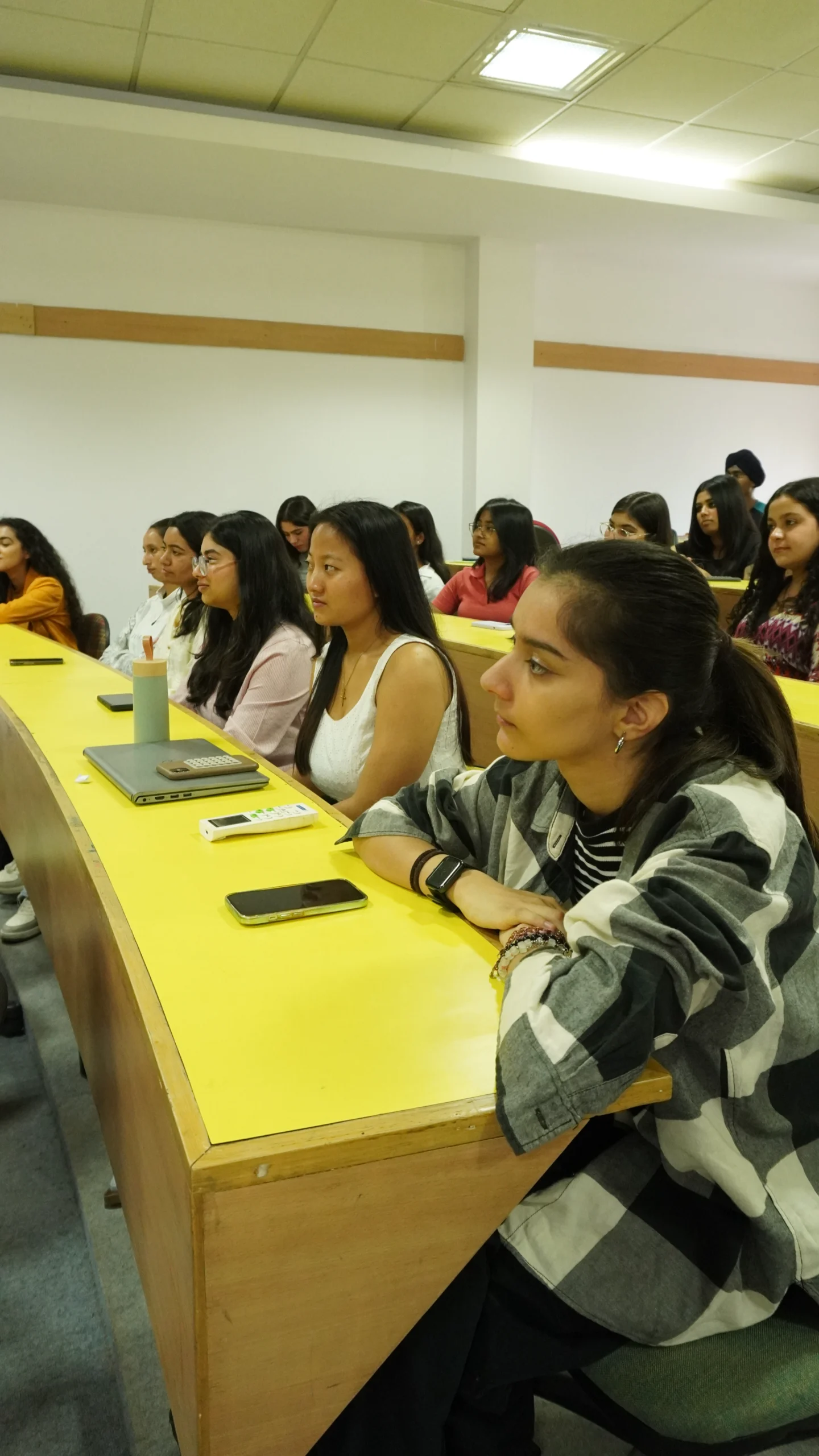
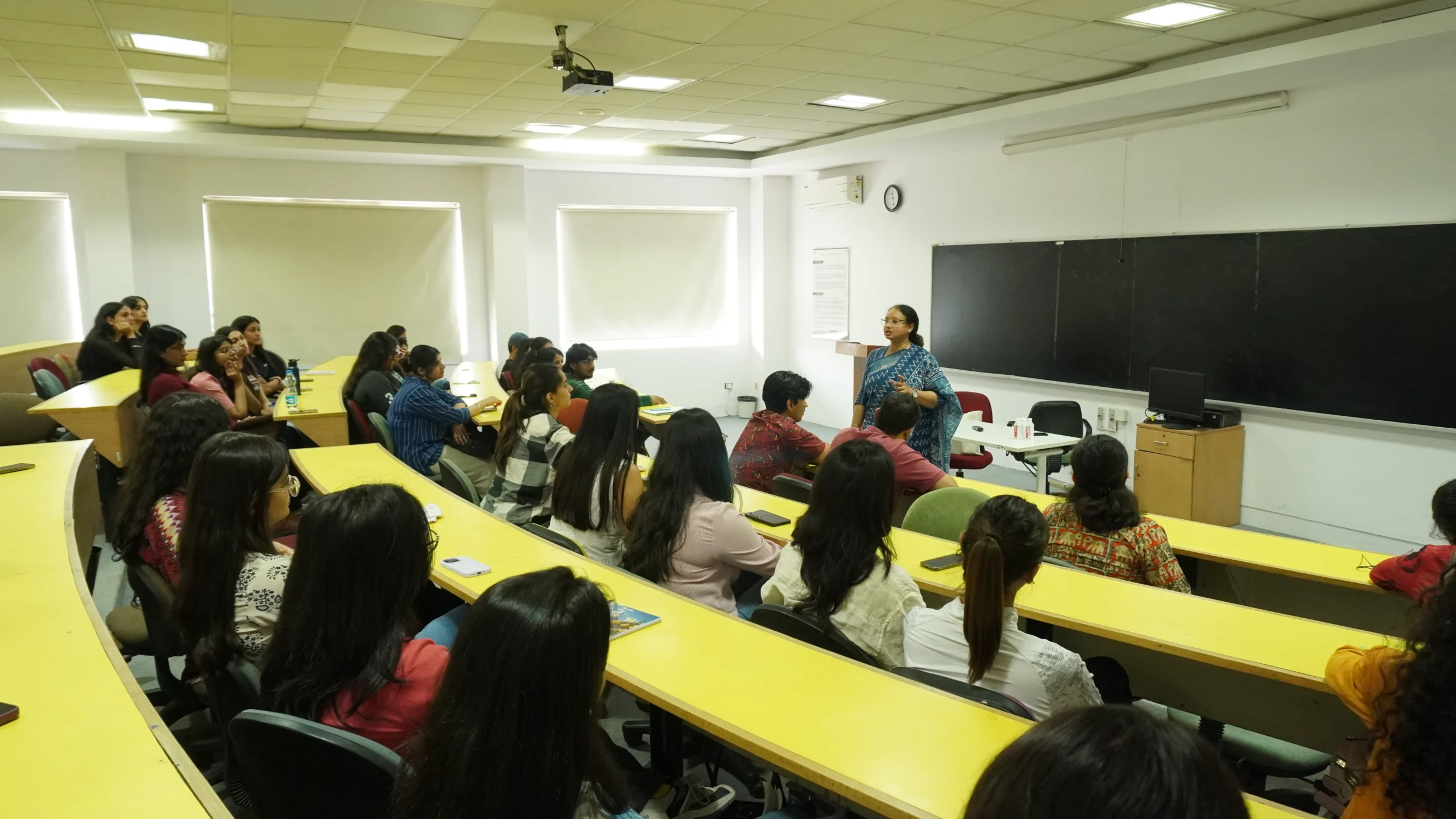
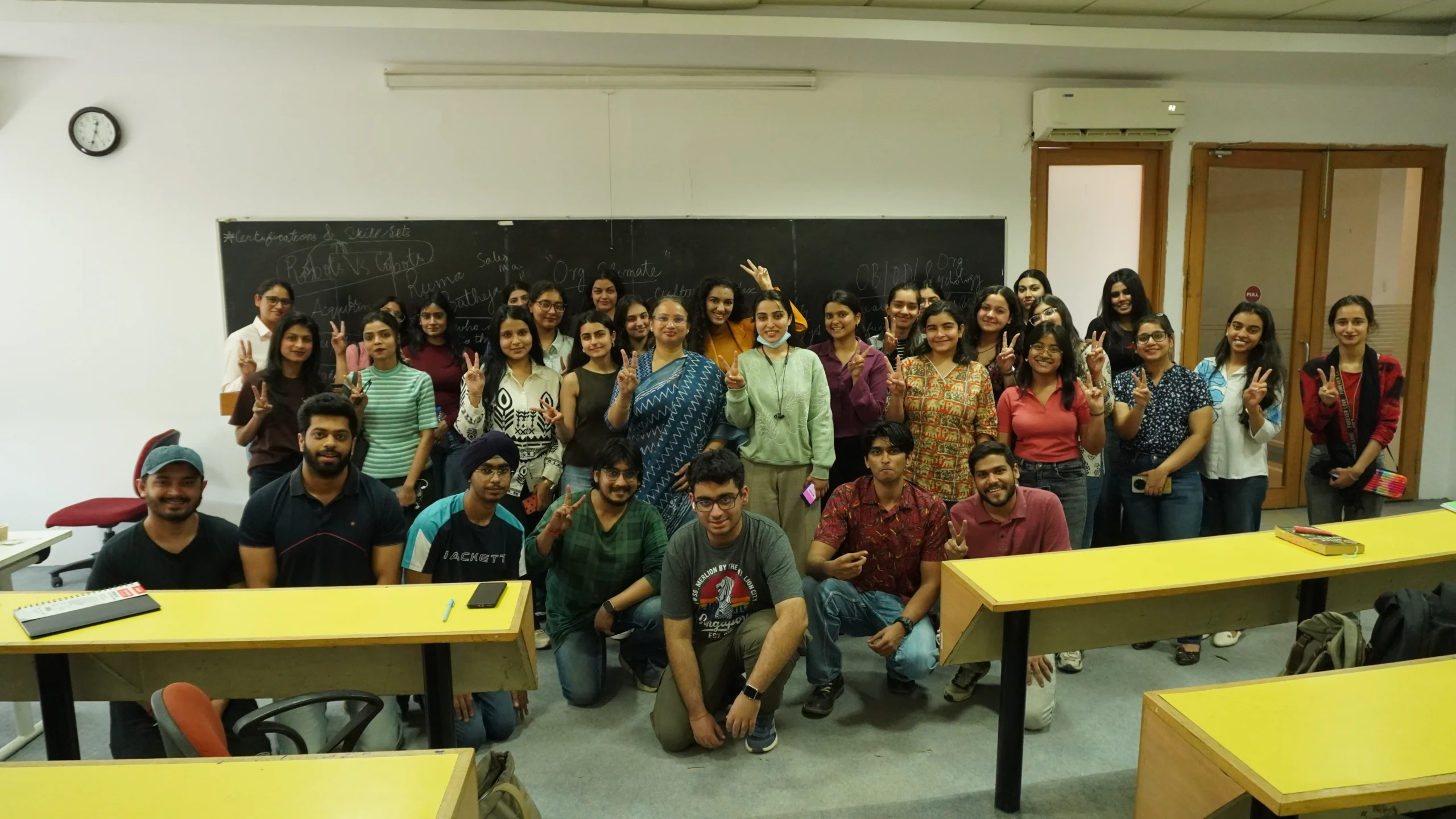
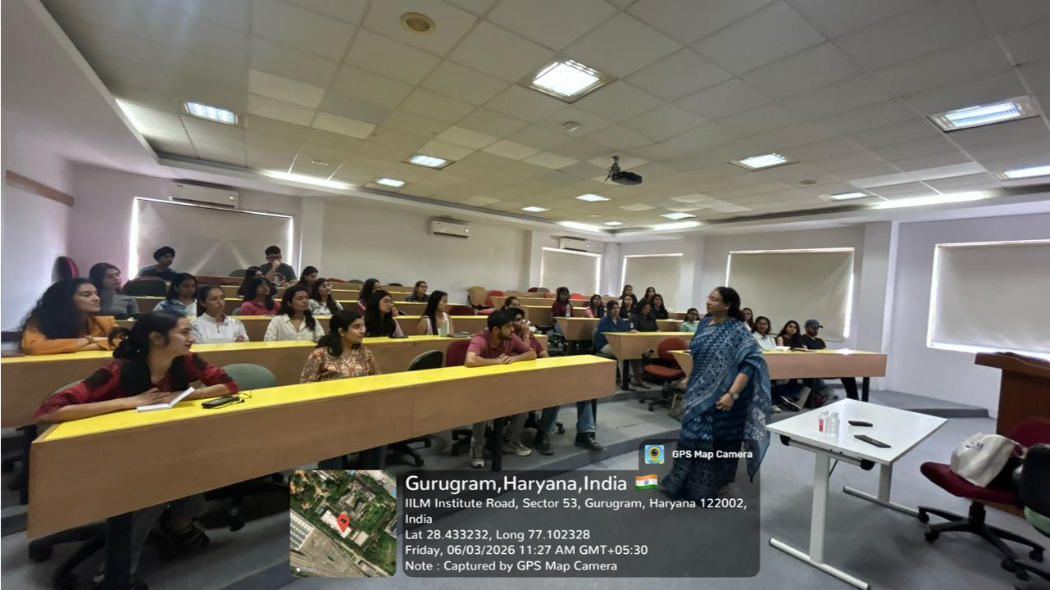
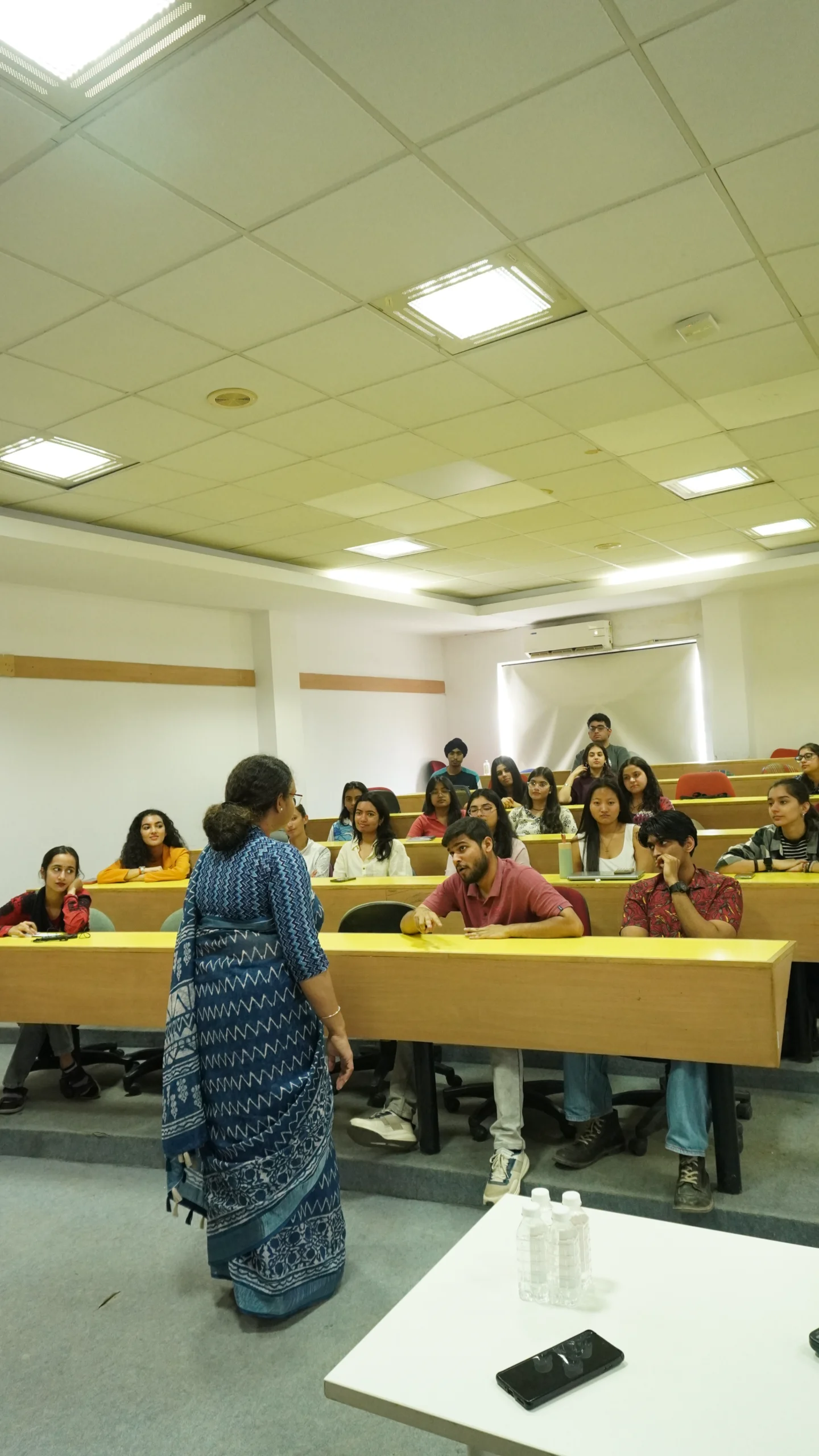
he guest lecture was organised by the Department of Psychology for MA Psychology students at IILM University, Gurugram on 6 March 2026, and was specifically designed to help students understand how the theoretical concepts of organisational behaviour and psychology translate into real organisational practices such as decision-making, employee engagement, leadership development, and organisational effectiveness.
Ms. Ruma Batheja, Co-founder of Knowledgetics Research, introduced the VUCA framework (Volatility, Uncertainty, Complexity, Ambiguity) as a conceptual lens for understanding how contemporary organisations operate in rapidly changing environments, and discussed how psychologists help organisations navigate such uncertainty by strengthening emotional intelligence, resilience, and adaptive leadership within their teams.
A significant applied focus of the session was the concept of the ACDC (Assessment and Competency Development Centre), which Ms. Batheja introduced as a methodology through which competency-based assessments help organisations identify leadership strengths, evaluate employee potential, and enhance team effectiveness — illustrating a direct and structured application of psychological tools in corporate HR settings.
The session examined the organisational challenges posed by mergers between companies led by leaders from different cultural backgrounds, with Ms. Batheja highlighting potential communication barriers, leadership differences, and expectation misalignments, and discussing strategies including inclusive leadership, structured dialogue, psychological safety, and clear role definitions as mechanisms for maintaining collaboration during such transitions.
The discussion incorporated the growing role of Artificial Intelligence and technological tools in organisational processes and HR practices, prompting students to engage critically with the future intersection of psychology and technology, and reinforcing the continuing relevance of psychological expertise in environments increasingly shaped by digital transformation.
MA Psychology students gained practical insights into the functioning of organisational psychology in corporate environments, developing a contextualised understanding of how psychological principles are applied to address issues such as workplace conflicts, communication challenges, employee stress, and motivation within real organisations.
Through Ms. Batheja’s discussion of the VUCA framework, students developed a conceptual awareness of the volatile and complex nature of contemporary organisational environments, and of the specific psychological competencies — including emotional intelligence, resilience, and adaptive leadership — that enable organisations to function effectively under conditions of uncertainty.
Students were introduced to the ACDC (Assessment and Competency Development Centre) methodology, gaining an understanding of how competency-based assessment tools are used in practice to identify leadership strengths, evaluate employee potential, and enhance team effectiveness within HR functions.
The examination of organisational merger scenarios provided students with applied knowledge of how cultural differences between leadership teams can generate communication barriers and conflict, and introduced evidence-based strategies — including inclusive leadership and psychological safety — for managing such complex human and organisational challenges.
Through an interactive question-and-answer format, students gained clarity regarding career opportunities and essential professional competencies in the field of organisational psychology, including communication skills, analytical thinking, problem-solving, and an understanding of the growing role of Artificial Intelligence in organisational decision-making and HR processes.