


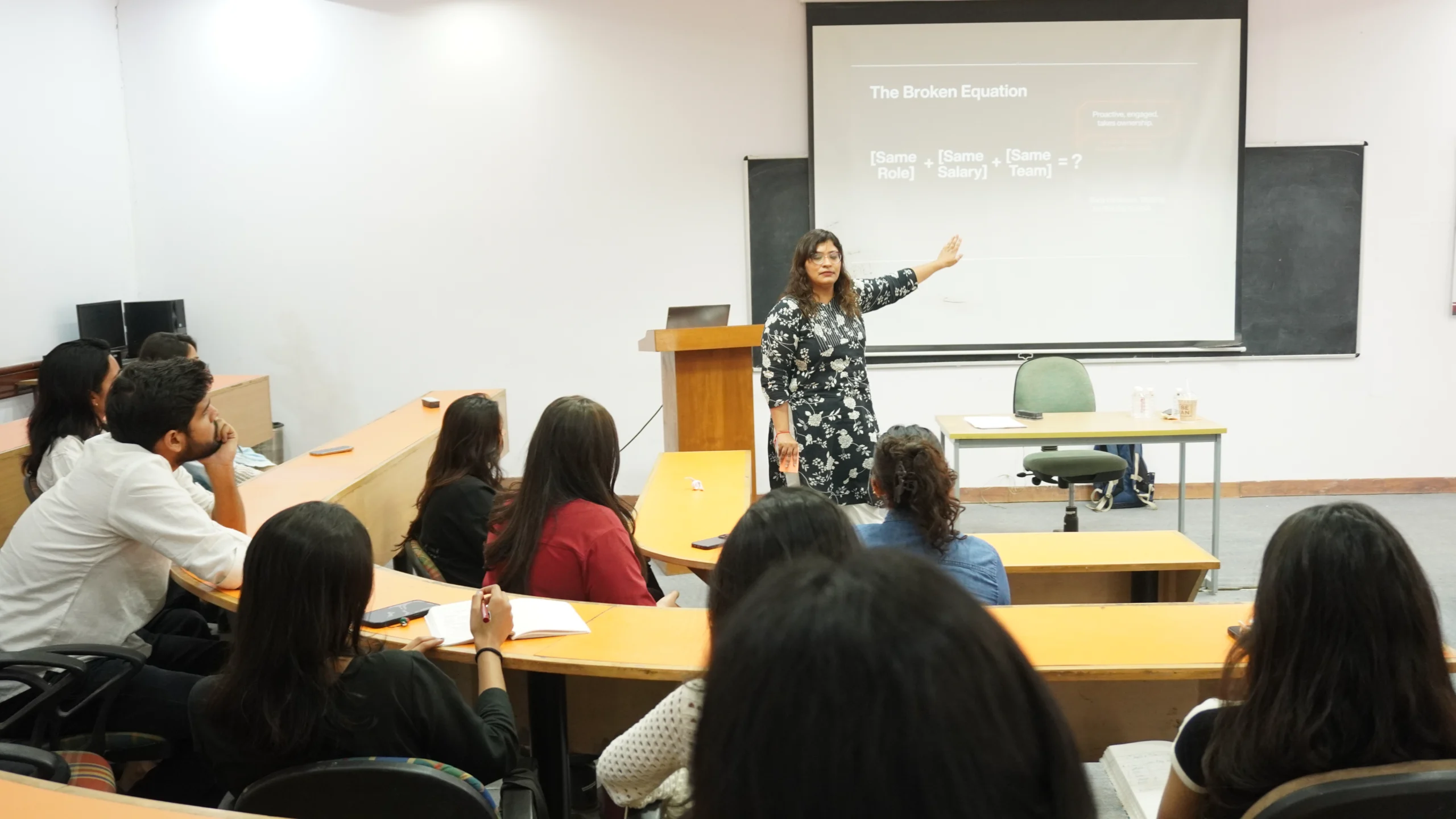
Expert Session – “People at Work: Where Organisational Psychology Meets Real World HR”
27 March 2026, Friday
27 March 2026, Friday
11:00 AM
01:00 PM
Department of Psychology, School of Liberal Arts and Social Sciences (SLASS), IILM University, Gurugram
Department of Psychology, IILM University, Gurugram
Dr. Aanchal Chaudhary (Department of Psychology & MA Coordinator) and Ms. Kritika Jain (Department of Psychology & BA Mentor, 2024 Batch)
IILM University, Gurugram
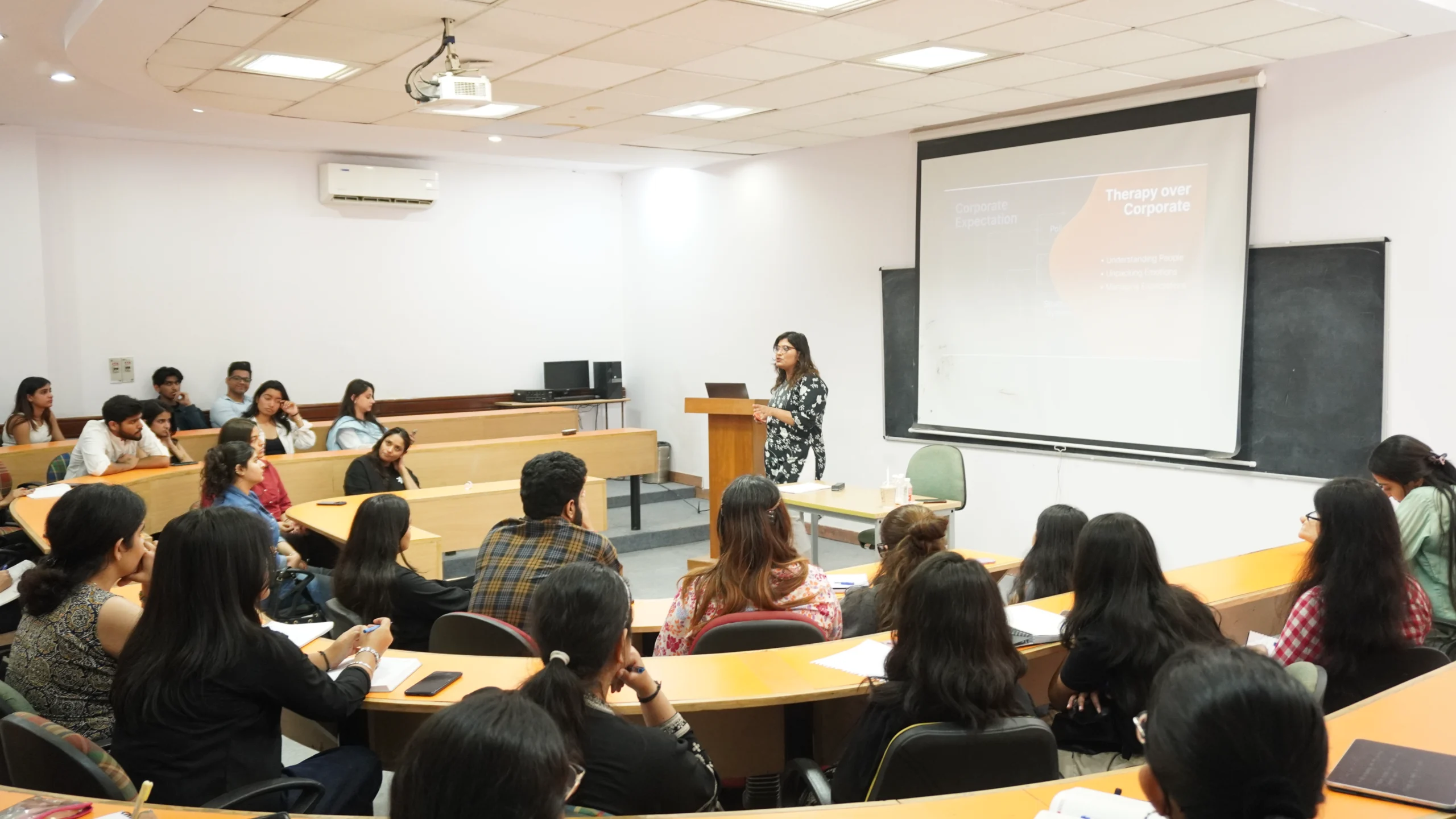
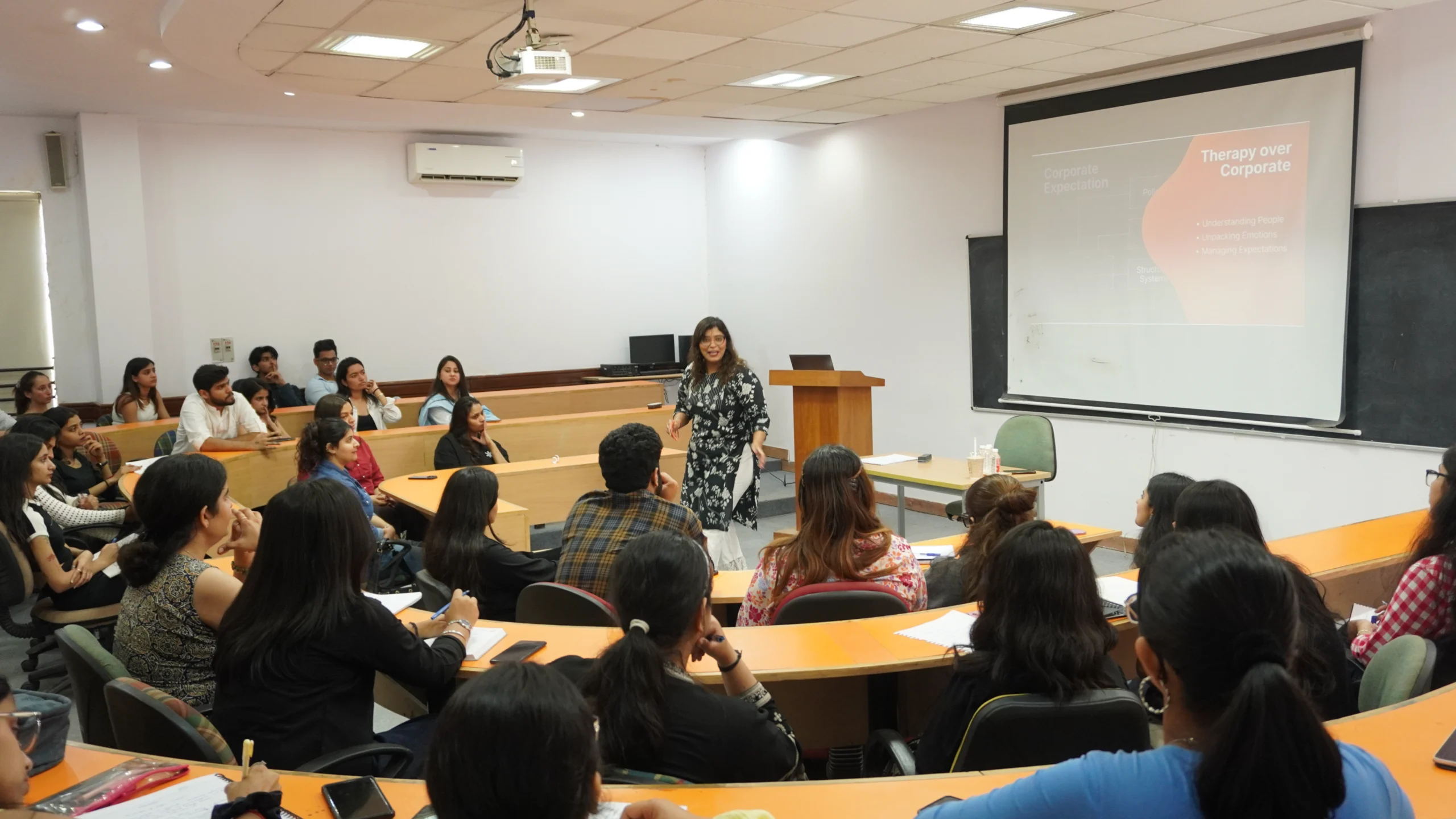
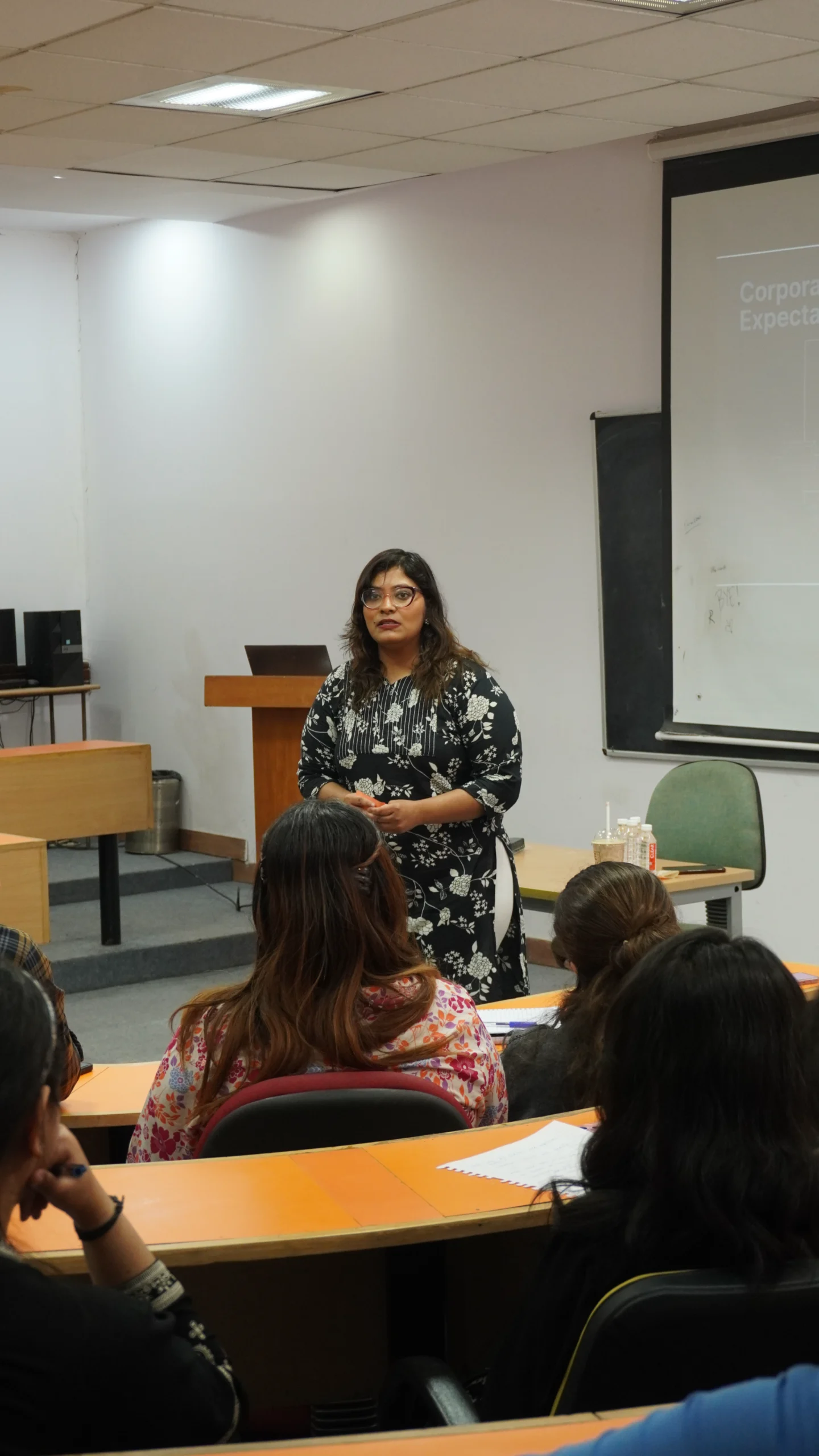
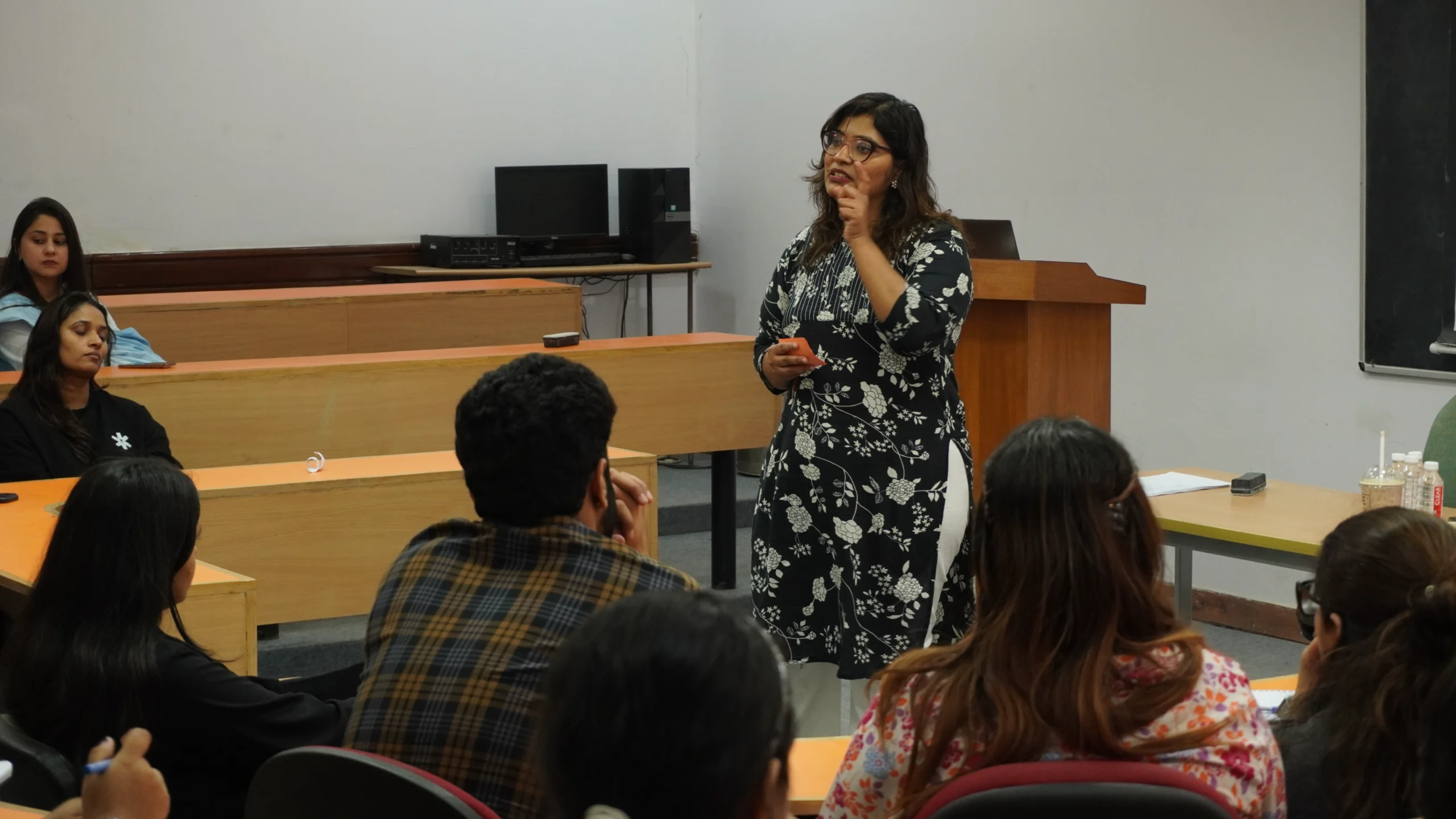
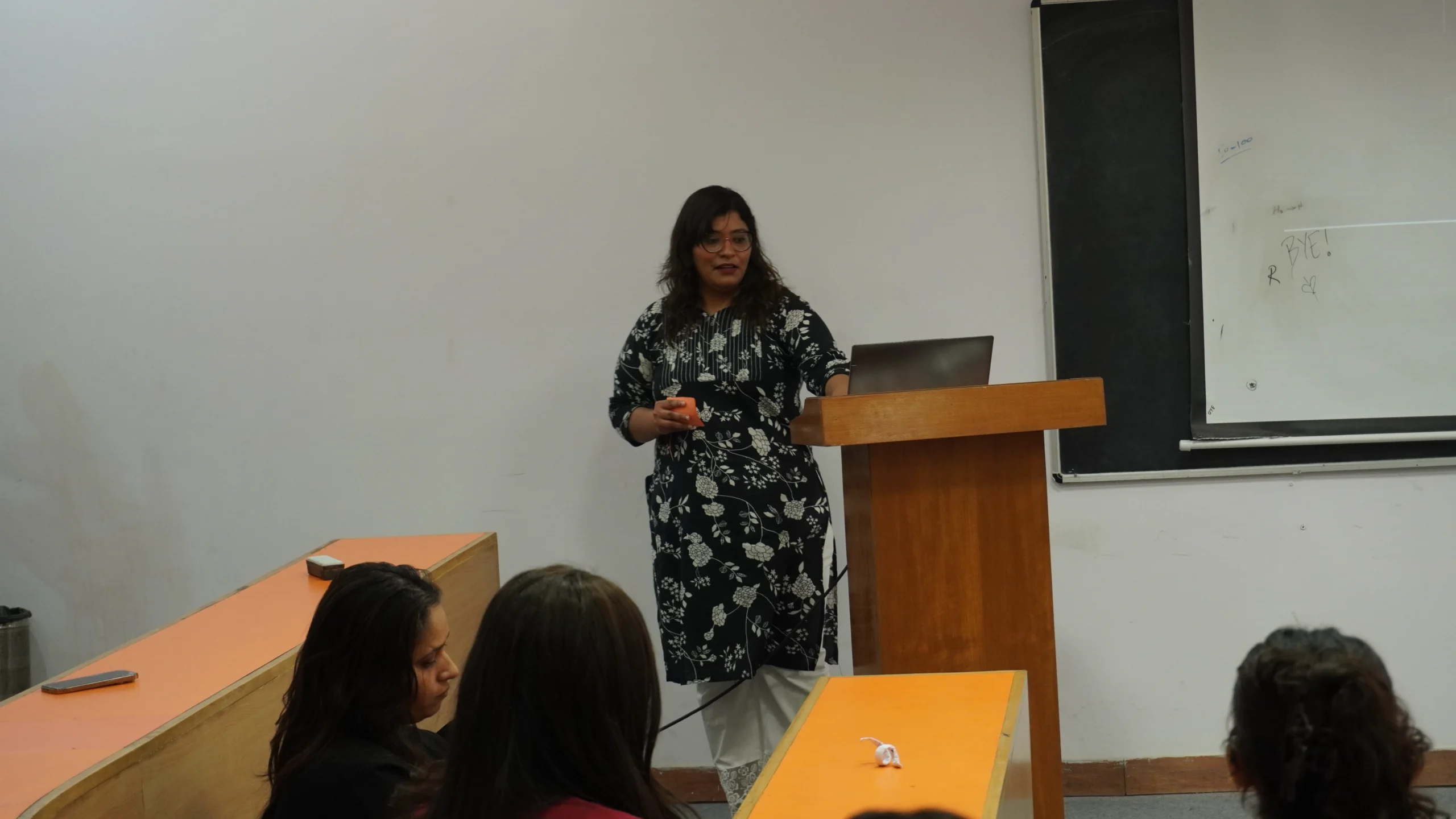
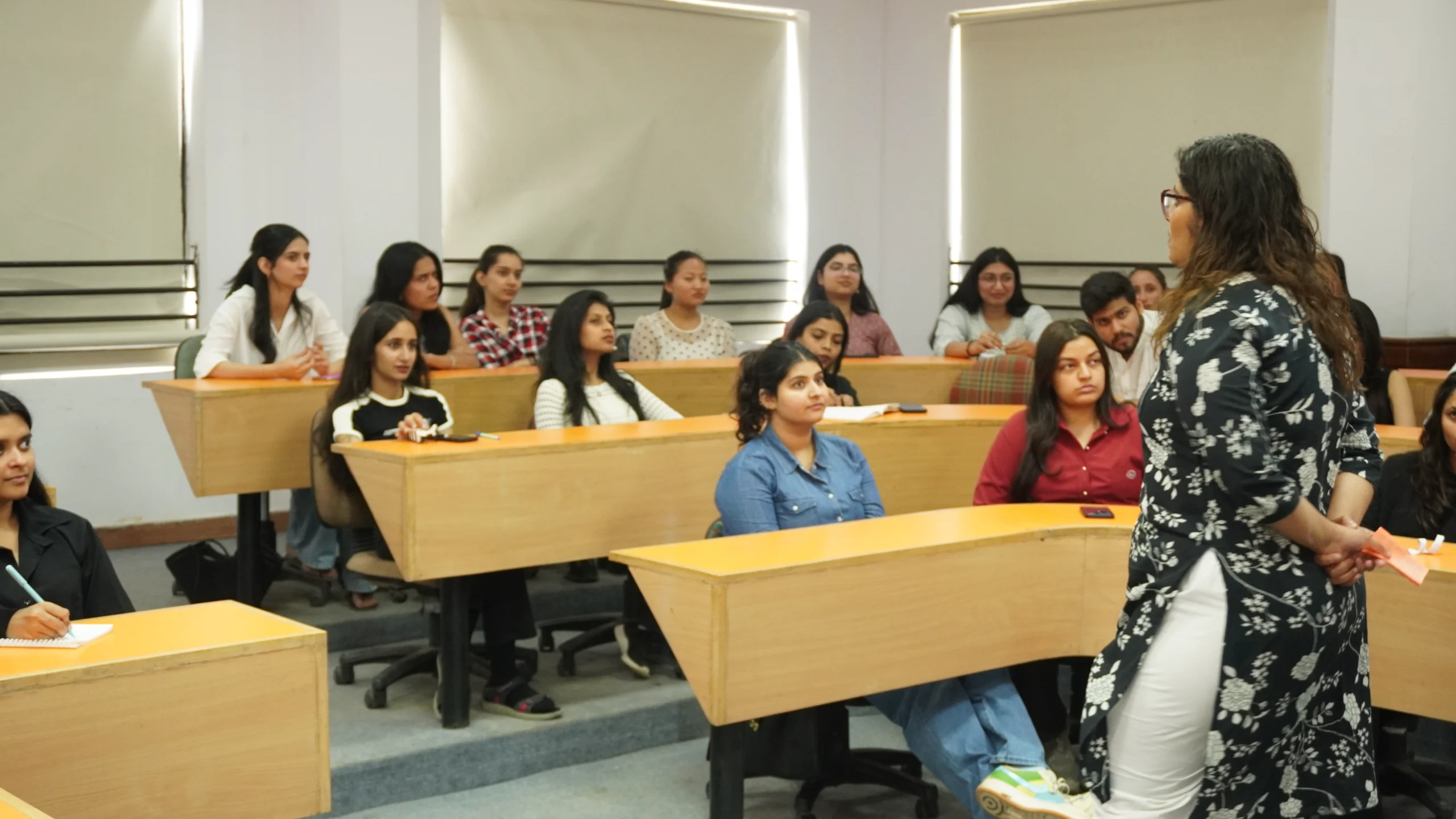
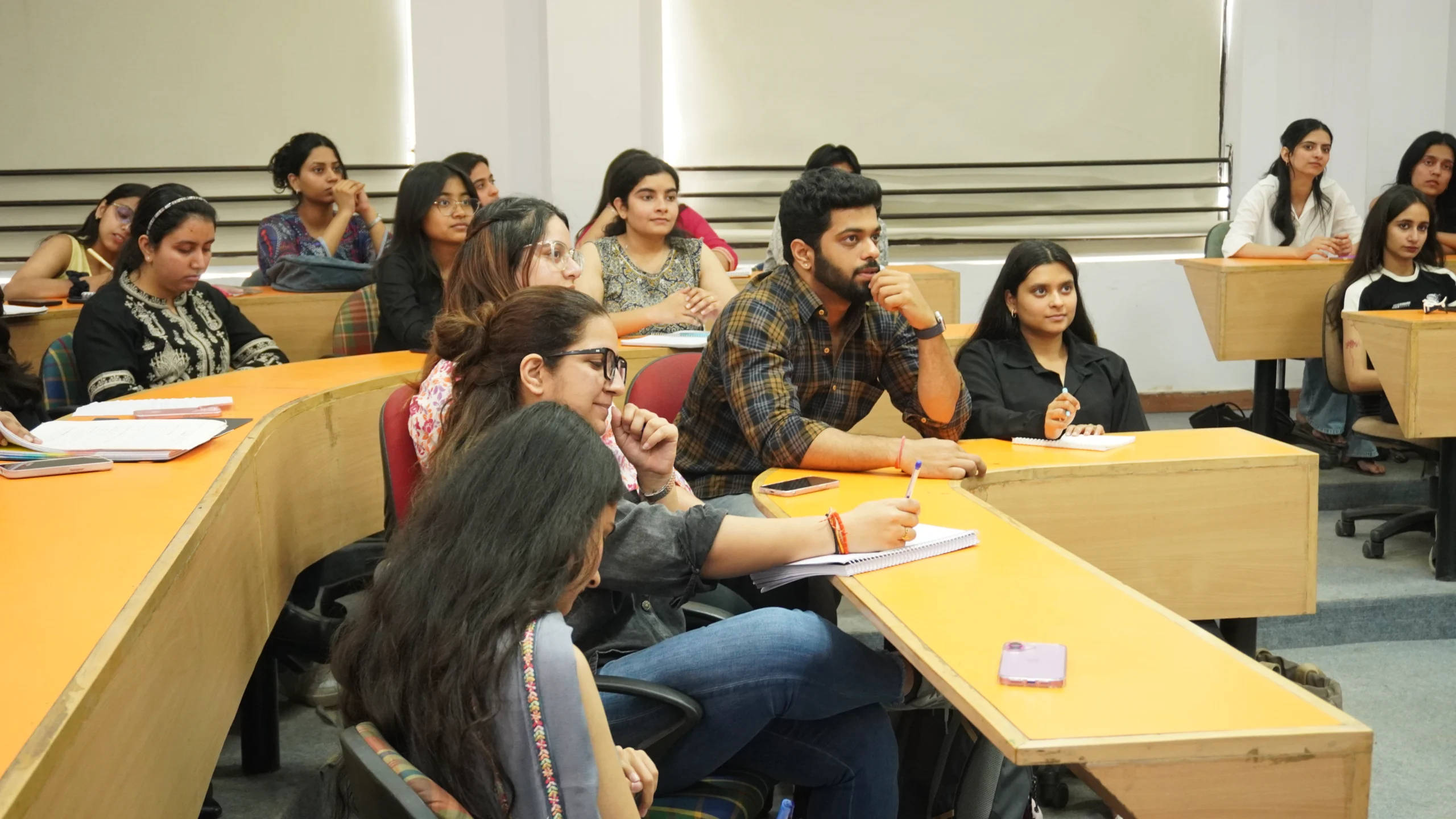
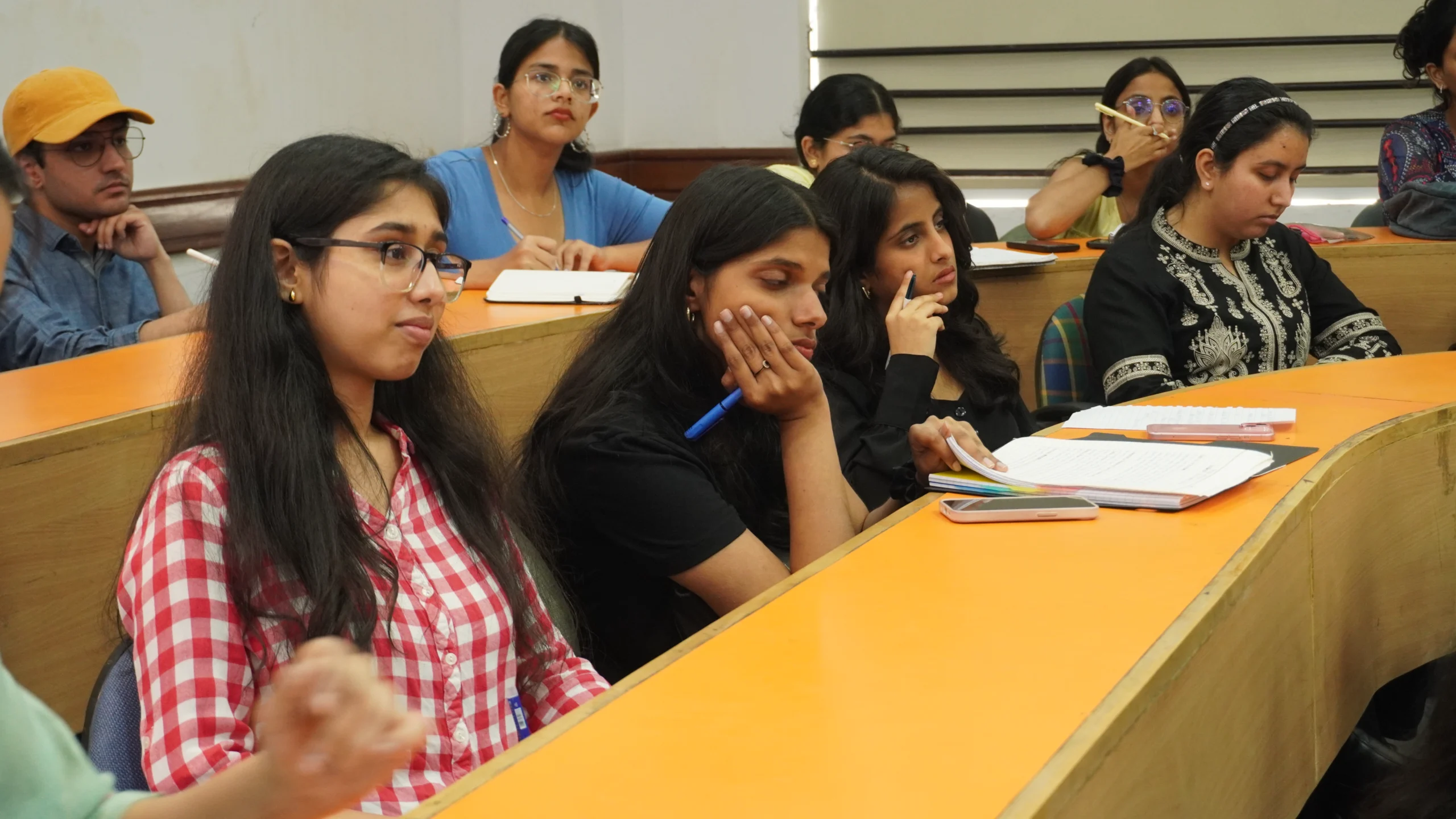
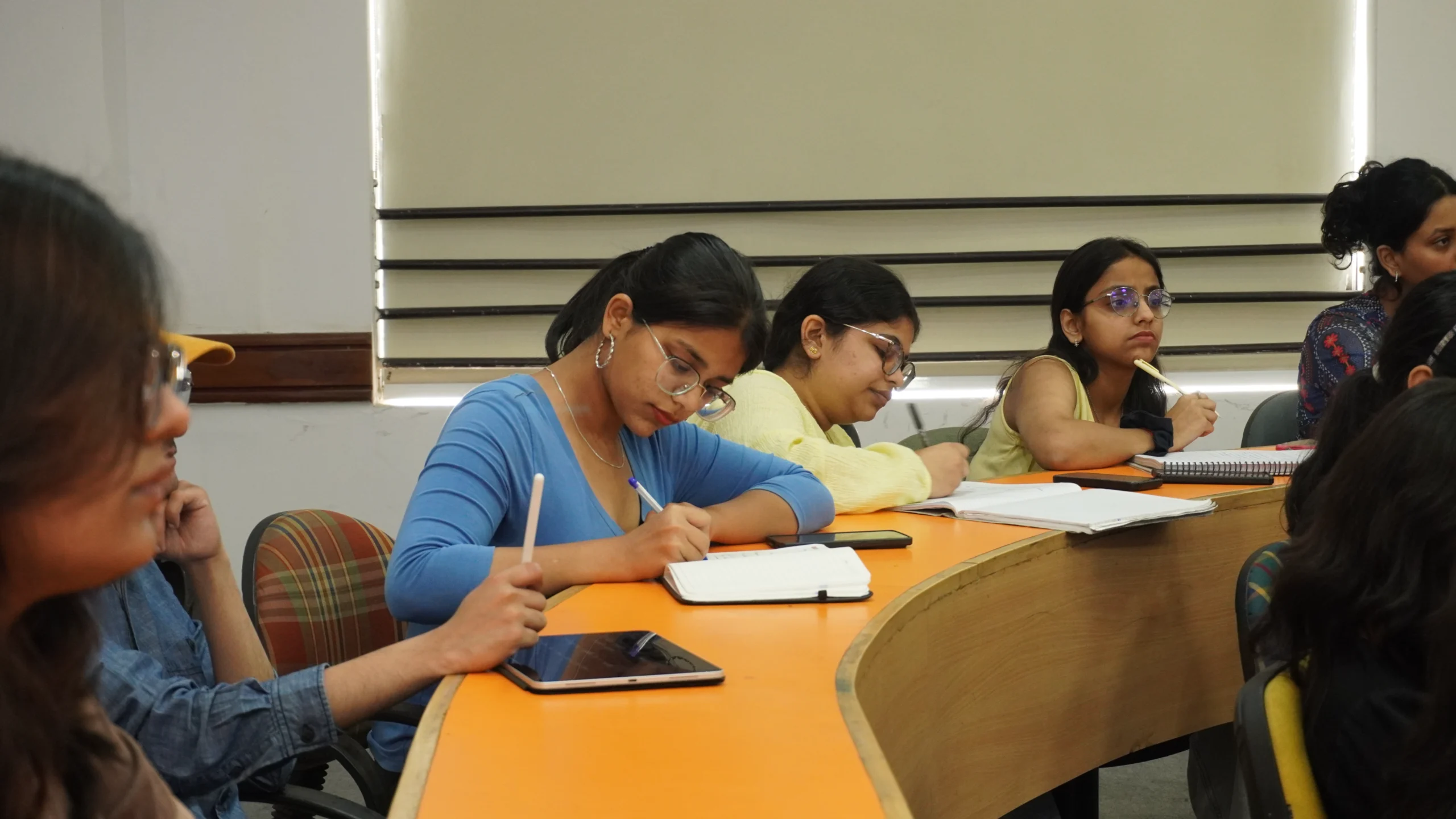
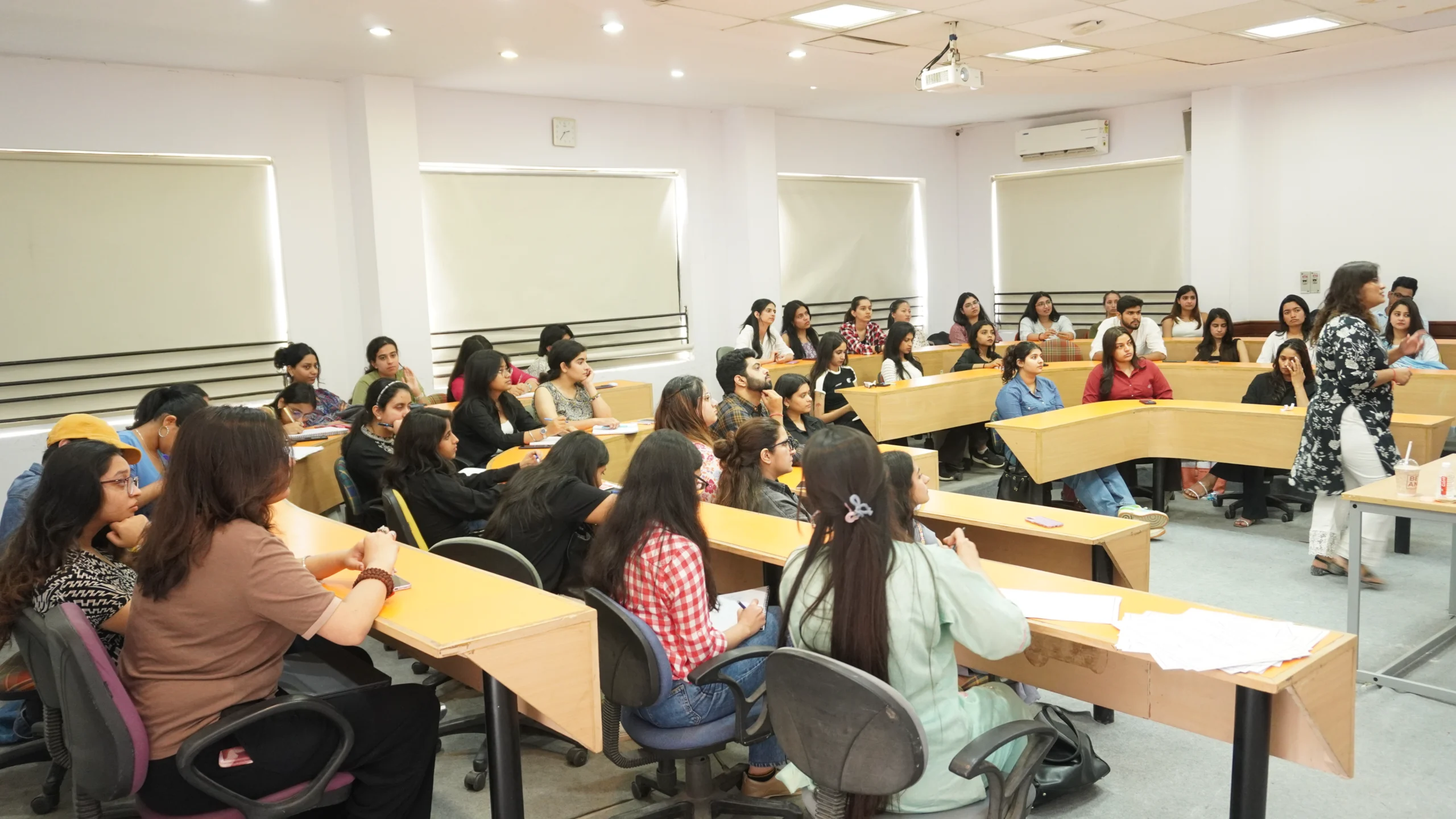
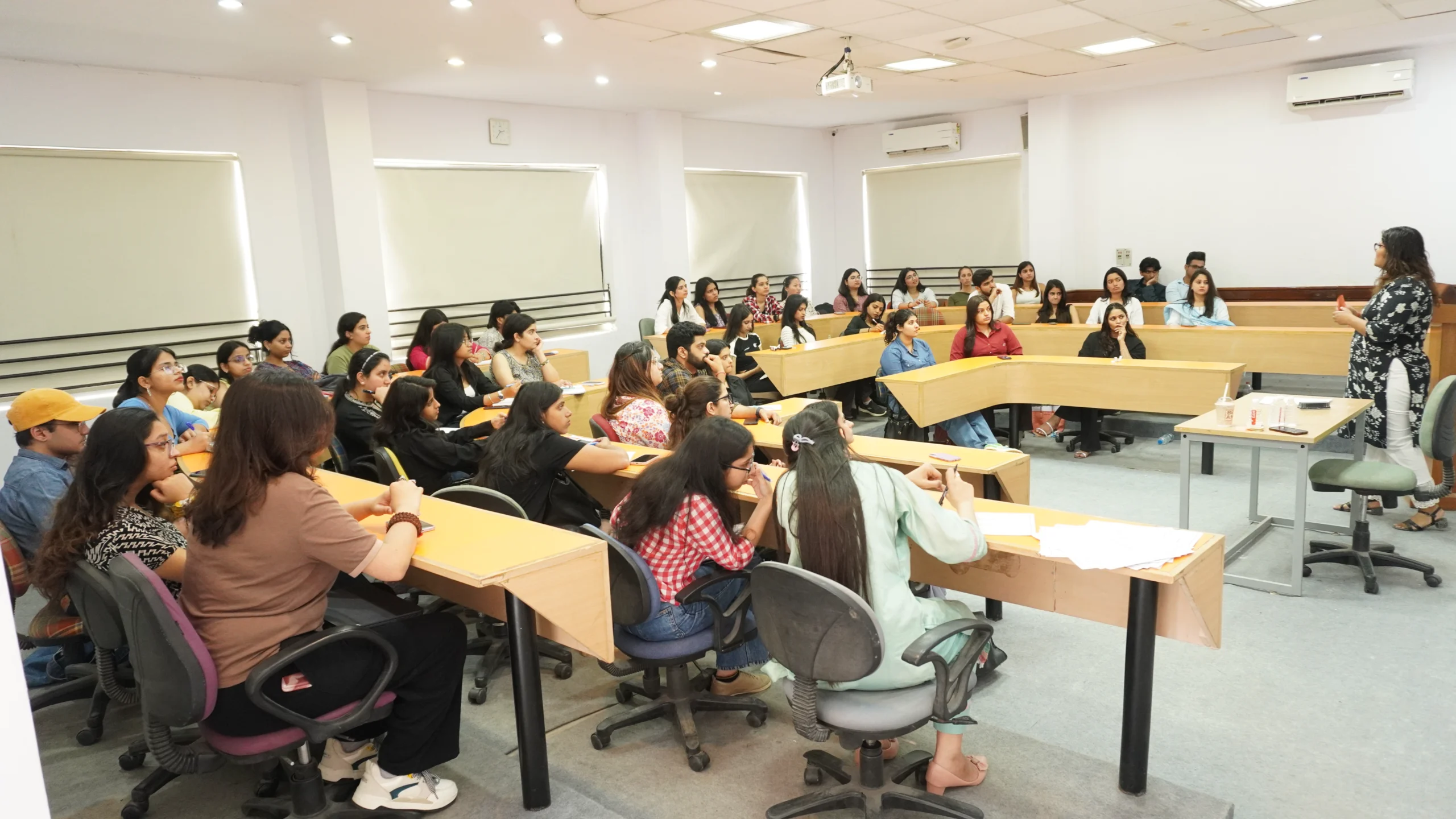
The expert session was designed with the explicit purpose of bridging the gap between academic learning and workplace realities, demonstrating the Department of Psychology’s commitment to ensuring that MA and BA students at IILM University are equipped not only with theoretical frameworks but with a contextualised understanding of how psychological principles function within live organisational environments.
Ms. Shweta Govila, Junior Manager (HRBP) at Paytm, introduced and elaborated upon the concept of the “illusion of logic” — the idea that whilst organisations operate through policies, systems, and processes, real workplace outcomes are ultimately shaped by human emotions, perceptions, and interpersonal dynamics, illustrating a fundamental tension at the heart of organisational management.
A significant thematic contribution of the session was Ms. Govila’s discussion of the “I felt right” phenomenon, wherein she explained how first impressions and inherent cognitive biases influence decision-making and interpersonal judgements in professional settings, with direct implications for hiring, team dynamics, and performance assessment in HR practice.
The session addressed the concept of the contagion of culture, with the speaker explaining that organisational culture is defined not by formal policy documents but by everyday behaviours and unwritten permissions, and that managerial disregard for employee effort can directly generate dissatisfaction and conflict, thereby degrading team dynamics and organisational effectiveness.
The session incorporated a discussion of the VUCA framework (Volatility, Uncertainty, Complexity, Ambiguity) as a conceptual tool for understanding the rapidly changing nature of modern workplaces, and underscored the growing integration of AI and digital tools in HR processes whilst emphasising that psychology remains essential in maintaining the human dimension in technology-driven professional environments.
Students gained an enhanced understanding of how organisational psychology translates into real-world HR practices, with specific application to key functions including recruitment, onboarding, performance management, employee engagement, and leadership development — all explained through the professional lens of an active HRBP practitioner at Paytm.
Through Ms. Govila’s discussion of the VUCA framework, students developed awareness of the volatile and uncertain nature of contemporary workplaces and the consequent need for adaptability, resilience, and psychologically informed HR responses to organisational challenges.
The session provided students with insight into the critical role of recognition, appreciation, and visibility in shaping employee motivation and engagement, reinforcing the understanding that psychological safety and acknowledgement are not peripheral concerns but central drivers of workplace performance and culture.
Students were introduced to the growing role of AI and digital tools in HR processes, whilst gaining an appreciation of why psychological knowledge remains indispensable in ensuring that technology-driven HR environments retain their human-centred orientation.
The session offered students clarity on career pathways in organisational psychology and HR, highlighting essential professional competencies including communication skills, analytical thinking, adaptability, and problem-solving, as well as the importance of balancing analytical rigour with persuasive and relational skills in roles such as HRBP, OD, and consulting.