


Roundtable Discussion – “Navigating Commercial Contracts in the Age of AI and Automation”
28 March 2026, Saturday
28 March 2026, Saturday
11:00 AM
01:00 PM
School of Law, IILM University, Gurugram
Centre for Commercial Law and Corporate Governance, IILM School of Law
Dr. Astha Mehta & Dr. Aratrika Deb
IILM University, Gurugram
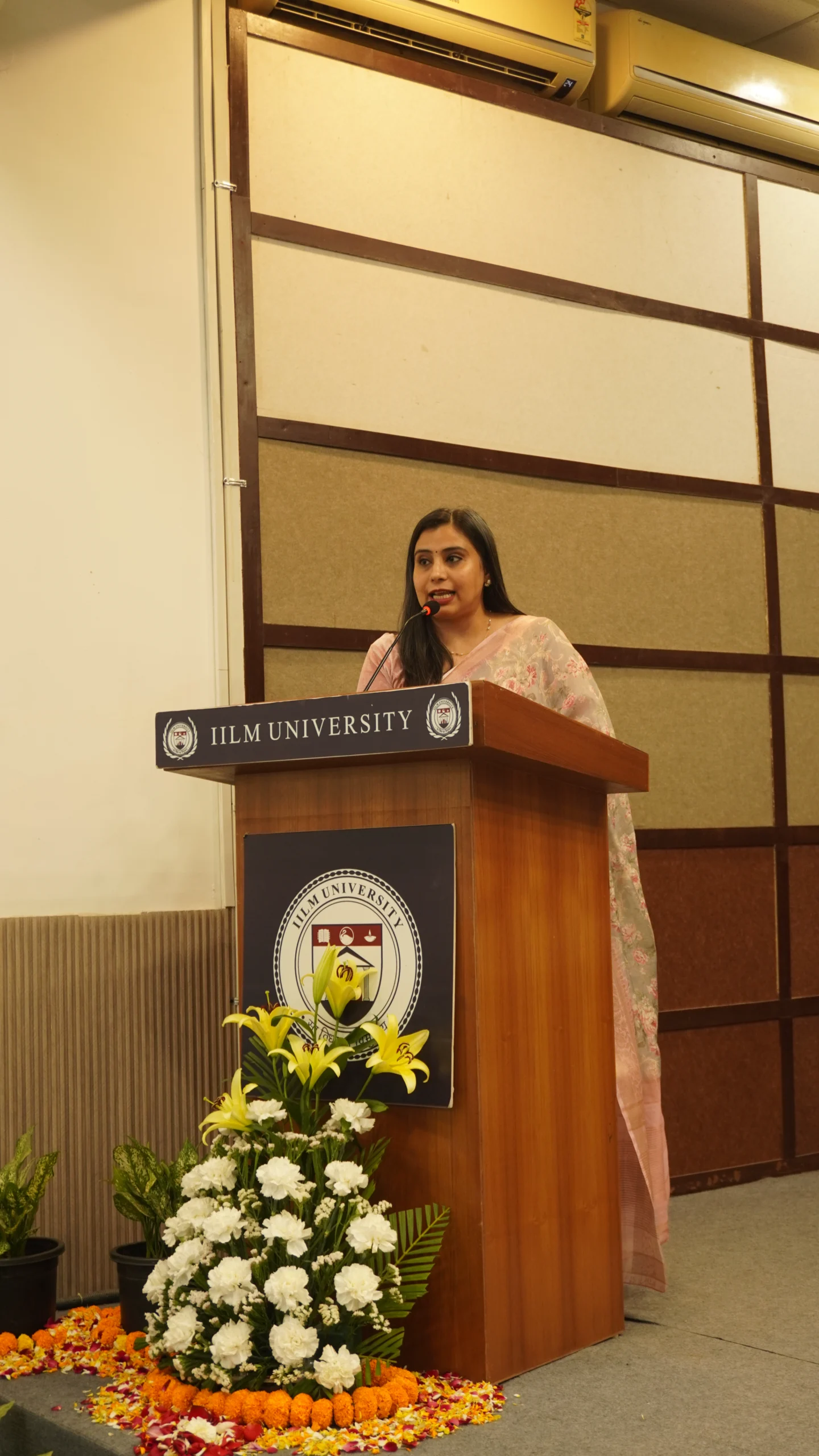
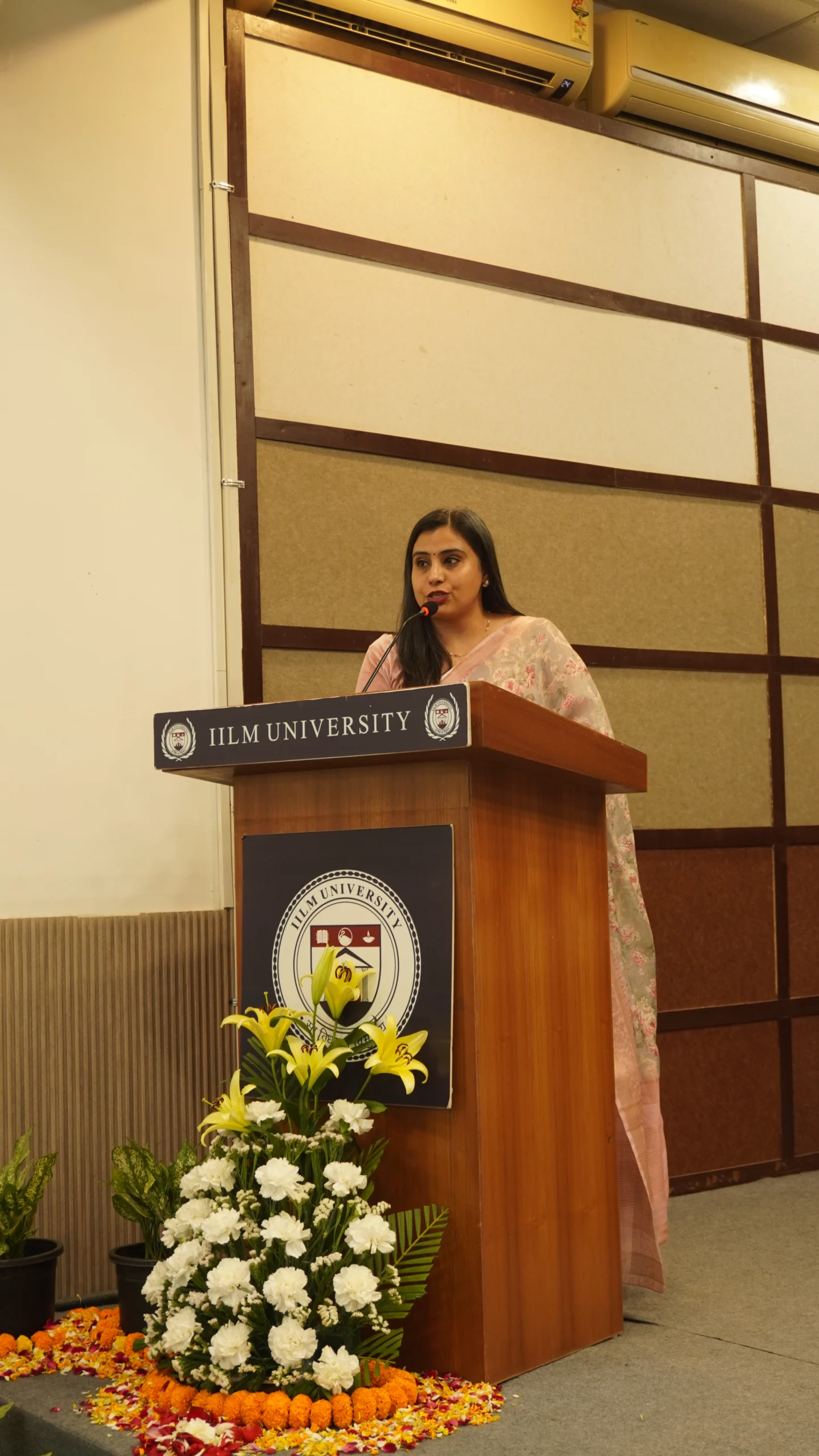
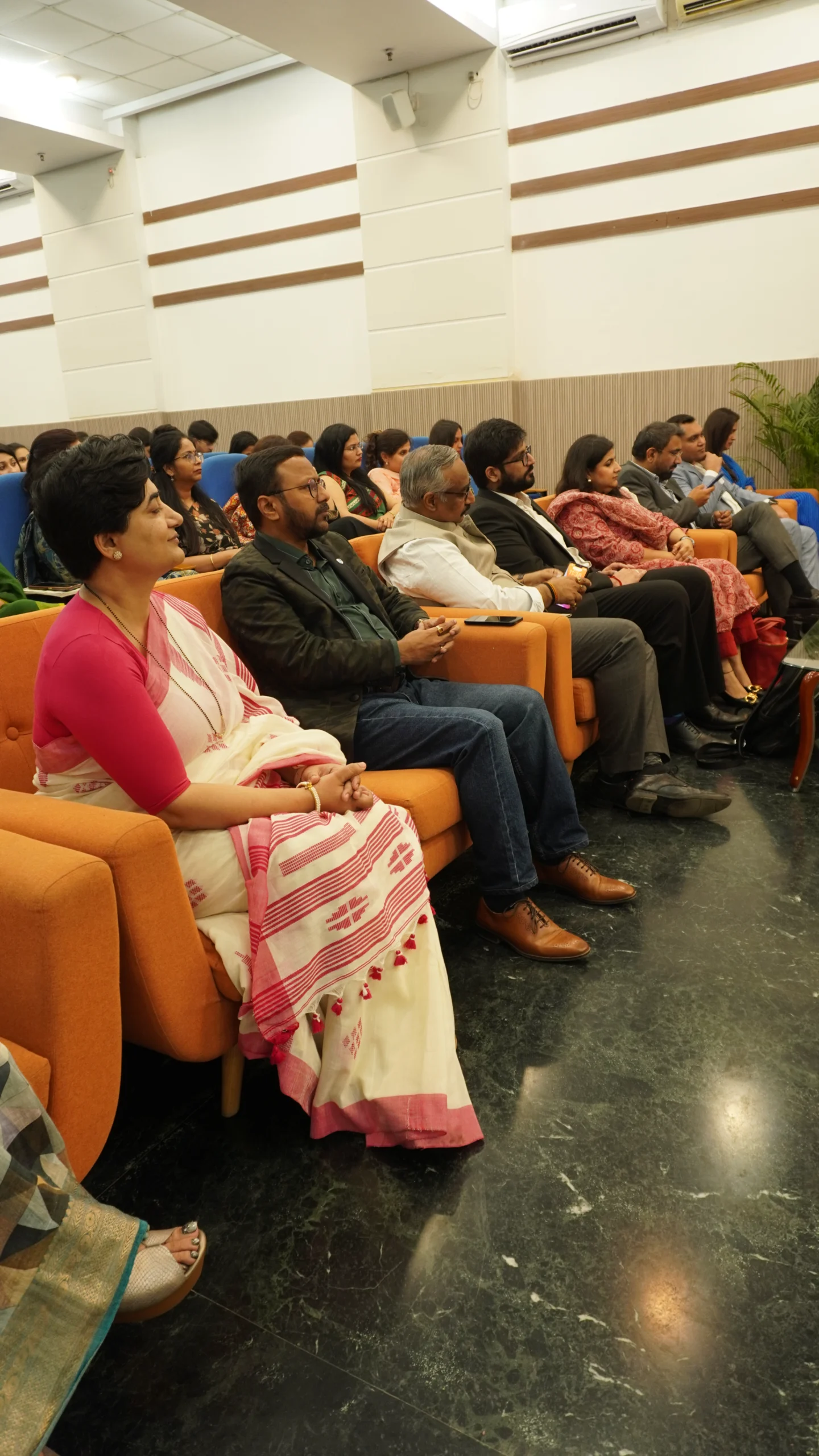
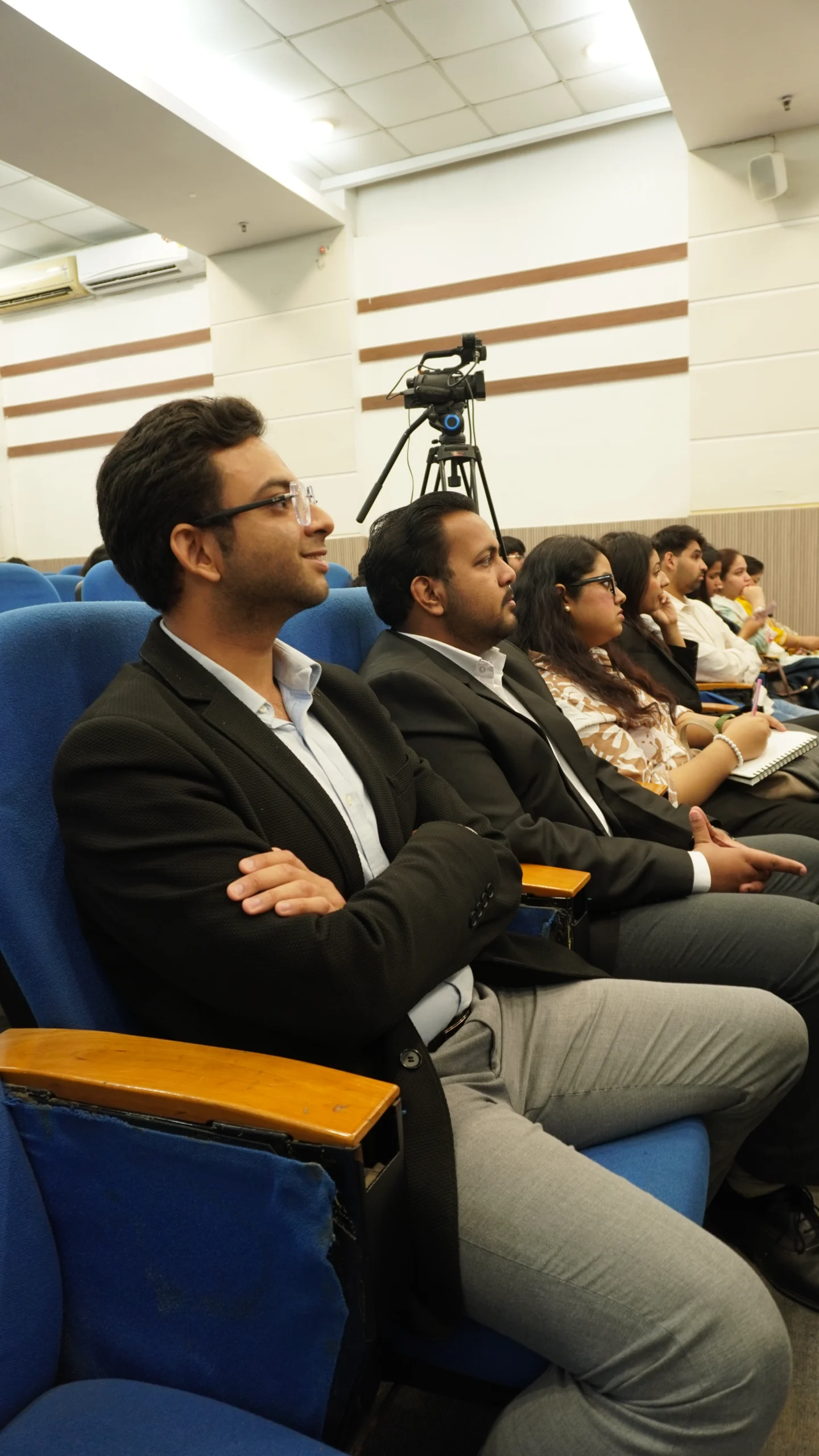
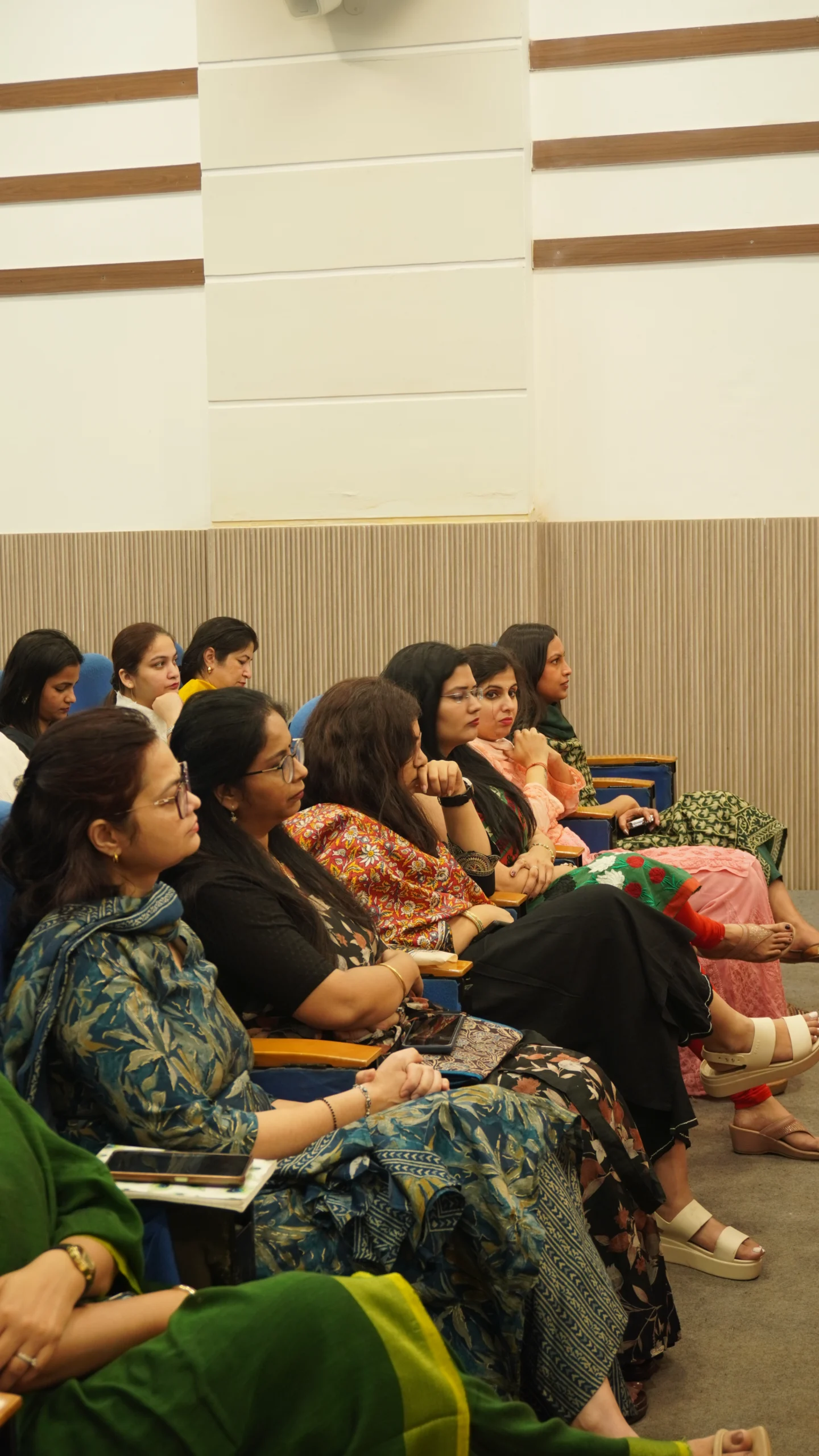












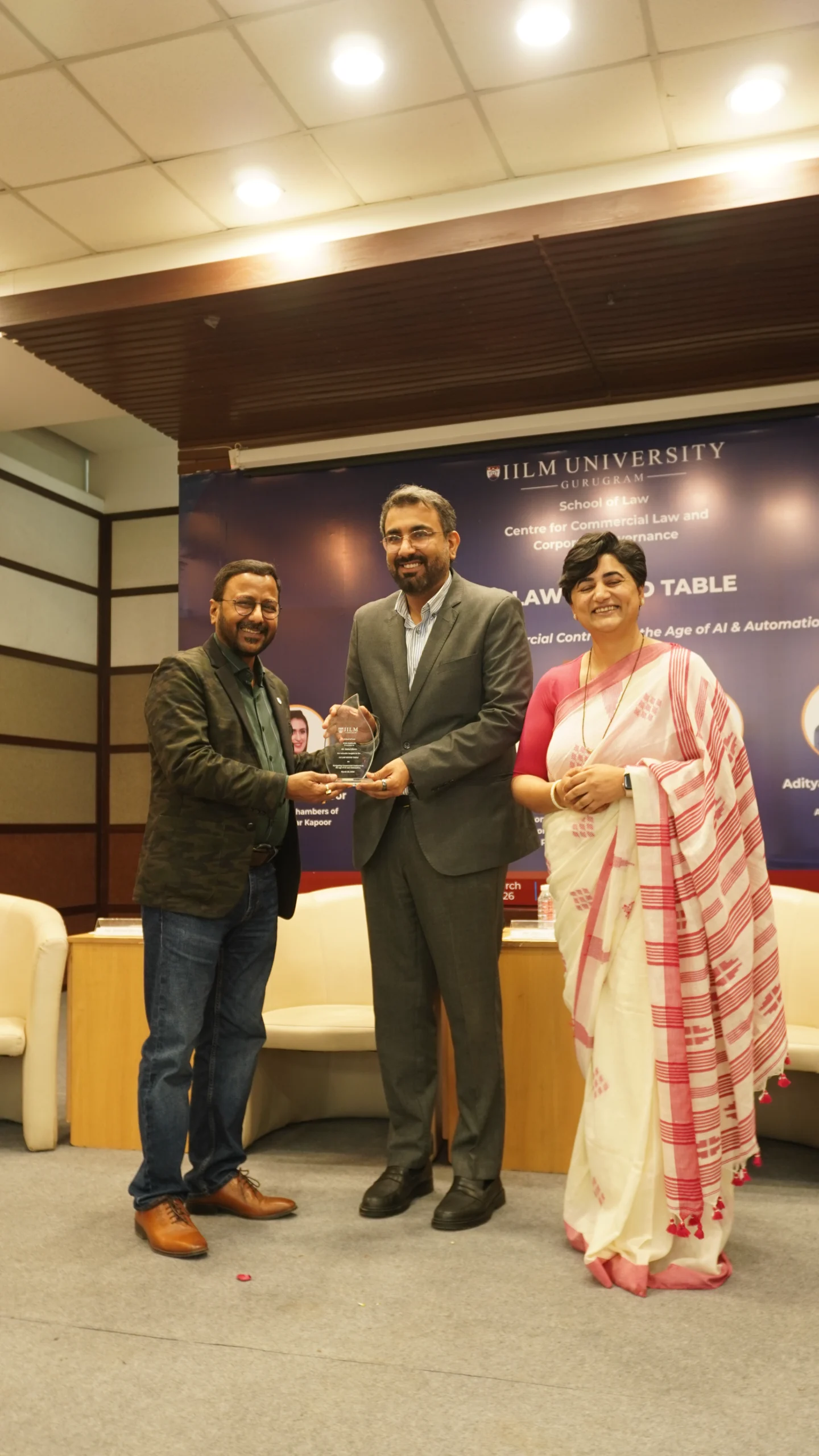



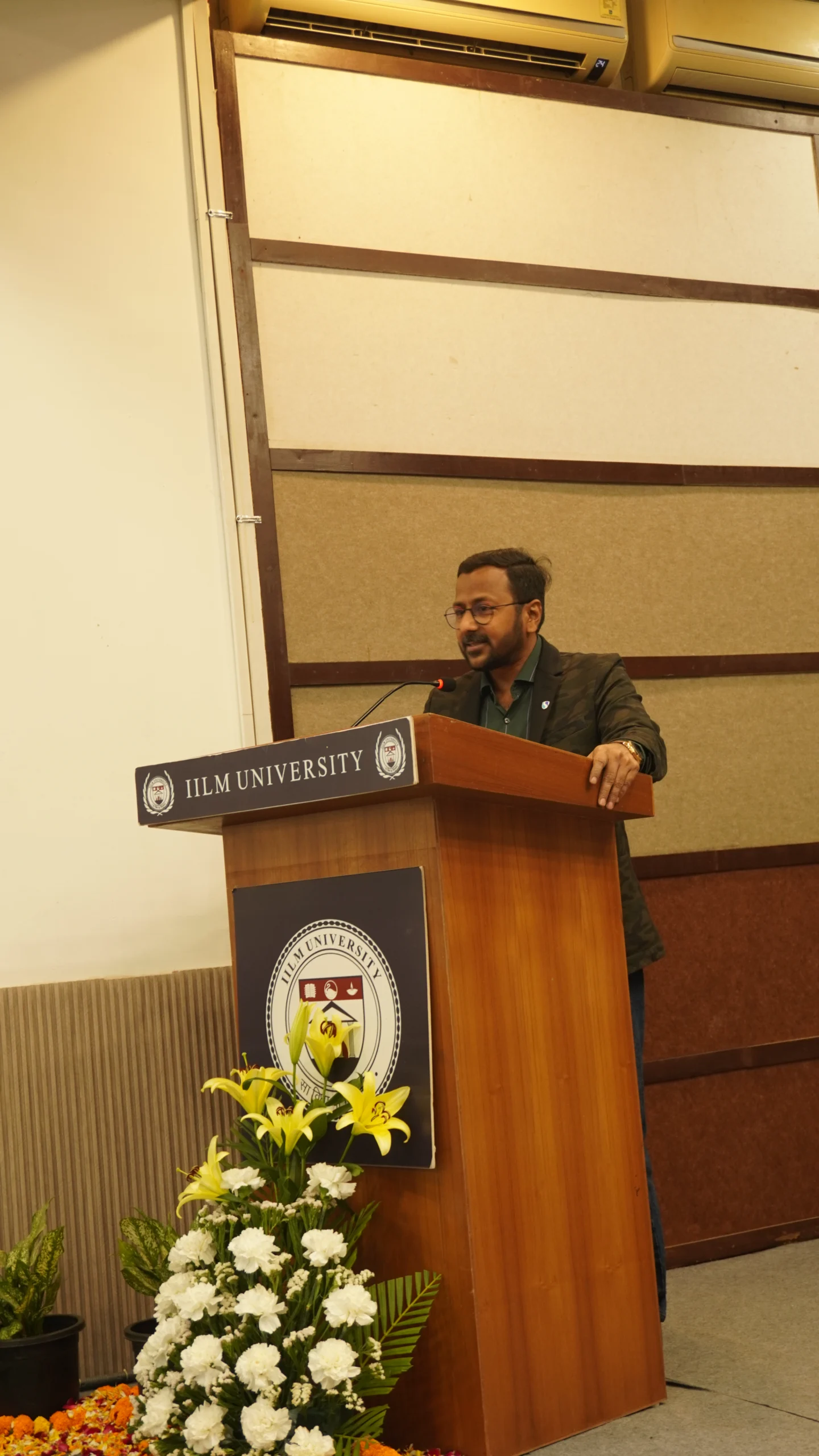
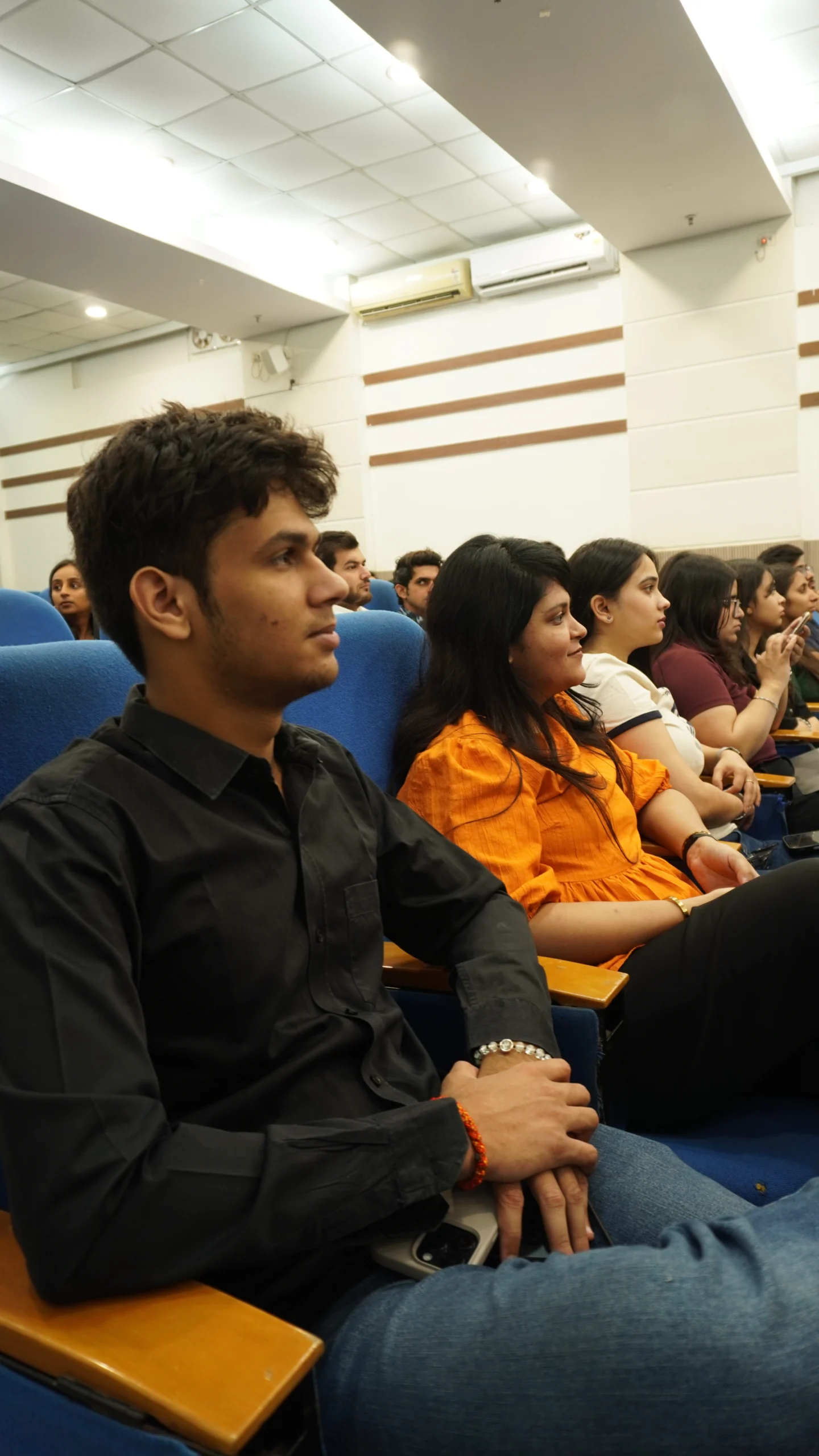
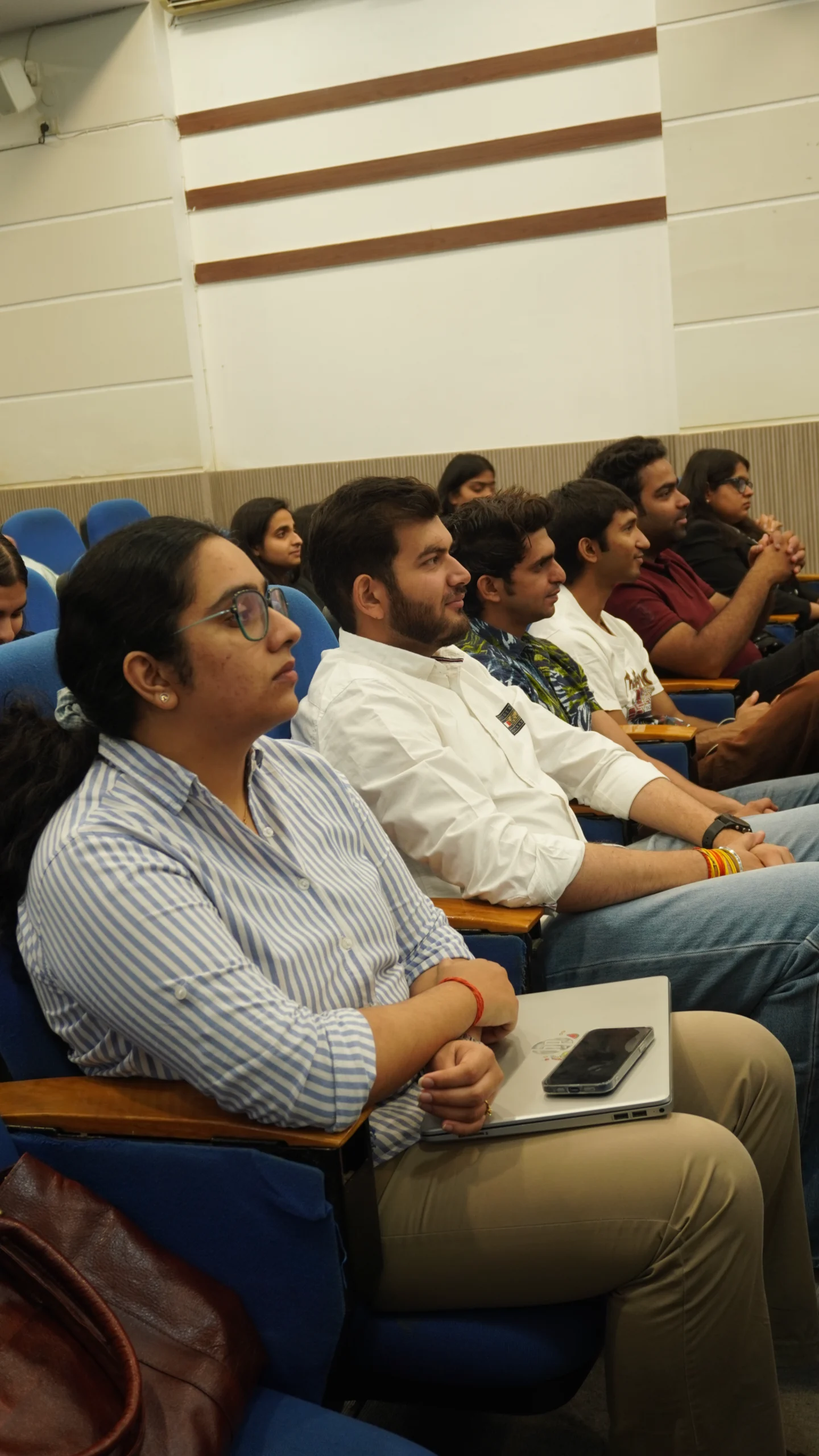
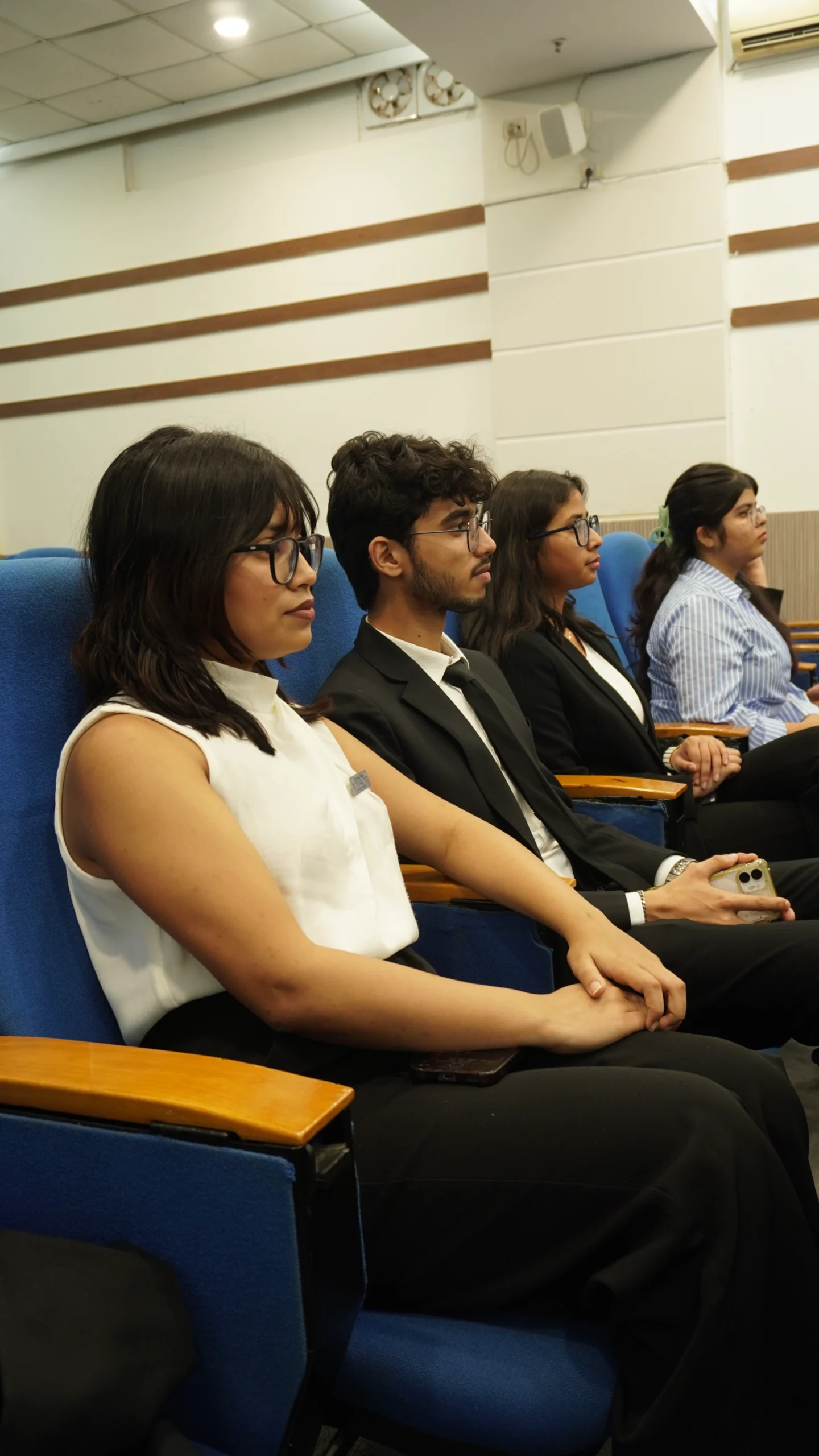
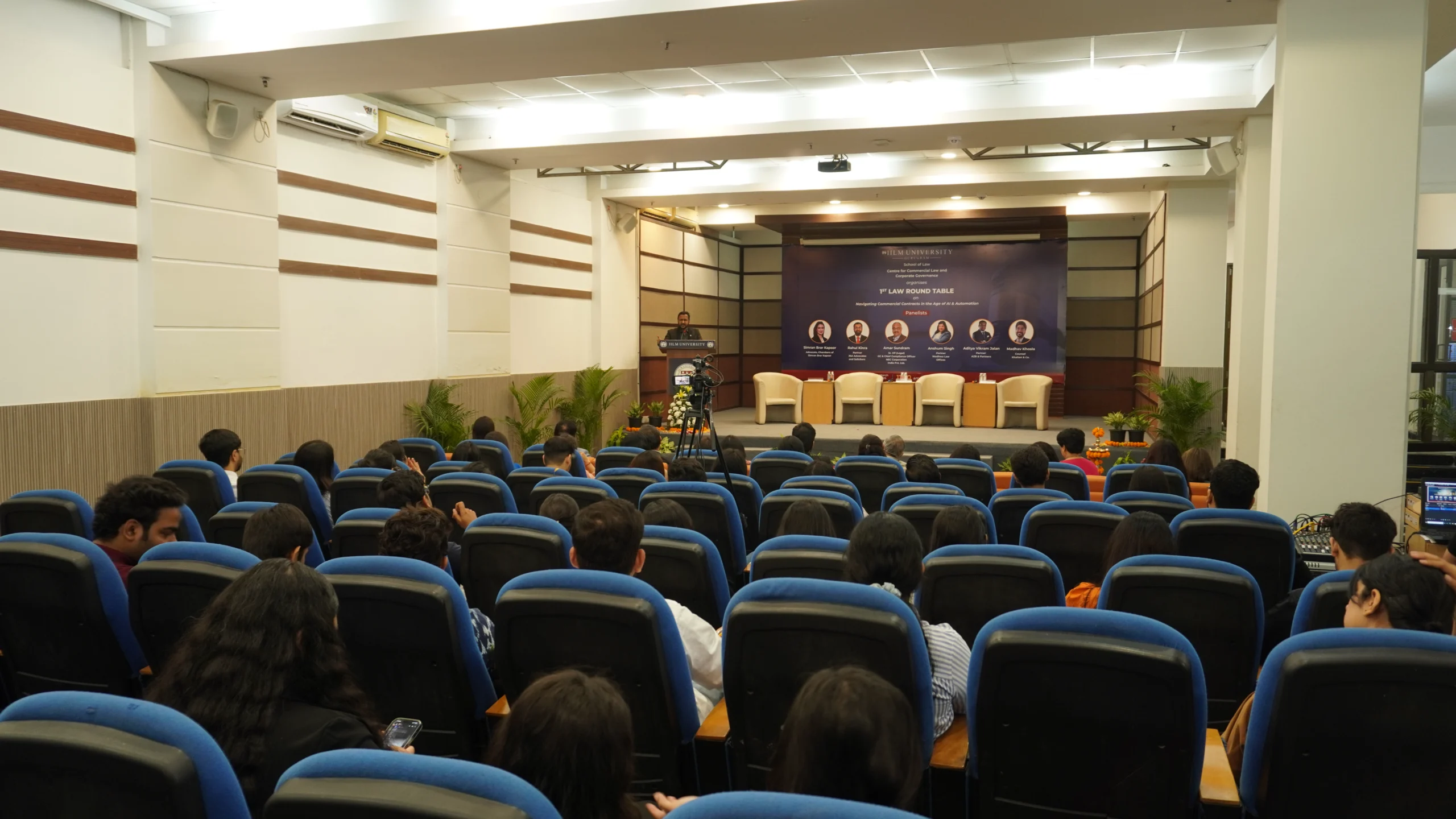
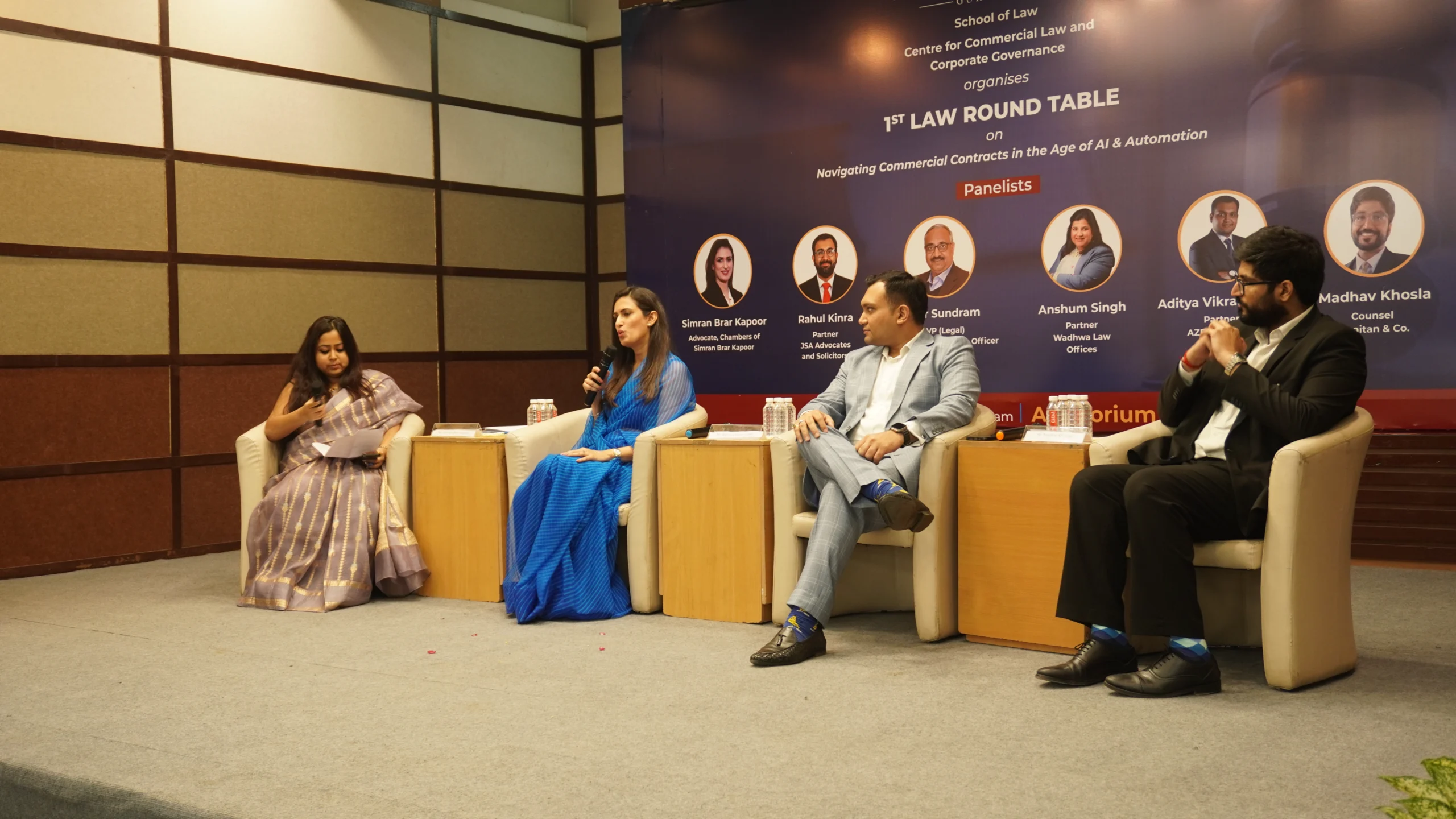
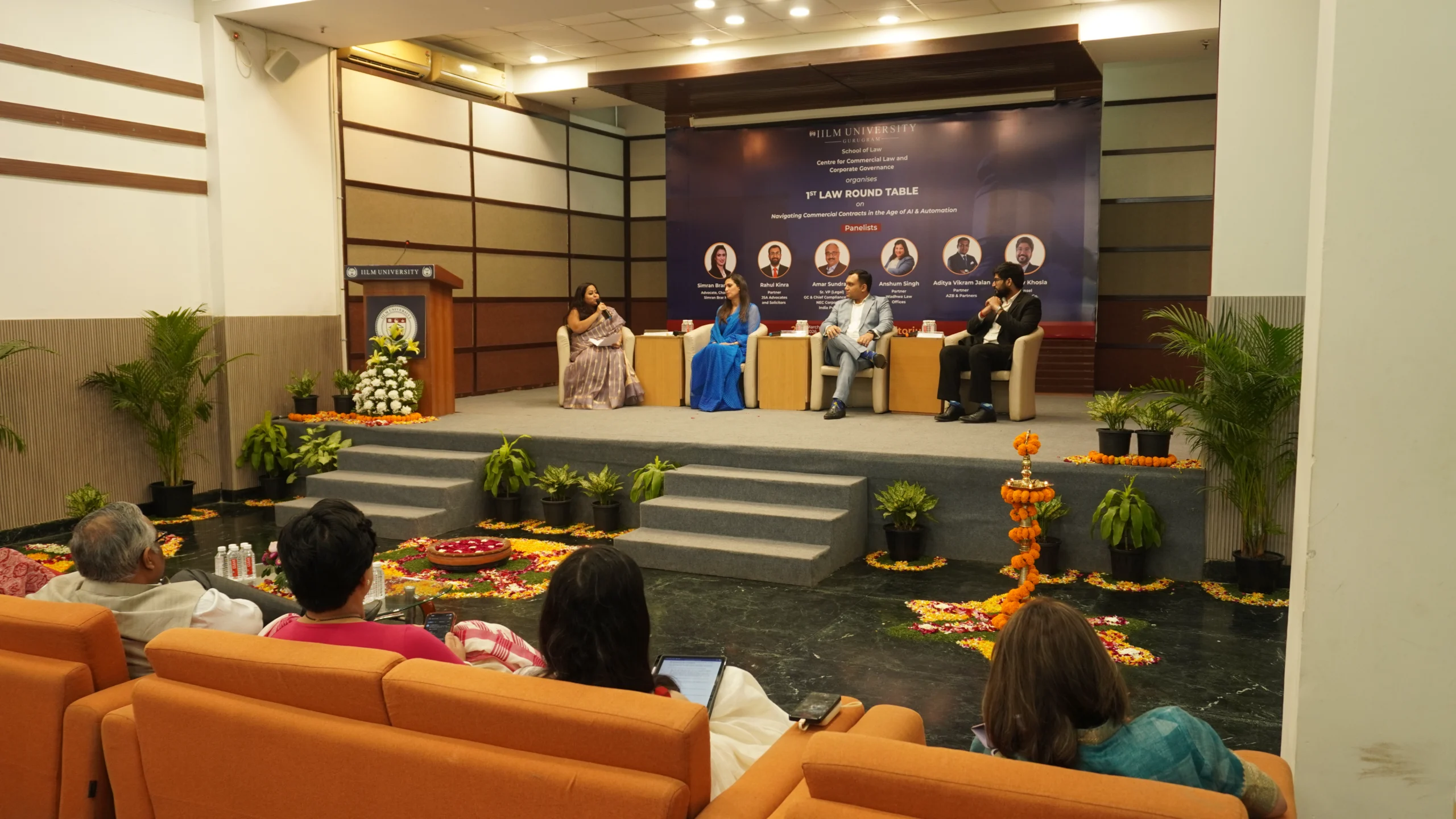
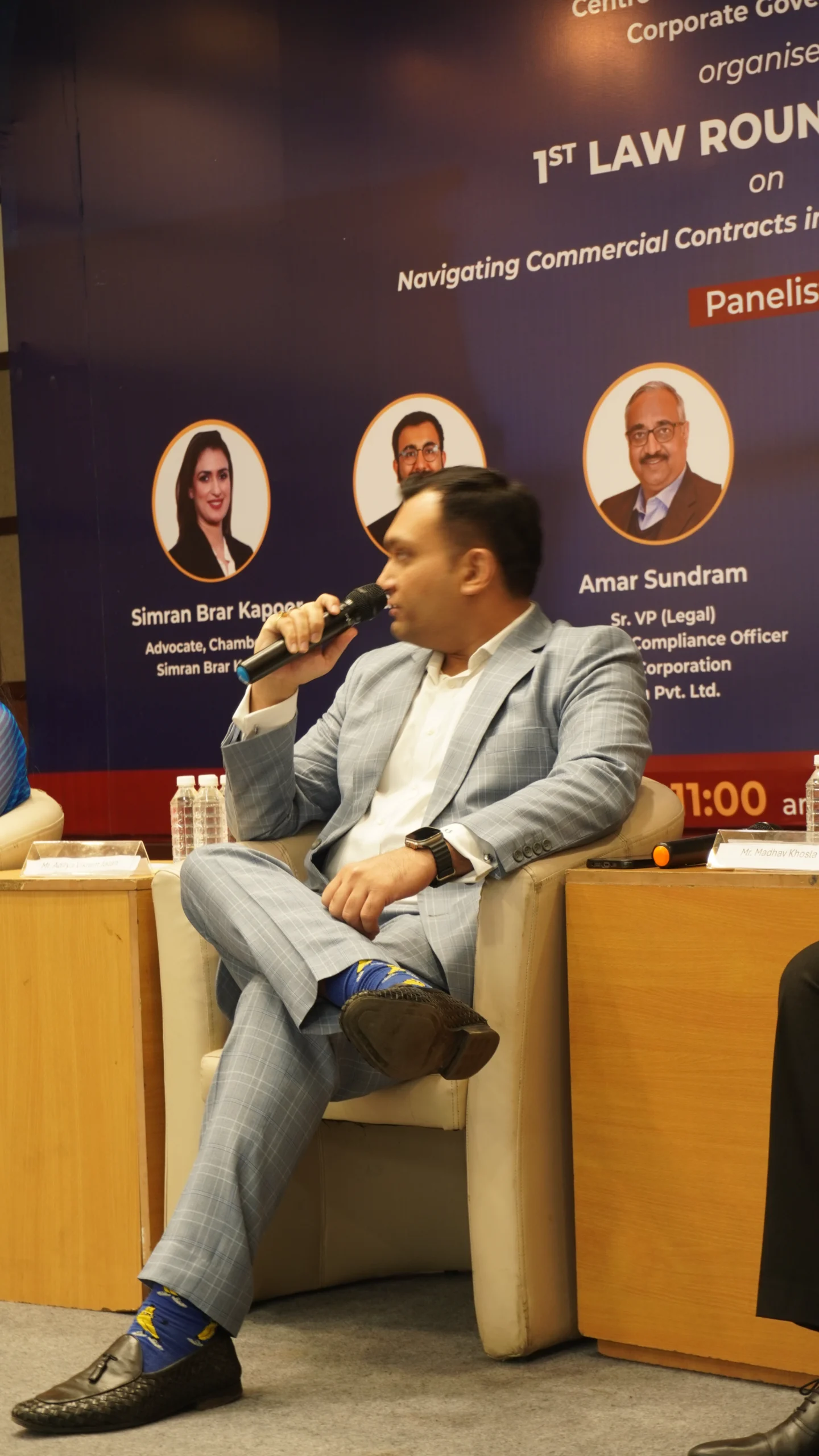
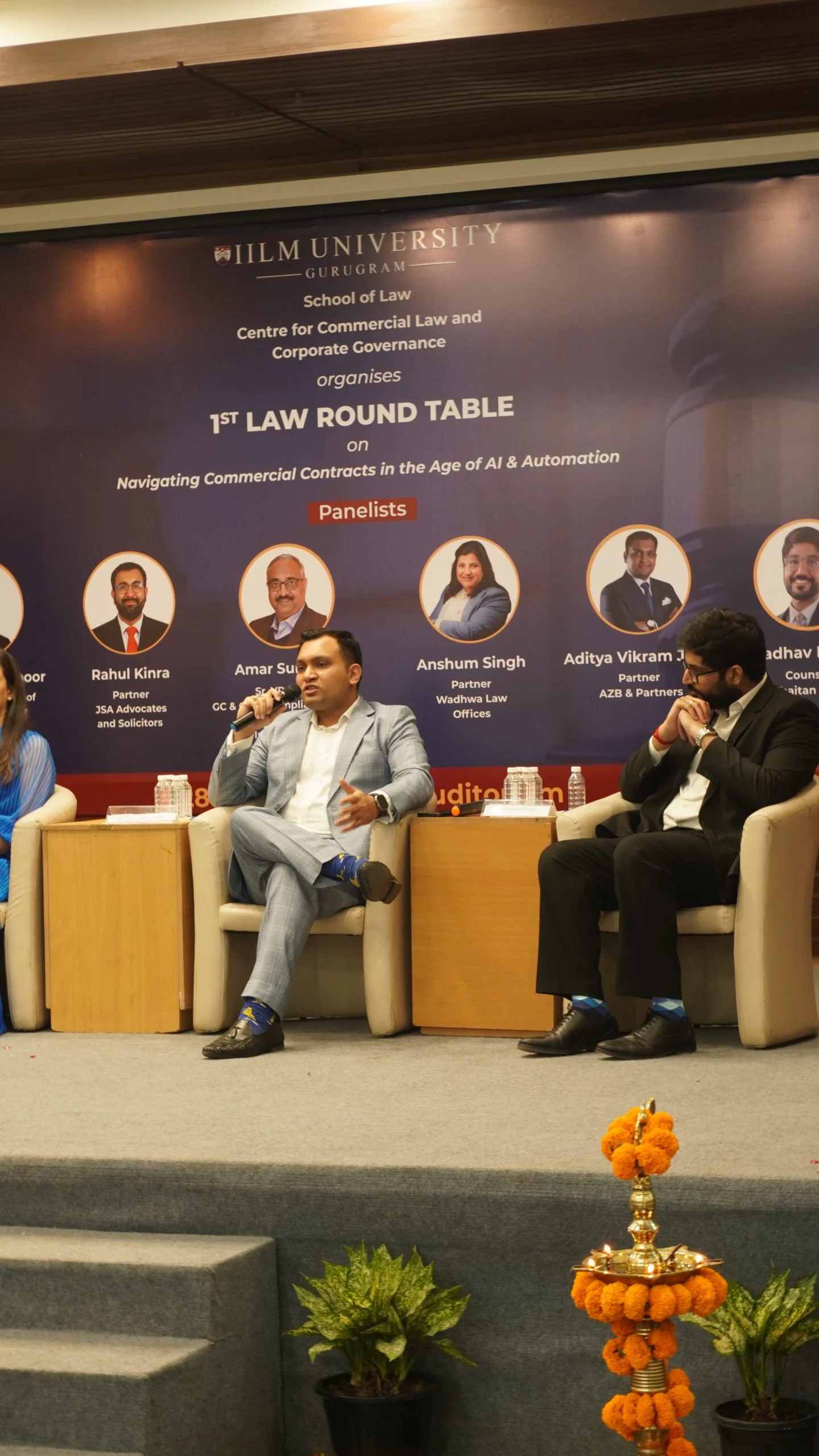
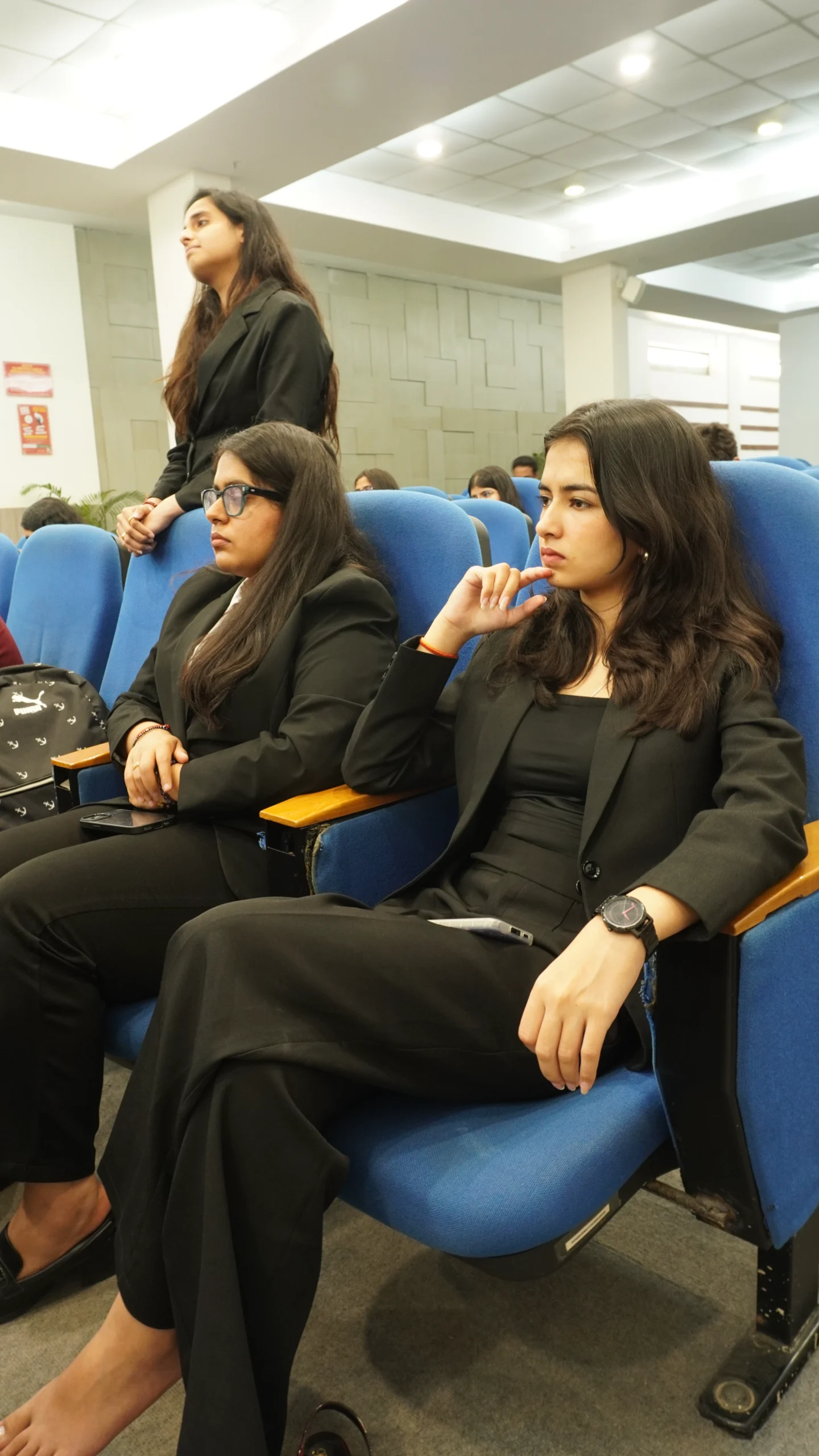
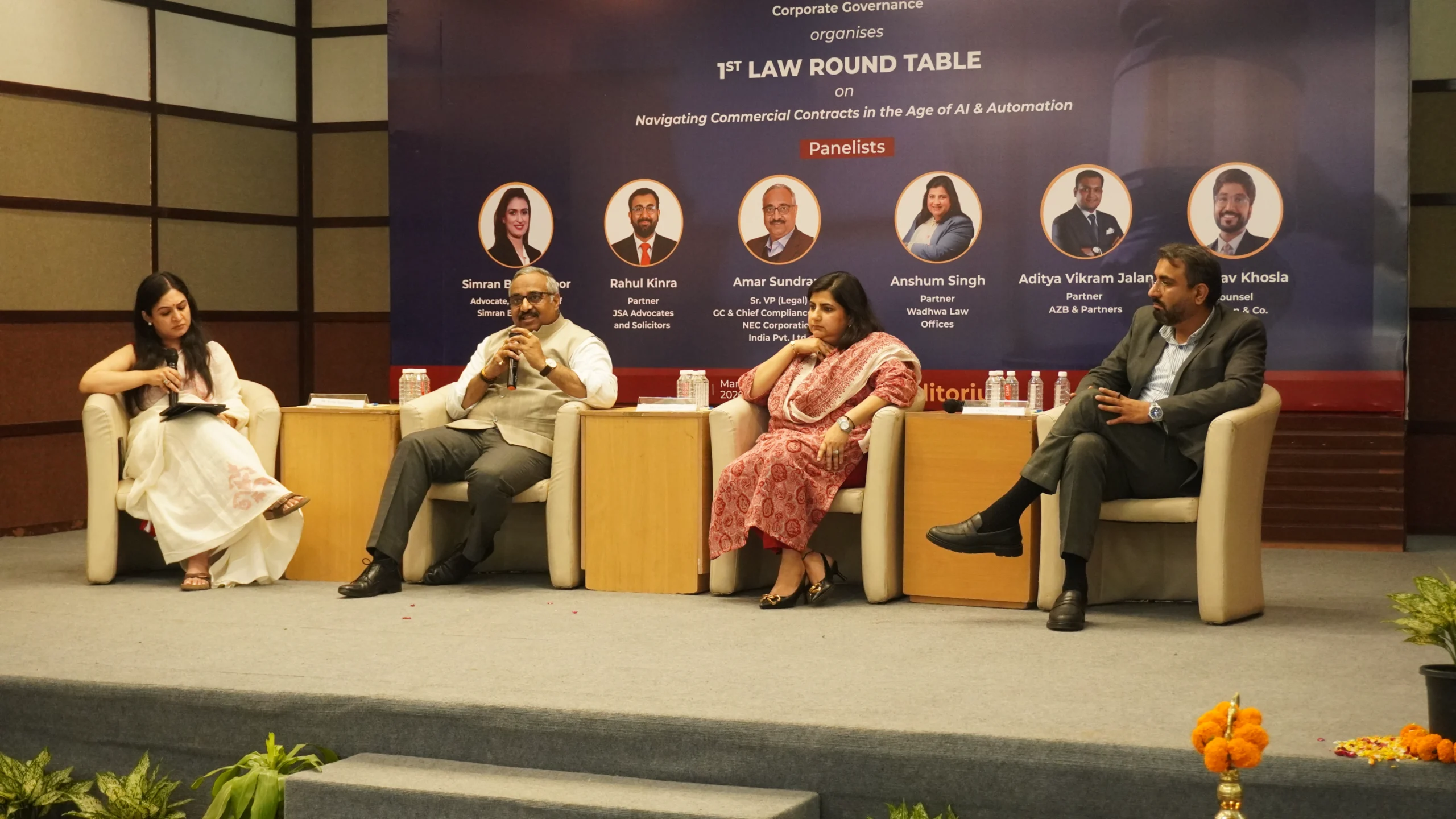
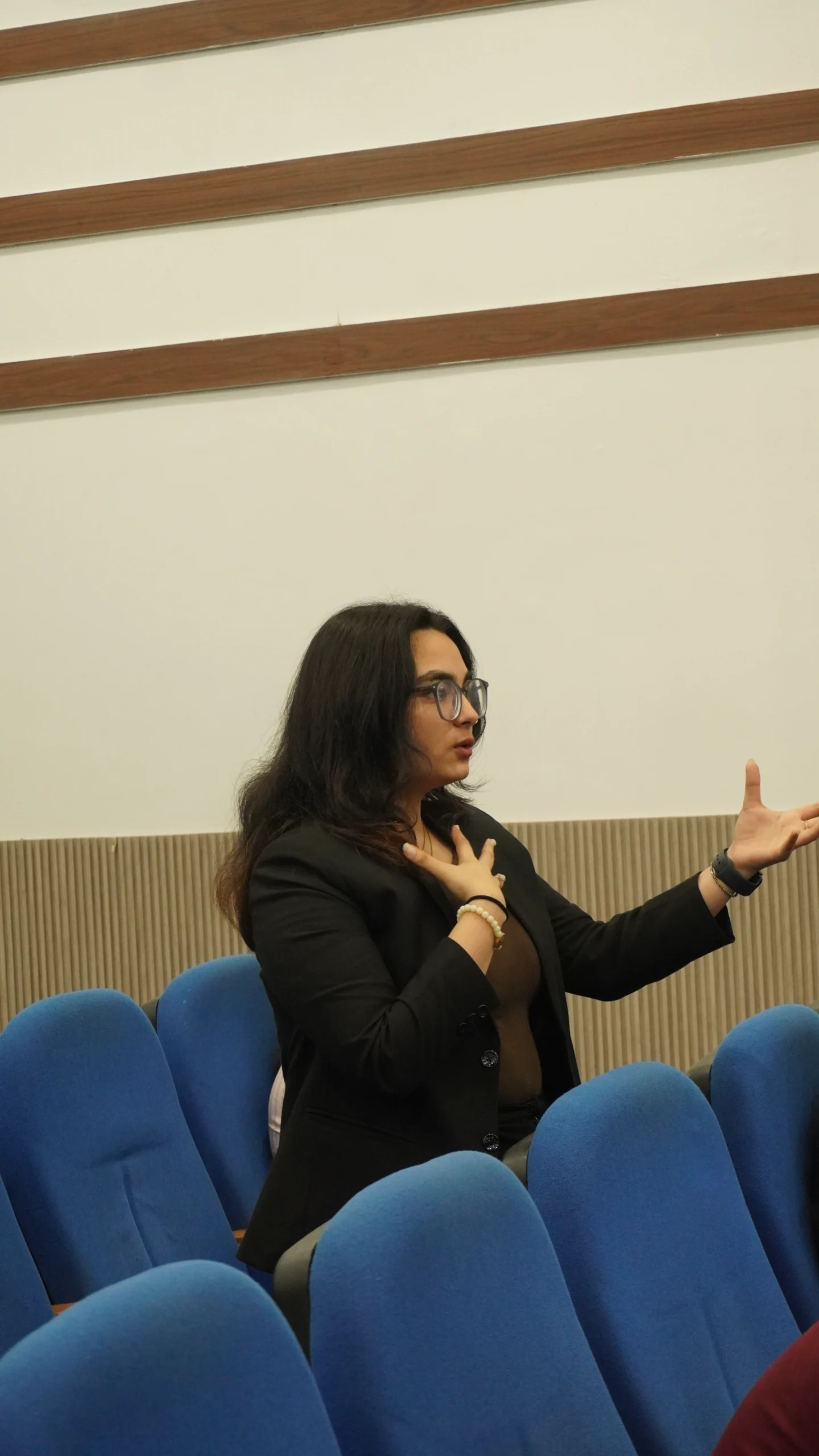

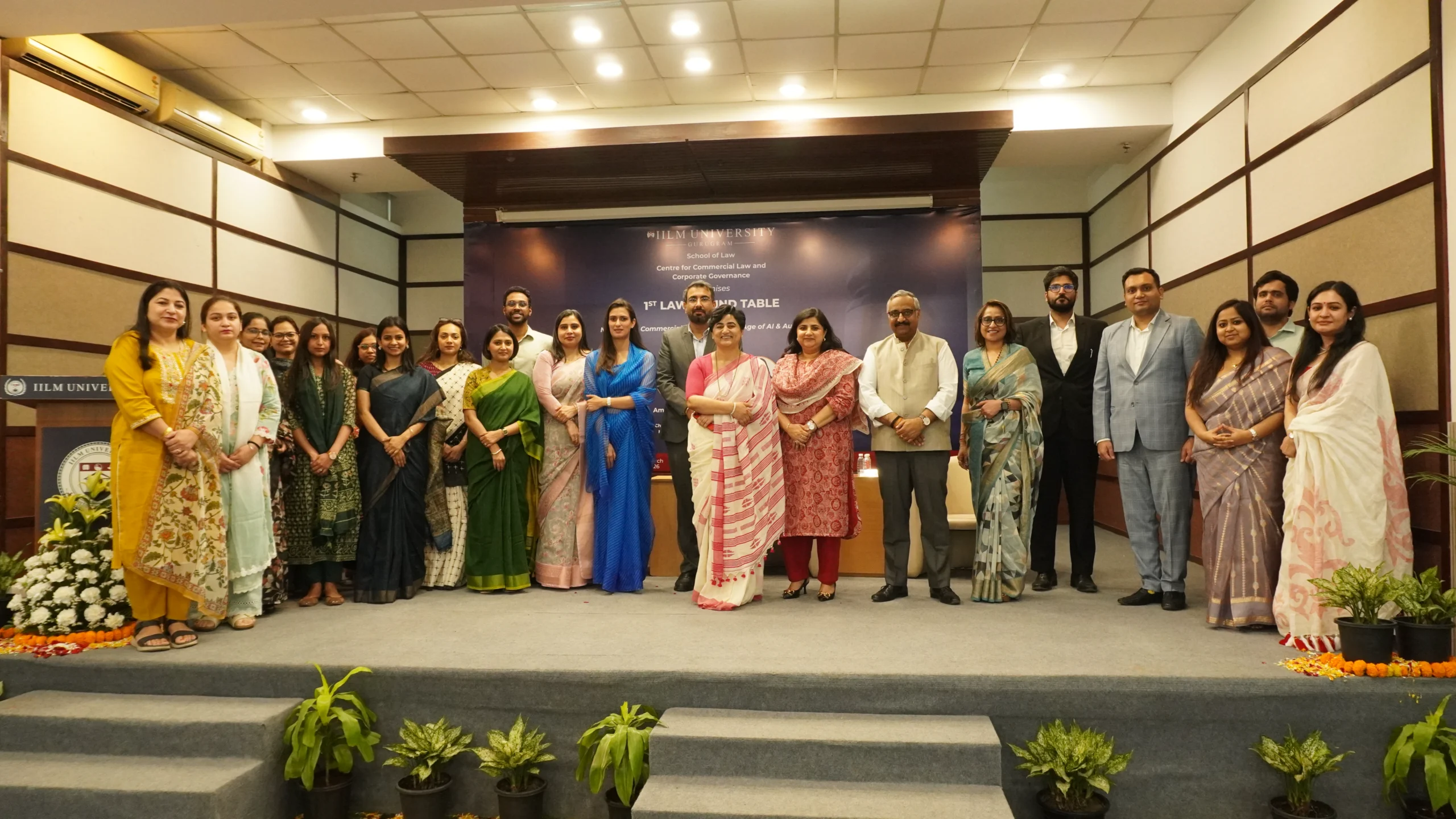
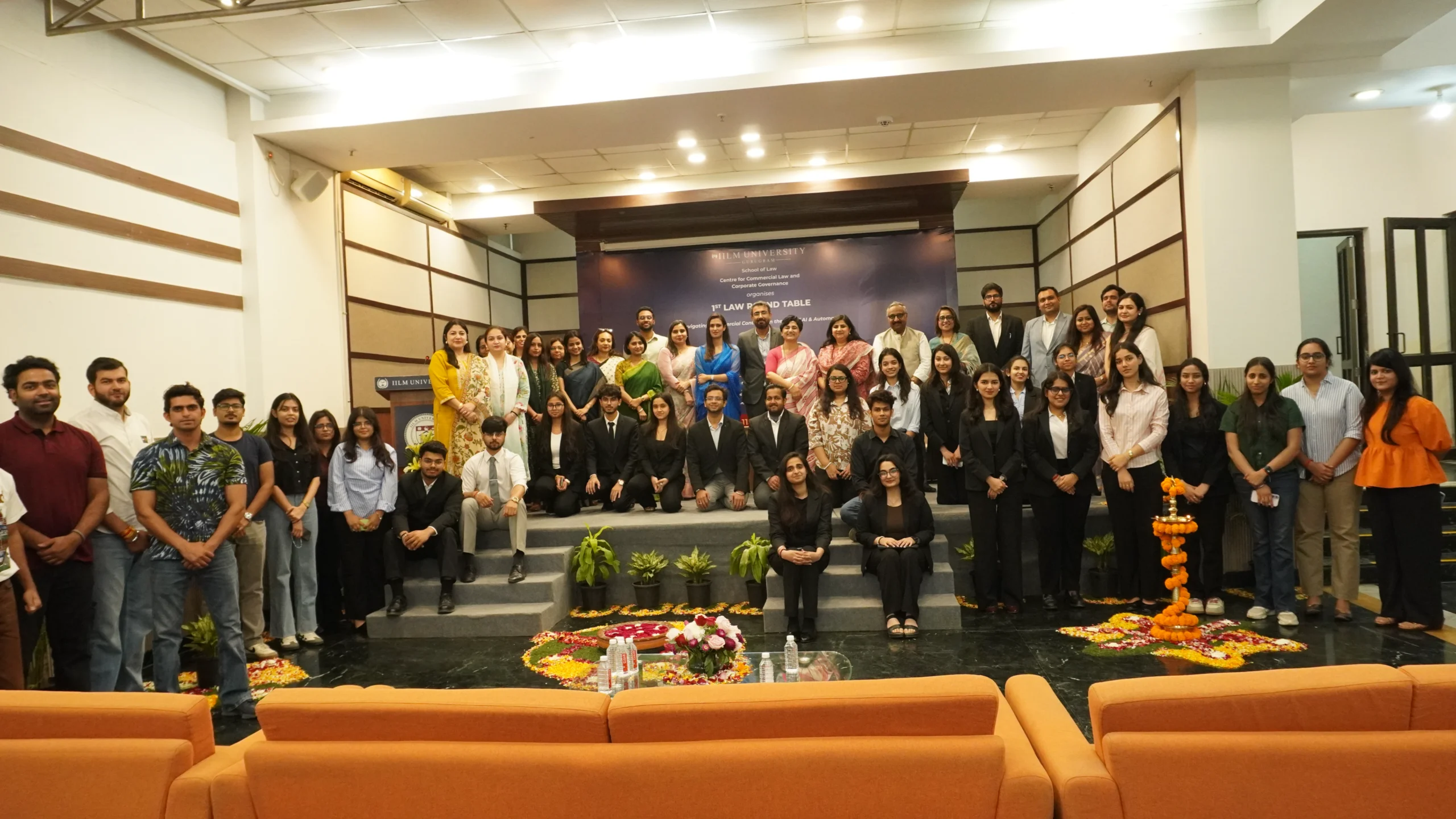
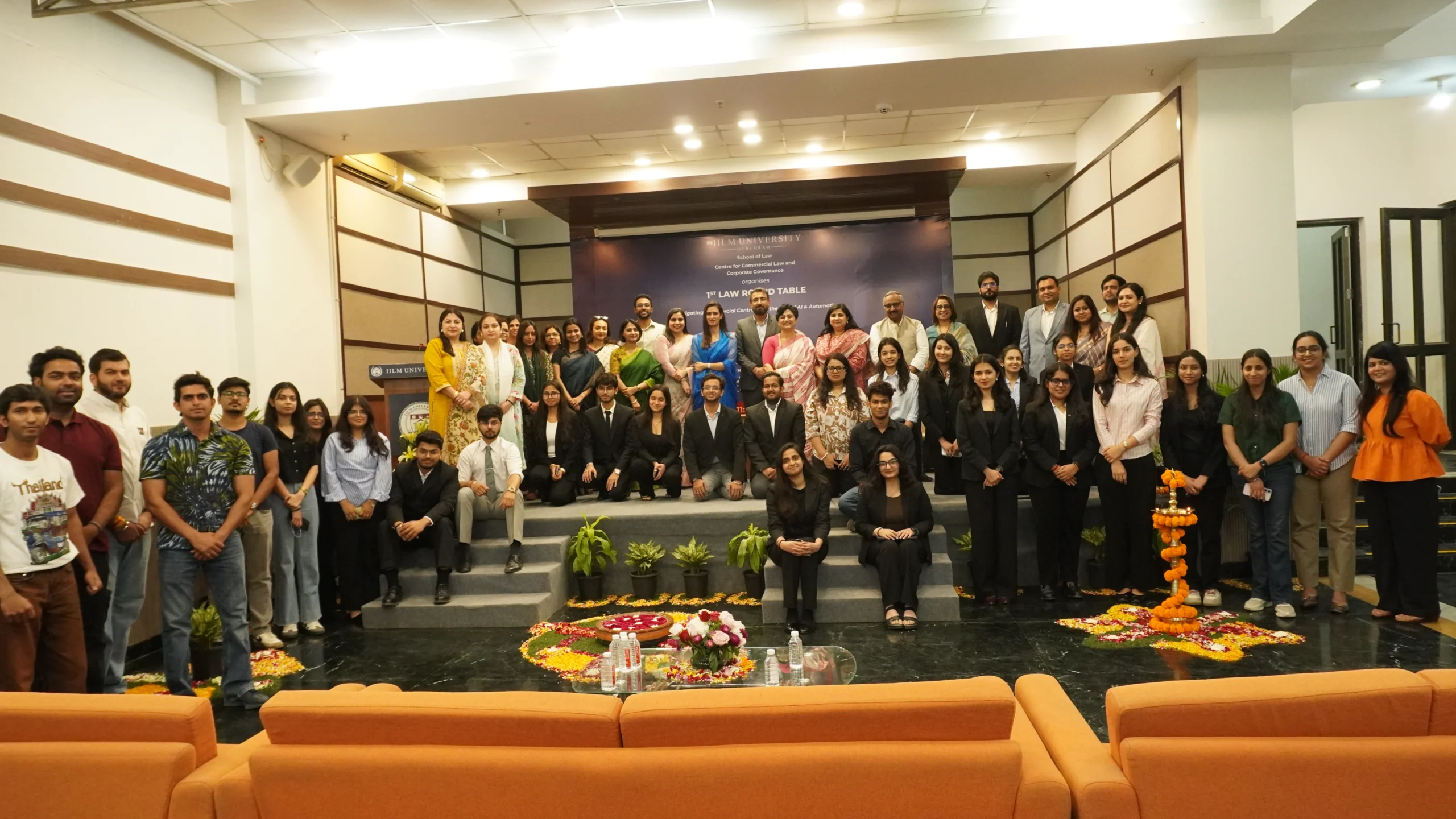
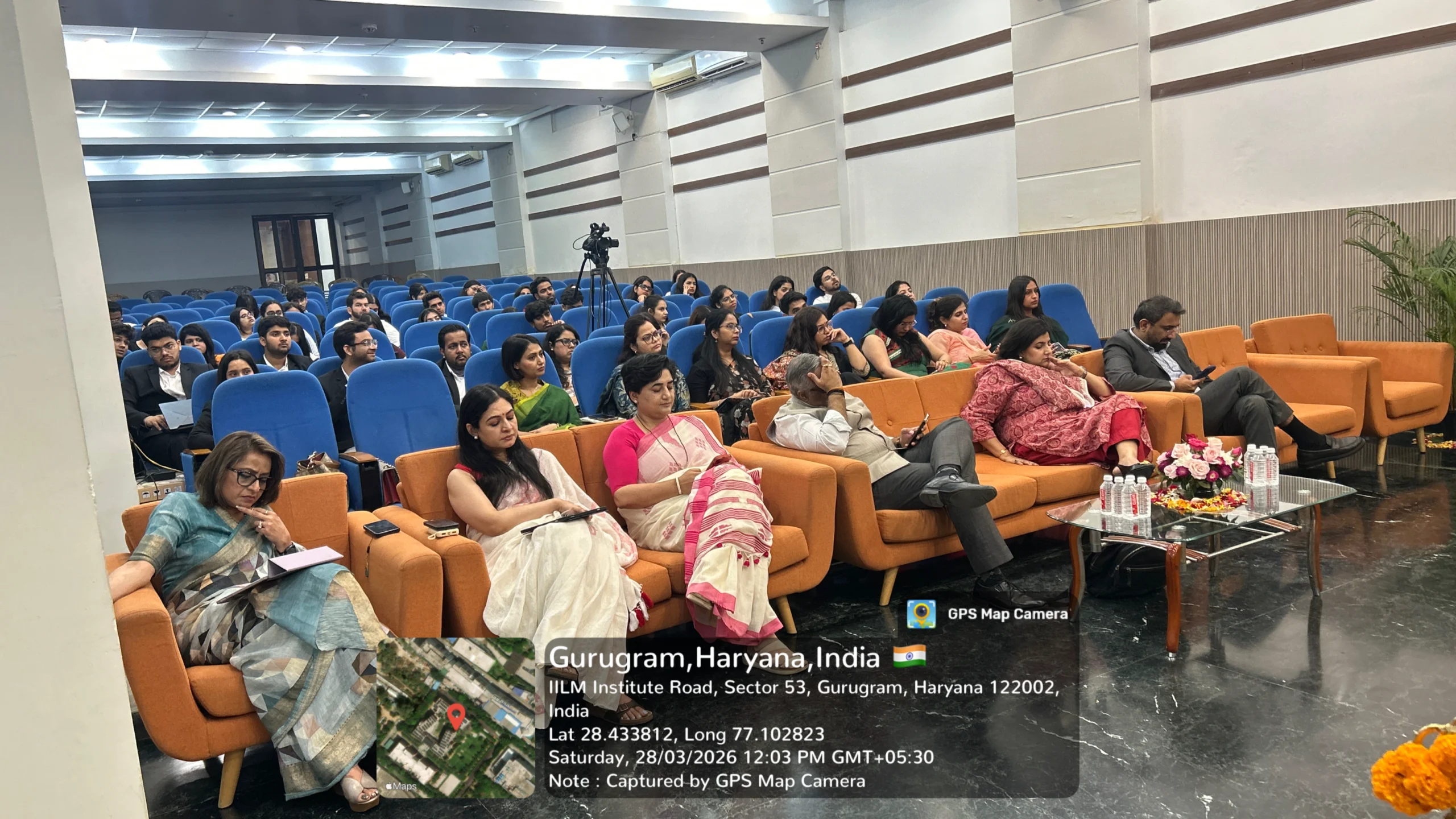
The inaugural roundtable on “Navigating Commercial Contracts in the Age of AI and Automation,” held on 28th March 2026 at the Auditorium of IILM University, Gurugram, convened leading practitioners, corporate counsels, and academicians to deliberate on the transformative impact of artificial intelligence on commercial contracting practices, examining critical questions of accountability, human judgment, and institutional preparedness in an AI-augmented legal landscape.
Panel 1, moderated by Dr. Aratrika Deb and featuring Ms. Simran Brar Kapoor (Advocate, Chambers of Simran Brar Kapoor), Mr. Aditya Vikram Jalan (Partner, AZB & Partners), and Mr. Madhav Khosla (Counsel, Khaitan & Company), examined how AI is being used for document summarisation, chronology-building, research assistance, risk identification, and pattern recognition — reaching a consensus that AI is transitioning from a supplementary tool to a structural feature of contractual practice, but one that continues to require vigilant human oversight.
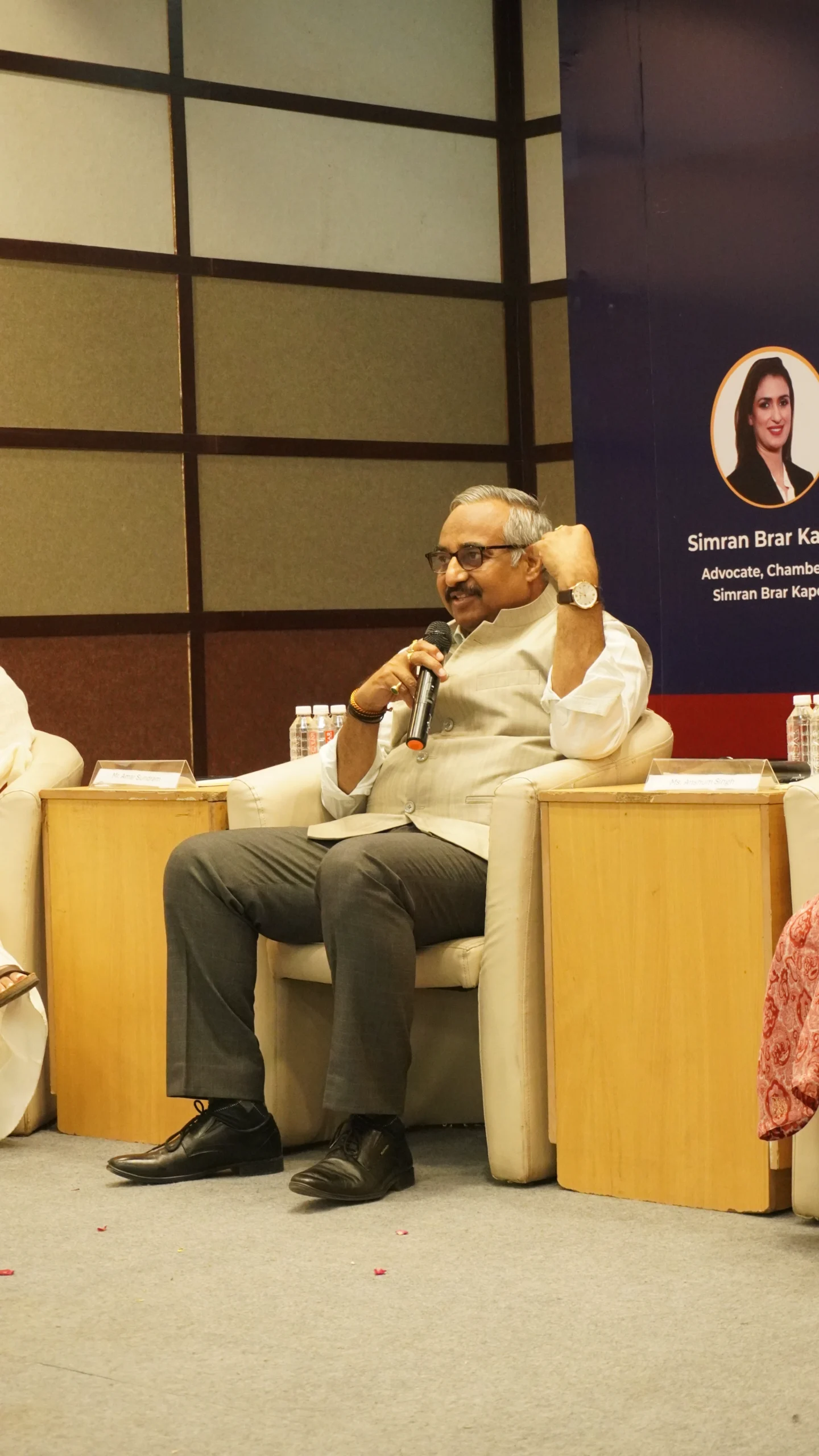
Panel 2, moderated by Dr. Astha Mehta and featuring Mr. Amar Sundaram (Senior Vice President, Legal General Counsel & Chief Compliance Officer, NEC Corporation India), Mr. Rahul Kinra (Partner, J Sagar Associates), and Ms. Anshum Singh (Partner, Wadhwa Law Offices), examined AI integration from a corporate counsel perspective, highlighting that over-reliance on AI tools creates significant professional risk through fabricated citations, unverified outputs, and erosion of professional discipline — emphasising the imperative of sector-specific governance, internal verification systems, and meaningful human involvement in fiduciary legal work.
Cross-cutting themes across both panels included the unresolved question of accountability and liability where AI-generated errors could replicate across large volumes of contracts, the tension between efficiency and contextual judgment, and serious concerns regarding hallucinations, historical-data limitations, embedded bias, and jurisdictional variation in model outputs — collectively underscoring that AI integration in commercial contracting is a structural transformation rather than a temporary disruption.
The roundtable generated concrete recommendations for multiple stakeholder groups: legal practitioners were urged to adopt AI strategically with robust verification protocols; corporations were advised to institute internal governance frameworks and conduct rigorous vendor diligence; academic institutions were called upon to integrate AI literacy and ethical reasoning into curricula; and regulators were urged to establish clear standards of accountability, transparency, and oversight in the deployment of AI in legal practice.
Students gained direct exposure to practitioner and corporate counsel perspectives on AI-augmented legal practice through a high-quality panel featuring senior advocates, law firm partners, and in-house legal leaders — bridging the gap between academic instruction in contract law and the rapidly evolving professional realities of commercial practice.
Through the deliberations of Panel 1, students developed a nuanced understanding of how AI is currently deployed across legal workflows — including document summarisation, chronology-building, research assistance, risk identification, and pattern recognition — and why human oversight and critical evaluation remain indispensable despite these technological capabilities.
Panel 2 provided students with a corporate-lens understanding of AI integration, exposing them to the practical challenges of in-house legal departments including vendor diligence, cross-functional coordination, governance system design, and the imperative of balancing cost efficiency with professional legal accountability.
The cross-cutting discussions on accountability, liability, hallucinations, embedded bias, and jurisdictional variance equipped students with a critical framework for evaluating AI-generated legal outputs — a directly applicable skill set as AI tools become standard instruments in legal practice.
The audience interaction and Q&A session — involving faculty members and students engaging directly with senior panelists on lawyer accountability, the reliability of AI-generated material, and the preparedness of legal education — reinforced the practical and ethical dimensions of AI use in law, encouraging students to develop the self-discipline, verification habits, and judgment-intensive capabilities that the profession will increasingly demand.