


Mediation in Practice – “From Conflict to Consensus: Mastering the Art of Mediation”
14 April 2026, Tuesday
14 April 2026, Tuesday
11:00 AM
01:00 PM
School of Law, IILM University, Gurugram
School of Law, IILM University, Gurugram
IILM University, Gurugram
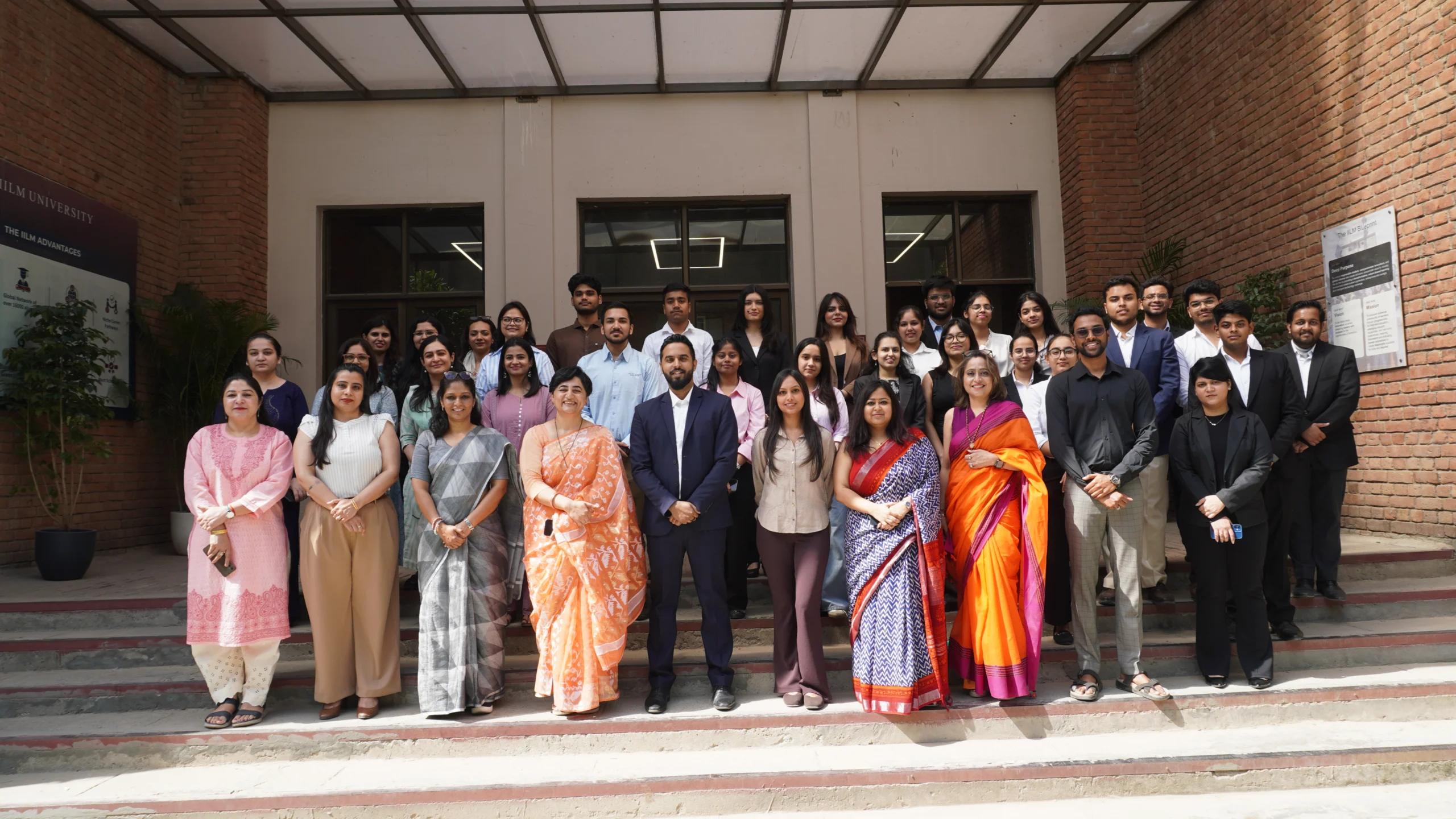
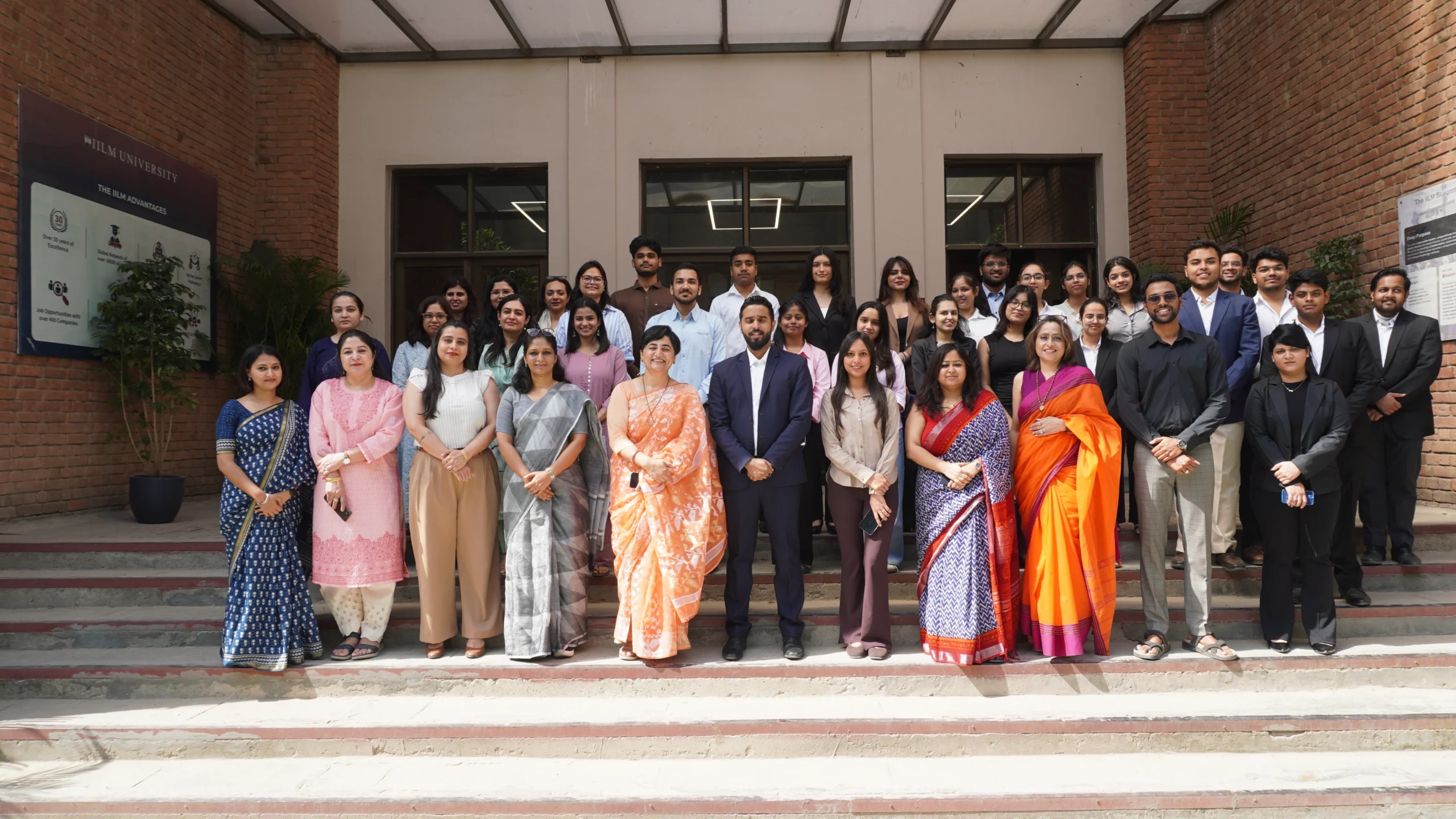
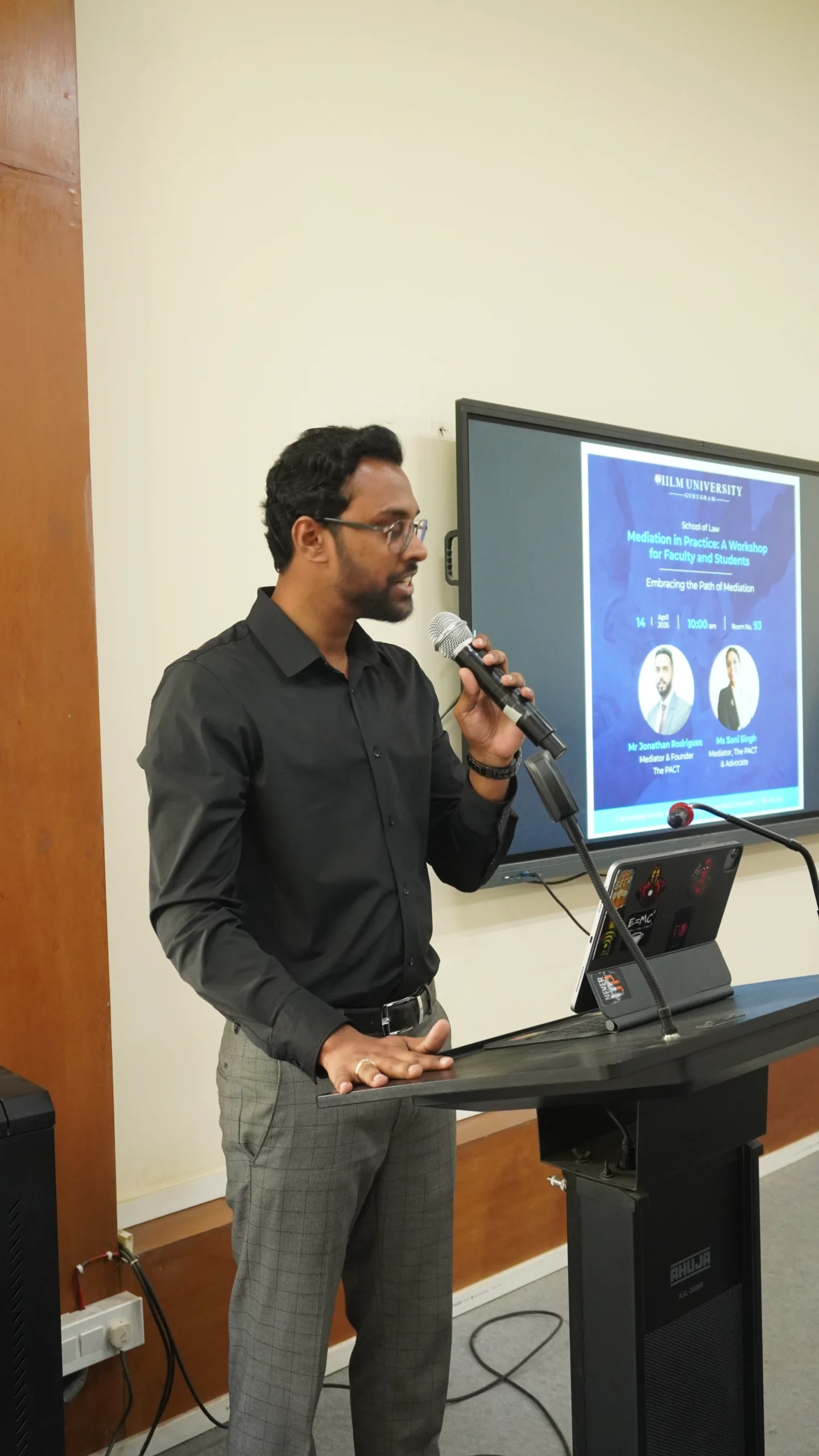
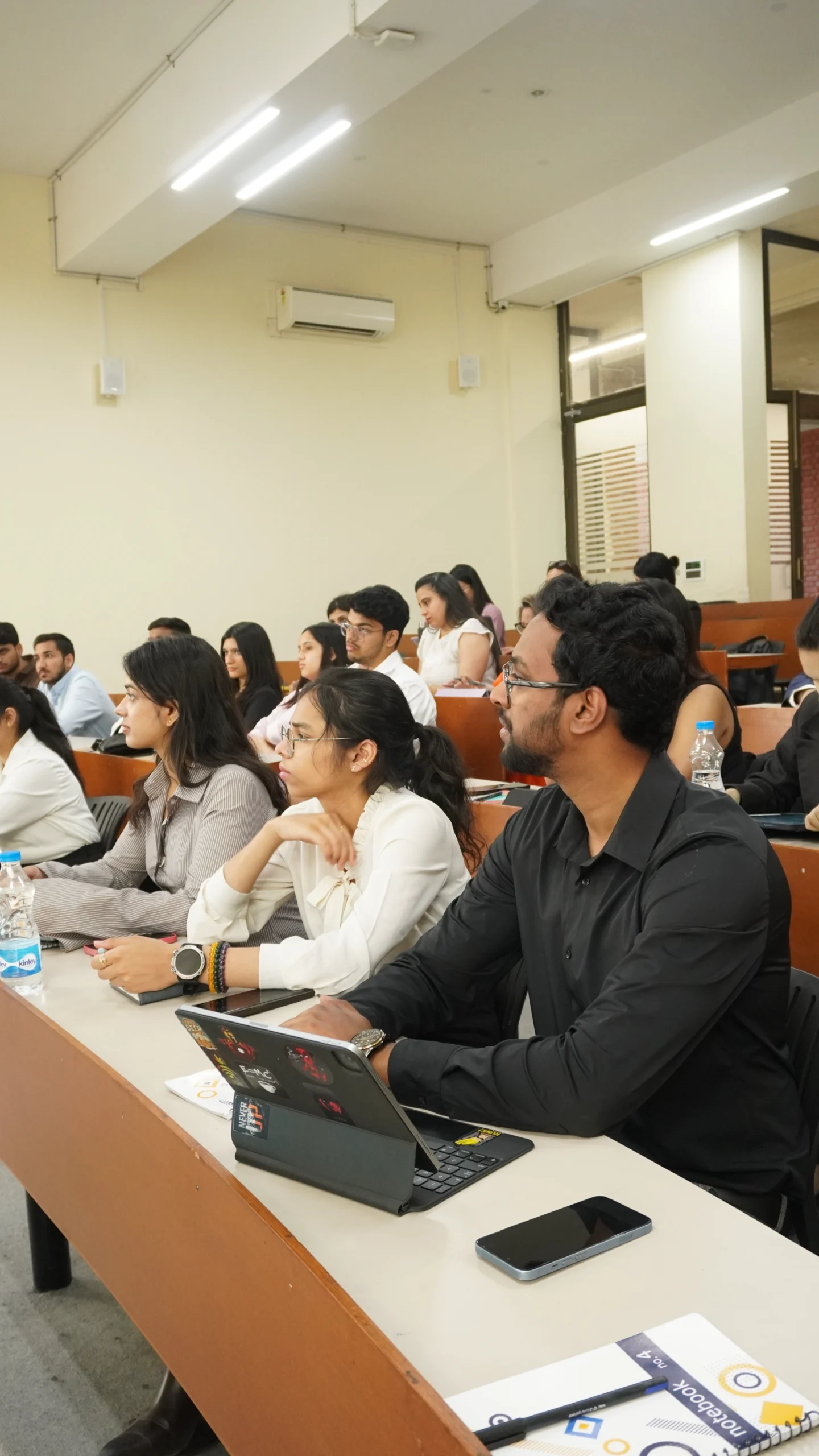
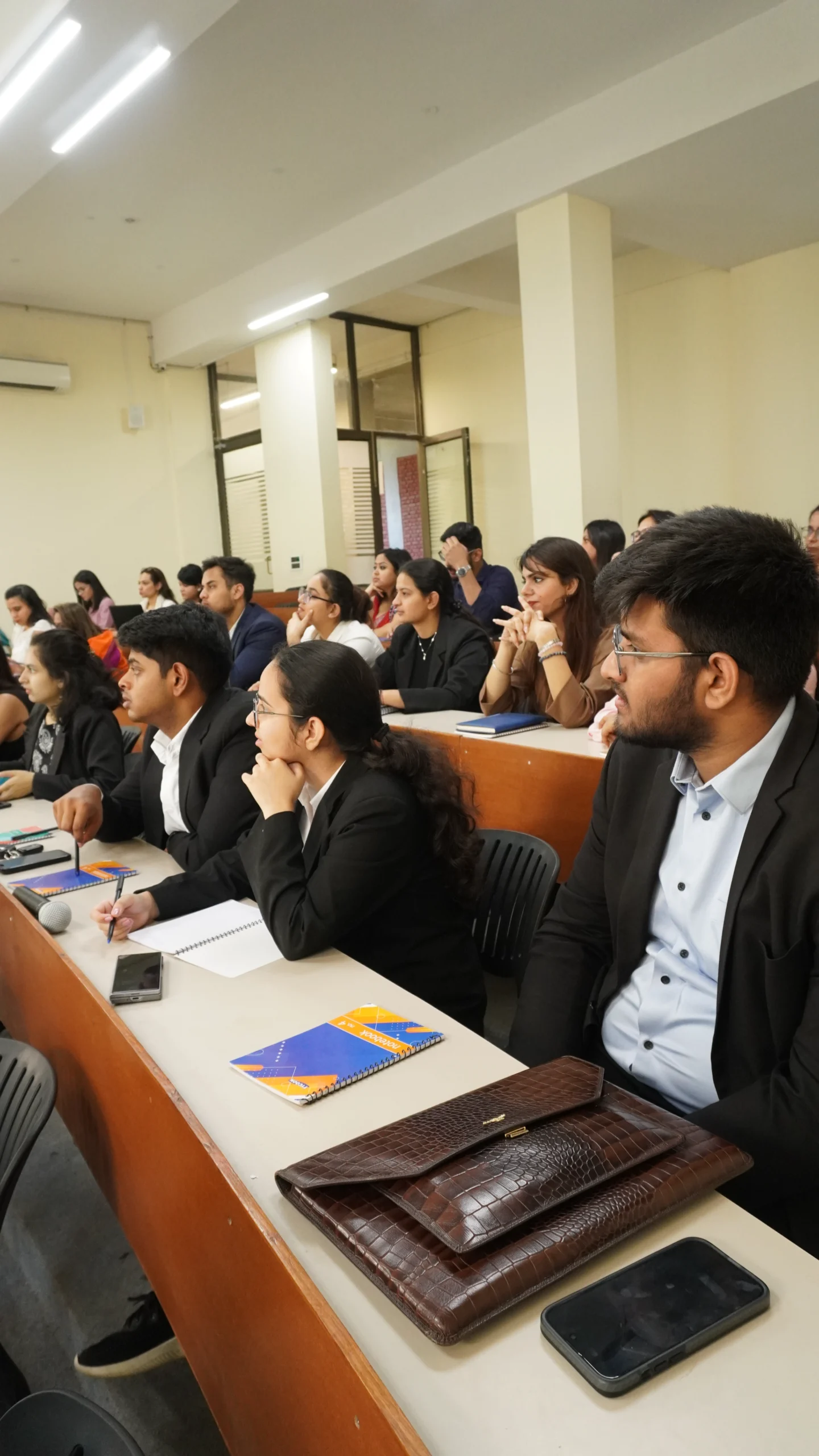
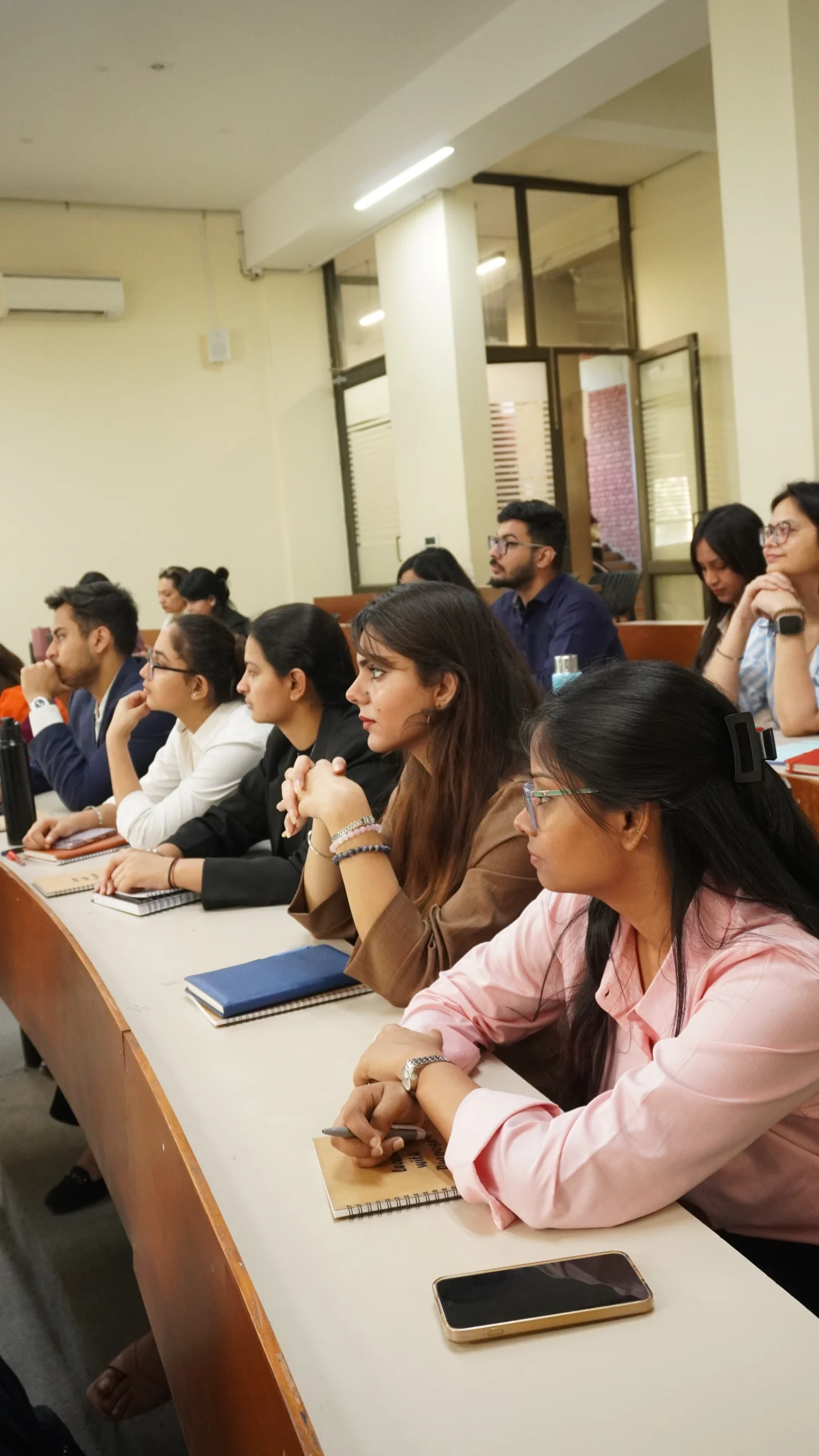
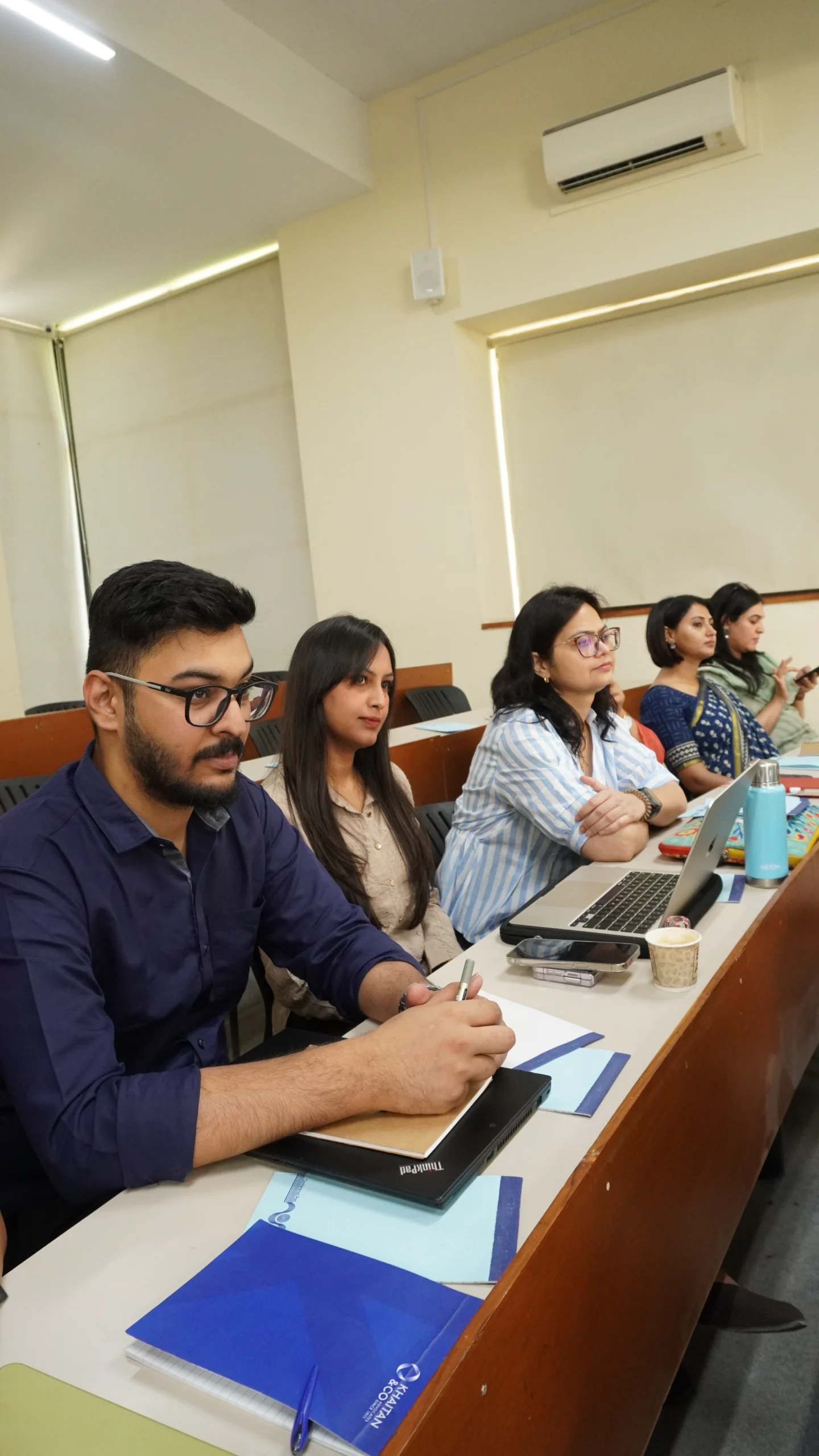
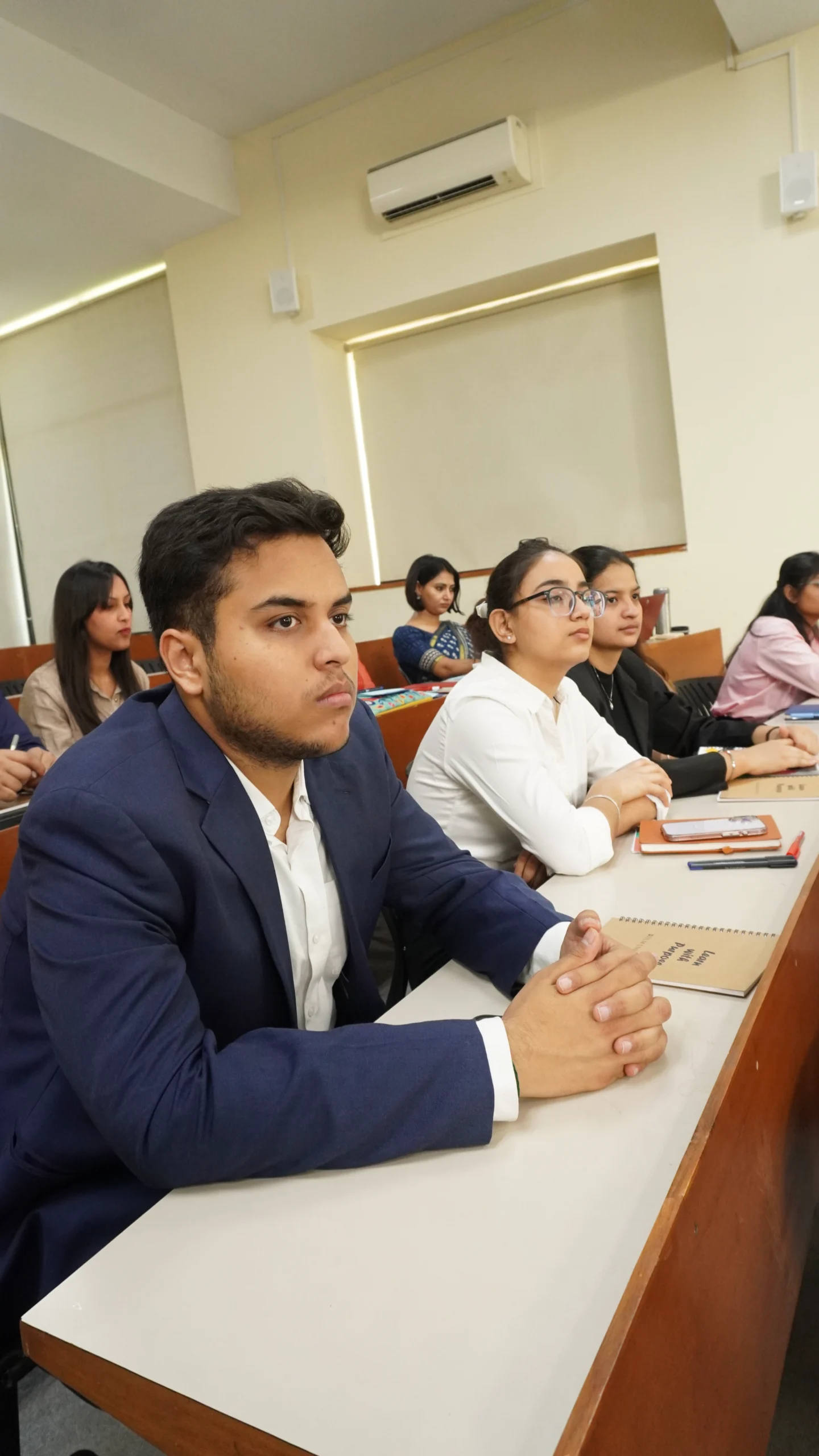
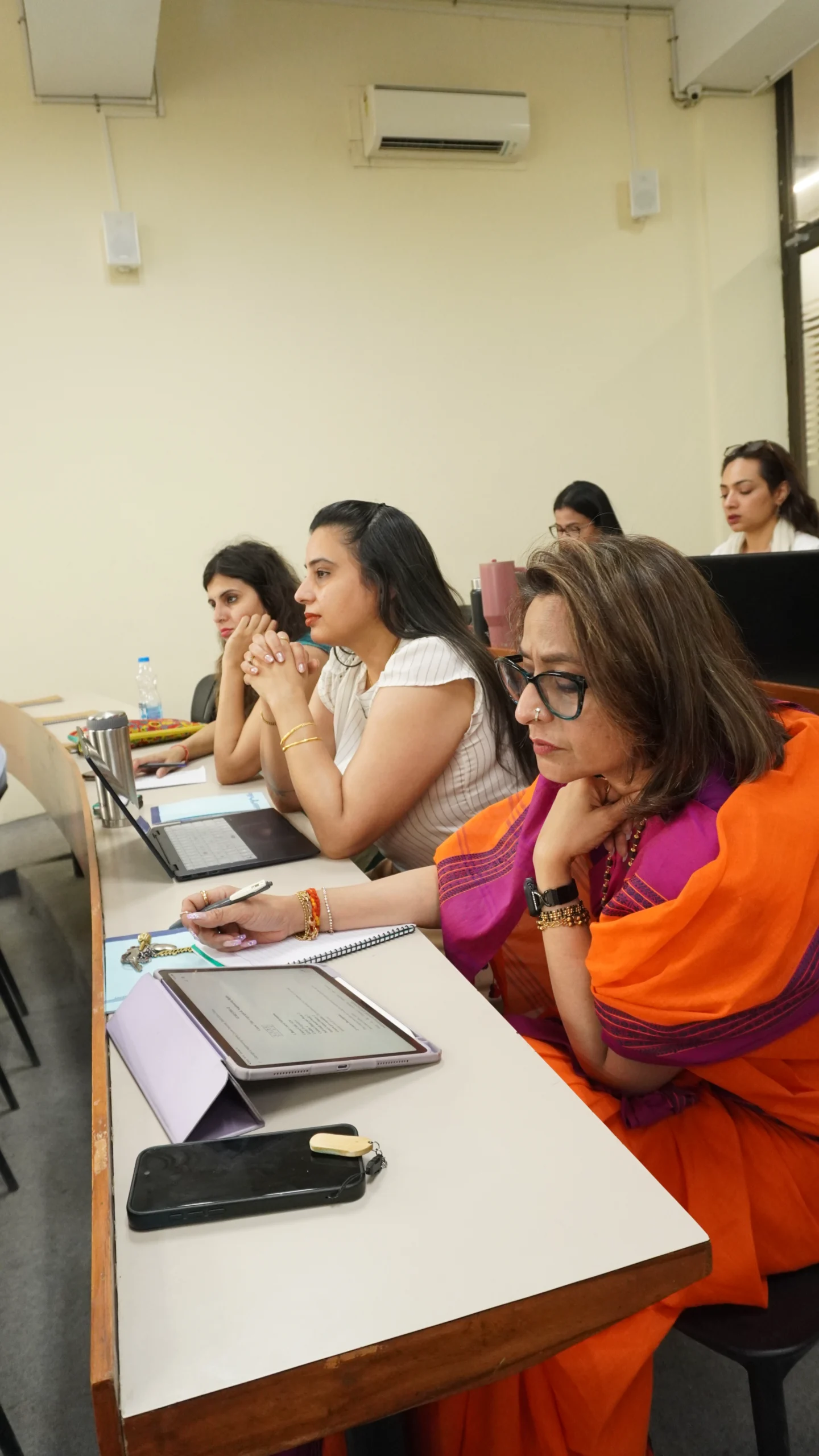
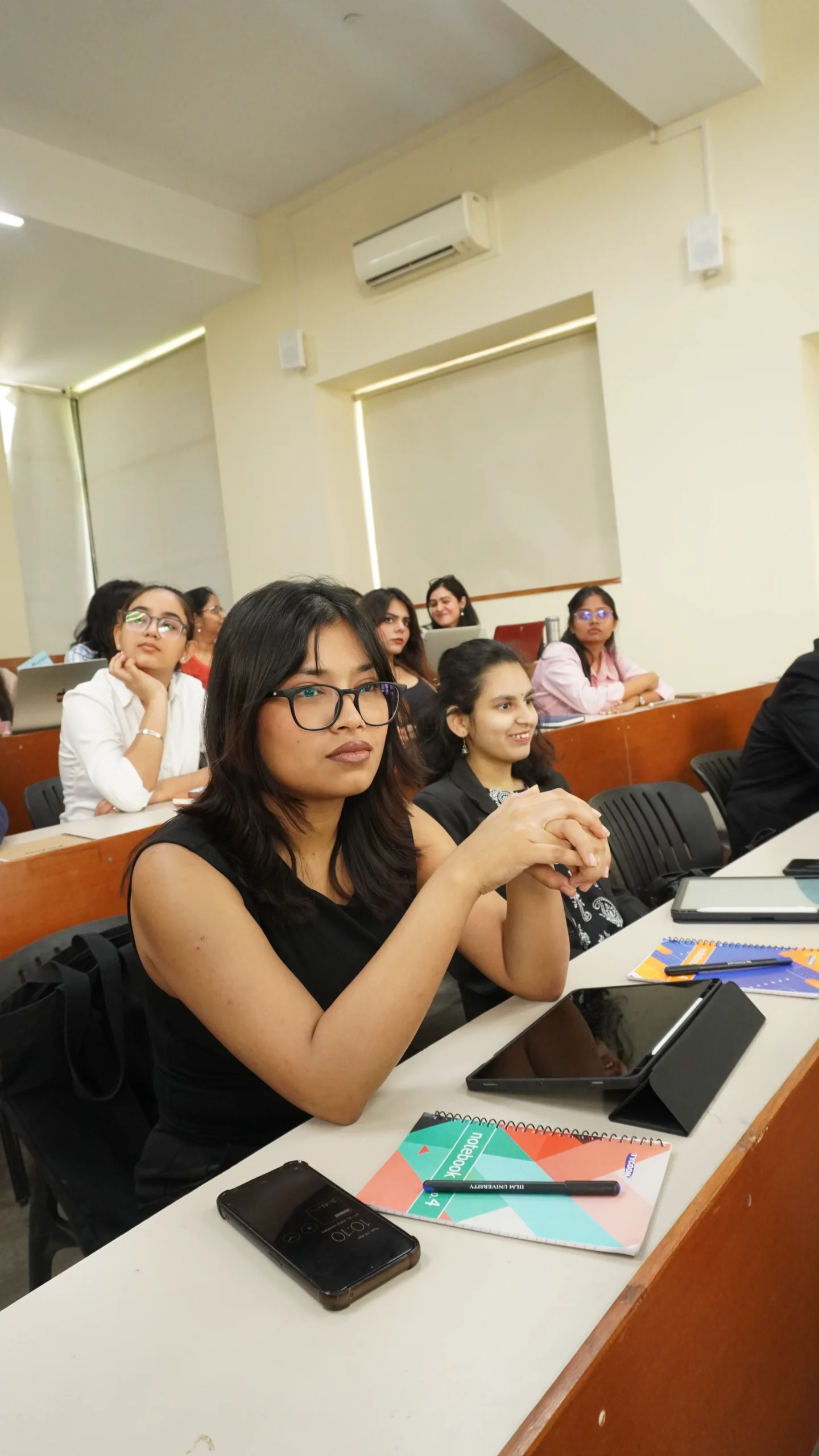
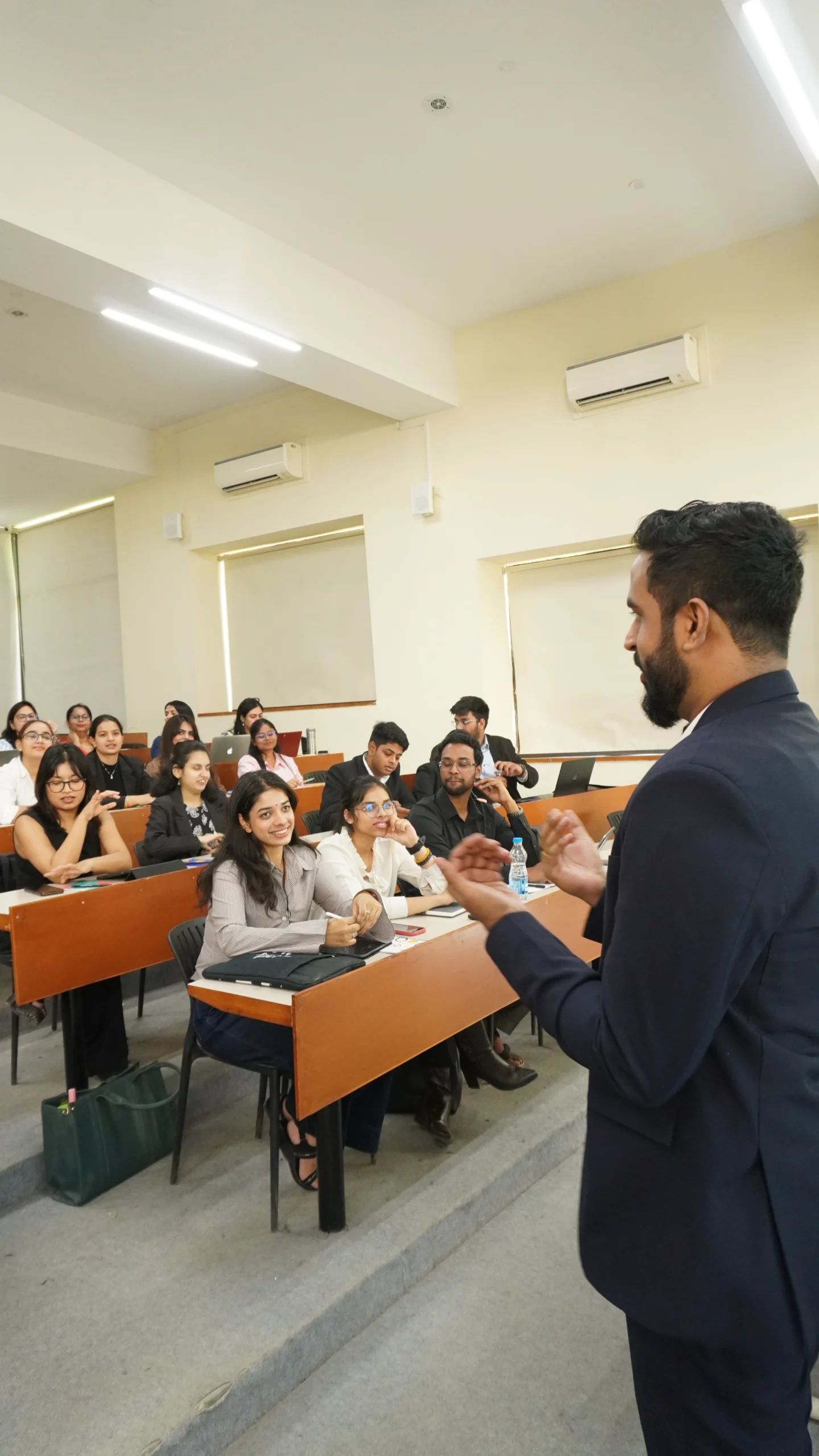
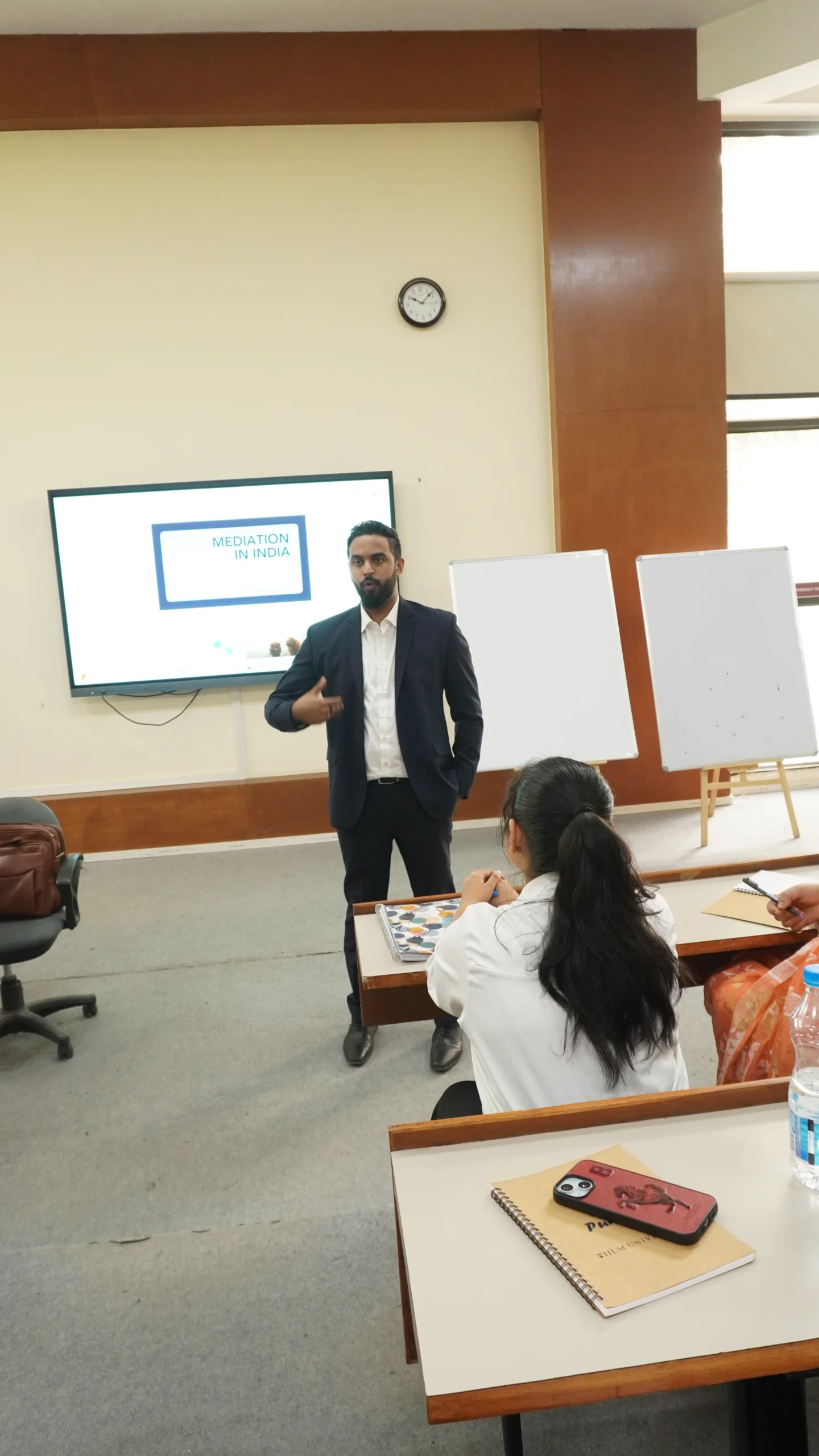
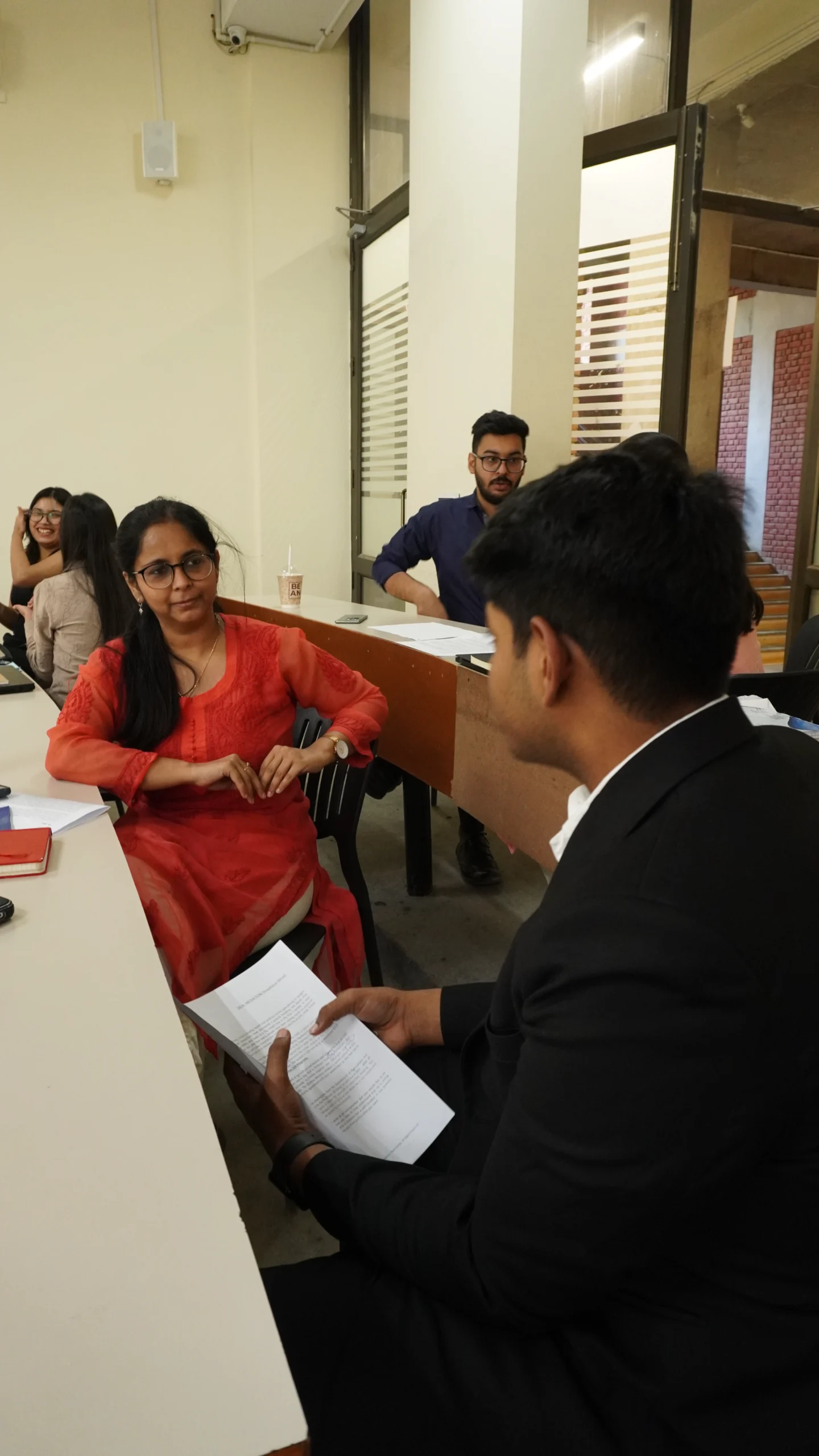
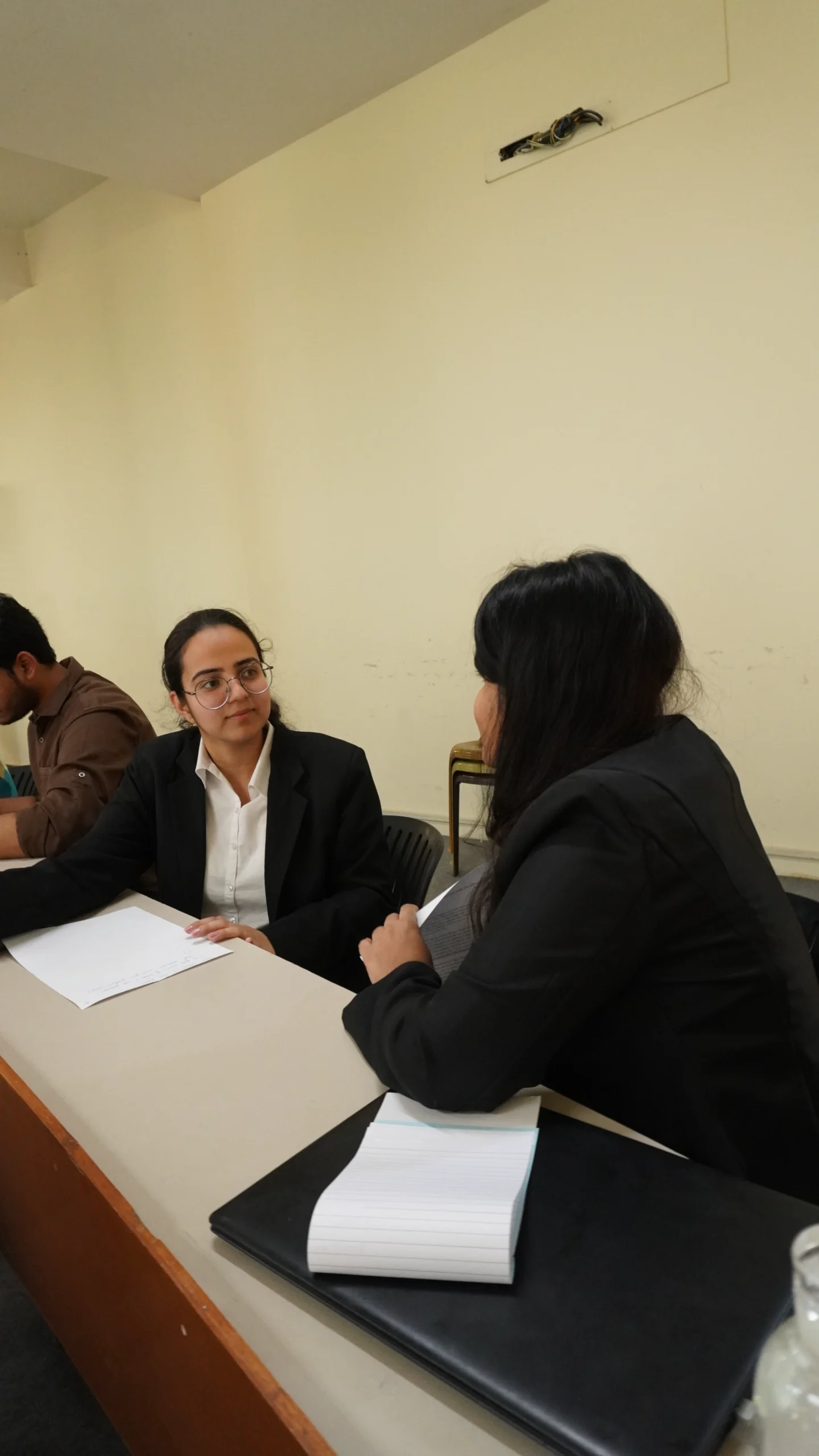
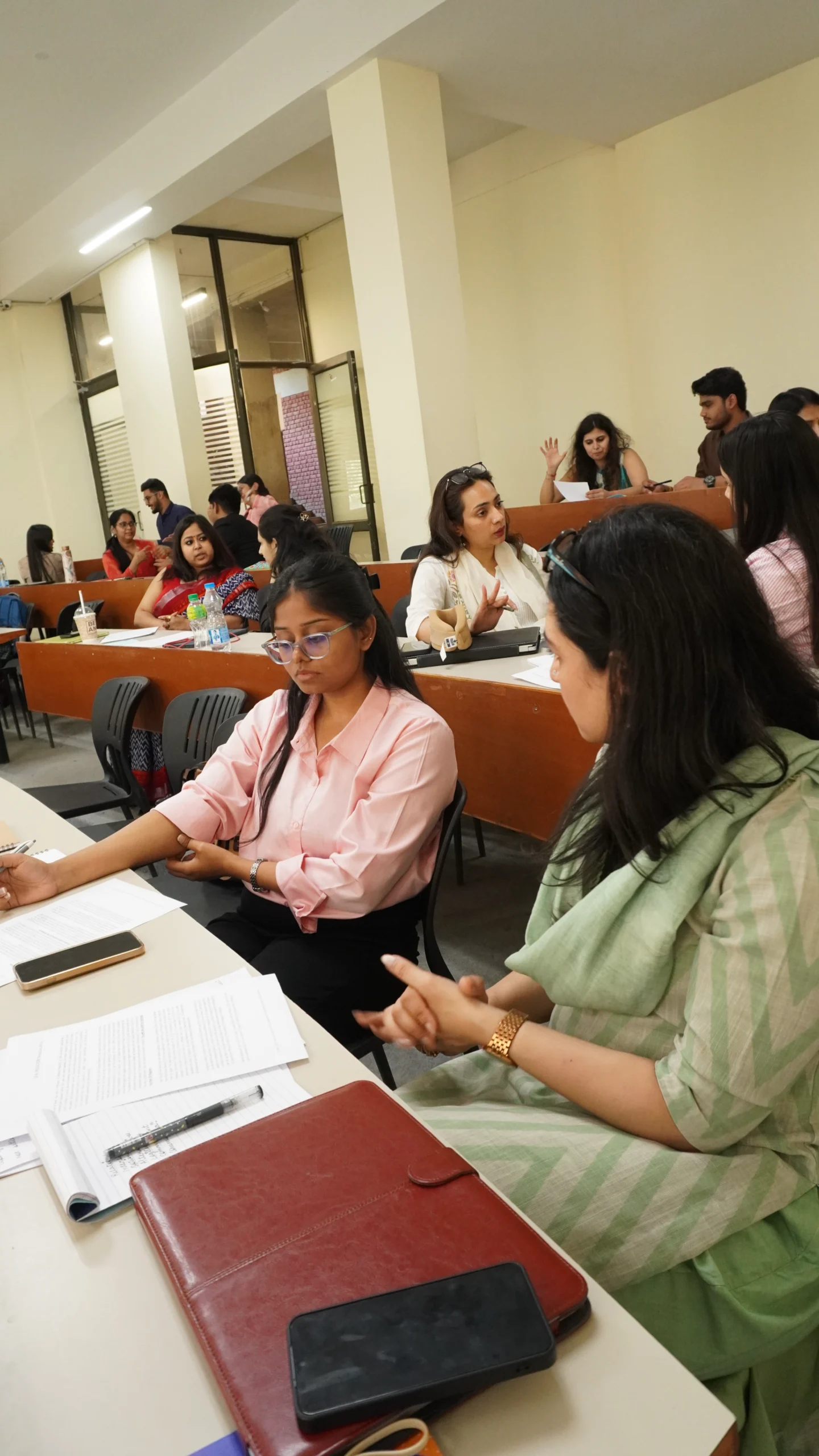
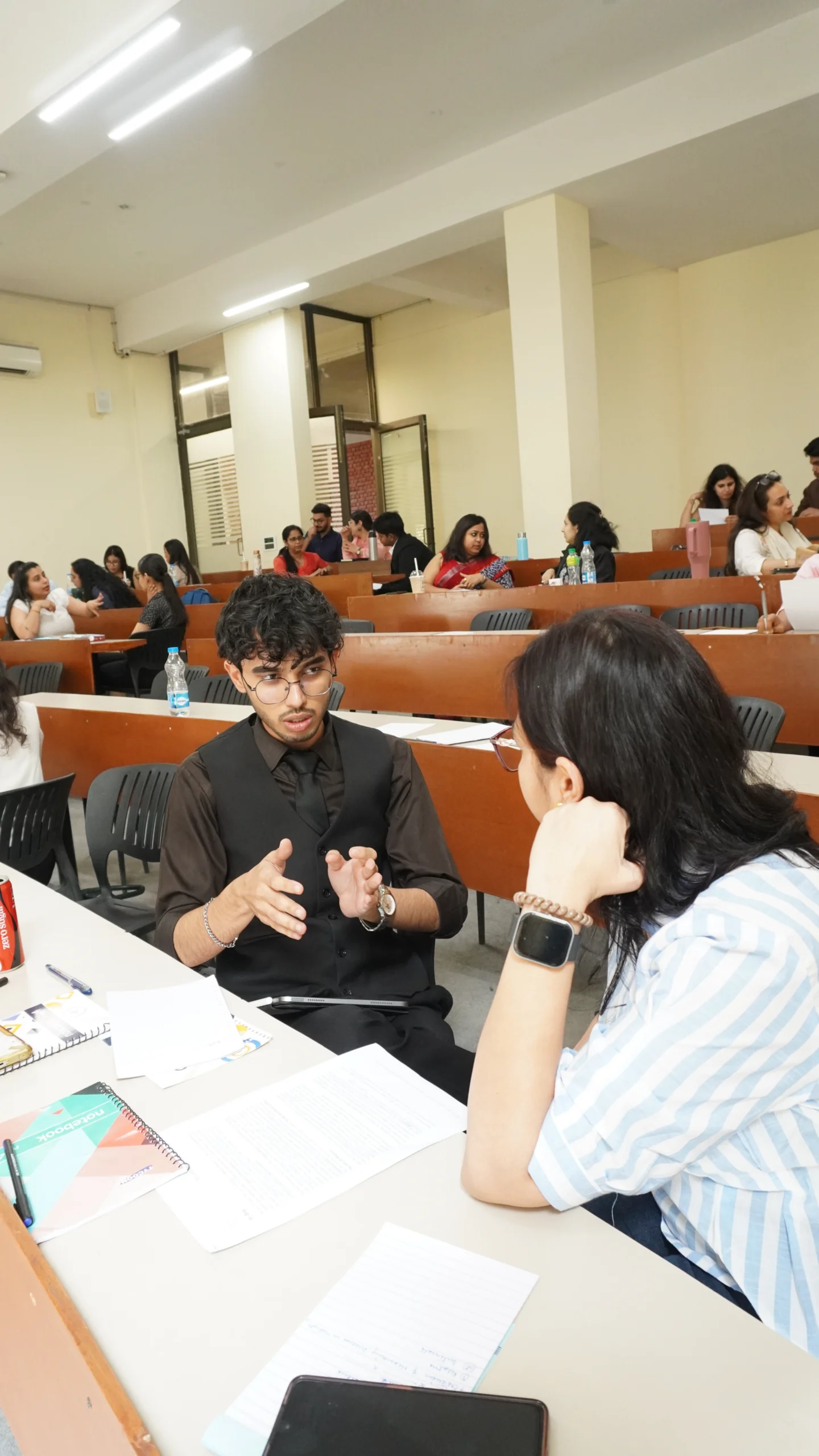
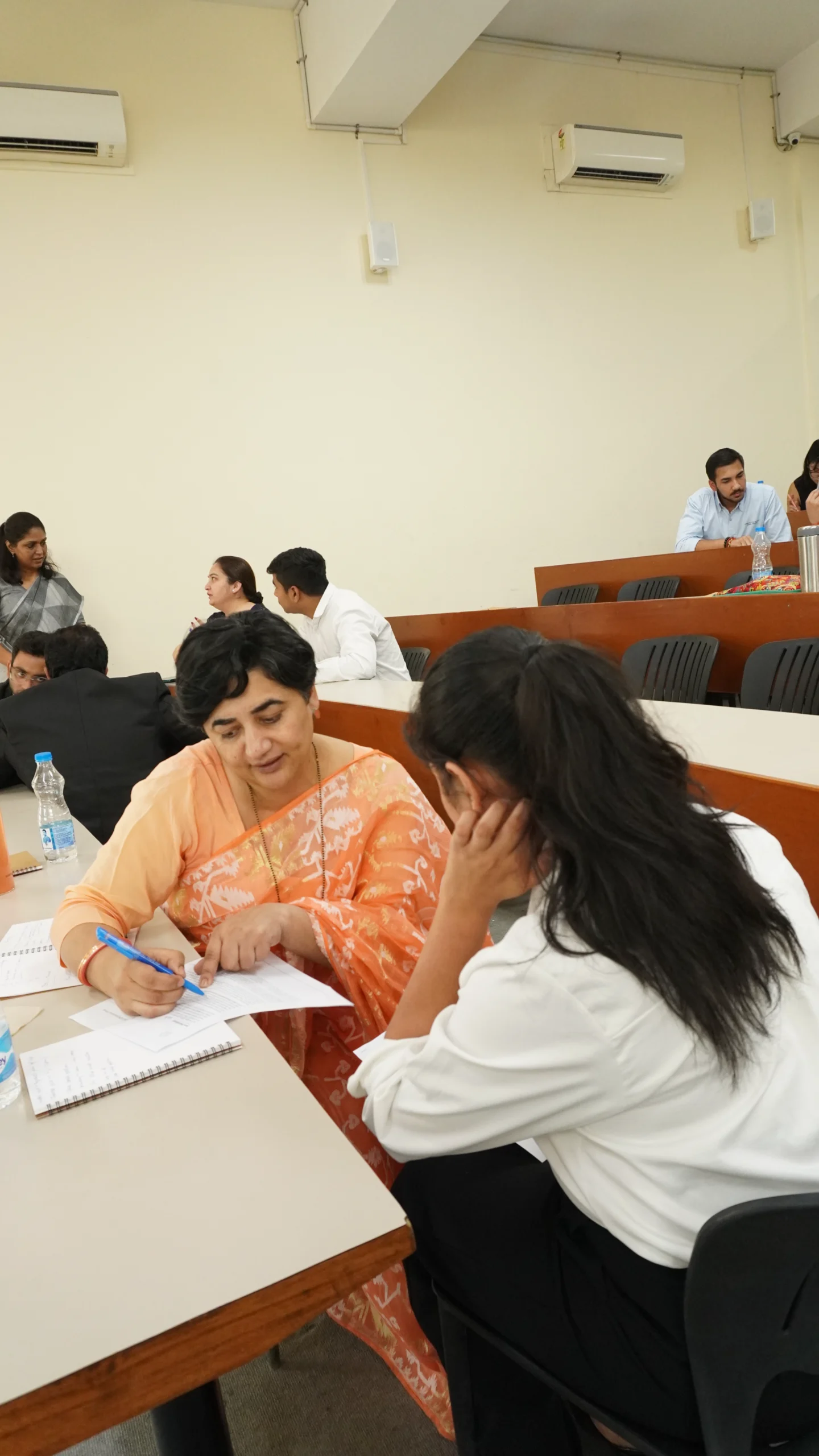
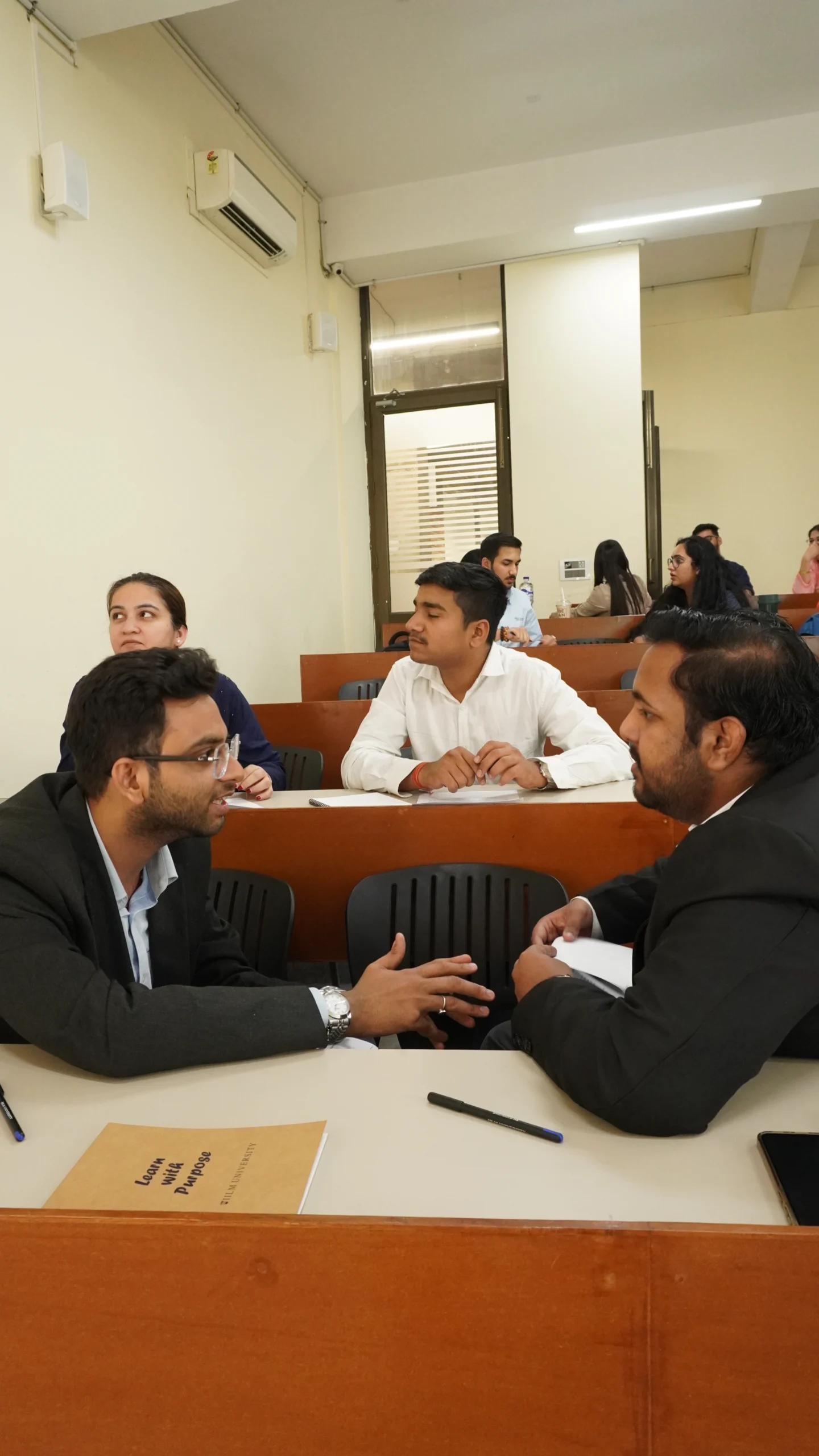
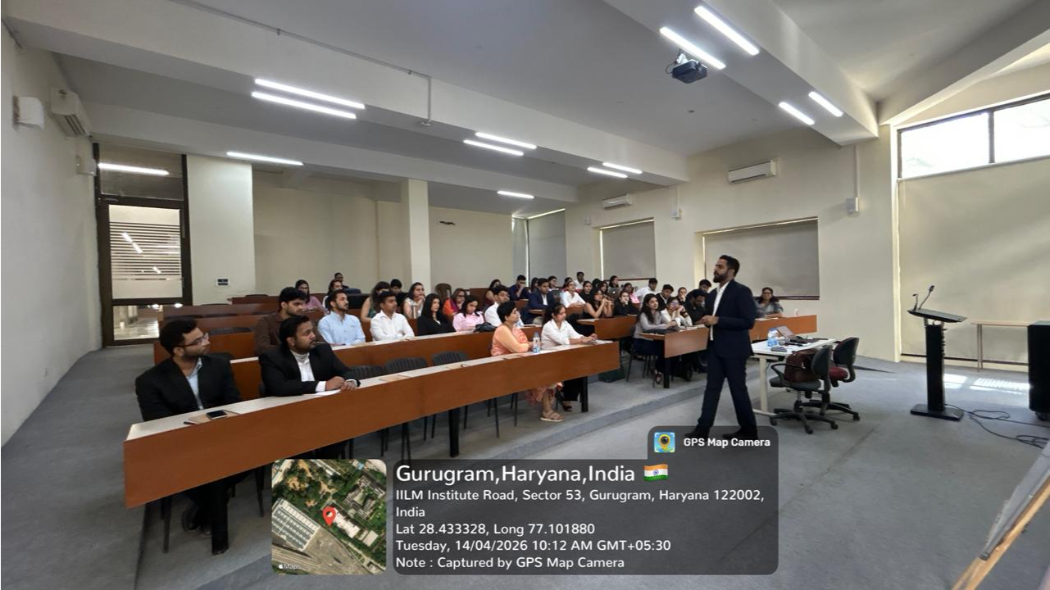
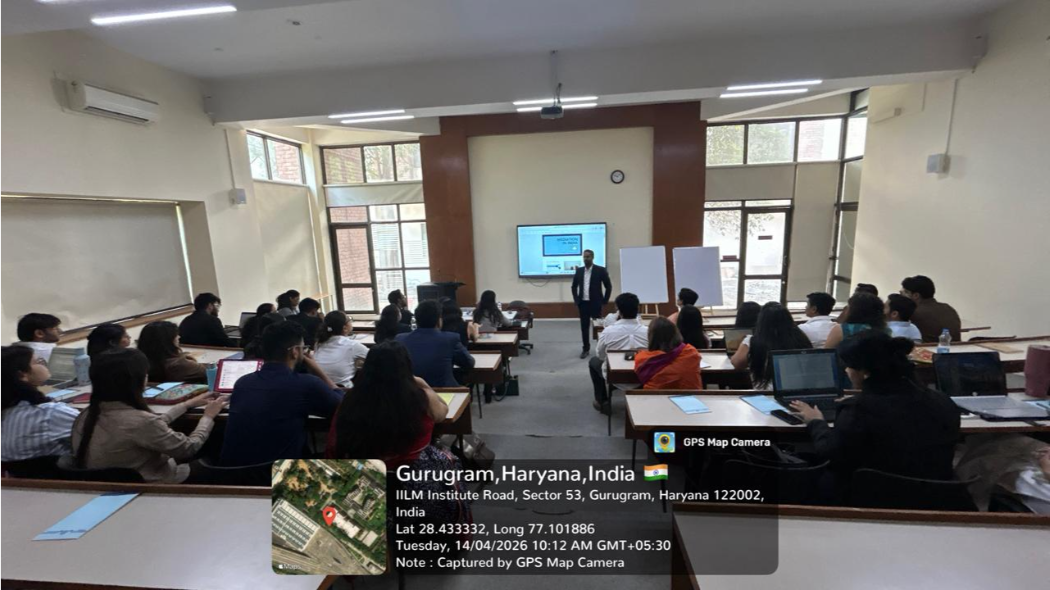
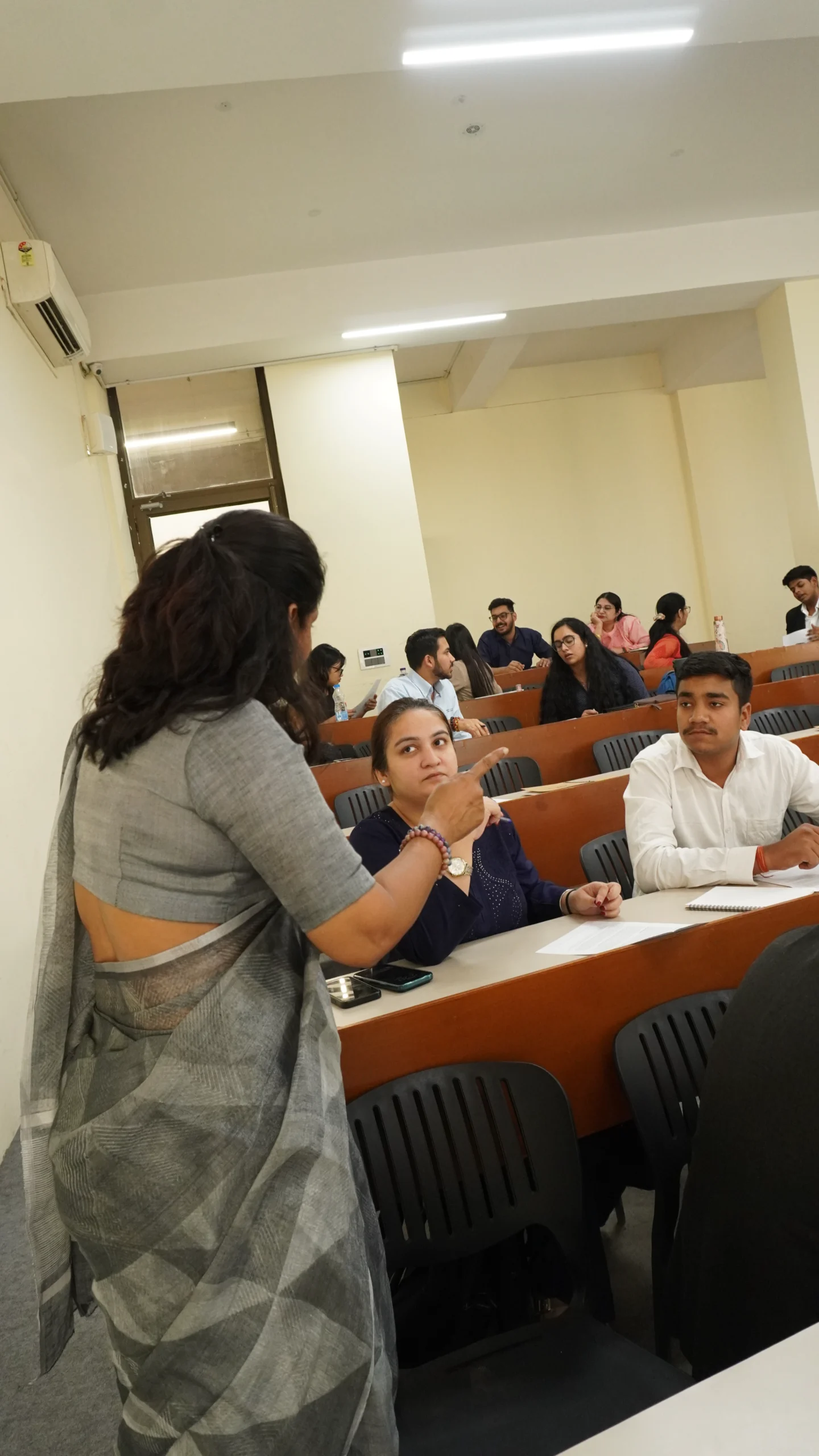
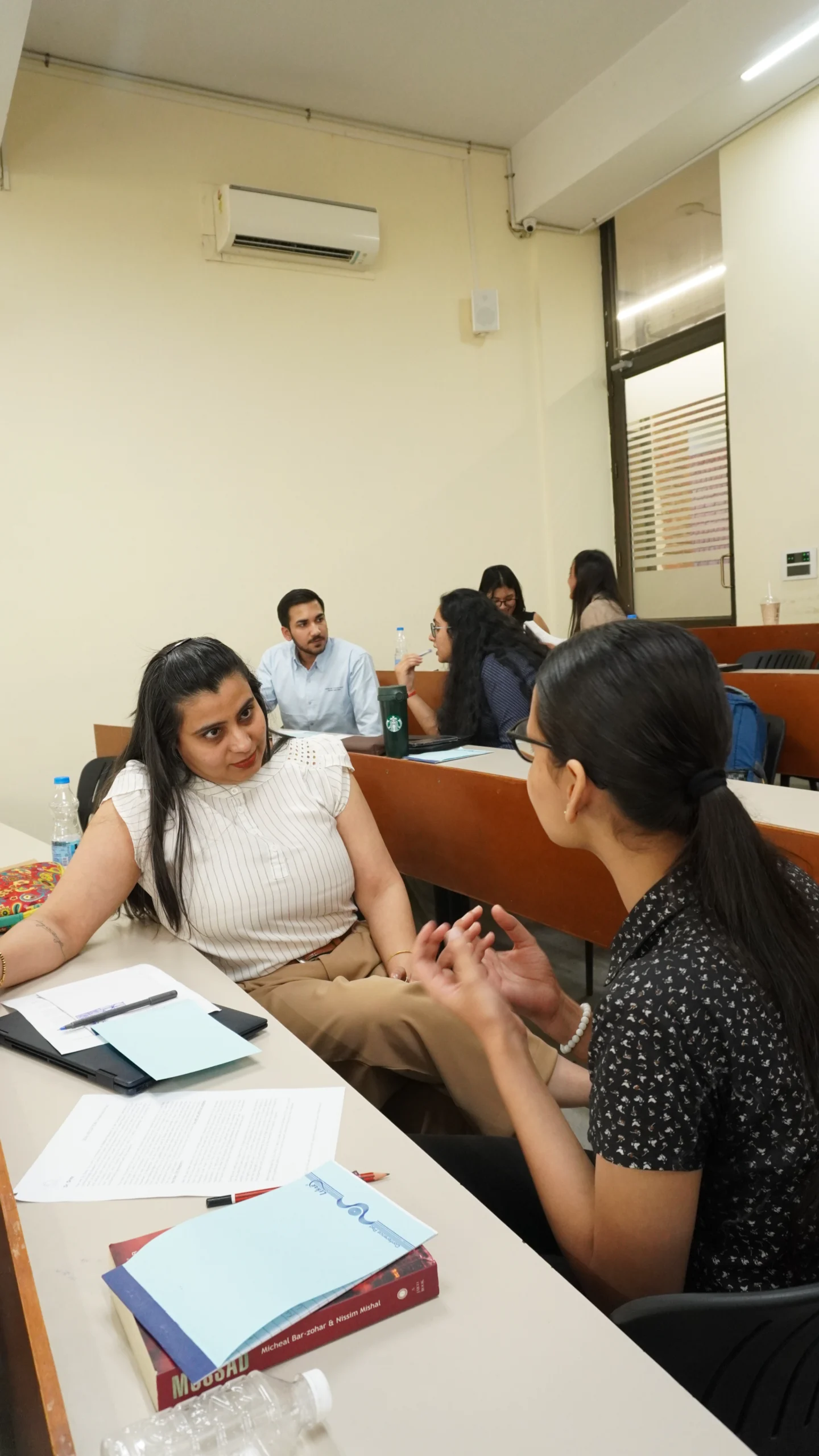
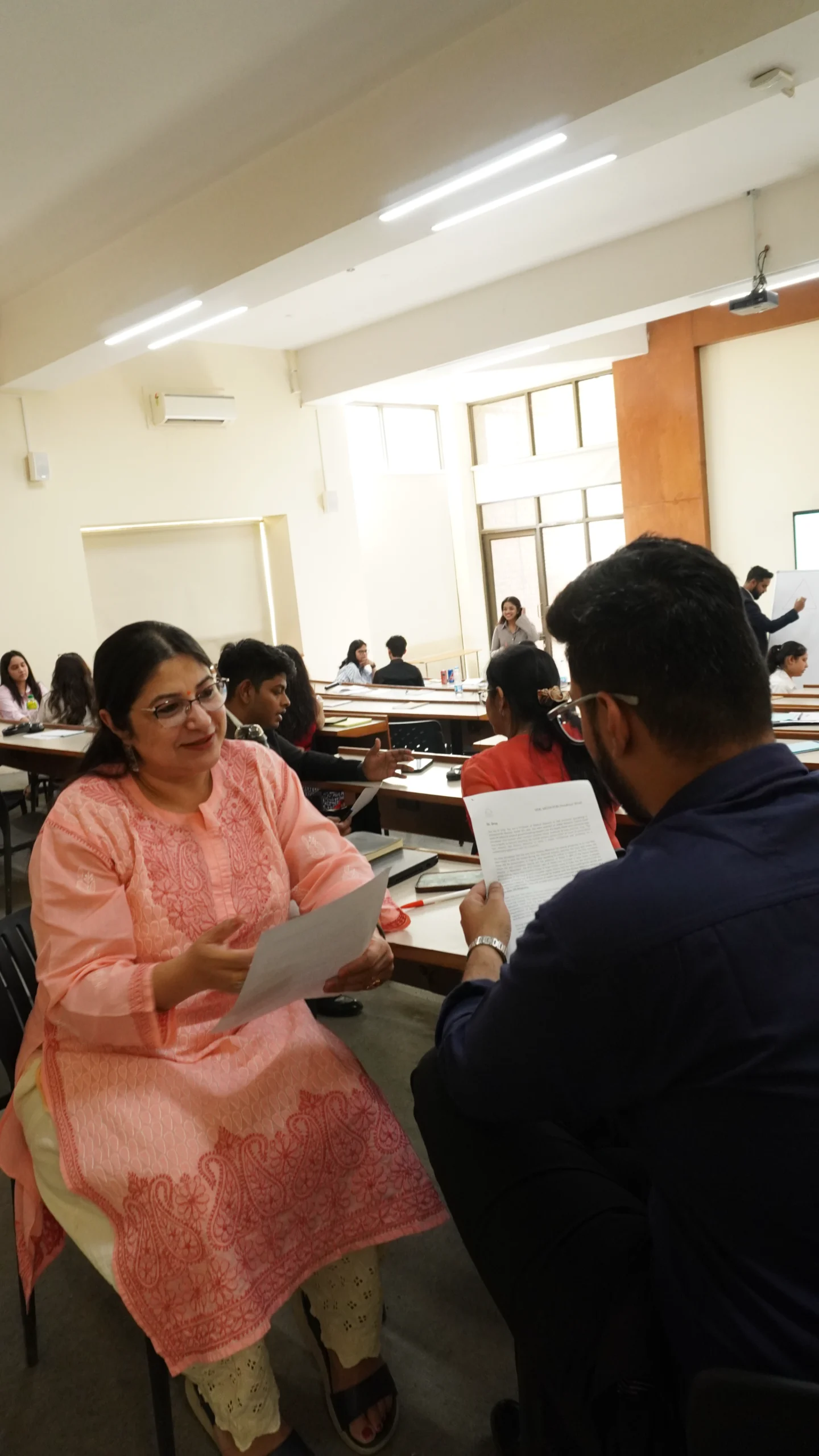
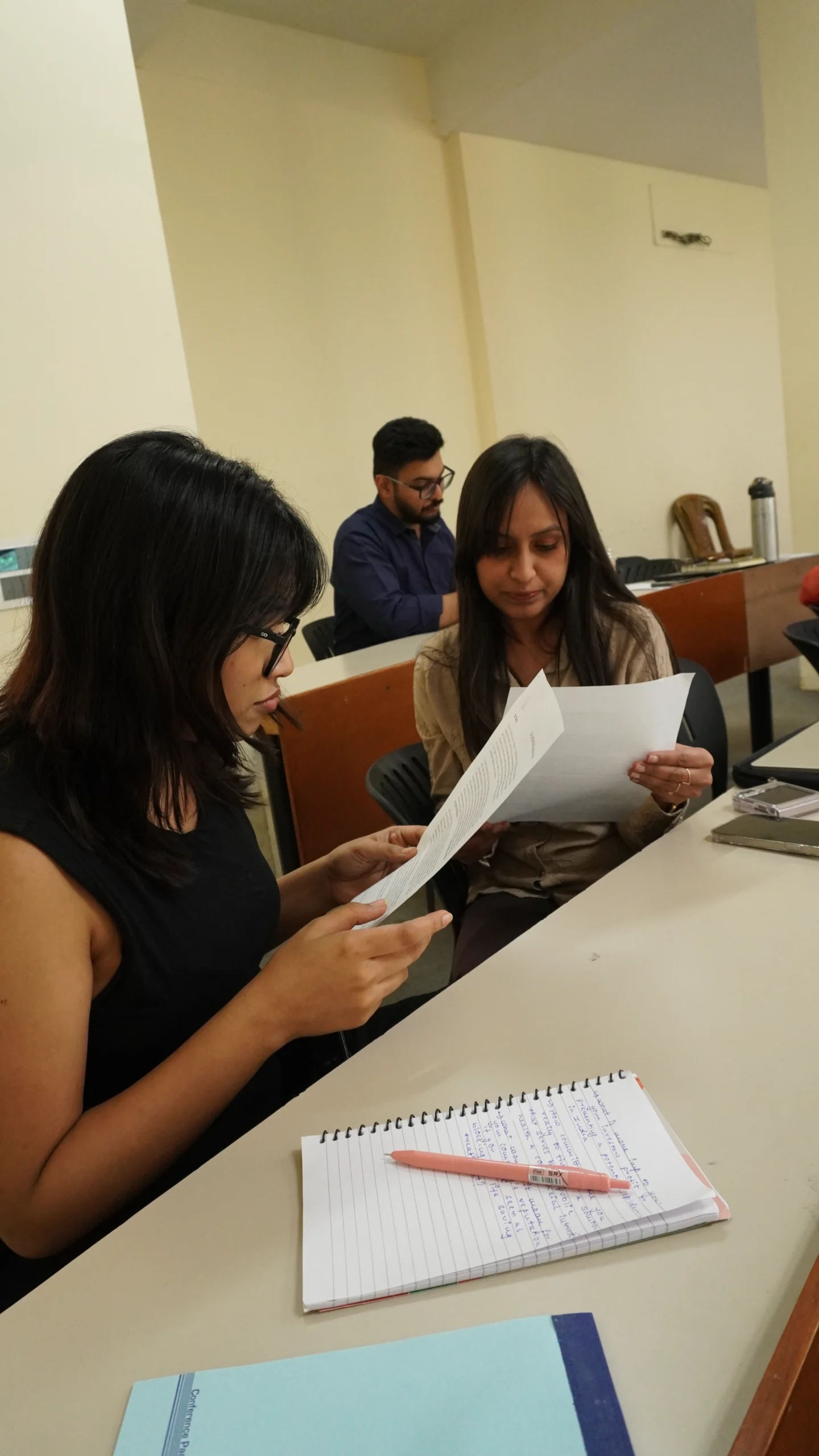
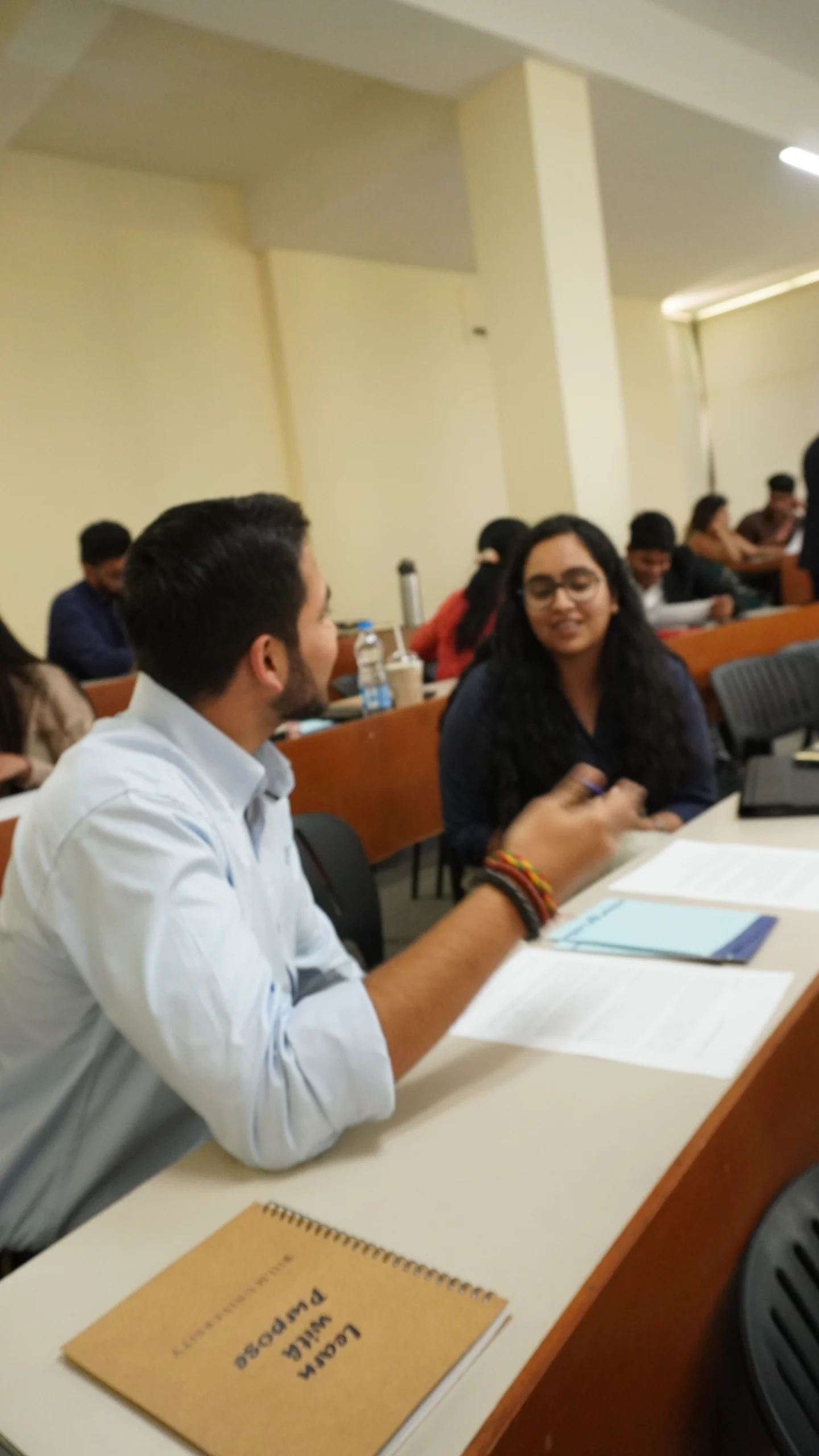
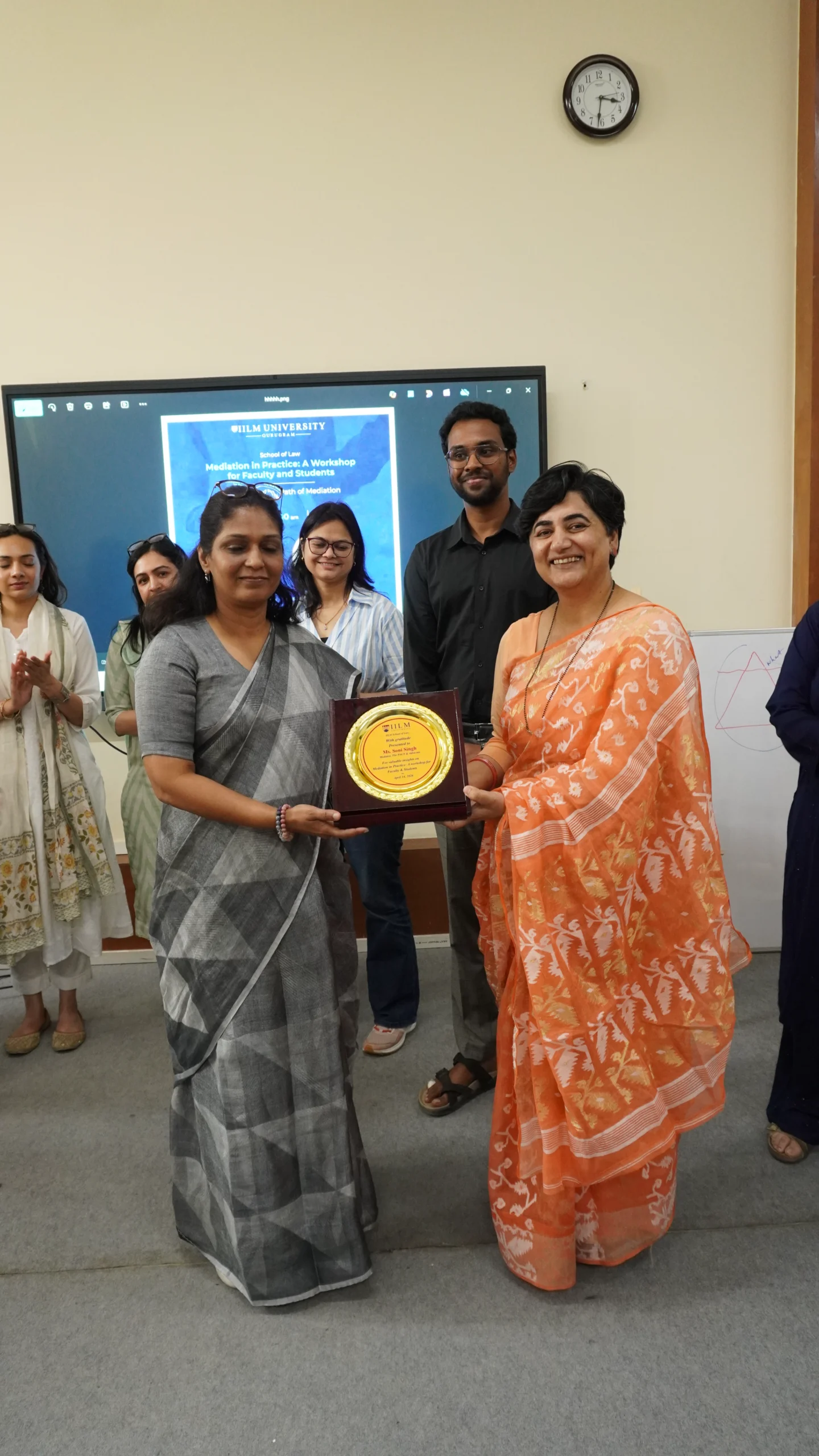
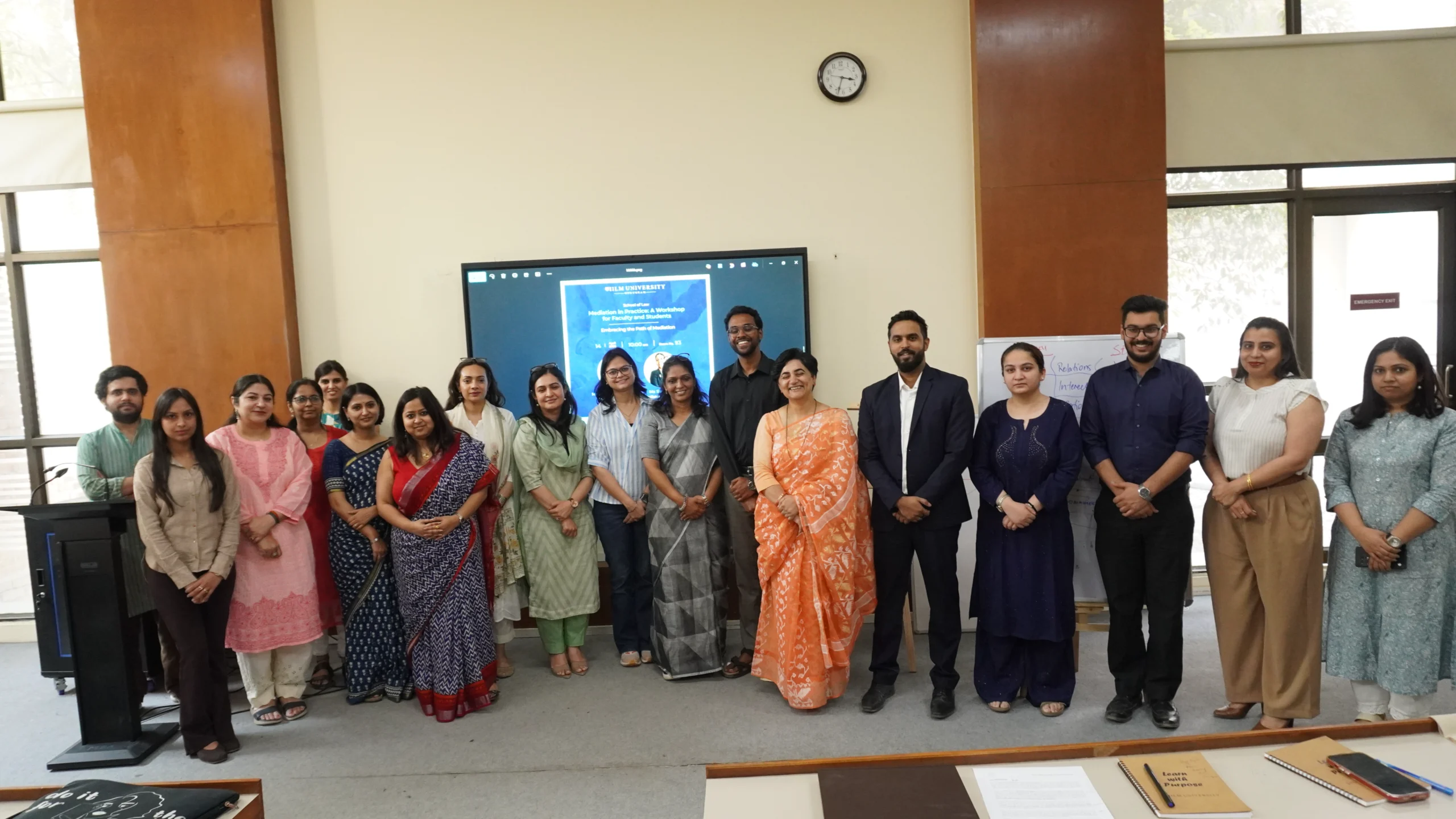
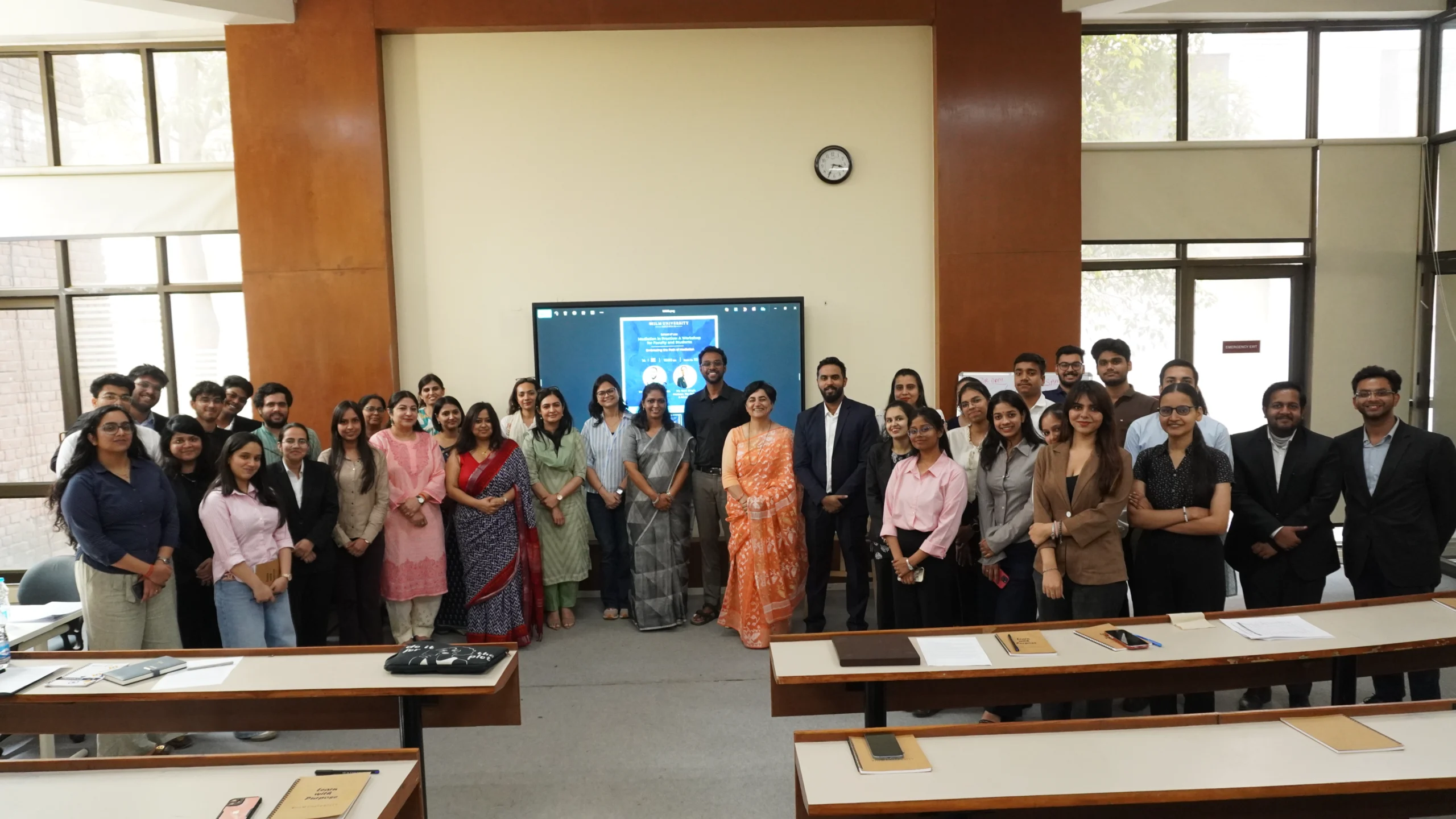
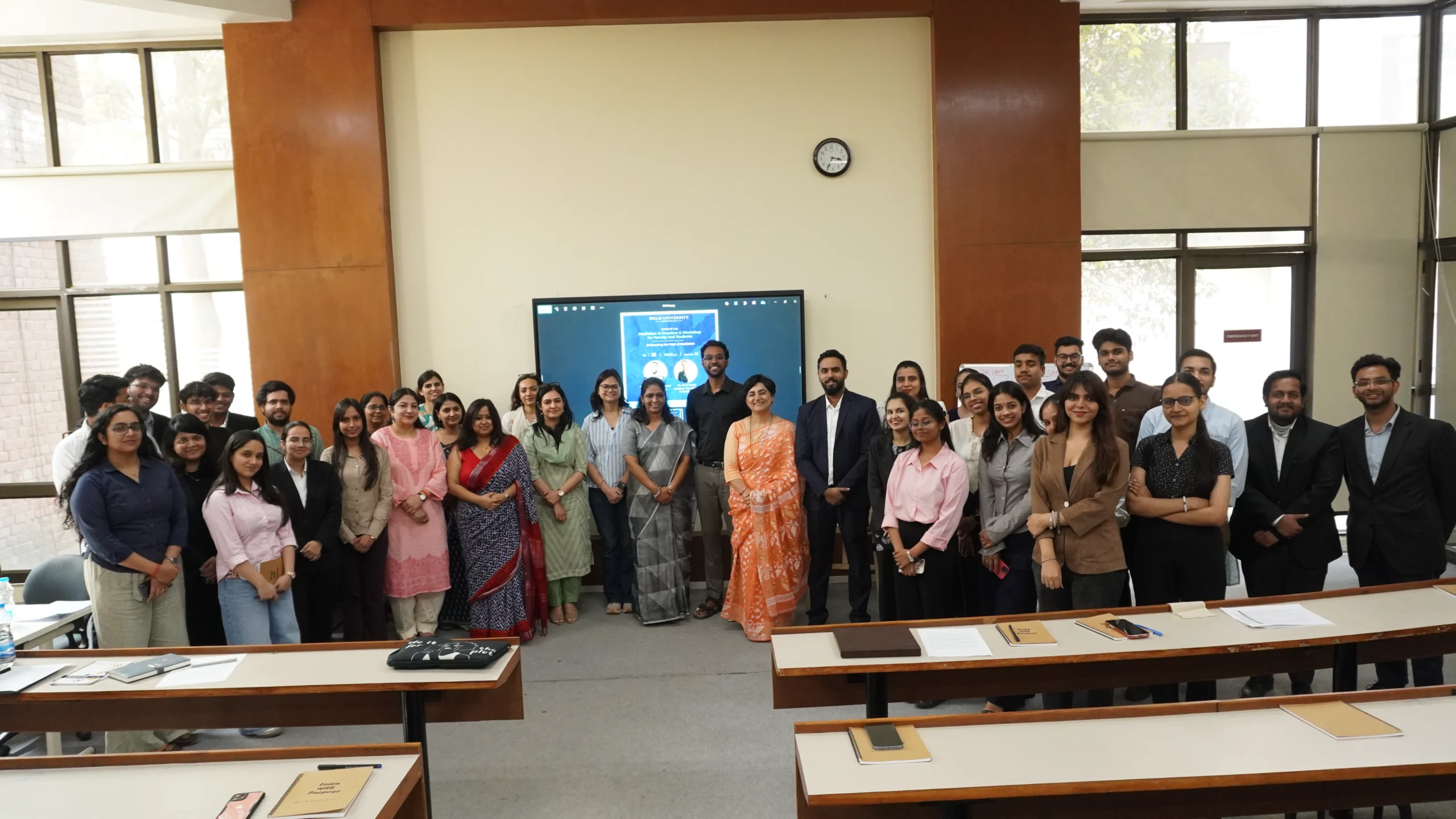
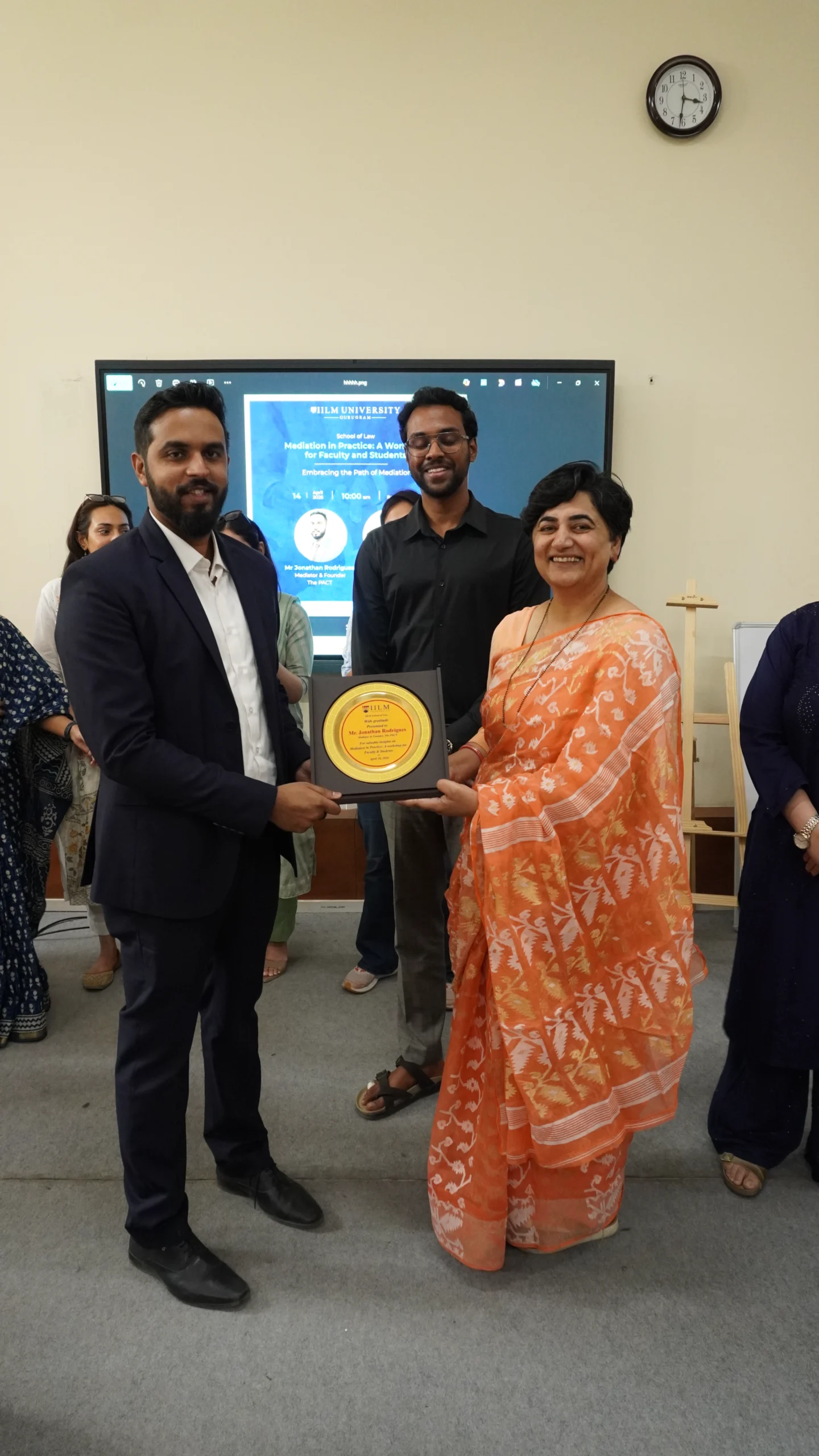
The School of Law at IILM University, Gurugram, hosted Mediation in Practice — a structured training programme for both faculty and students themed “From Conflict to Consensus: Mastering the Art of Mediation” — led by Mr. Jonathan Rodrigues, Mediator and Founder of The PACT, whose practical expertise in mediation brought a depth of real-world insight to the session that extended well beyond theoretical frameworks.
The programme was designed to equip both students and faculty with a working understanding of how mediation functions as a distinct and consequential skill within the legal ecosystem — positioning mediation not as a peripheral alternative dispute resolution mechanism but as a core professional competency for any legal practitioner engaging with dispute resolution in a contemporary professional context.
Mr. Jonathan Rodrigues’s applied techniques, communication strategies, and professional mindset as an experienced mediator and founder of a dedicated mediation practice provided participants with the kind of practitioner knowledge that academic instruction in mediation theory rarely delivers — offering direct access to the nuanced, experience-grounded understanding of how effective mediation actually works in complex, real-world dispute contexts.
The training addressed mediation as a skill that sits alongside advocacy and legal research as a core competency for contemporary legal professionals — reflecting a sophisticated and forward-looking understanding of the legal profession in which the ability to facilitate constructive dialogue, manage conflict, and guide parties towards consensual resolution is as professionally valuable as the ability to argue before a court.
The programme’s joint orientation towards both students and faculty reflects a commitment to building mediation literacy across the full community of the School of Law — recognising that the integration of mediation practice into legal education requires both a curriculum that teaches it and a faculty that understands and values it sufficiently to embed it meaningfully across the range of legal education and professional development activities they deliver.
Students developed a working understanding of how mediation functions as a distinct professional skill within the legal ecosystem — acquiring the foundational competency in dispute resolution that is increasingly essential for legal practitioners operating in a professional environment where negotiated settlement, consensual resolution, and collaborative problem-solving are as valued as adversarial advocacy.
Exposure to Mr. Jonathan Rodrigues’s applied mediation expertise gave students direct access to practitioner knowledge that extends well beyond what academic instruction in mediation theory can provide — developing their understanding of the nuanced communication strategies, professional judgment, and situational adaptability that effective mediation demands in complex, high-stakes real-world disputes.
The training developed students’ communication skills in the specific context of conflict facilitation and consensus-building — building the empathetic listening, neutral framing, questioning technique, and strategic dialogue management skills that define effective mediators and that are broadly applicable to a wide range of professional and interpersonal contexts beyond formal dispute resolution.
Understanding mediation as a core legal competency that sits alongside advocacy and research expanded students’ professional identity and career orientation as aspiring lawyers — developing awareness of the diverse professional pathways within and adjacent to legal practice, and equipping them to serve clients and communities through a broader range of dispute resolution approaches than the courtroom alone can provide.
Participation in a training programme designed jointly for students and faculty created a distinctive learning environment in which students engaged with mediation as adult professionals rather than as passive recipients of instruction — building the professional confidence, peer learning orientation, and collaborative engagement with legal practice that characterises the most effective and continuously developing legal professionals.