


Forensic Psychology Workshop – “Bridging Mind, Crime and Justice”
25 March 2026, Wednesday
25 March 2026, Wednesday
11:00 AM
02:00 PM
Department of Psychology, IILM University, Gurugram
Department of Psychology, IILM University, Gurugram
Dr. Neha and Ms. Ashmita
IILM University, Gurugram
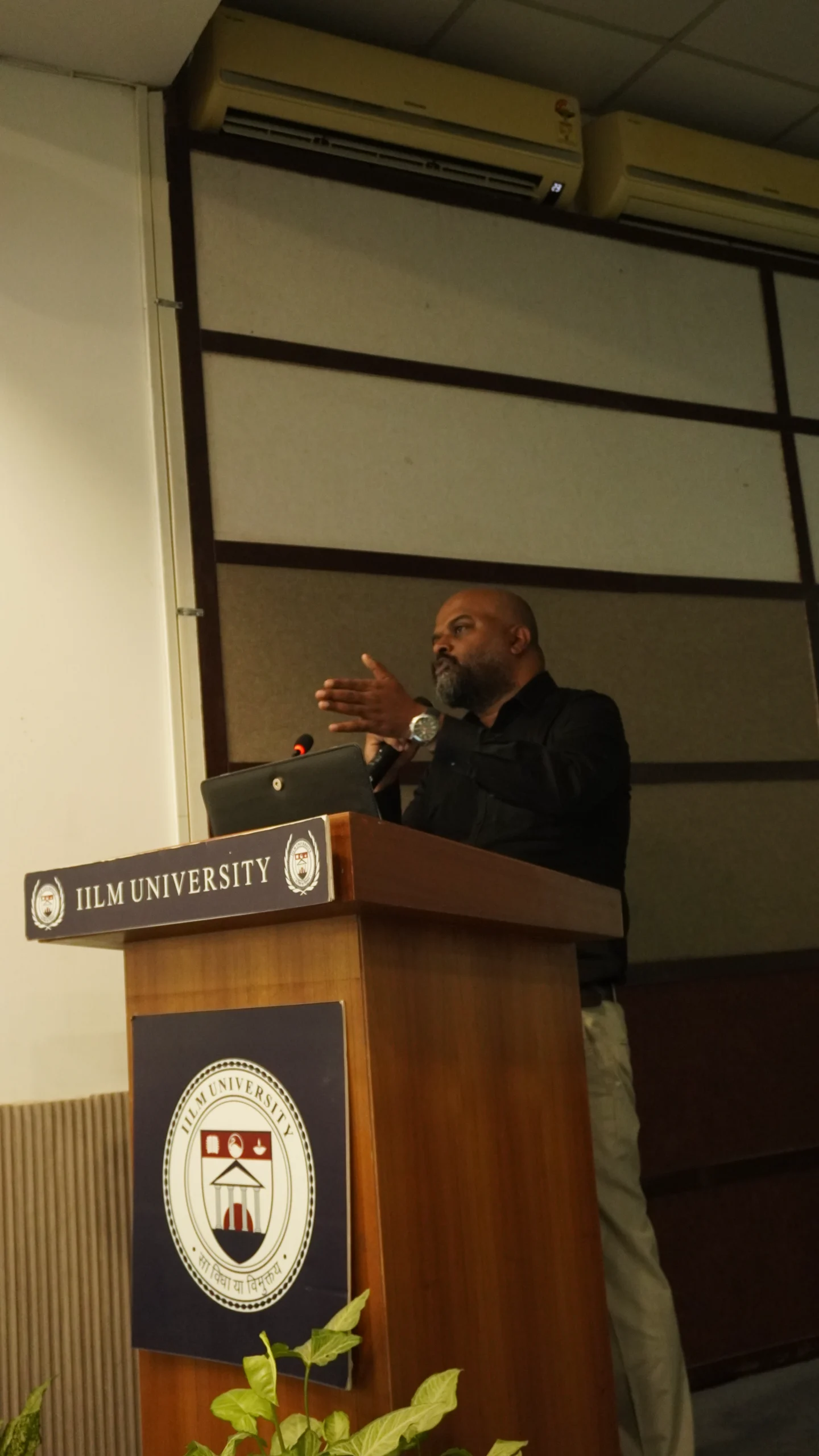
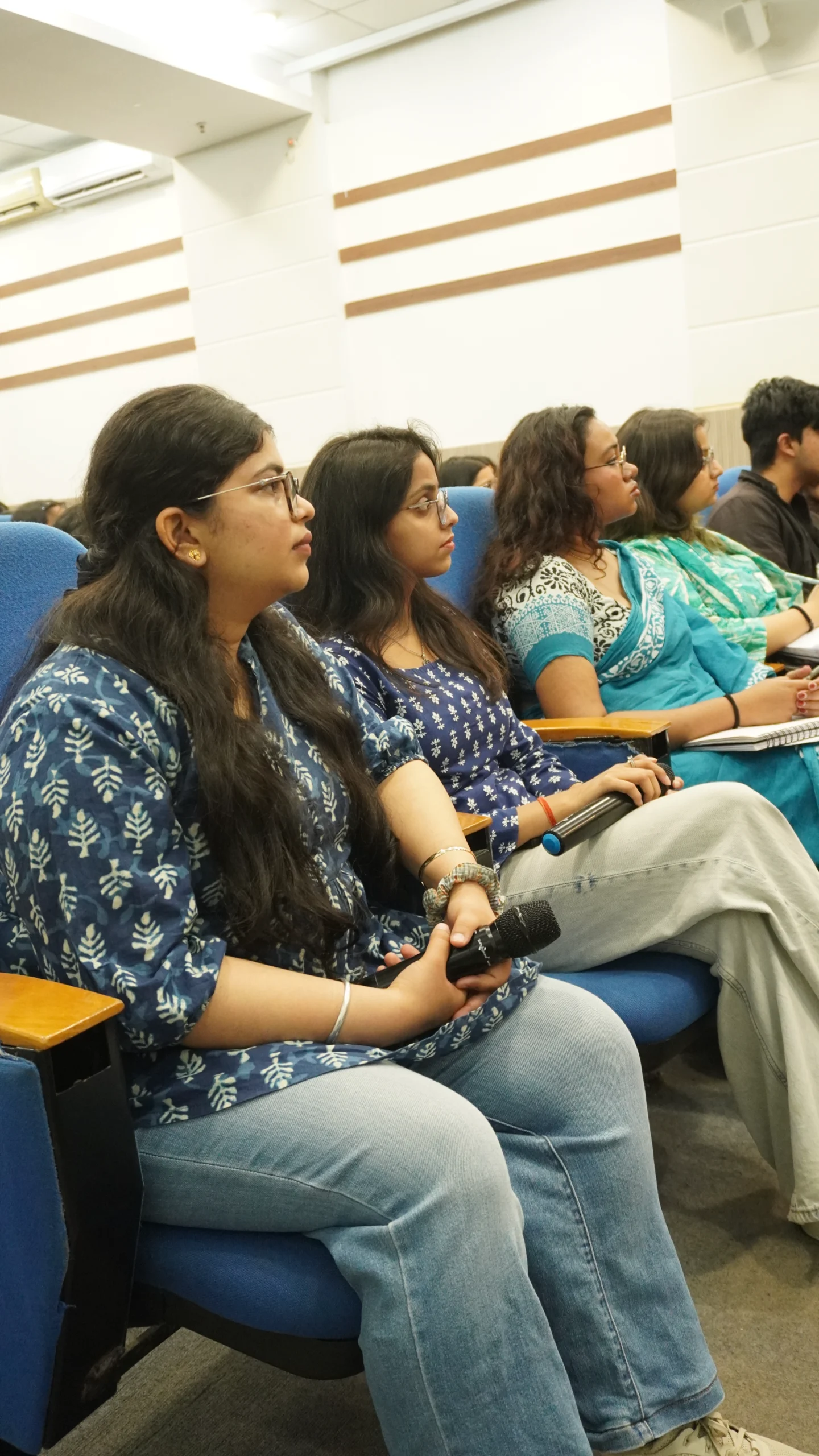
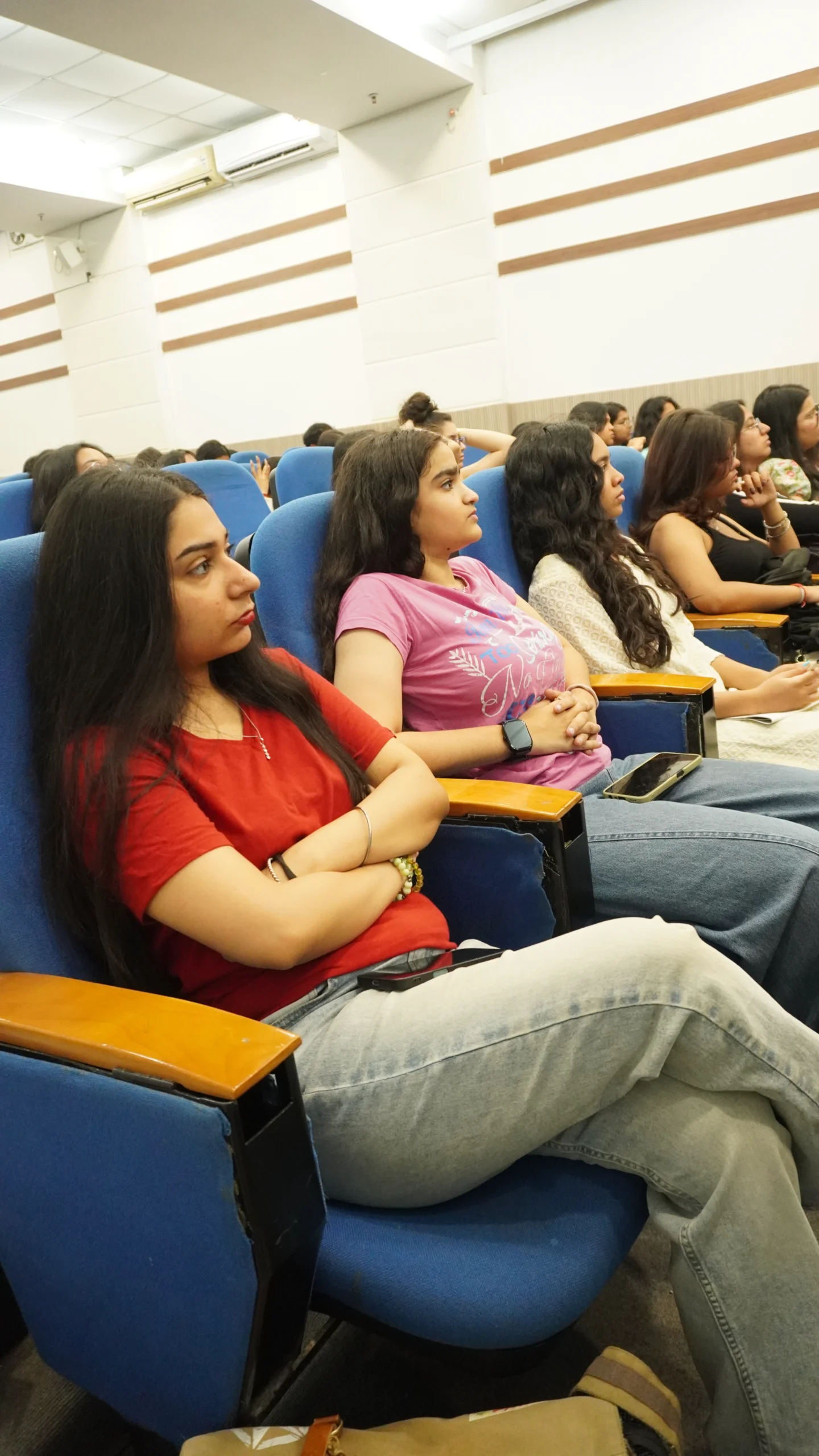
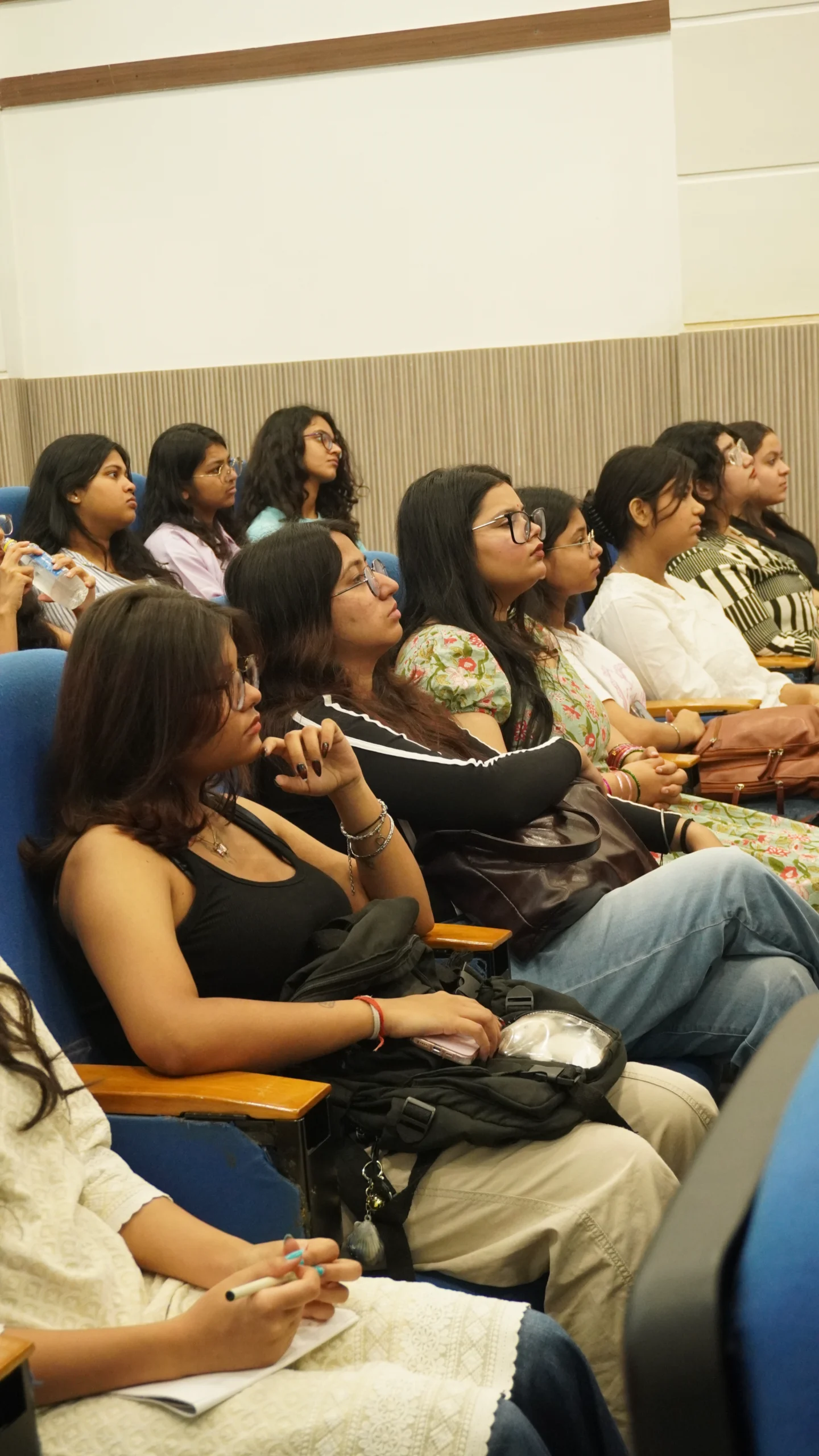
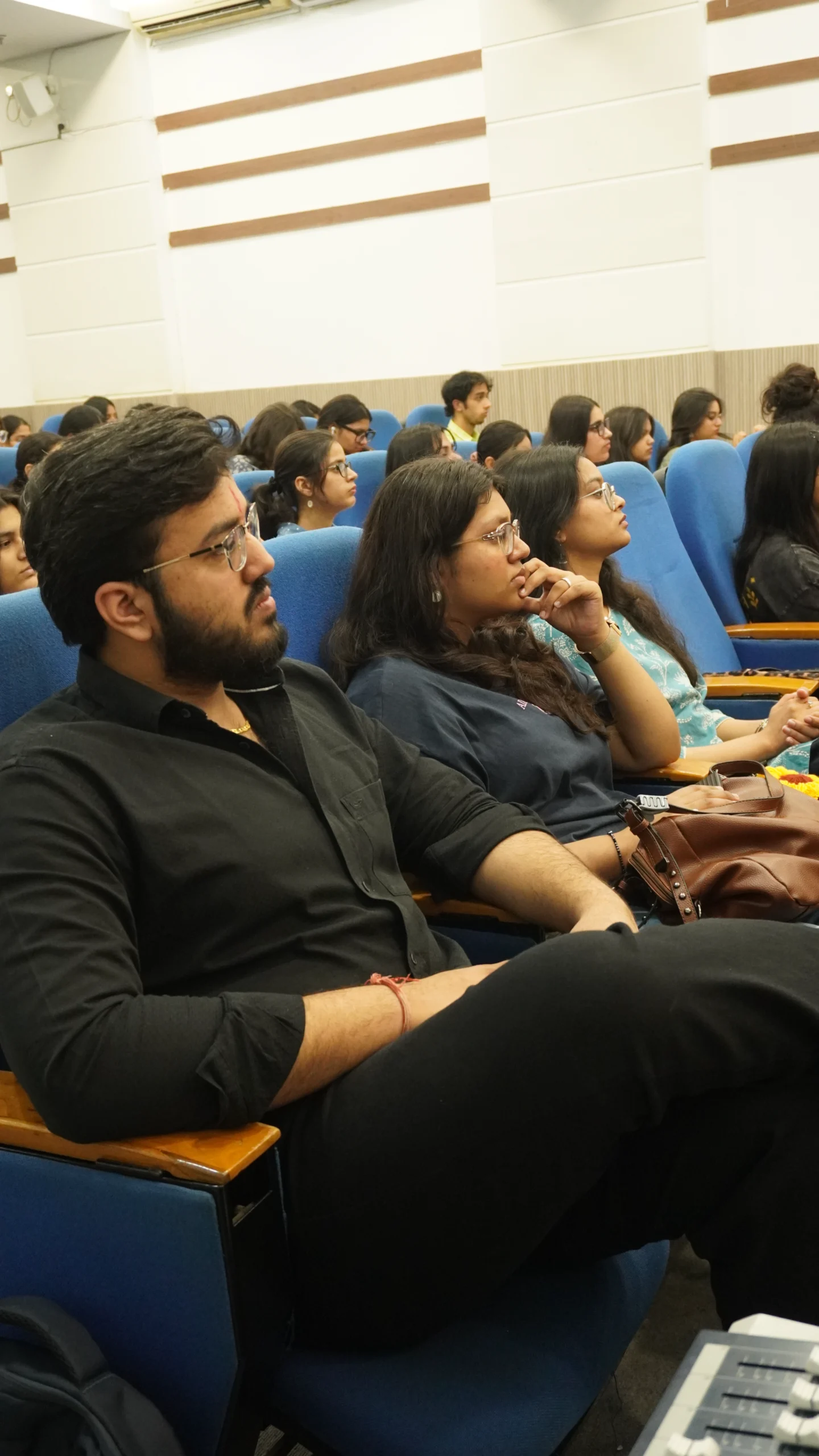
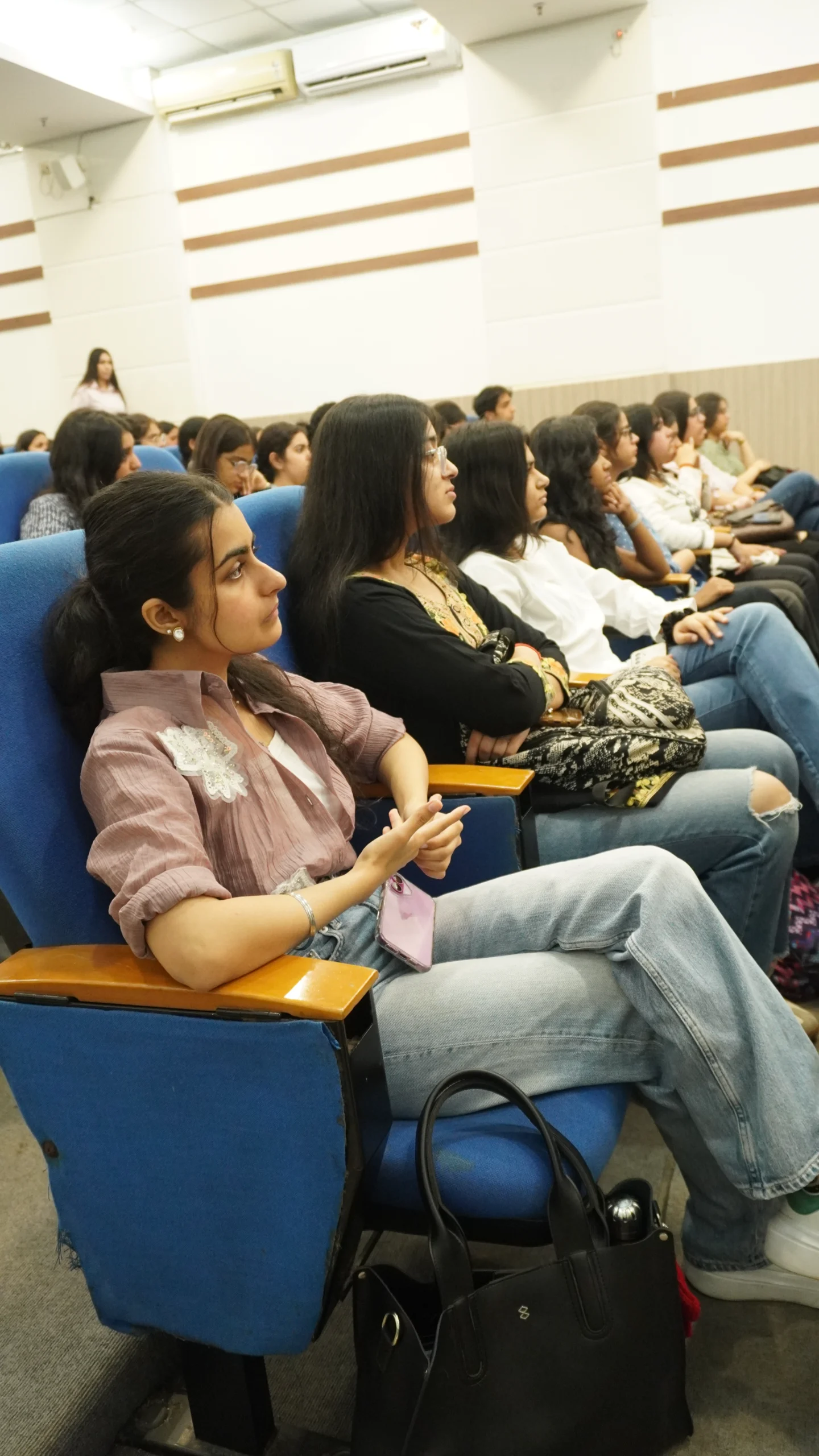
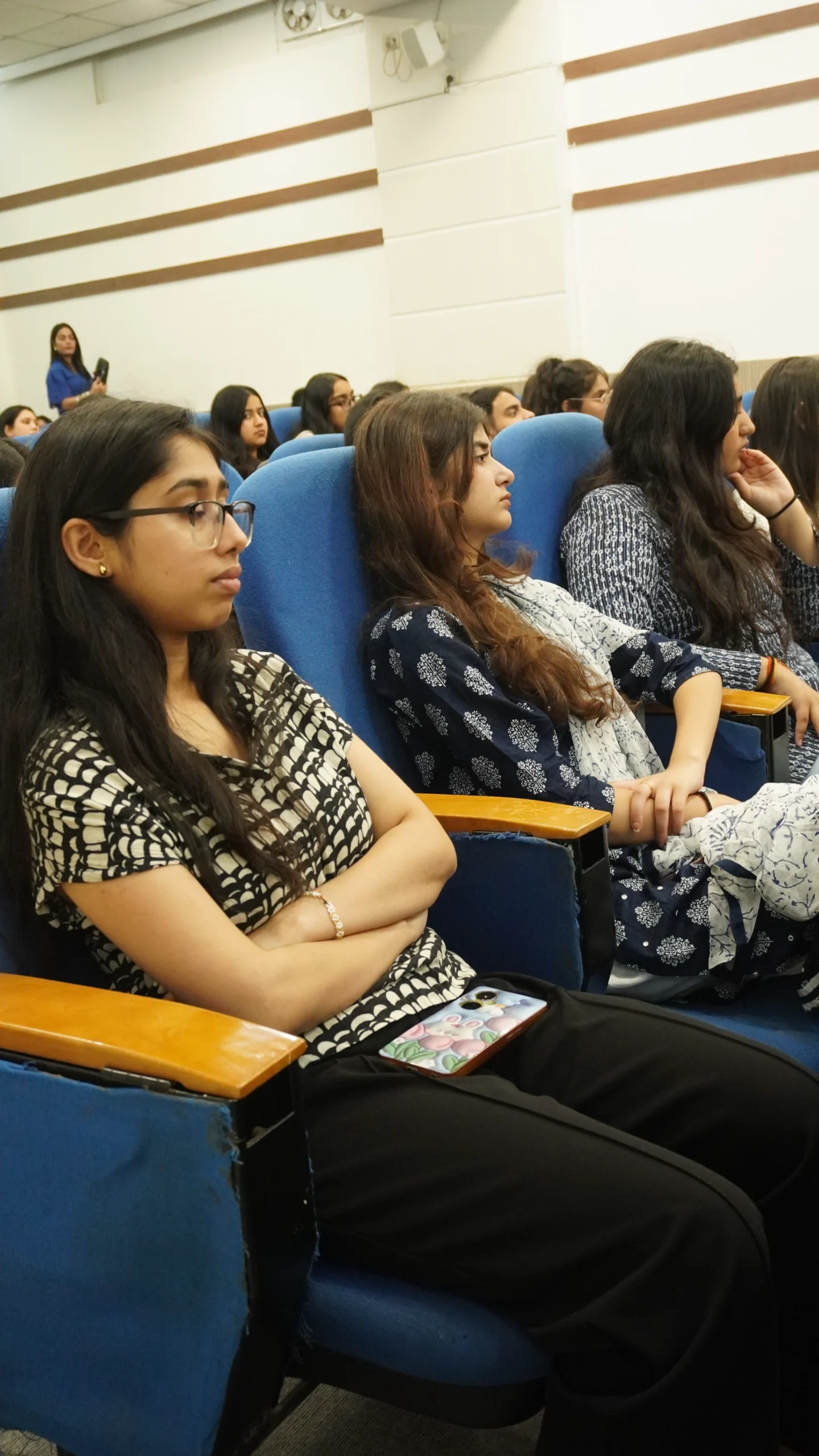
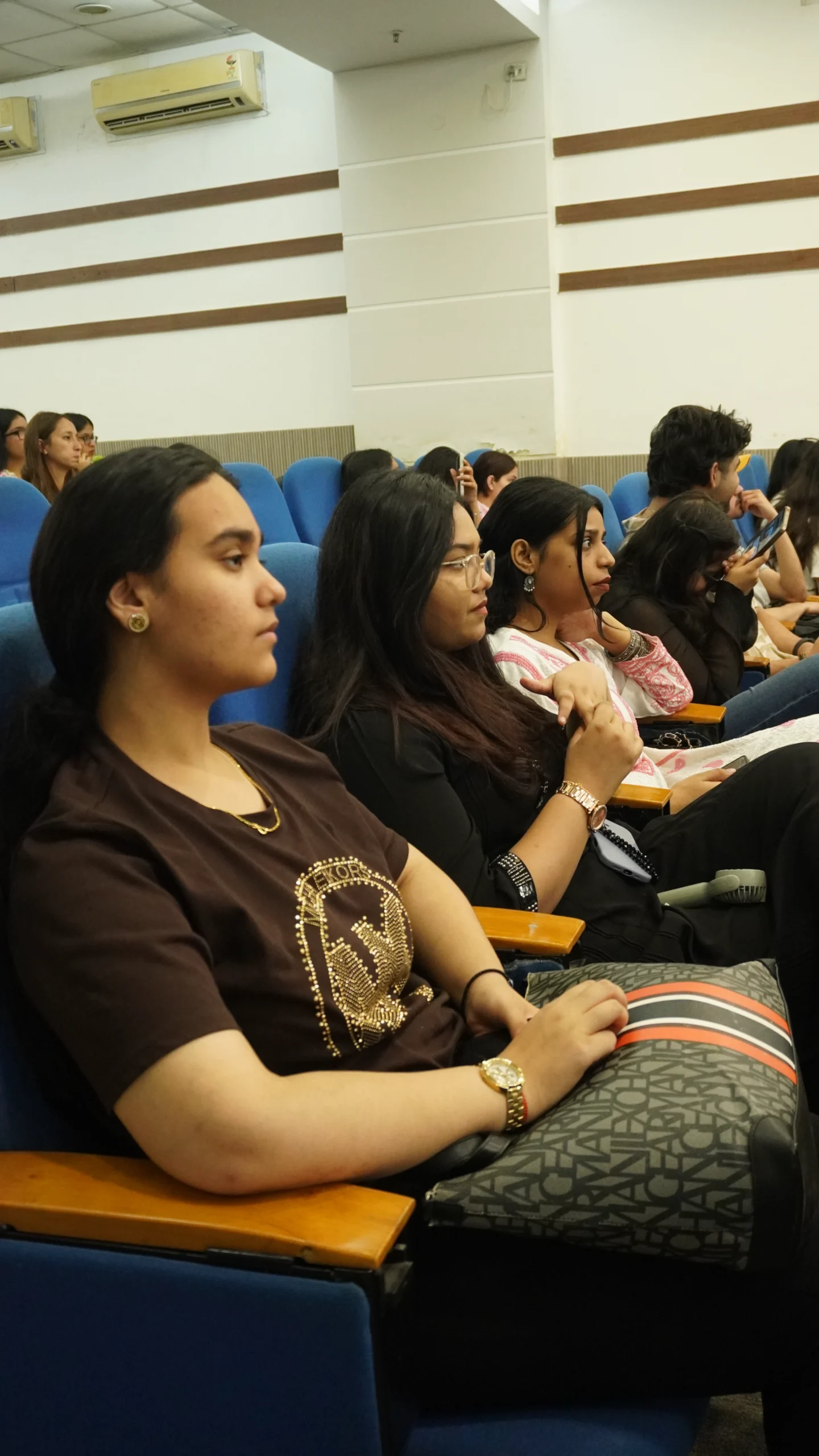
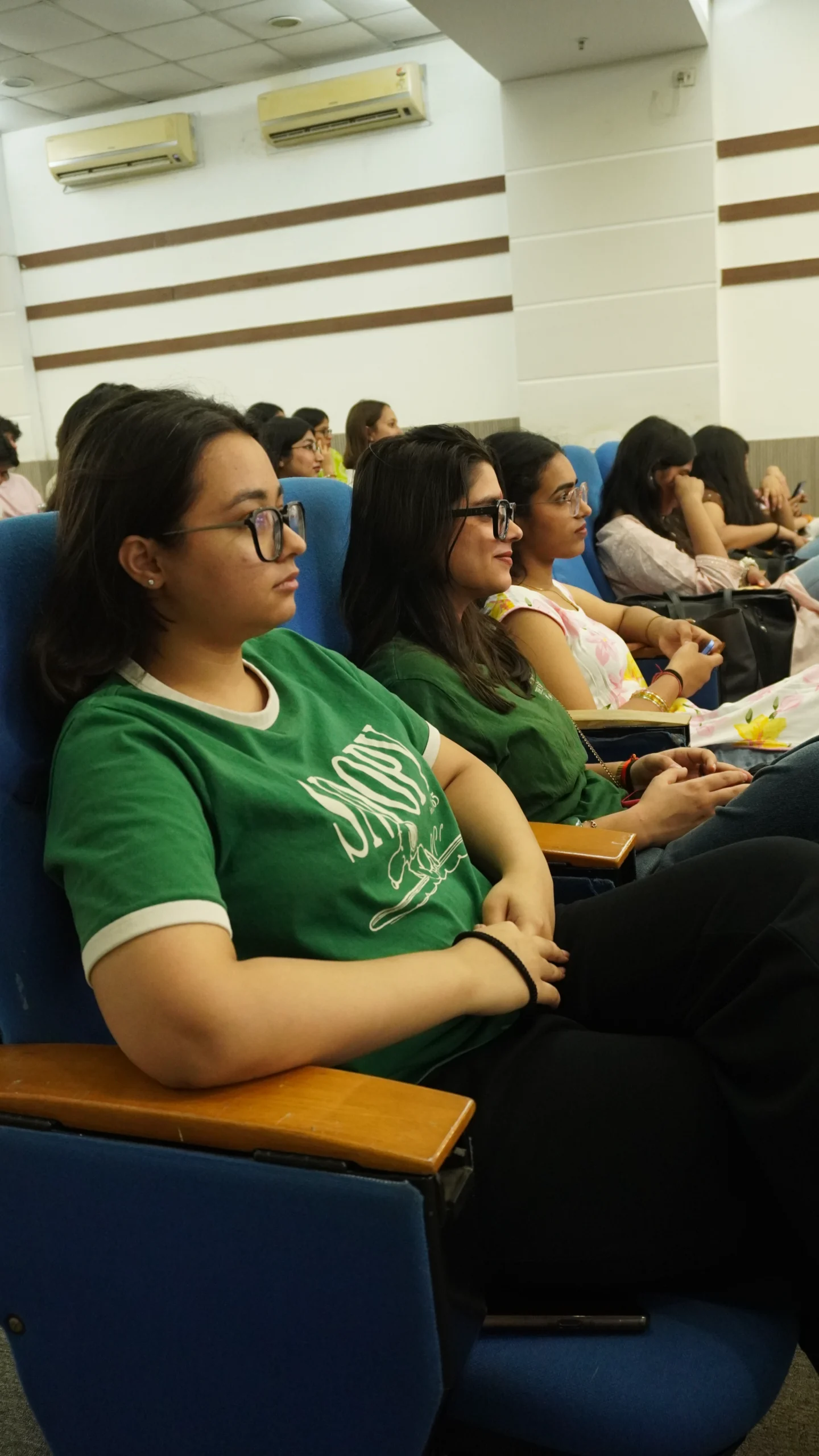
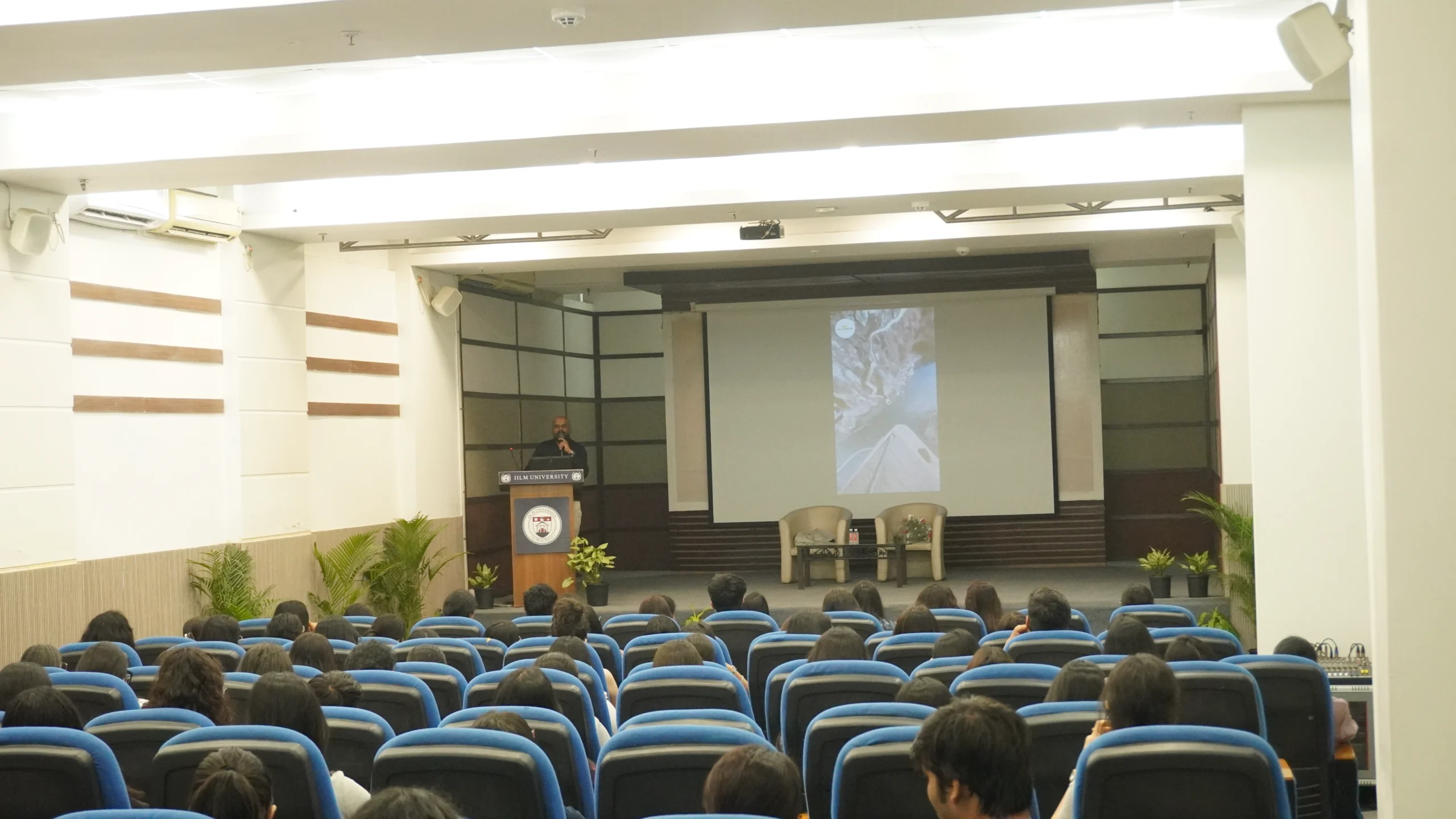
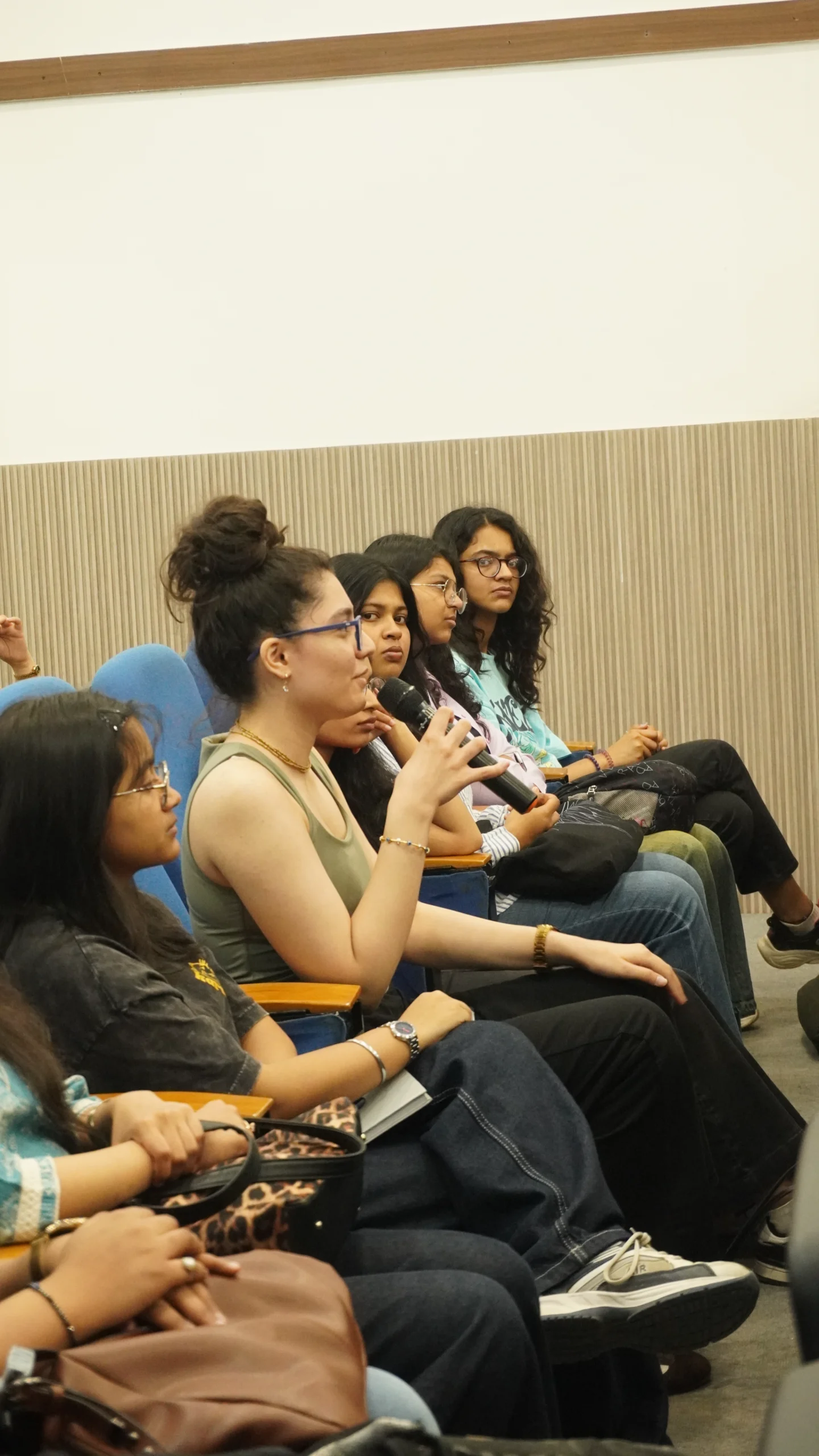

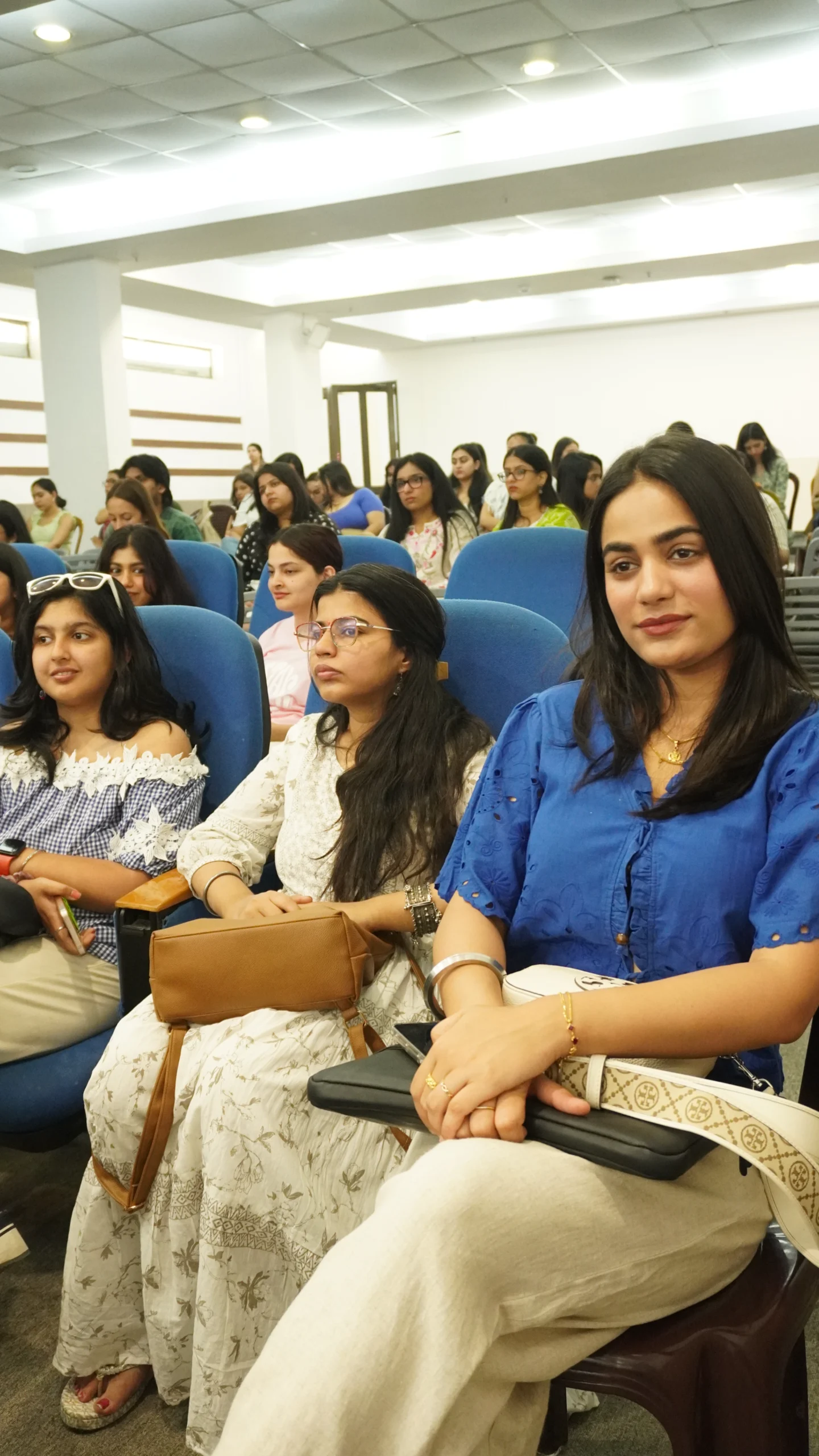
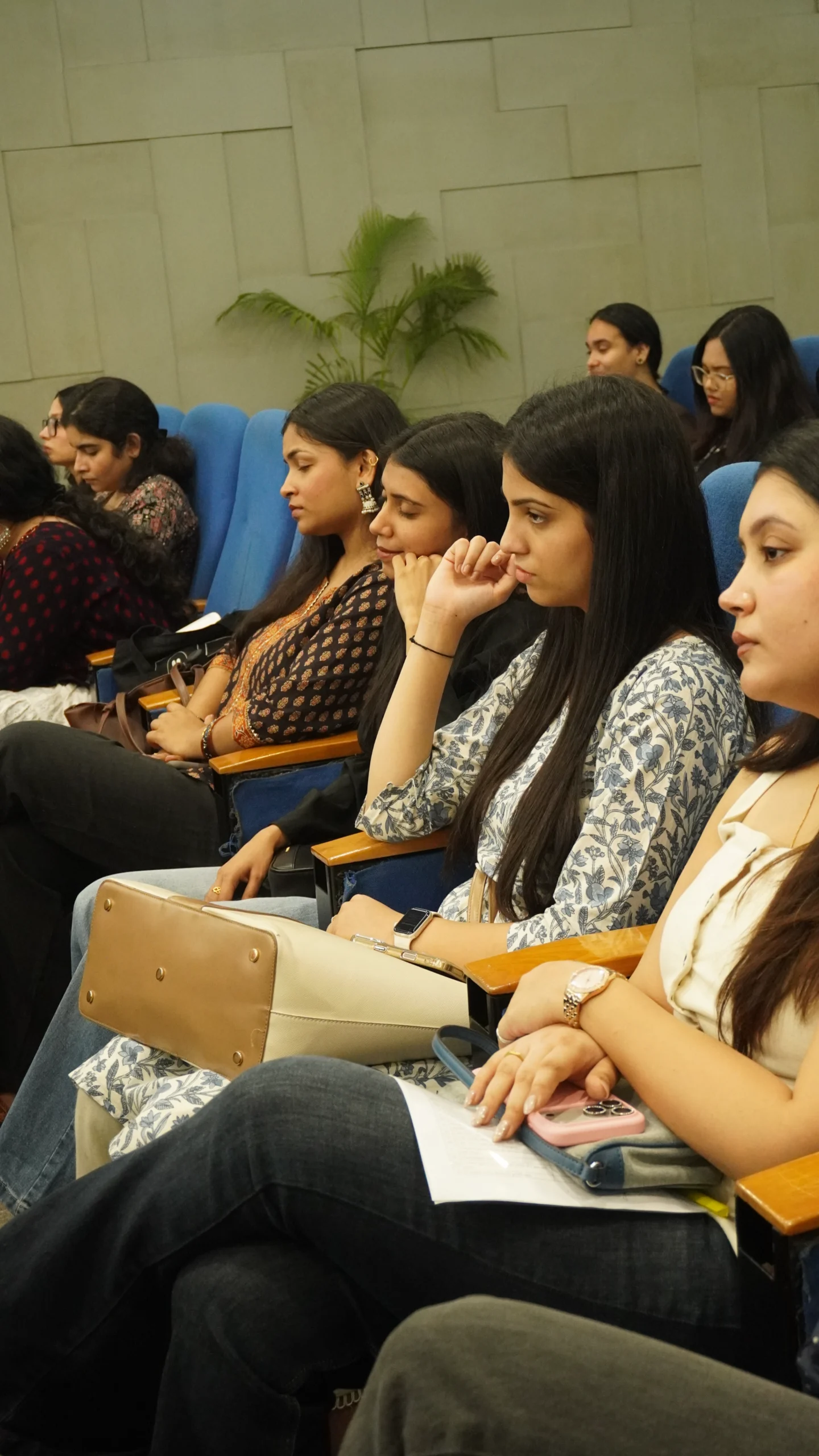
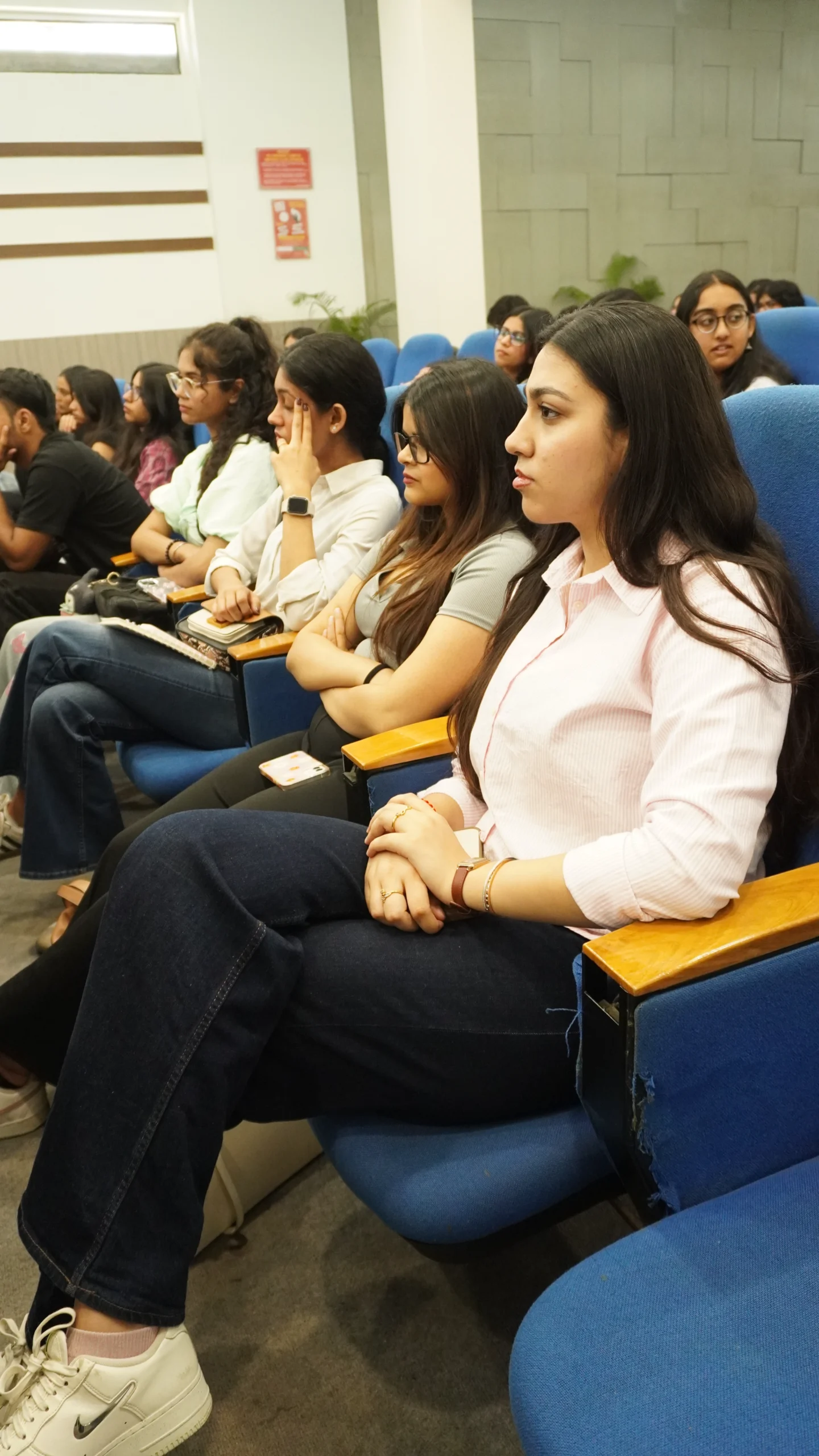
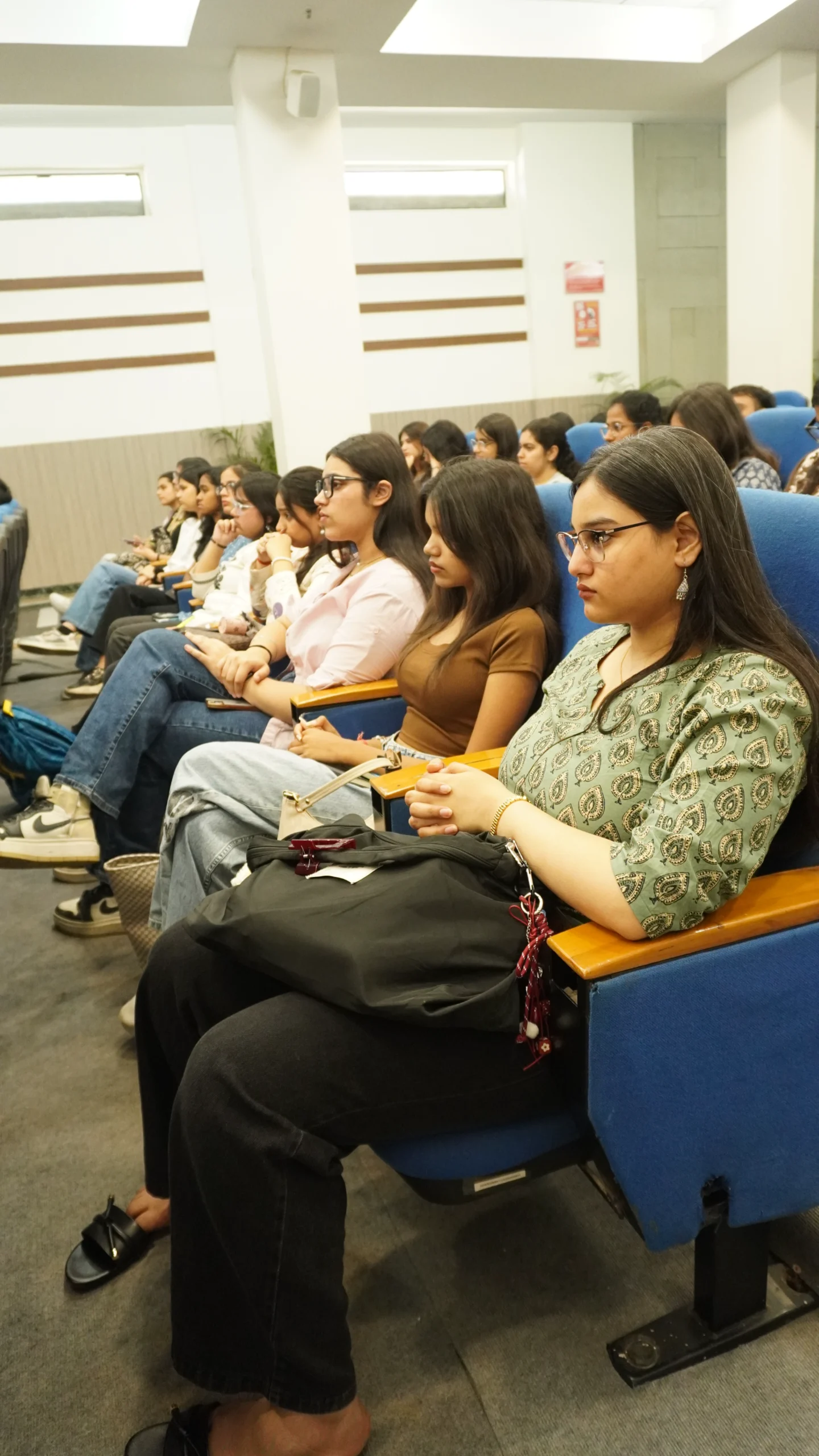
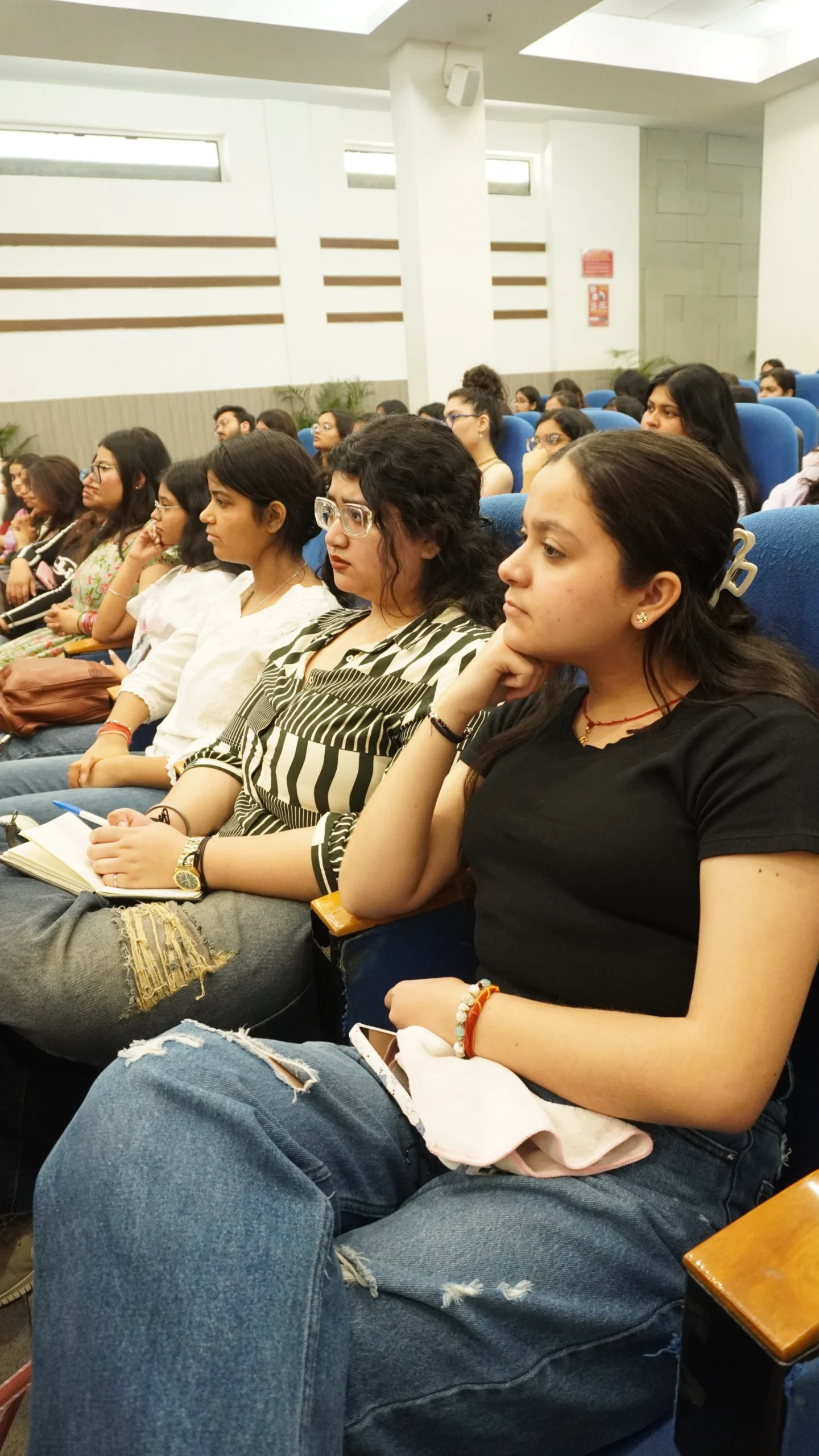
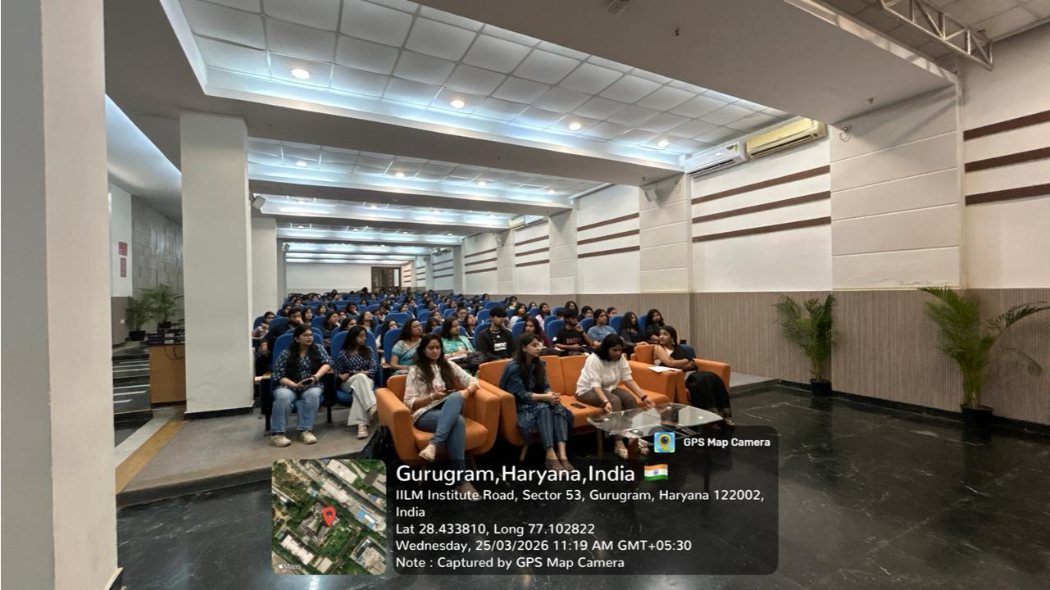
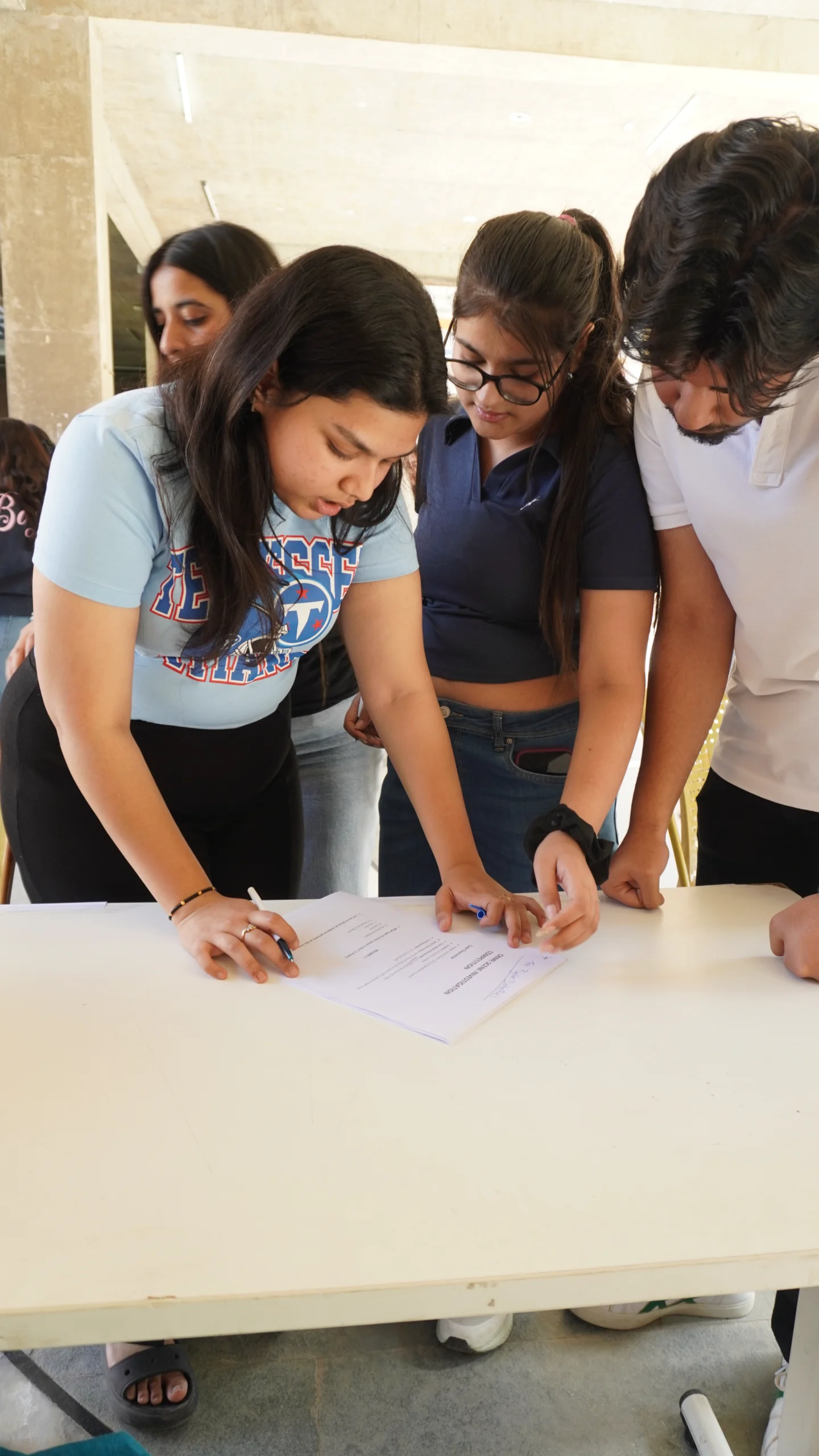
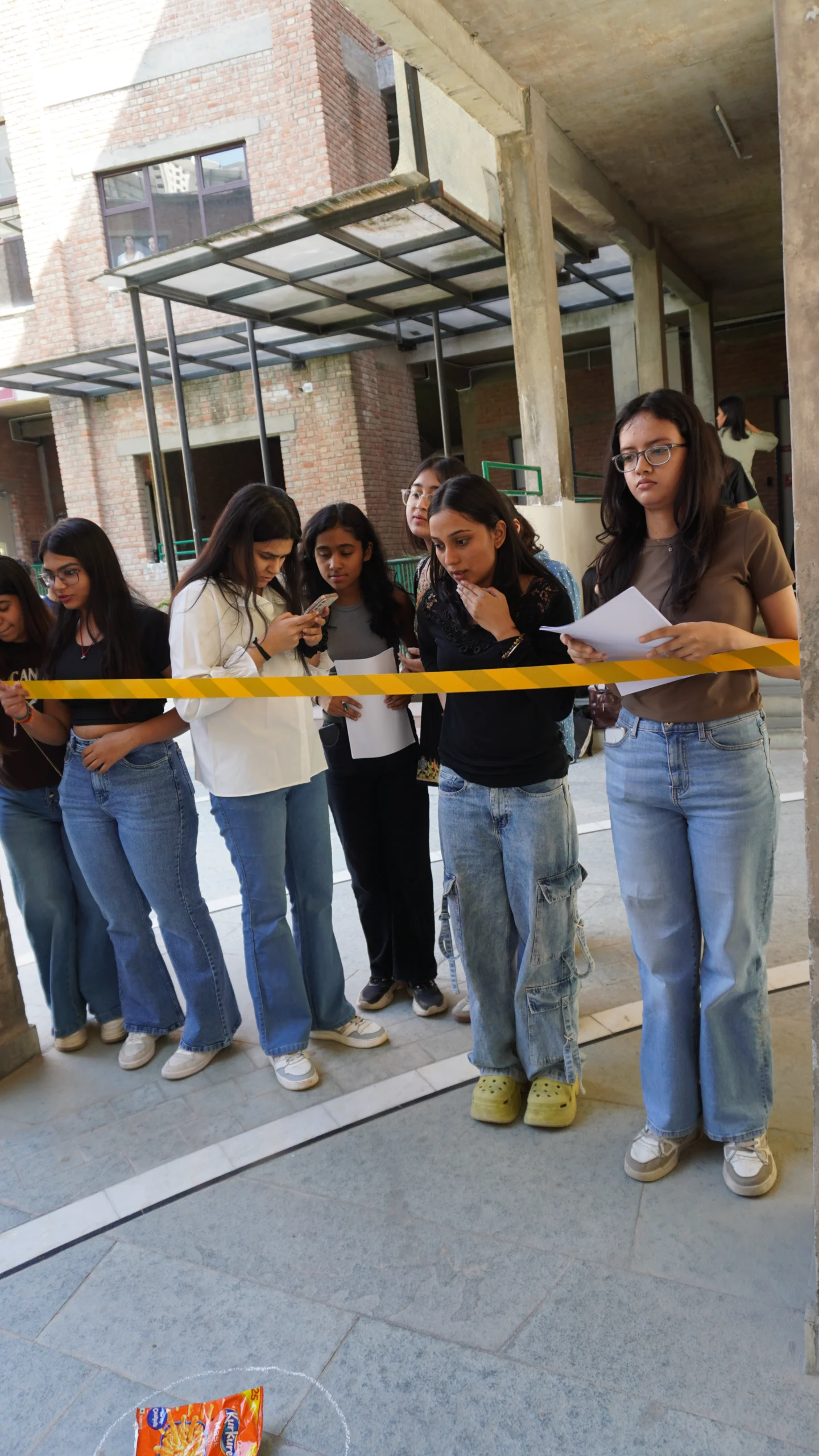
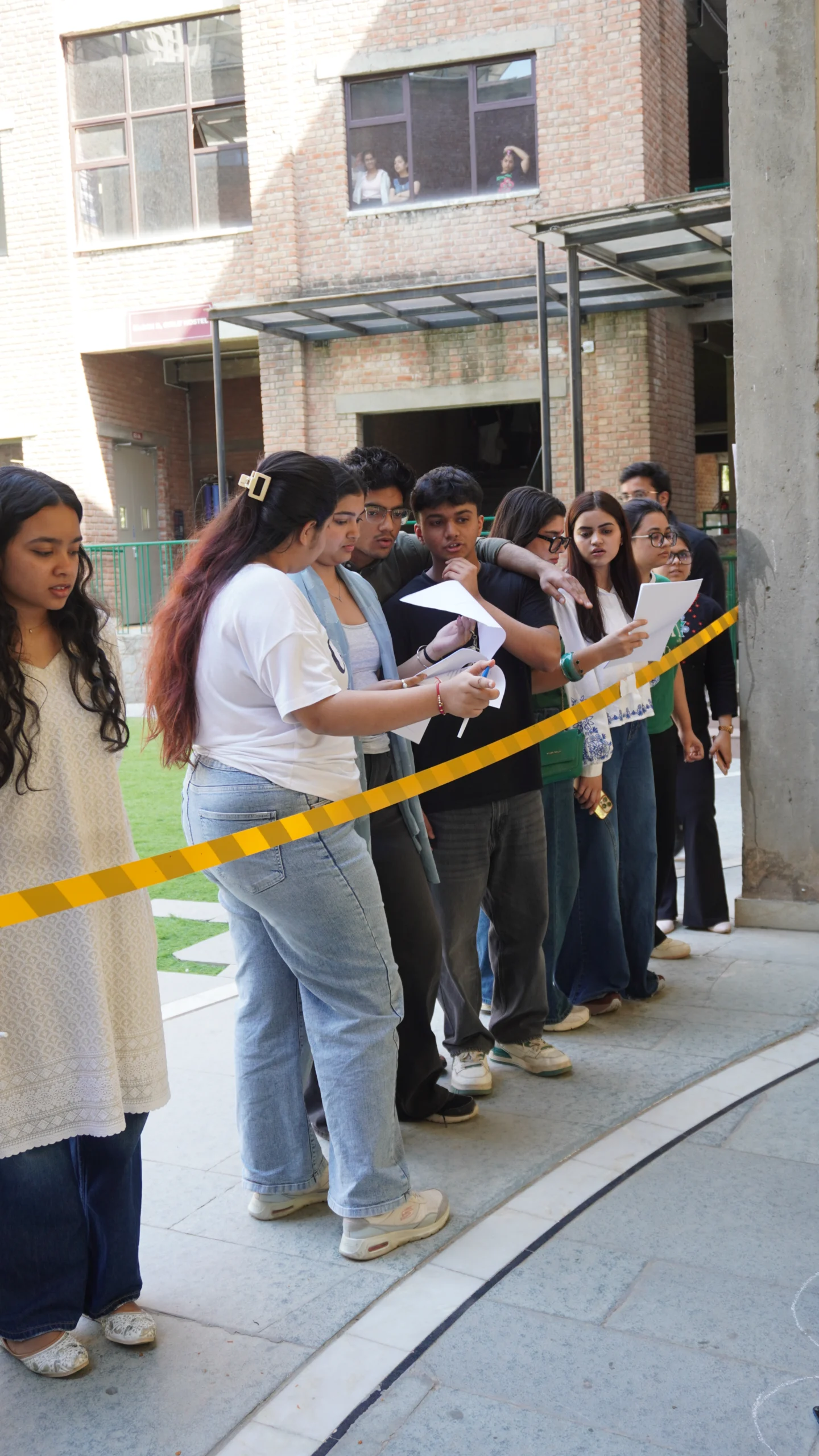
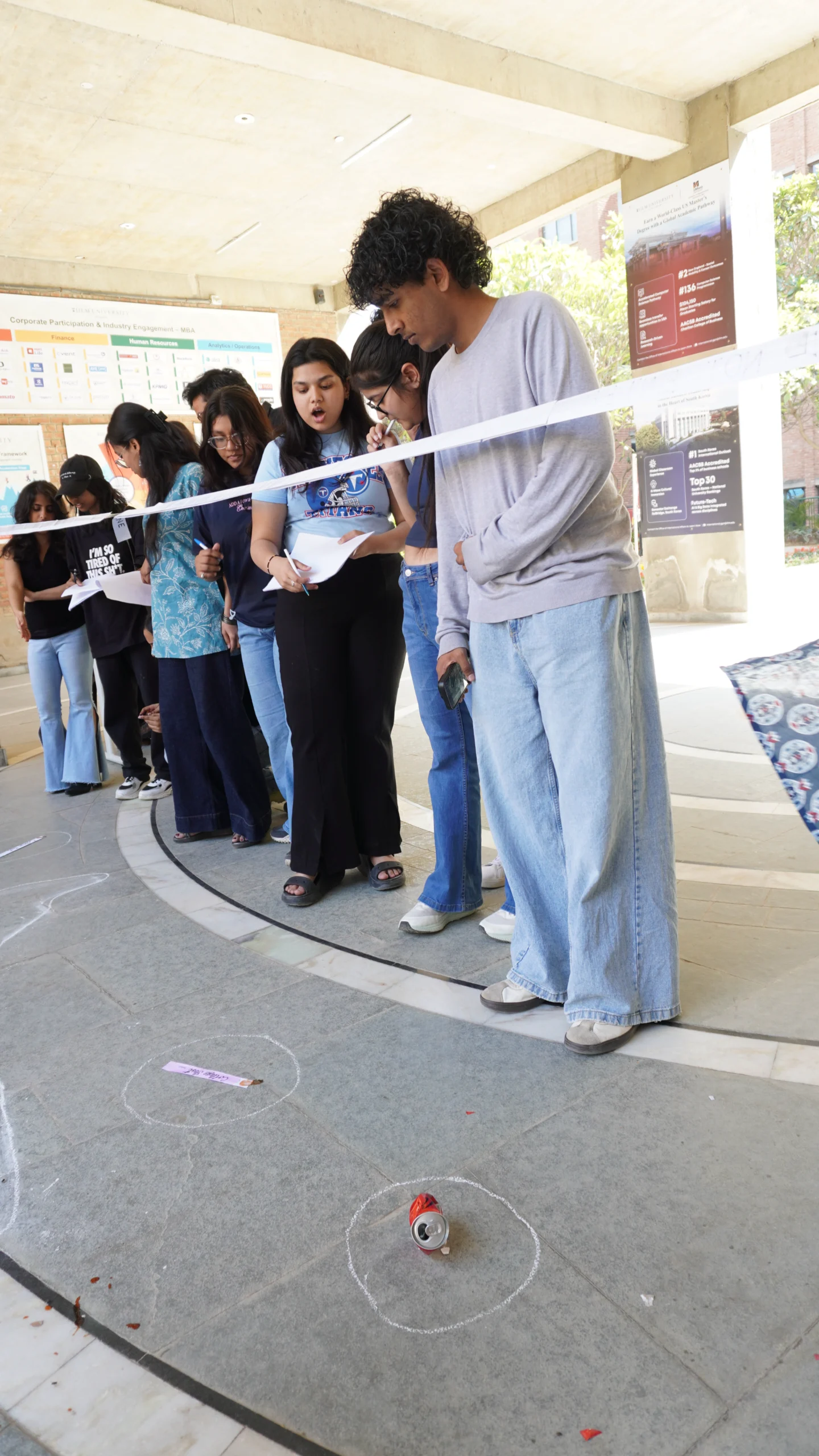
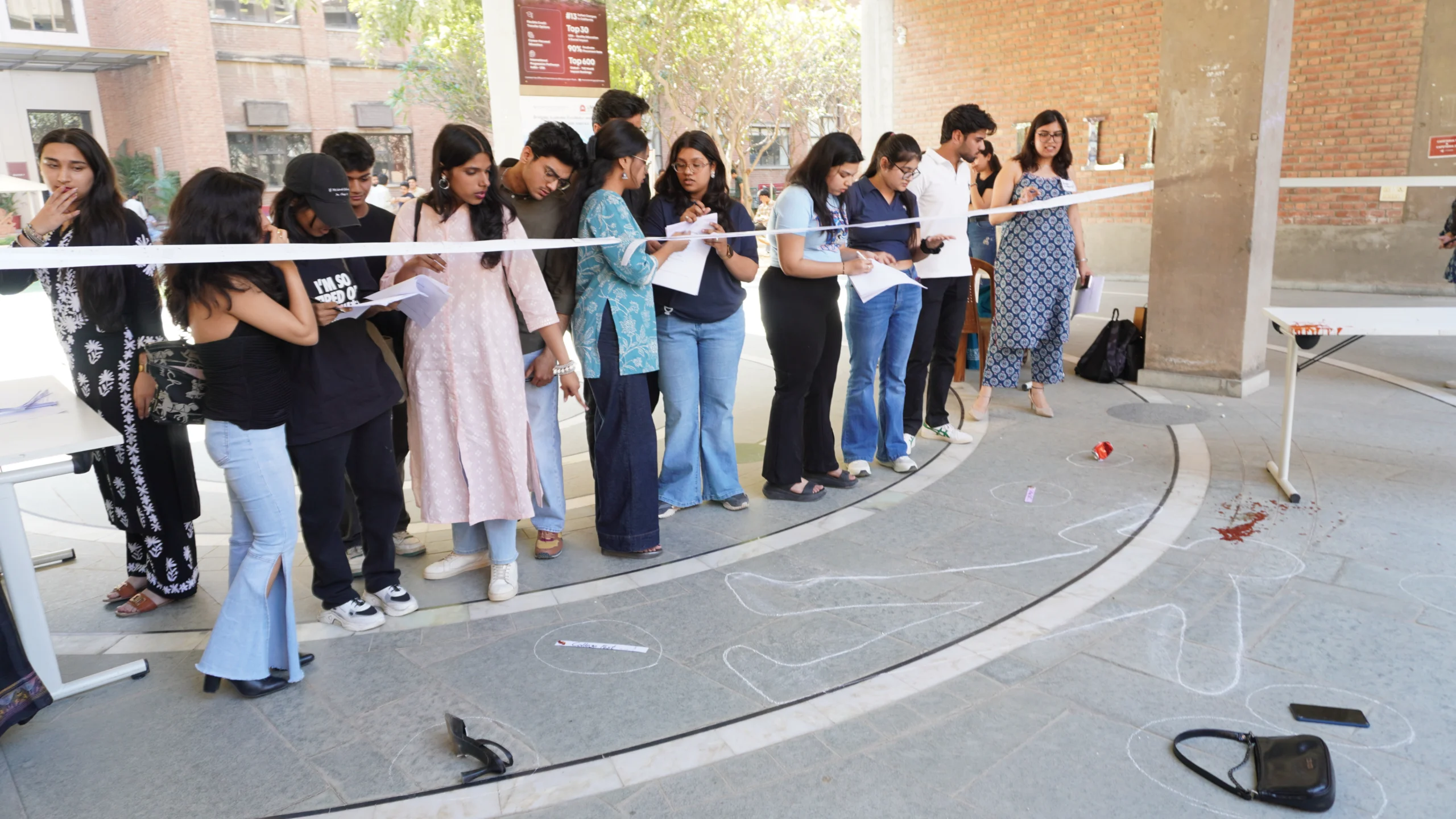
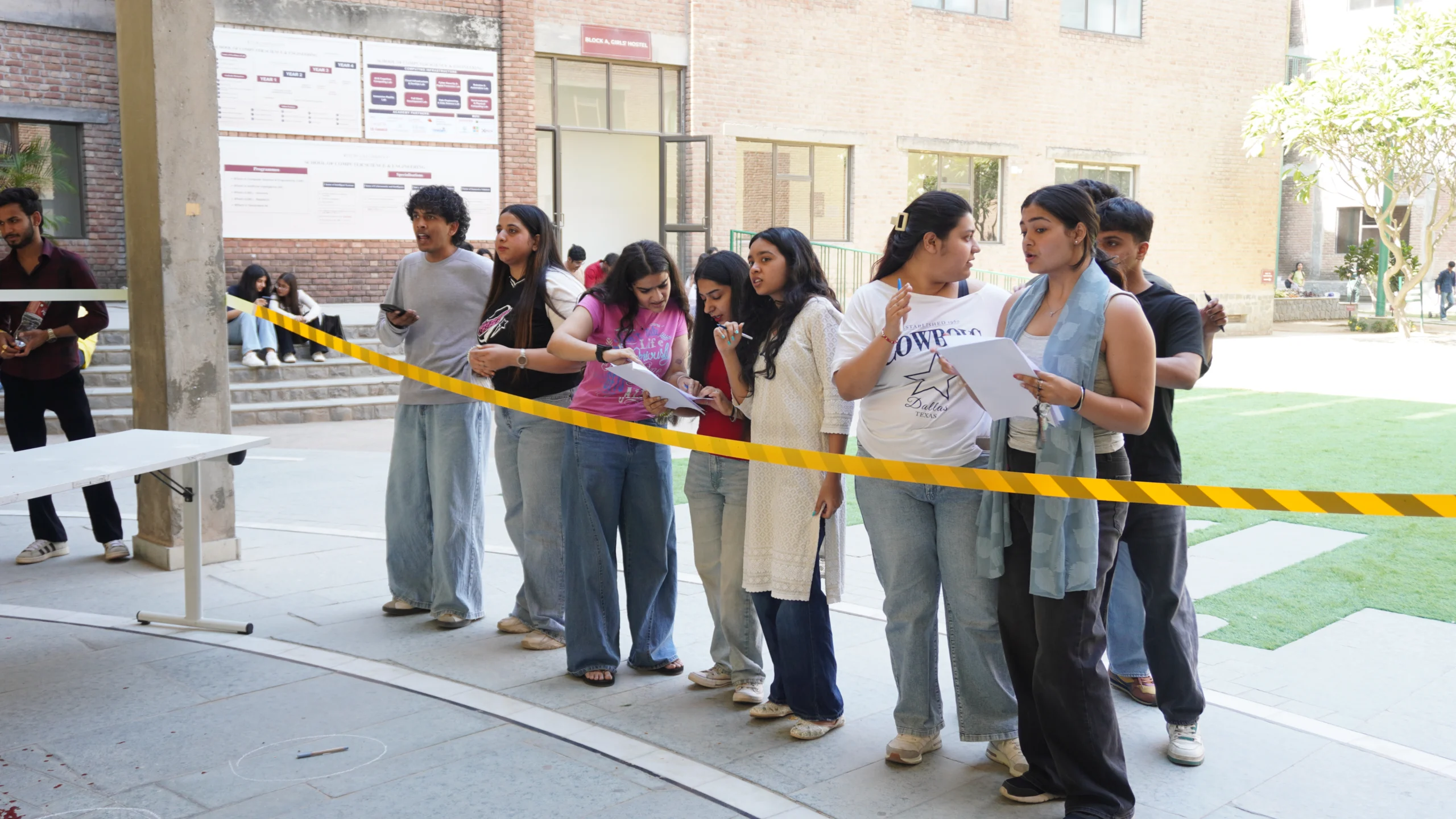
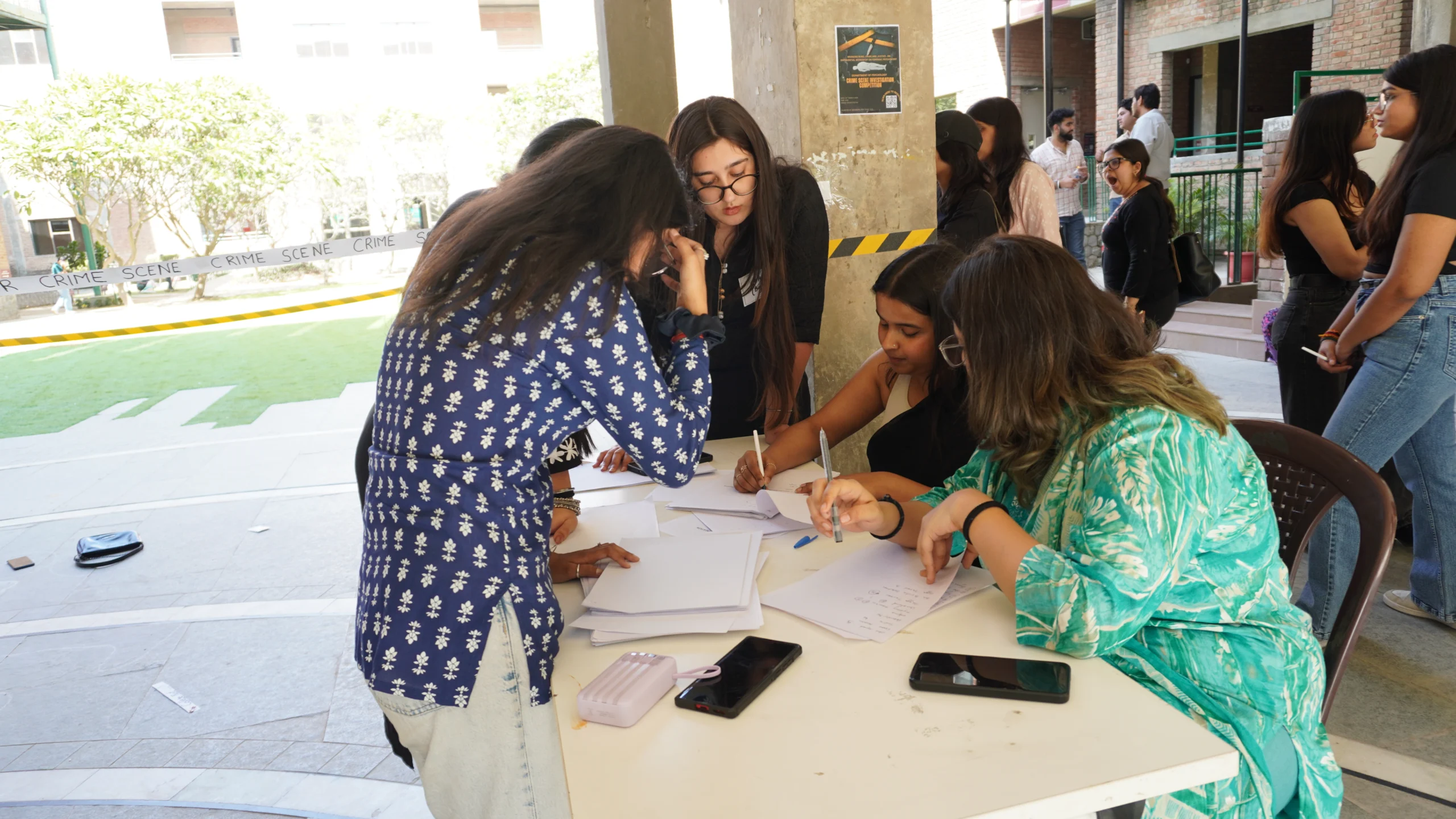
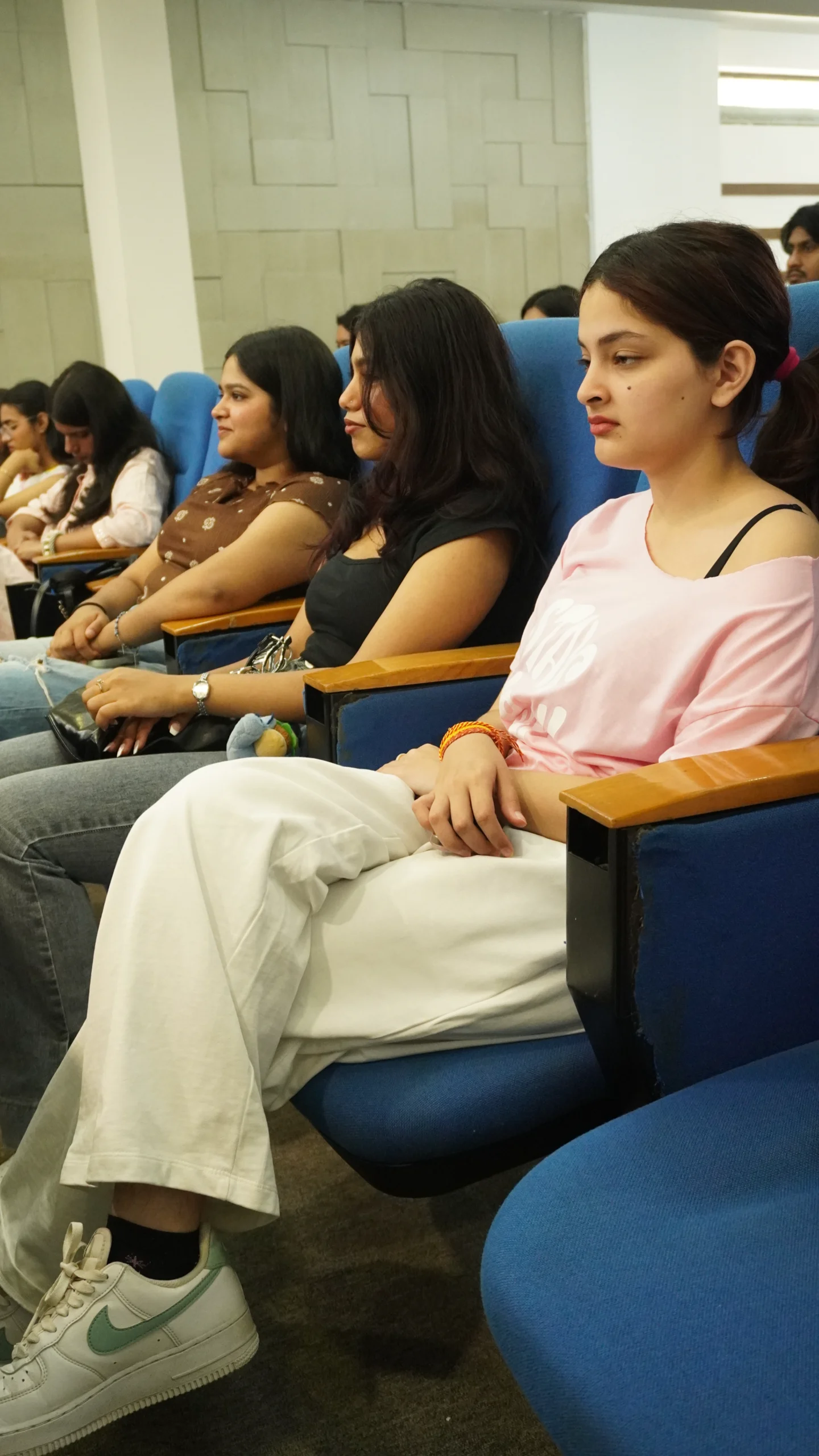
The Department of Psychology at IILM University, Gurugram, conducted a two-day experiential workshop titled “Bridging Mind, Crime and Justice” — an immersive forensic psychology programme convened by Dr. Neha and Ms. Ashmita that brought together foundational academic sessions, expert practitioner input, and applied competitive activity to provide students with a comprehensive, multi-dimensional engagement with forensic psychology as it operates in real-world legal and investigative contexts.
Day 1 opened with foundational sessions on criminal behaviour and investigative thinking led by Dr. Neha and Ms. Ashmita, building students’ grounding in how forensic psychology functions within legal and investigative settings, before transitioning into an interactive student-led workshop that encouraged applied, peer-collaborative engagement with the concepts introduced — creating a progression from expert instruction to student-driven application within a single day’s programming.
Day 2 featured a focused expert session on Body Language and Deception Detection delivered by Mr. Gaurav Gill, providing students with practical insight into non-verbal communication patterns and the behavioural indicators that forensic practitioners use to identify deception in investigative and legal contexts — a highly specialised and applied competency that bridges psychological science with real-world investigative practice.
The workshop culminated in a Crime Scene Investigation Competition in which students worked in teams to analyse and resolve a simulated case — applying the analytical reasoning, investigative thinking, and collaborative teamwork they had developed across both days to a practical, time-bound forensic challenge that mirrored the applied demands of real forensic psychology practice.
The two-day immersive format provided students with a direct and applied encounter with the demands and depth of forensic psychology — offering what lectures alone rarely can: the experience of engaging with forensic thinking, investigative reasoning, and evidence analysis in a way that is active, competitive, and immediately relevant to the professional realities of the discipline.
Students developed a foundational understanding of criminal behaviour and investigative thinking through expert-led instruction by Dr. Neha and Ms. Ashmita — building the theoretical and conceptual grounding necessary for meaningful engagement with forensic psychology as a professional discipline operating at the intersection of psychological science, legal systems, and investigative practice.
The expert session delivered by Mr. Gaurav Gill on Body Language and Deception Detection provided students with a highly specialised and practically applicable forensic competency — equipping them with knowledge of non-verbal communication patterns and behavioural deception indicators that are directly relevant to careers in forensic assessment, investigative interviewing, and legal consultation.
The interactive student-led workshop on Day 1 developed students’ capacity for applied, collaborative engagement with forensic psychology concepts — practising the peer dialogue, analytical reasoning, and knowledge integration skills that are essential for effective teamwork in real forensic and investigative professional environments.
The Crime Scene Investigation Competition challenged students to apply forensic analytical reasoning, investigative thinking, and collaborative teamwork in a simulated, time-bound case resolution exercise — providing an applied, competitive experience that meaningfully develops the practical competencies and professional confidence required for forensic psychology practice far more effectively than passive academic instruction alone.
The two-day immersive format gave students a direct experiential encounter with the demands and depth of forensic psychology as it is practised in the real world — building not only the technical and analytical skills of the discipline but the professional mindset, intellectual rigour, and applied confidence that define effective forensic psychology practitioners.