


Guest Lecture – “The Backbone of Modern Tech: Semiconductors and Solar Cells”
30 March 2026, Monday
30 March 2026, Monday
11:00 AM
01:00 PM
School of Computer Science and Engineering, IILM University, Gurugram
School of Computer Science and Engineering, IILM University, Gurugram
IILM University, Gurugram
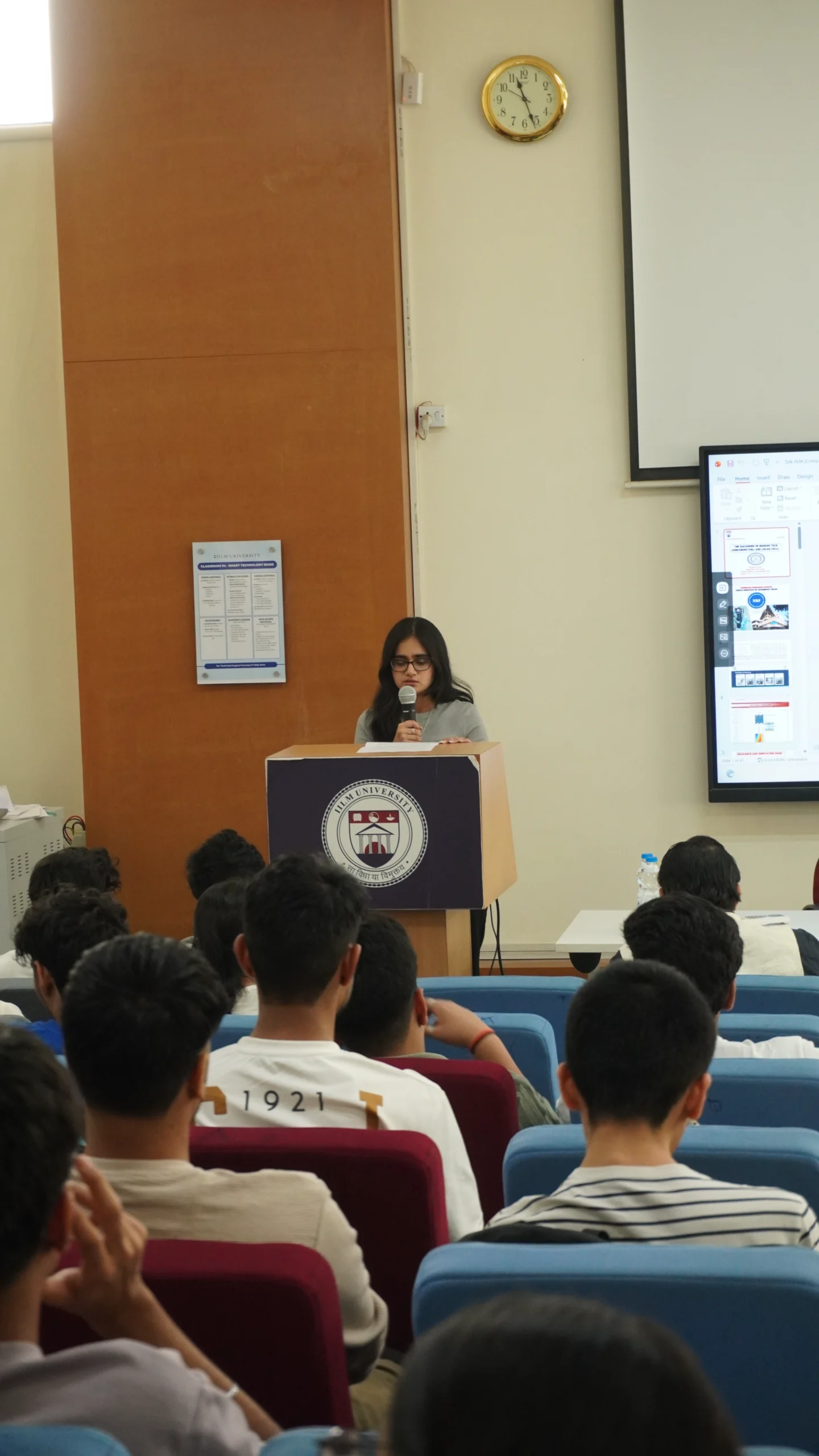
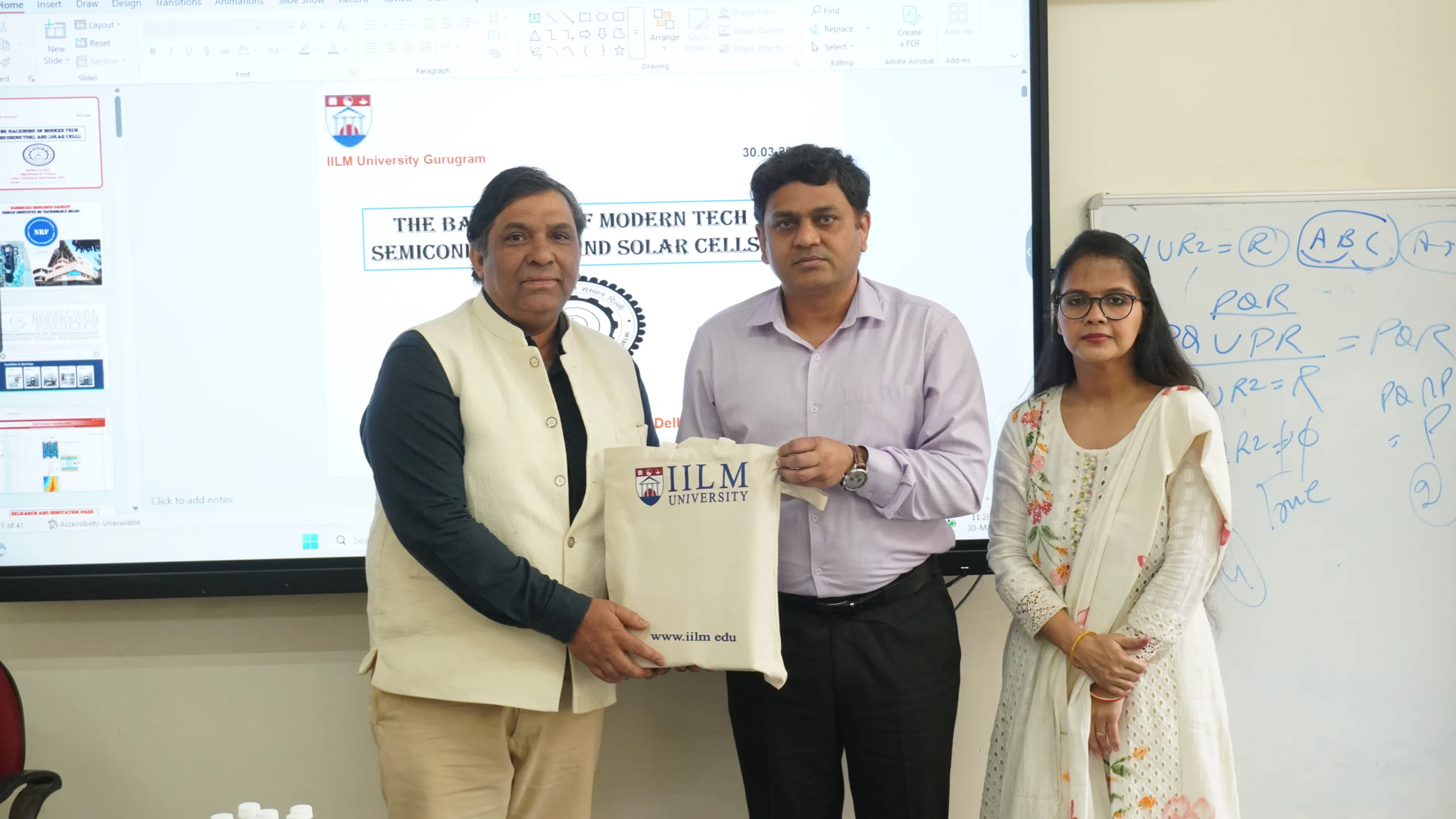
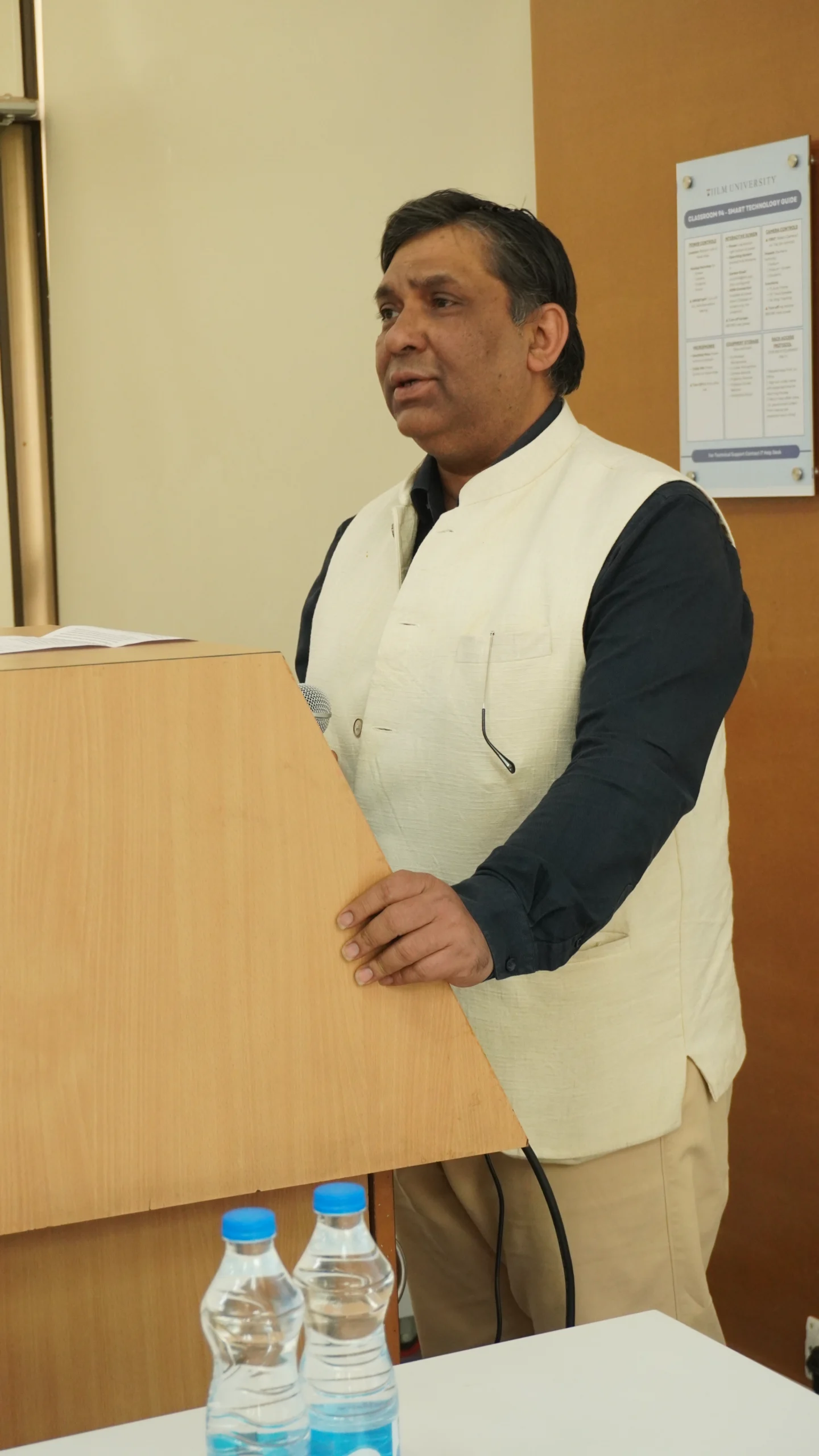
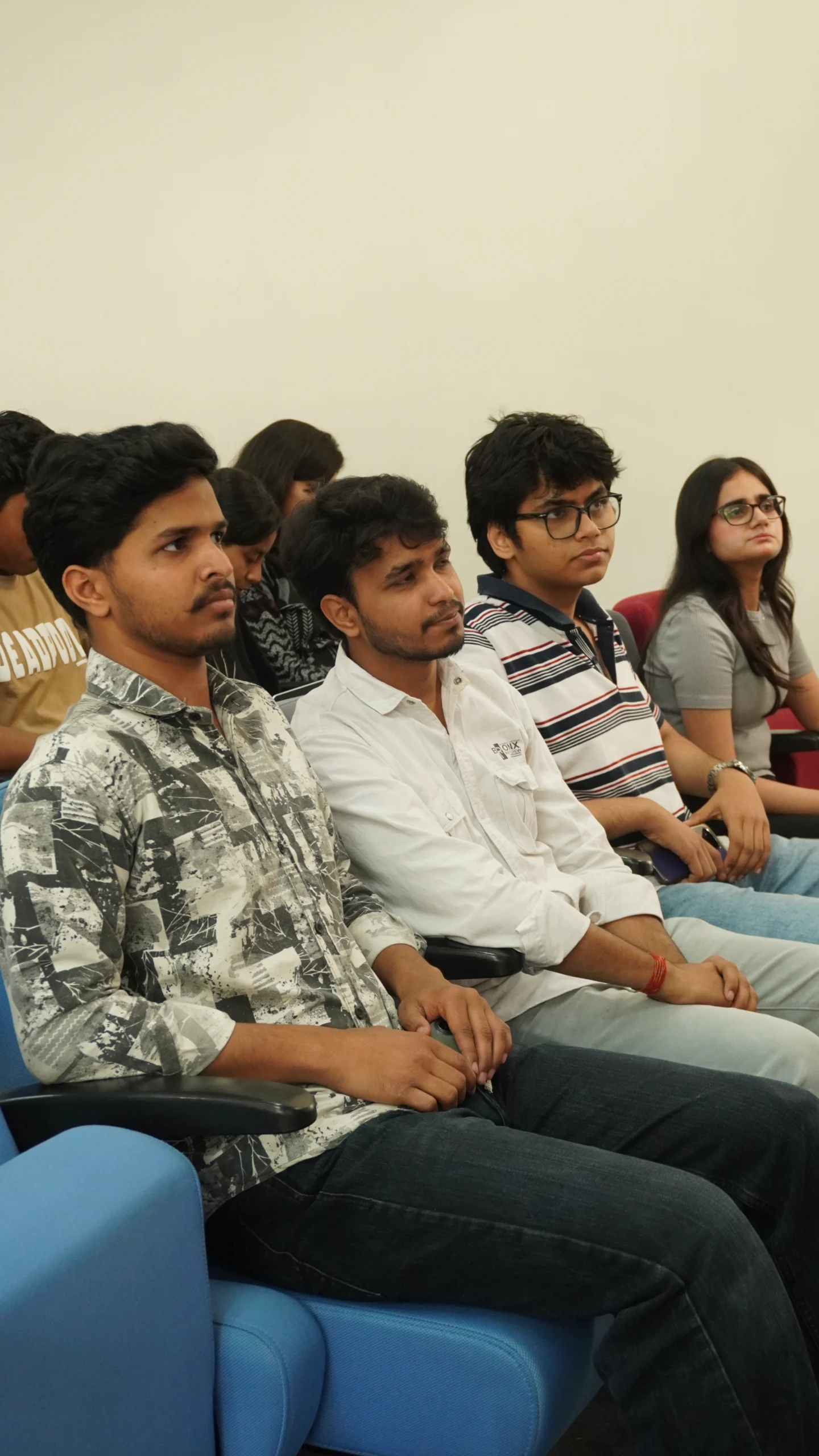
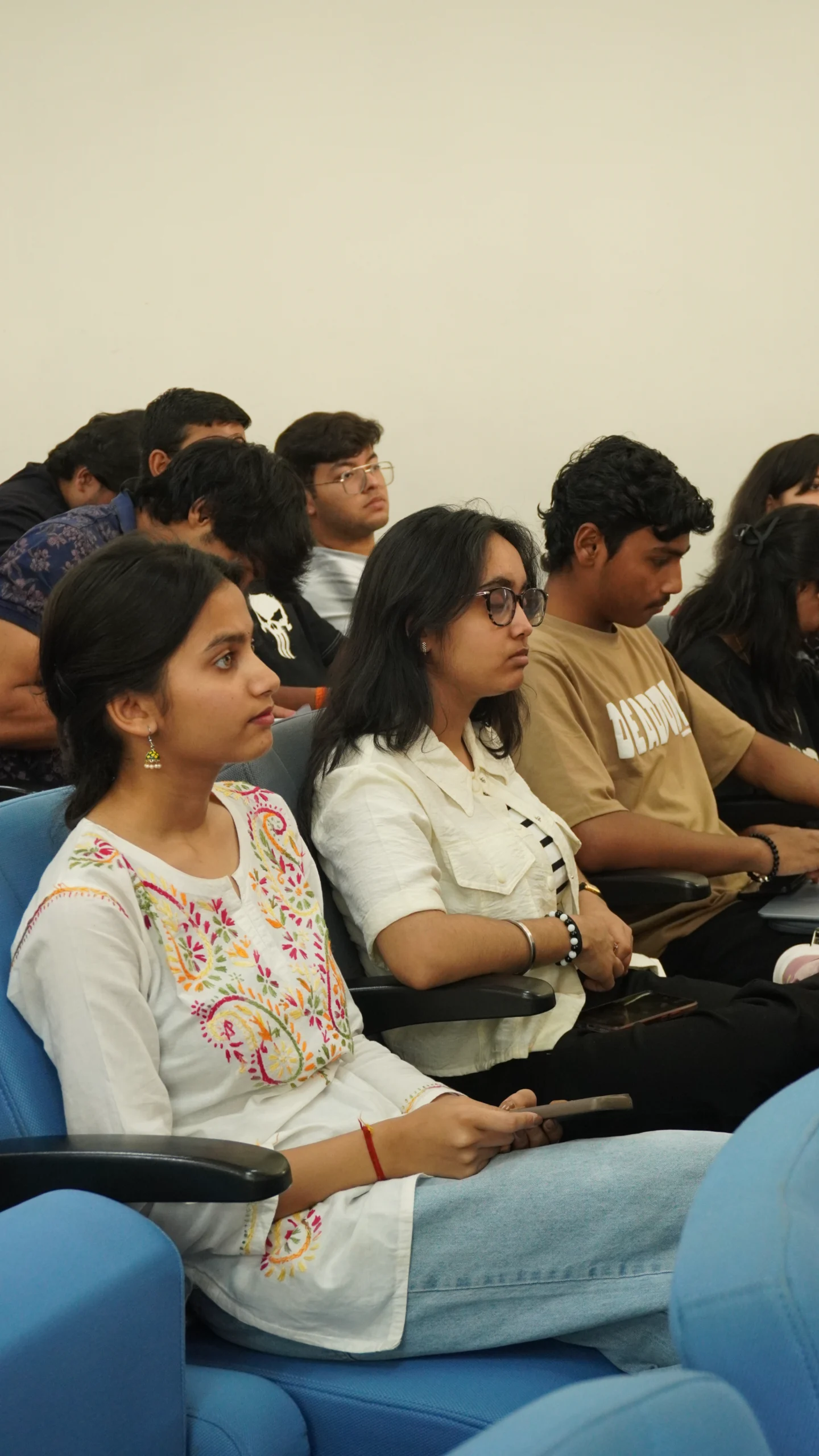
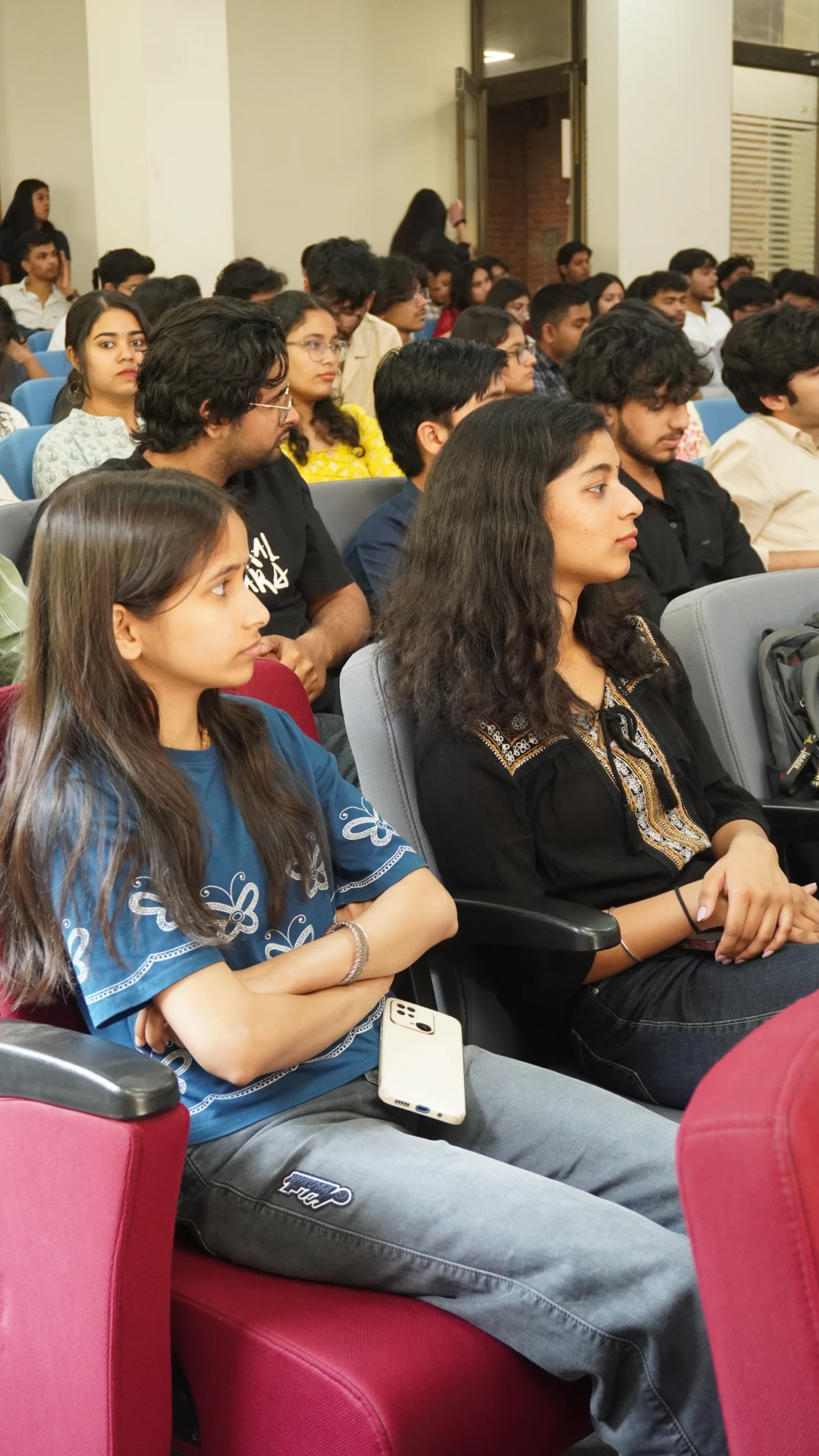
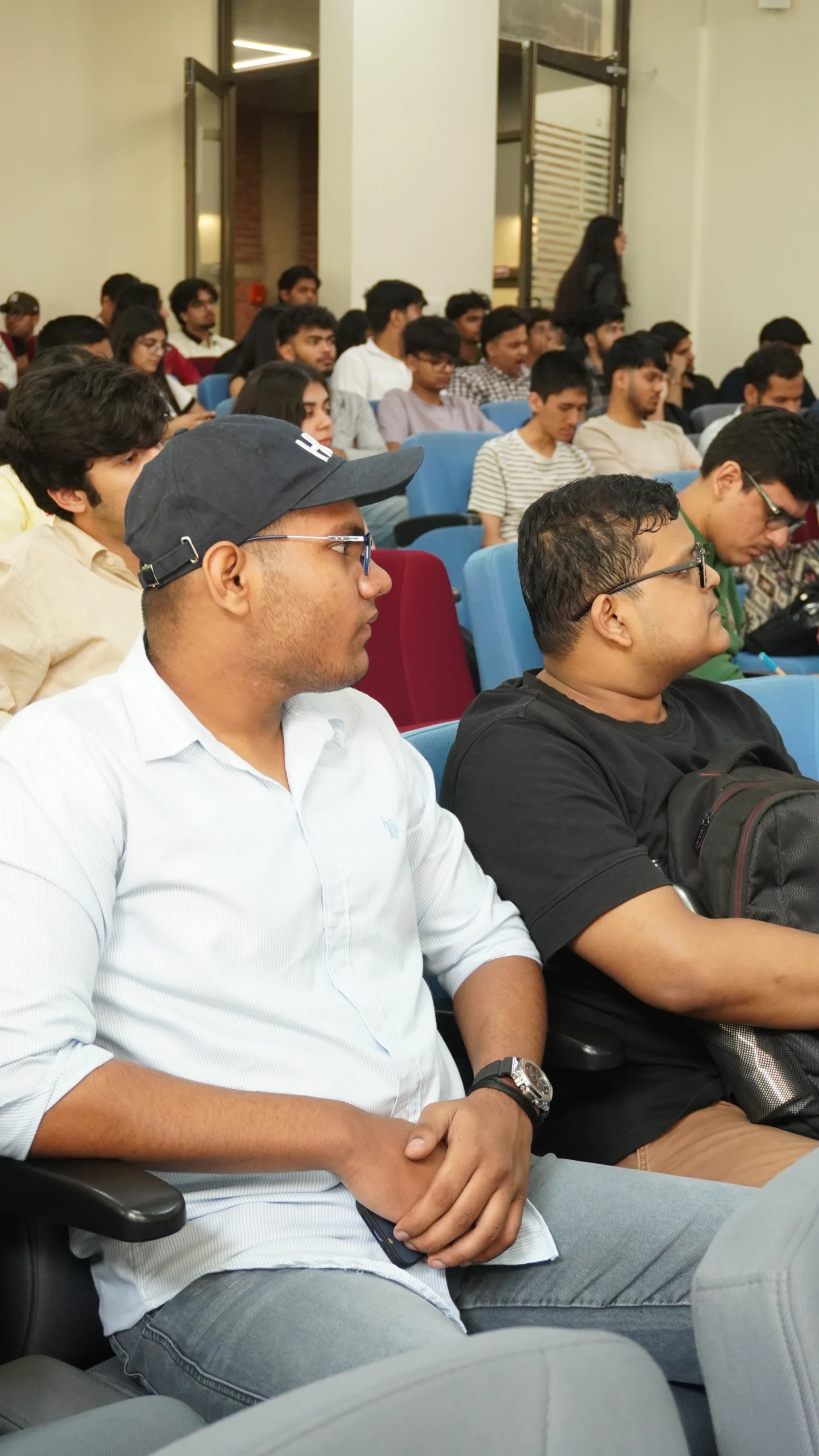
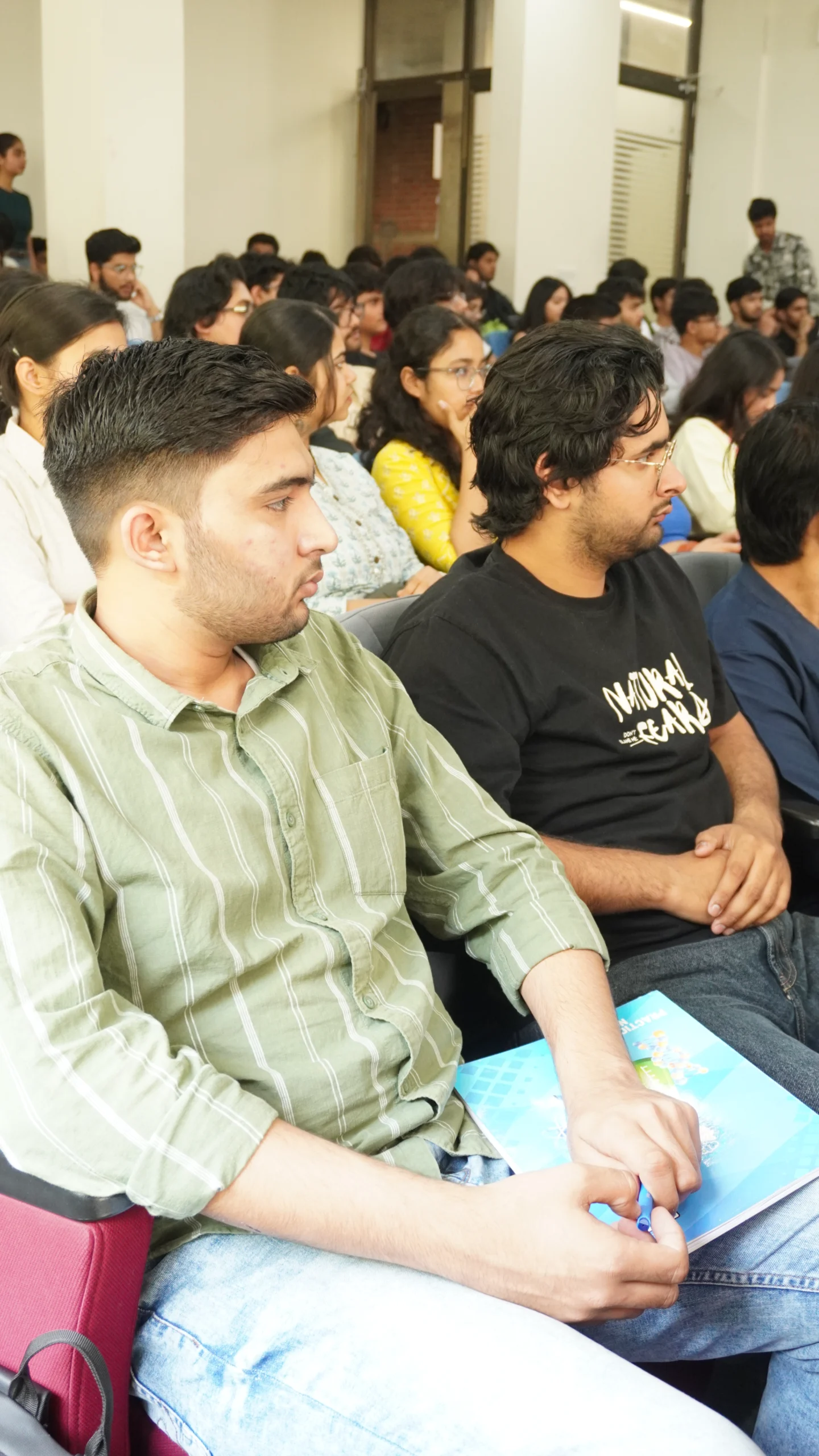
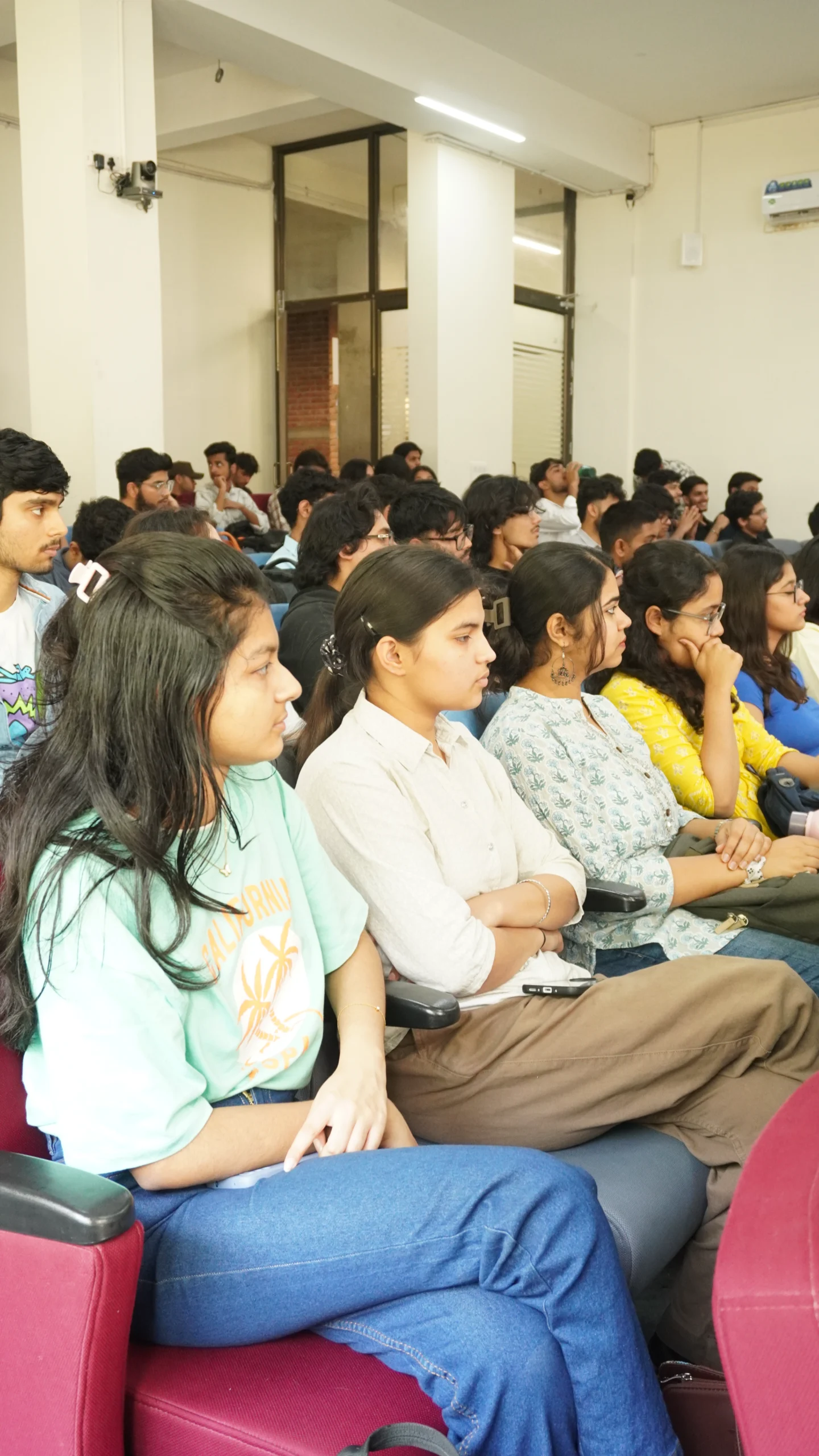
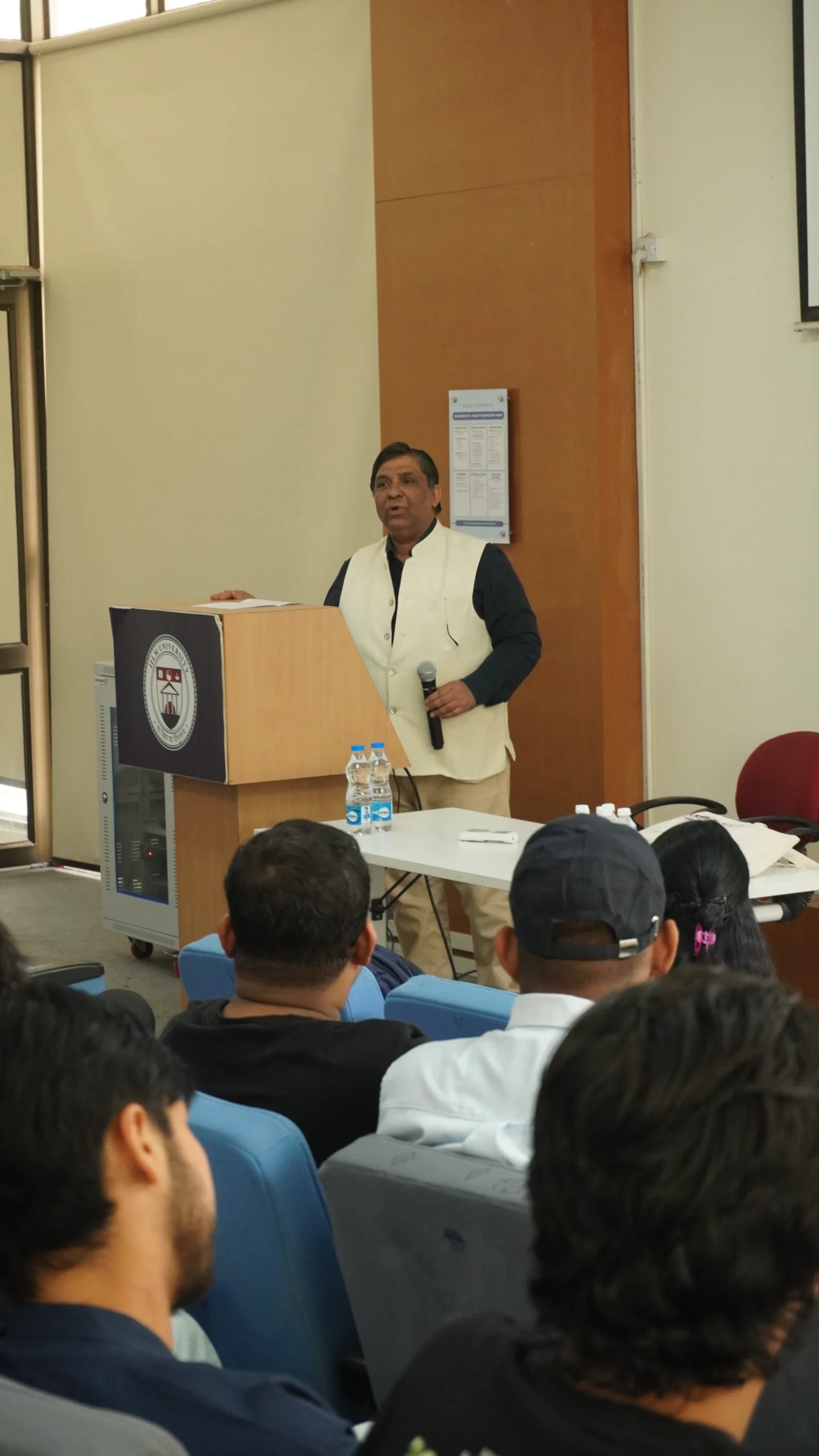
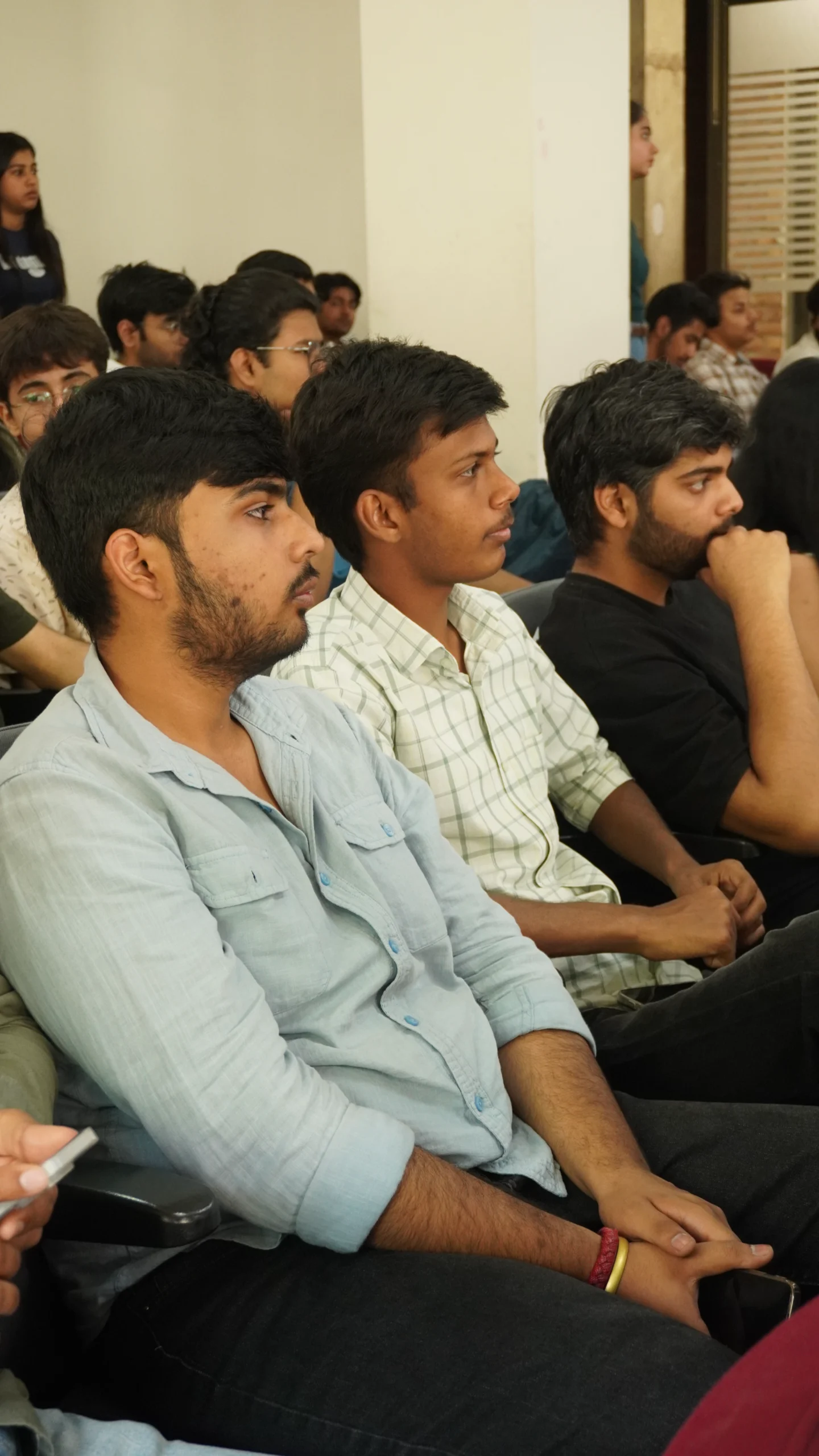
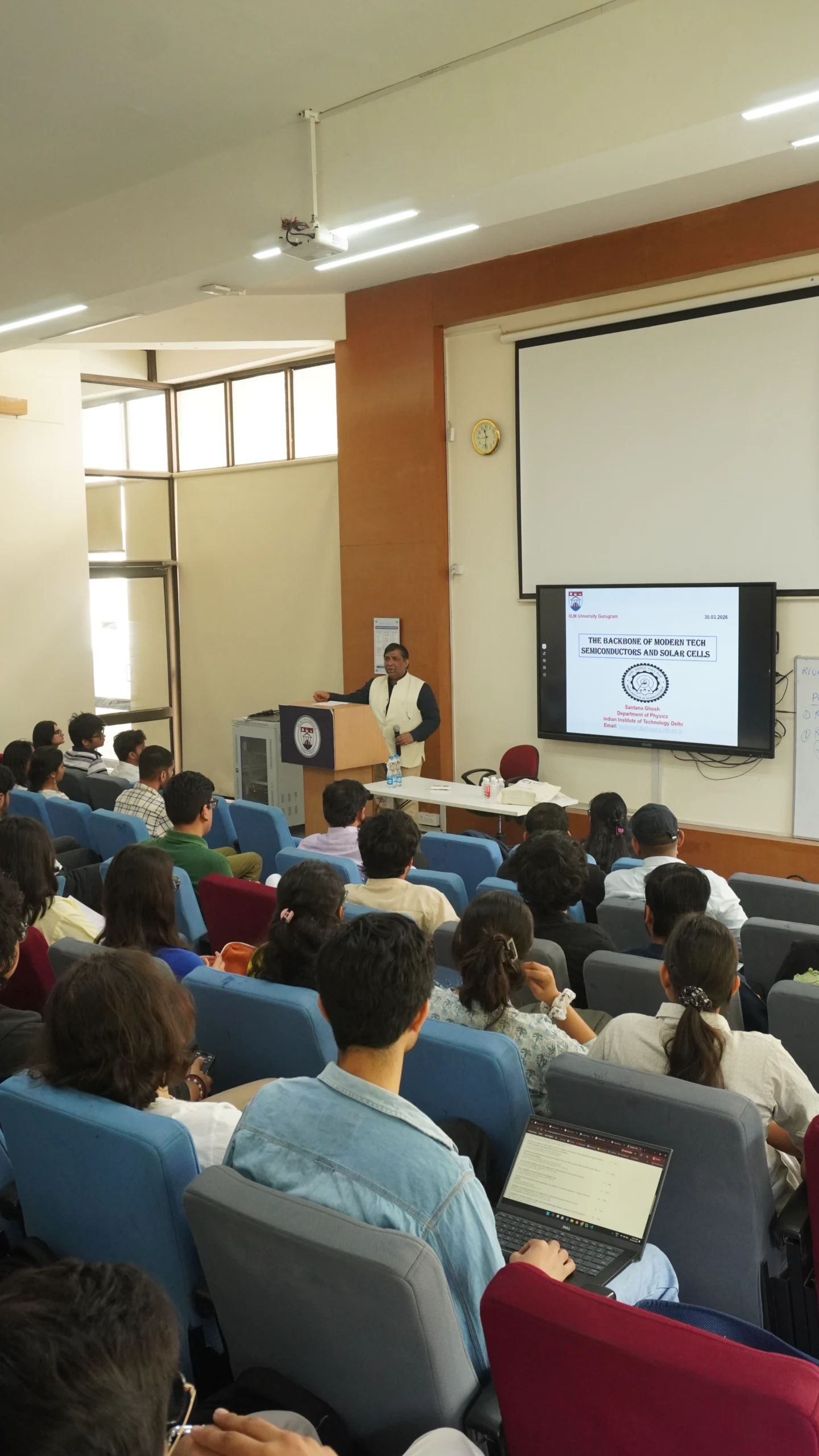
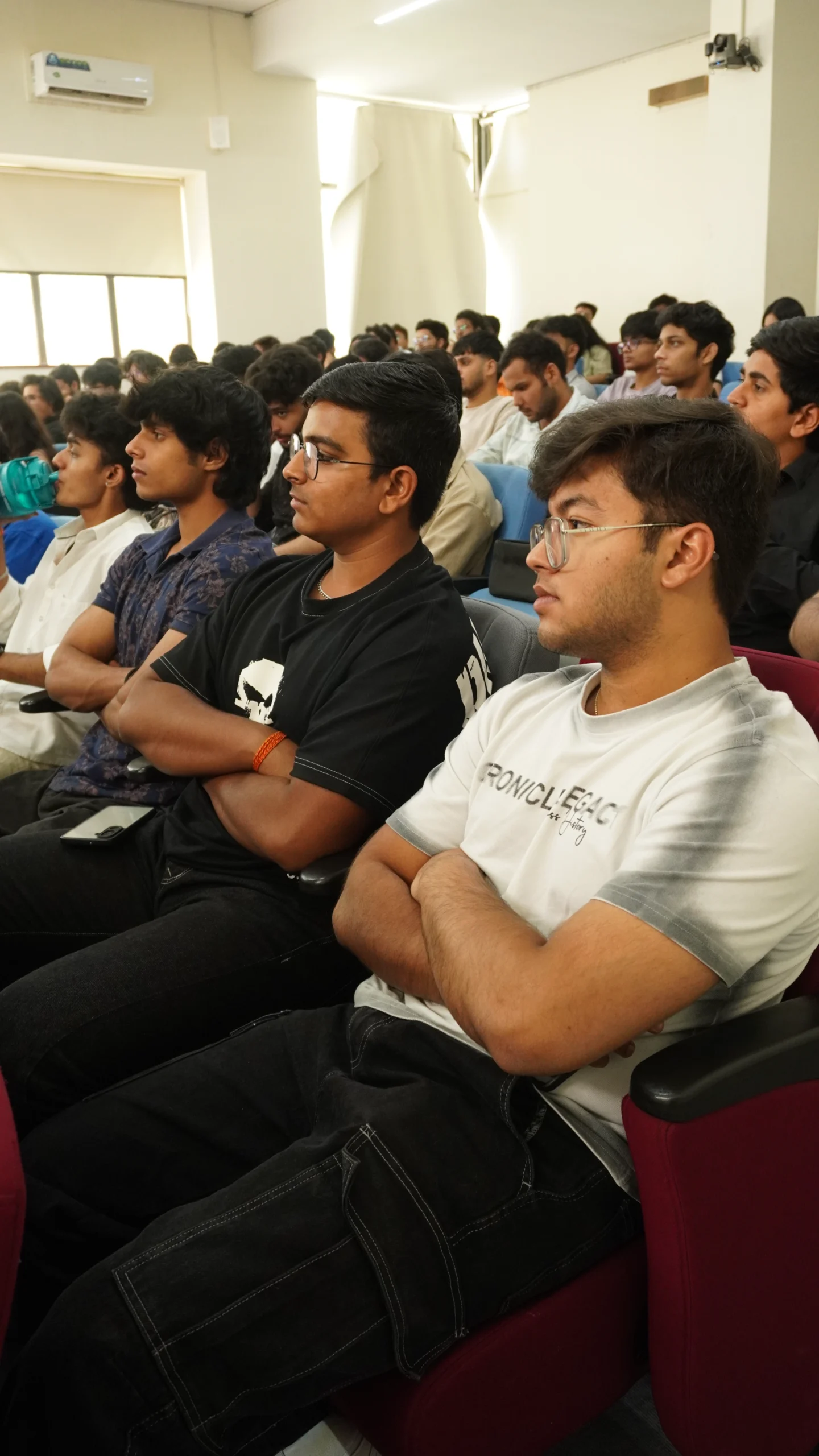
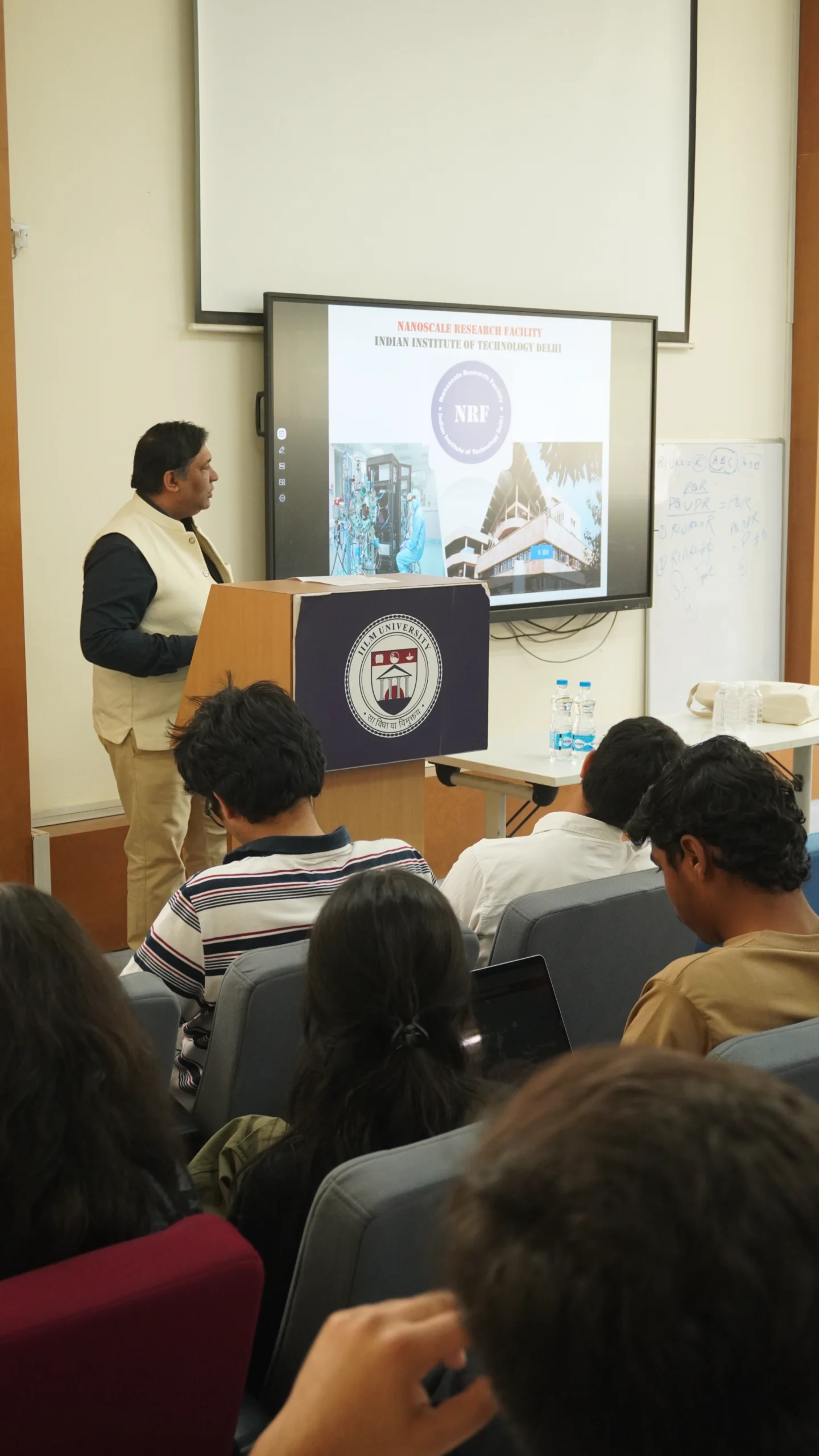
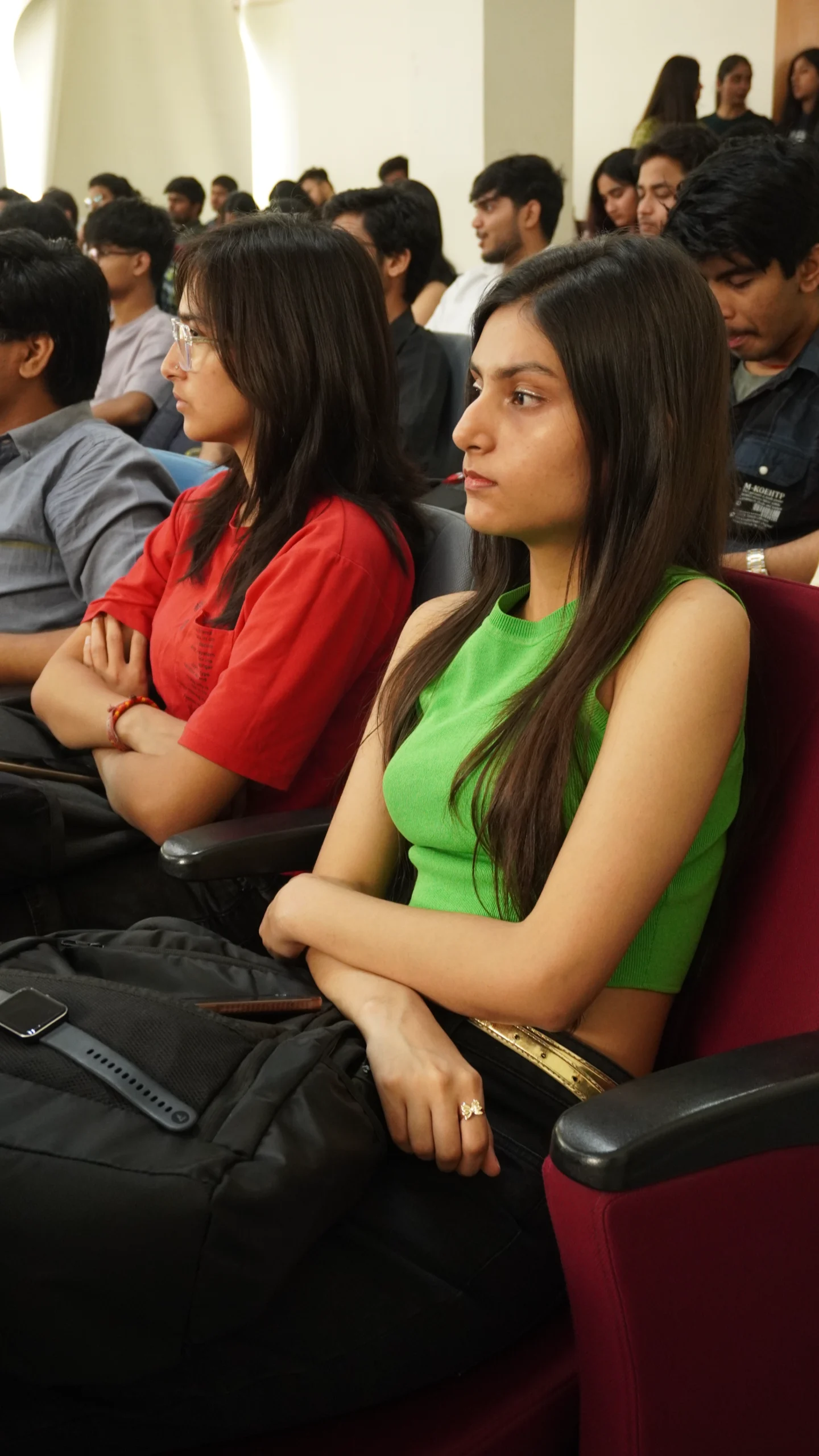
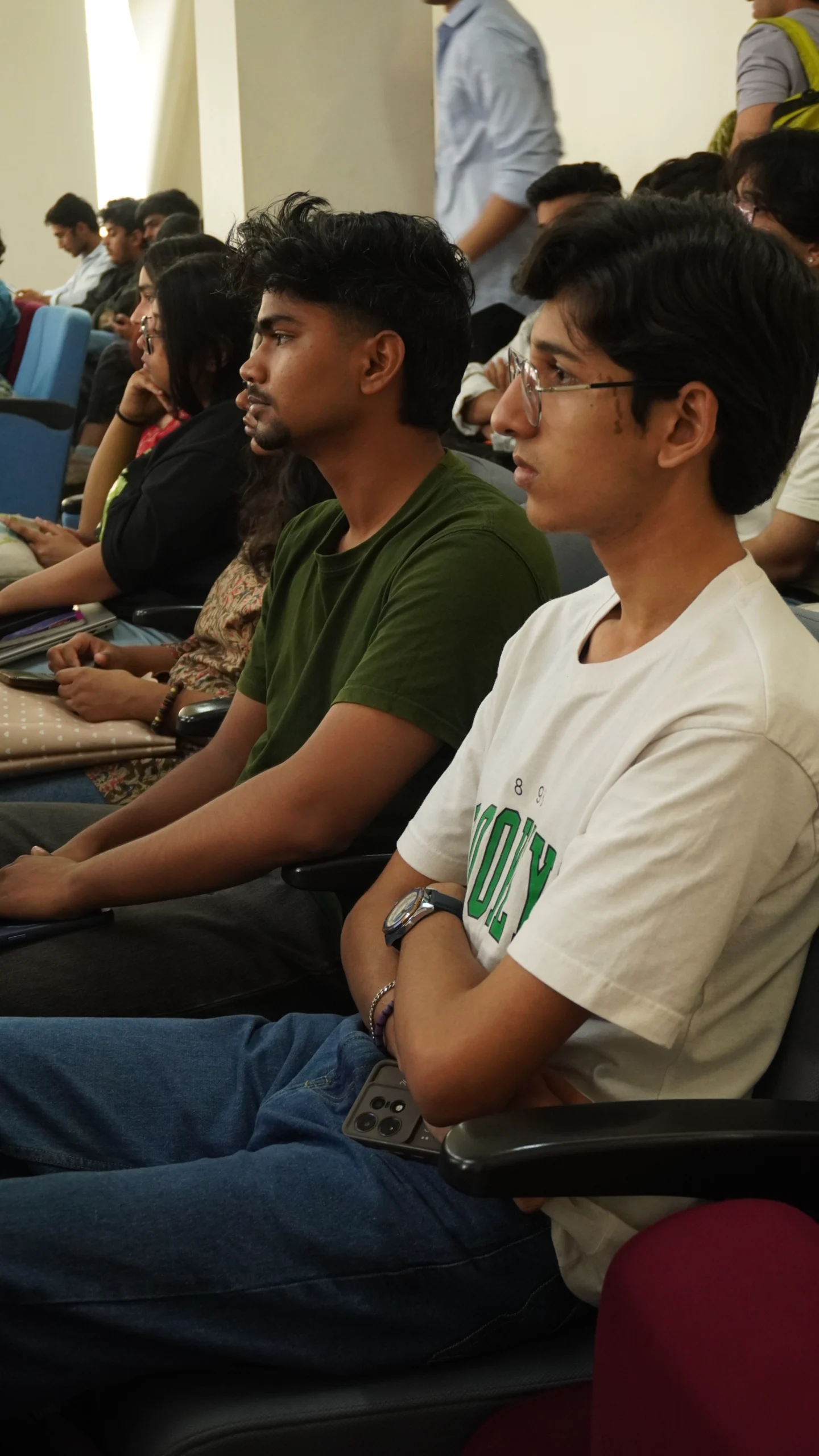
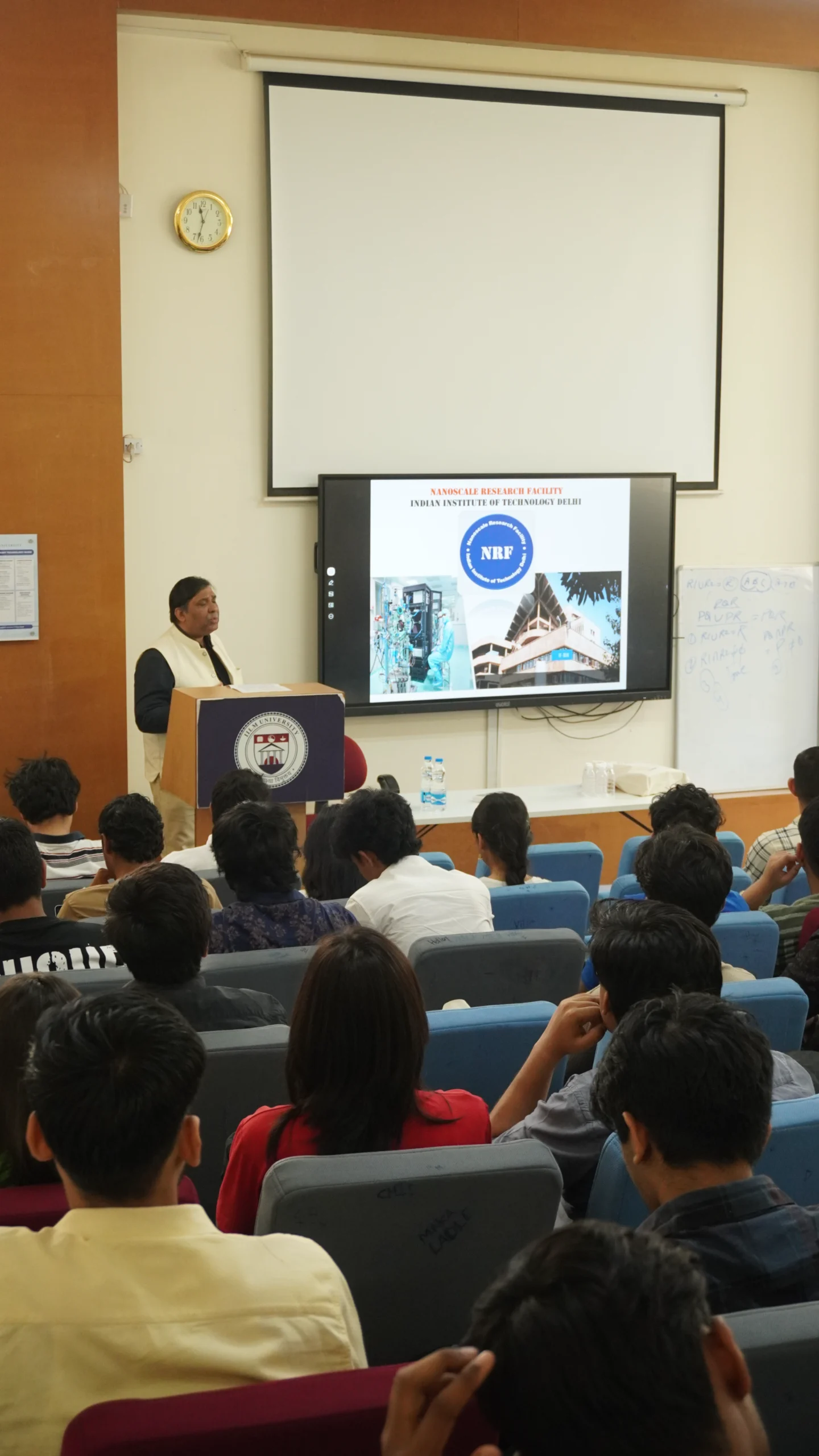
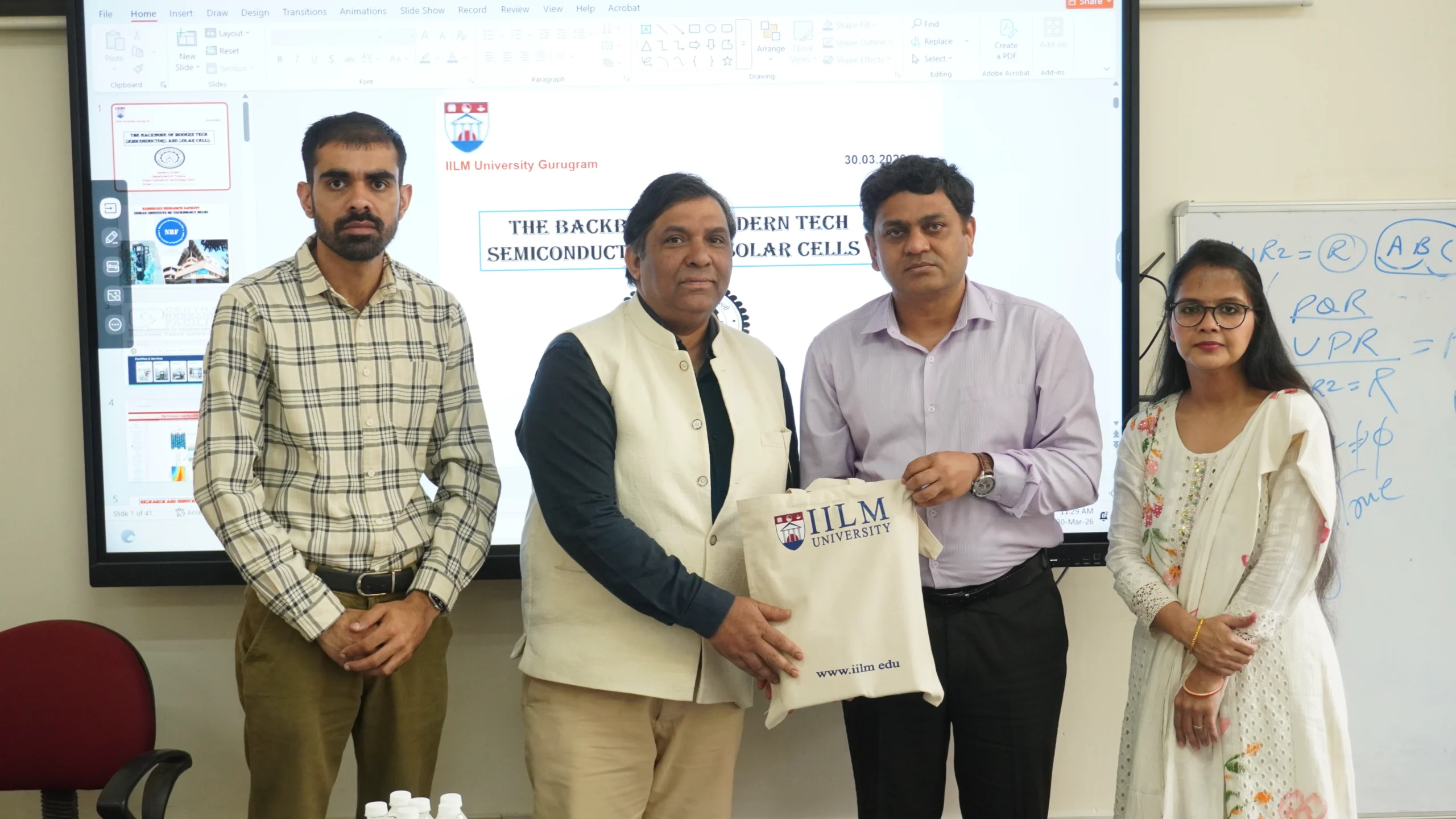
The School of Computer Science and Engineering at IILM University, Gurugram, hosted a guest lecture titled “The Backbone of Modern Tech: Semiconductors and Solar Cells” — a structured and in-depth exploration of two foundational technology domains that sit at the core of modern digital infrastructure and the rapidly expanding renewable energy sector, directly connecting academic learning to the real-world technological landscape students will enter as professionals.
The lecture provided students with a comprehensive engagement with the physics and engineering principles behind semiconductor devices — foundational knowledge that underpins virtually all modern computing, communications, and electronic systems, and that forms the technical bedrock upon which the digital economy and the information technology industry are built.
Solar cell technology was addressed as a second major focus of the lecture, connecting semiconductor physics to the application of photovoltaic technology in contemporary energy systems — situating the session at the important and rapidly growing intersection of computer engineering knowledge and the global renewable energy transition that is reshaping the technological and industrial landscape.
The session connected academic learning to the real-world technological landscape students will enter as professionals — reinforcing that foundational understanding of semiconductor and solar cell technology is not a specialised or peripheral concern for computer science engineers but a central dimension of technical literacy that distinguishes capable engineers from those genuinely equipped to contribute at the frontier of the field.
The lecture reinforced the School of Computer Science and Engineering’s commitment to ensuring students develop technical depth in foundational areas alongside applied programming and software competencies — recognising that the engineers most capable of contributing to the next generation of technological development are those who understand not just how to build with technology but why it works at a fundamental physical and engineering level.
Students developed a grounded understanding of the physics and engineering principles behind semiconductor devices — acquiring foundational technical knowledge that is directly applicable to careers in computer engineering, electronics, chip design, embedded systems, and the broader digital technology industry, and that provides a deeper technical basis for understanding the systems they design, programme, and deploy.
Exposure to solar cell technology and its application in contemporary energy systems broadened students’ understanding of the intersection between computer science and engineering, semiconductor physics, and renewable energy — developing an interdisciplinary technical perspective directly relevant to careers in sustainable technology, clean energy systems, and the rapidly growing green technology sector.
The session developed students’ appreciation of foundational engineering knowledge as a professional differentiator — reinforcing that engineers who understand the physical principles underlying the technologies they work with are better equipped to innovate, troubleshoot, and contribute at the conceptual and design levels that define the most impactful careers in the technology industry.
Connecting semiconductor and solar cell concepts to the real-world technological landscape students will enter as professionals gave the lecture immediate and tangible professional relevance — enabling students to understand not just the academic content but its practical significance in the industries, products, and systems that will define their professional environments.
The guest lecture developed the habit of engaging with foundational technical knowledge beyond the immediate boundaries of the software and programming curricula — encouraging students to pursue technical breadth alongside specialisation, and to cultivate the physical and engineering literacy that enables them to engage meaningfully with the full technological ecosystem in which their professional careers will unfold.