


Panel Discussion – “Harmonizing AI Innovation and Education Diplomacy: Perspectives from Diplomats”
31 March 2026, Tuesday
31 March 2026, Tuesday
11:00 AM
01:00 PM
IILM University, Gurugram
IILM University, Gurugram
IILM University, Gurugram
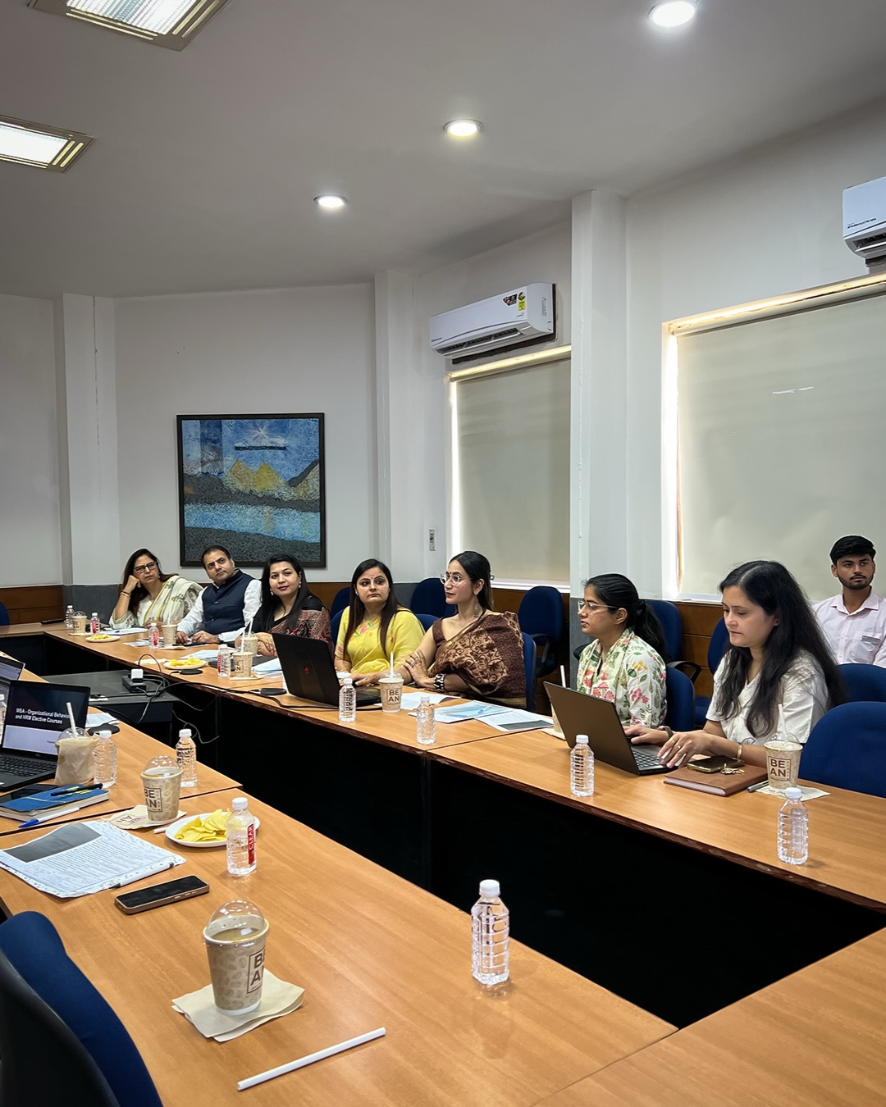
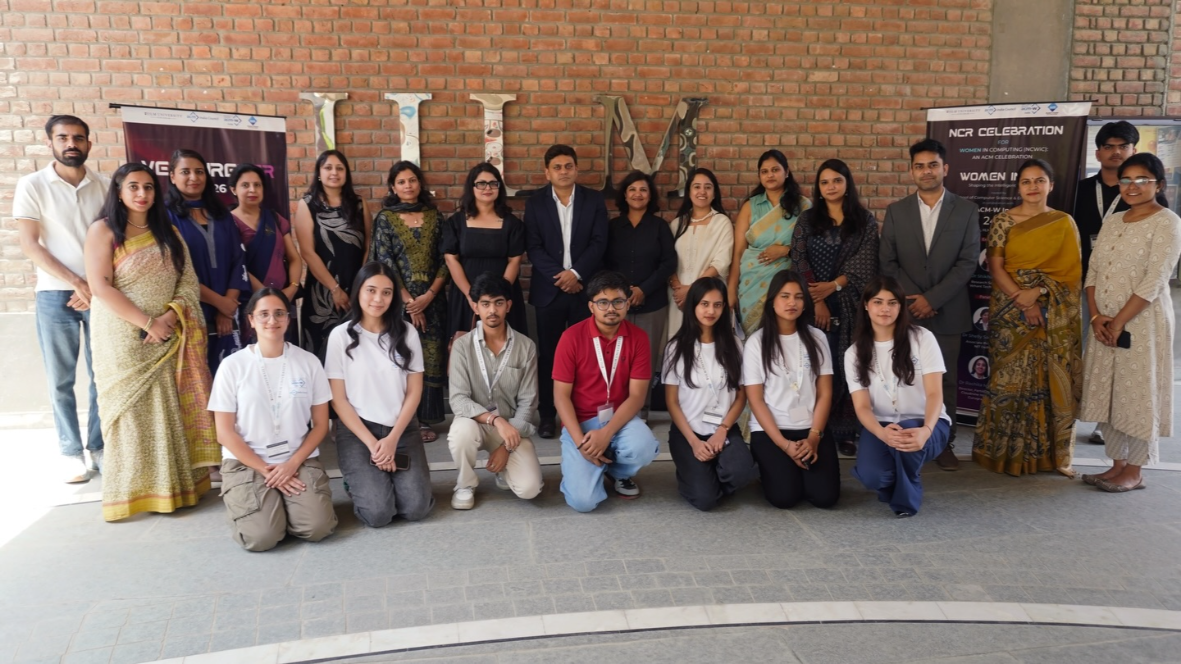
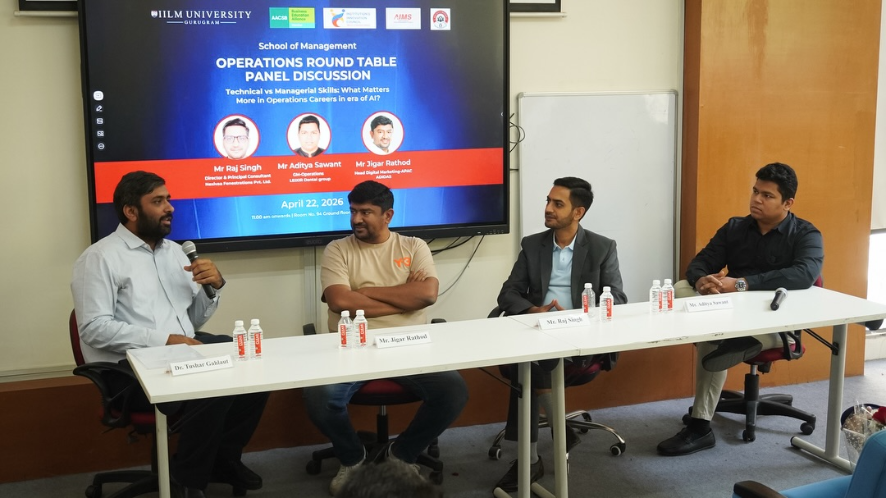
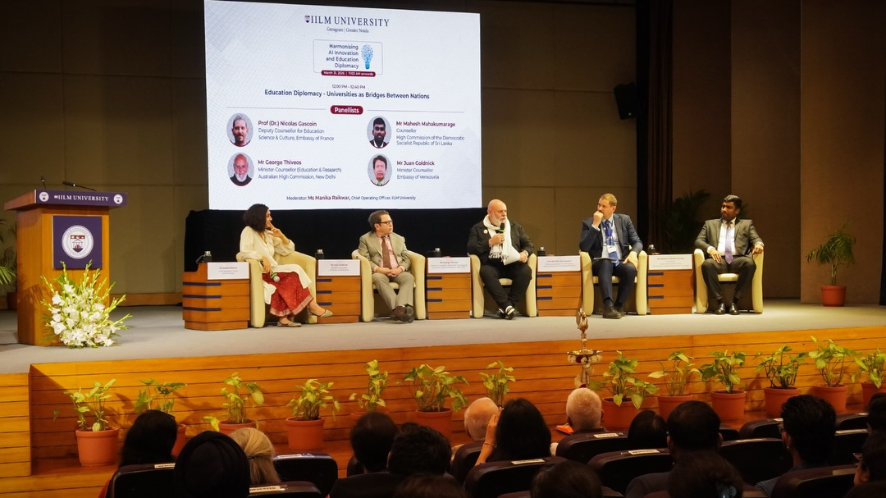
IILM University, Gurugram hosted a high-level panel discussion titled “Harmonizing AI Innovation and Education Diplomacy” on 31st March 2026 at IILM, Lodhi Road, bringing together distinguished diplomats and thought leaders from across the globe in a structured dual-panel format — positioning the university as a credible platform for dialogue at the intersection of artificial intelligence, global economies, and education diplomacy.
Panel I, titled “AI, Innovation and the Future of Global Economies,” was moderated by Ms. Nidhi Razdan, Director, School of Communication, IILM University, and featured H.E. Dato’ Muzafar Shah Mustafa (High Commissioner of Malaysia), H.E. Mr. Juan Antonio March Pujol (Ambassador of Spain to India), and H.E. Mr. Alonso Correa Miguel (Ambassador of the Republic of Panama to India) — exploring the transformative impact of AI on global economic structures, workforce dynamics, and policy frameworks, and emphasising the need for strategic foresight, international cooperation, and adaptive policymaking.
Panel II, titled “Education Diplomacy: Universities as Bridges Between Nations,” was moderated by Ms. Manika Raikwar, Chief Operating Officer, IILM University, and featured Prof. Dr. Nicolas Gascoin (Deputy Counsellor for Education, Science and Culture, Embassy of France), Mr. George Thiveos (Minister-Counsellor, Education and Research, Australian High Commission), Mr. Mahesh Mahakumarage (Counsellor, High Commission of Sri Lanka), and Mr. Juan Goldnick (Minister Counsellor, Embassy of Venezuela) — emphasising the critical role of higher education institutions in fostering cross-border collaboration, cultural exchange, and long-term diplomatic engagement.
The event commenced with a Welcome Address by Dr. Rahul Singh, who emphasised the importance of aligning innovation with global collaboration in the age of Artificial Intelligence, followed by a Lamp Lighting Ceremony symbolising knowledge, partnership, and shared global vision — establishing the ceremonial and intellectual tone of the proceedings.
The collective discussions across both panels generated four key institutional takeaways: that AI is a defining force reshaping global economies and workforce ecosystems; that universities are emerging as strategic connectors in international diplomacy; that cross-border partnerships are essential for inclusive and sustainable technological advancement; and that education systems must evolve to support innovation, adaptability, and global competence.
Students gained rare, direct exposure to the perspectives of serving diplomats from Malaysia, Spain, Panama, France, Australia, Sri Lanka, and Venezuela — acquiring an informed, multi-national understanding of how AI is reshaping global economies, workforce dynamics, and international policy in ways directly relevant to their future professional environments.
Through Panel I, students developed a nuanced understanding of AI’s transformative role in global economic structures and the policy responses required to navigate AI-led disruption — equipping them with a macro-level analytical framework applicable to careers in business, public policy, technology, and international affairs.
Panel II enriched students’ understanding of education diplomacy and the strategic role of universities in facilitating cross-border collaboration, cultural exchange, and long-term international engagement — contextualising their own university experience within a broader global diplomatic framework.
The interactive Q&A sessions following both panels enabled students and faculty to engage directly with distinguished international guests, gaining practical insights into global policy, innovation governance, and the evolving expectations of internationally competent graduates.
The event reinforced for students the growing imperative that education systems must evolve to support innovation, adaptability, and global competence — providing direct motivational and intellectual impetus for students to invest in developing the interdisciplinary and internationally oriented skills demanded by a rapidly transforming global landscape.