


Youth, Policy and Advocacy – Community Dialogue on Civic Participation
09 April 2026, Thursday
09 April 2026, Thursday
11:00 AM
01:00 PM
School of Management, IILM University, Gurugram
School of Management, IILM University, Gurugram
IILM University, Gurugram
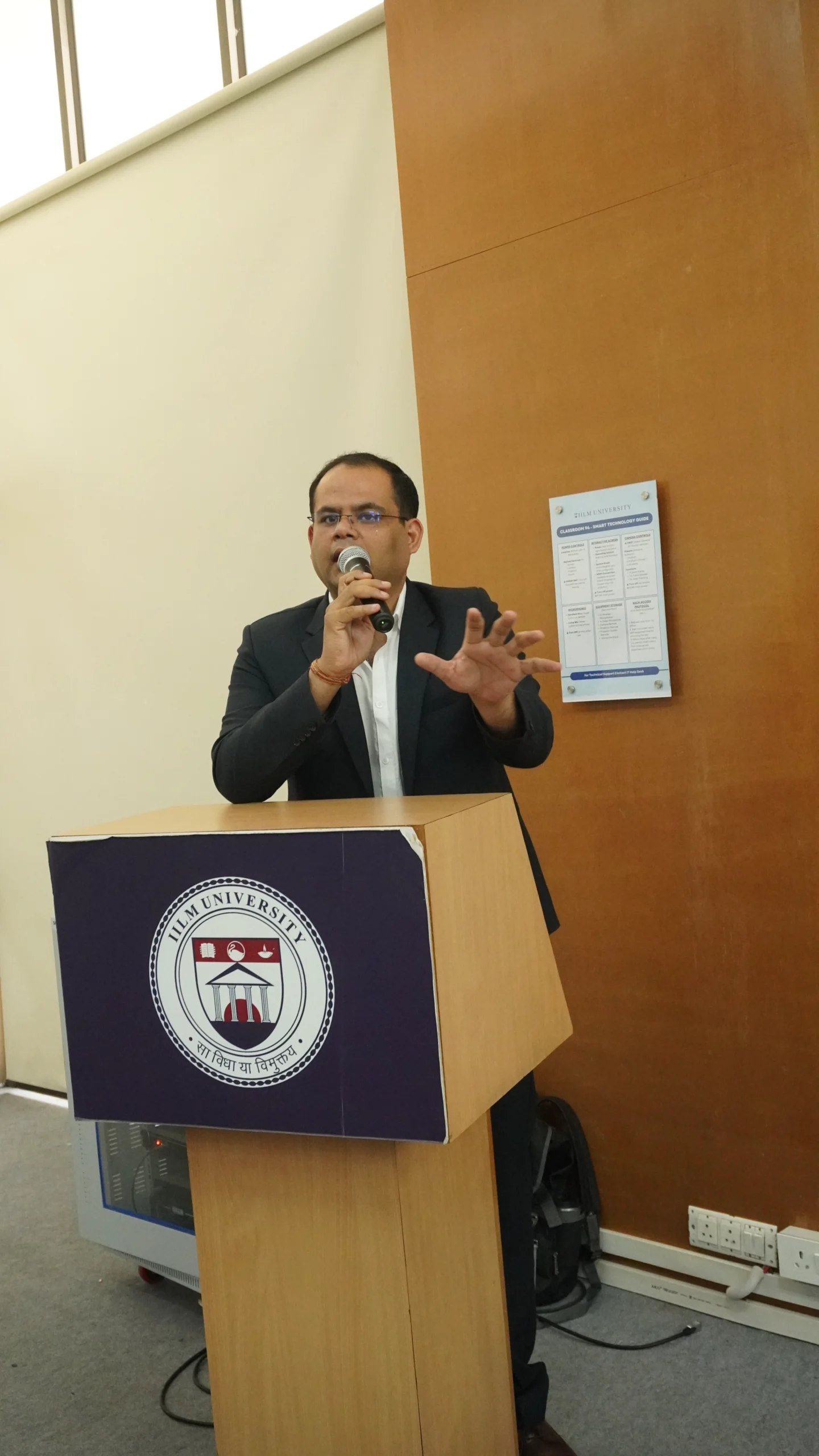
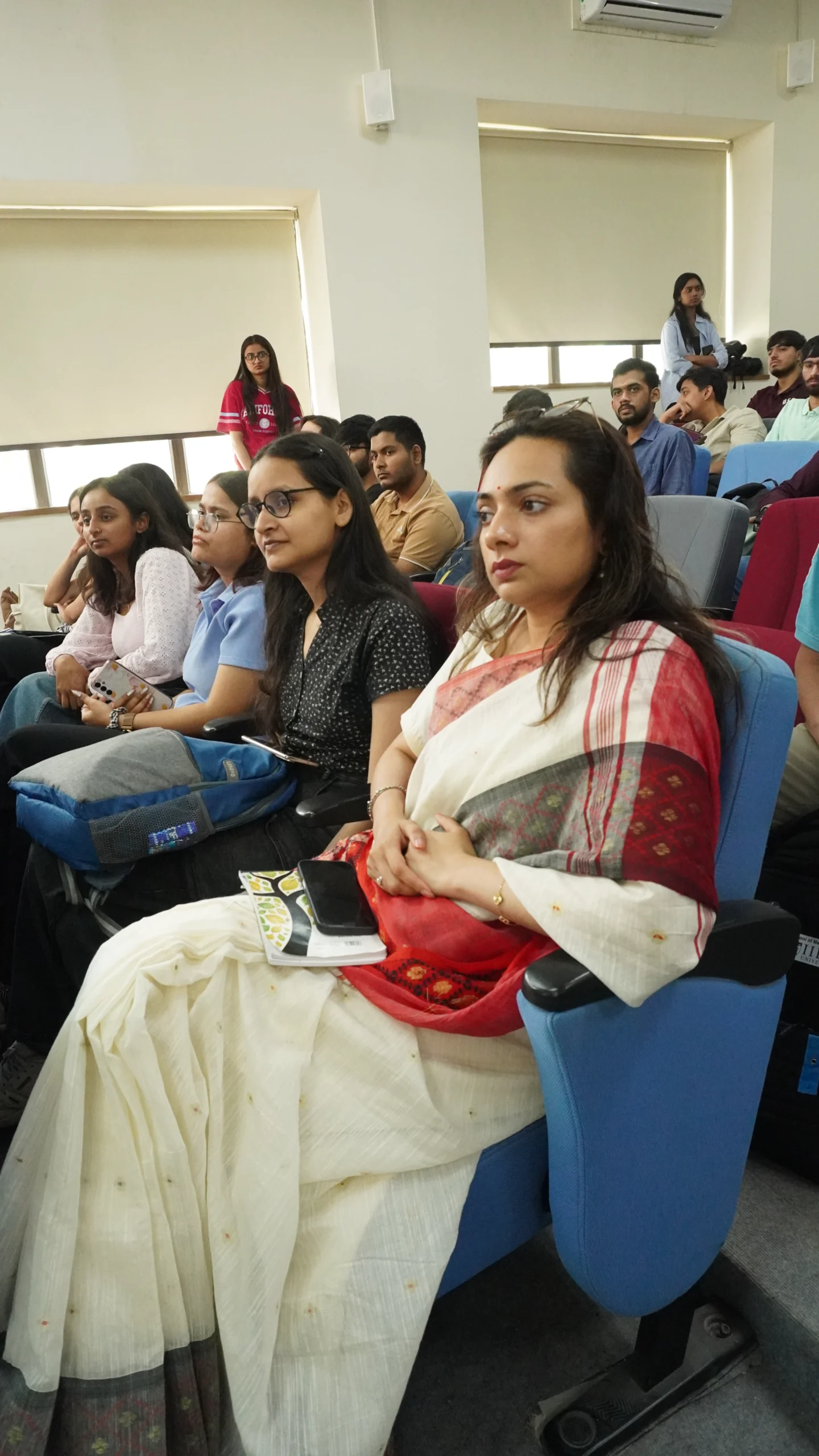
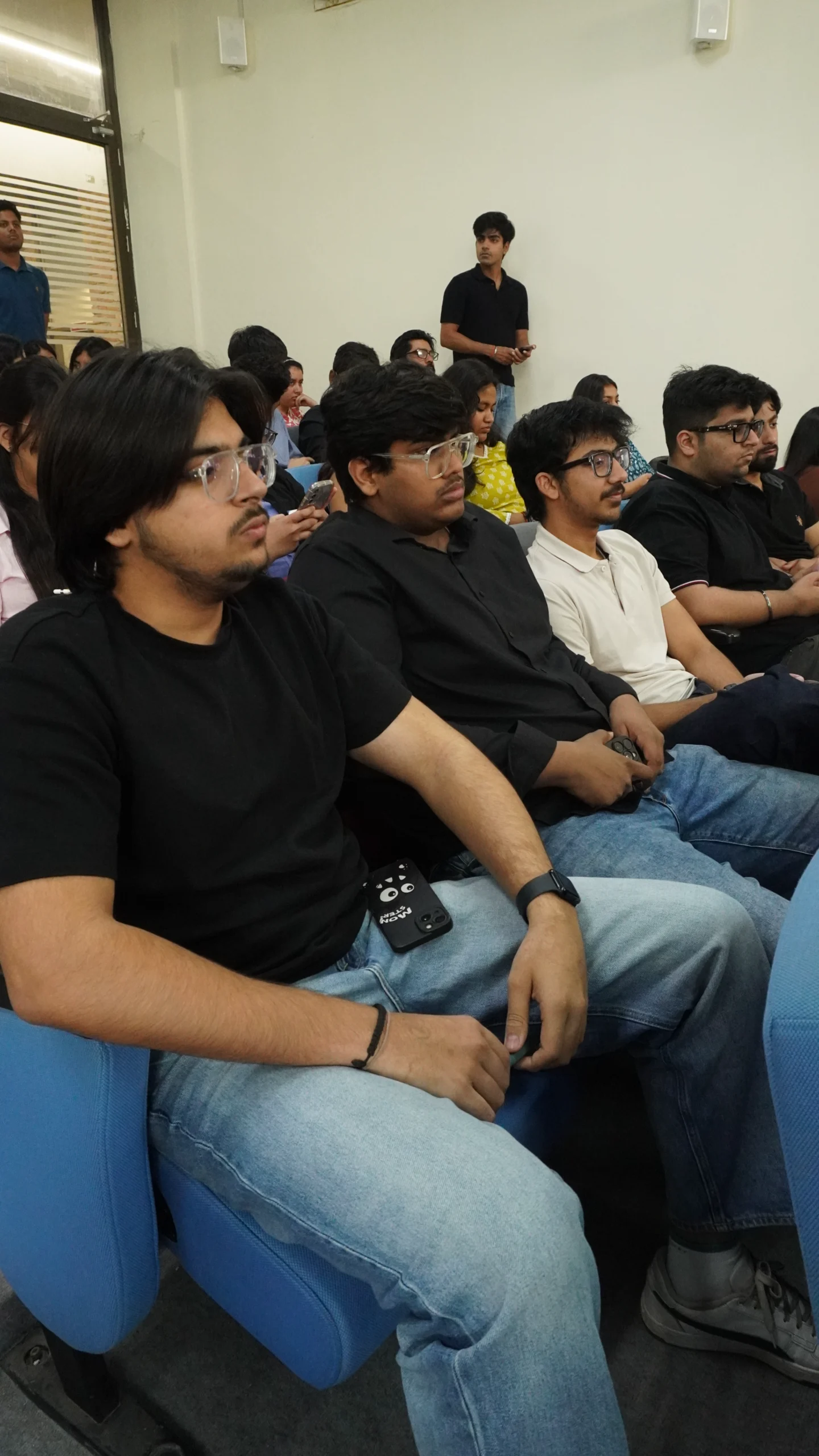


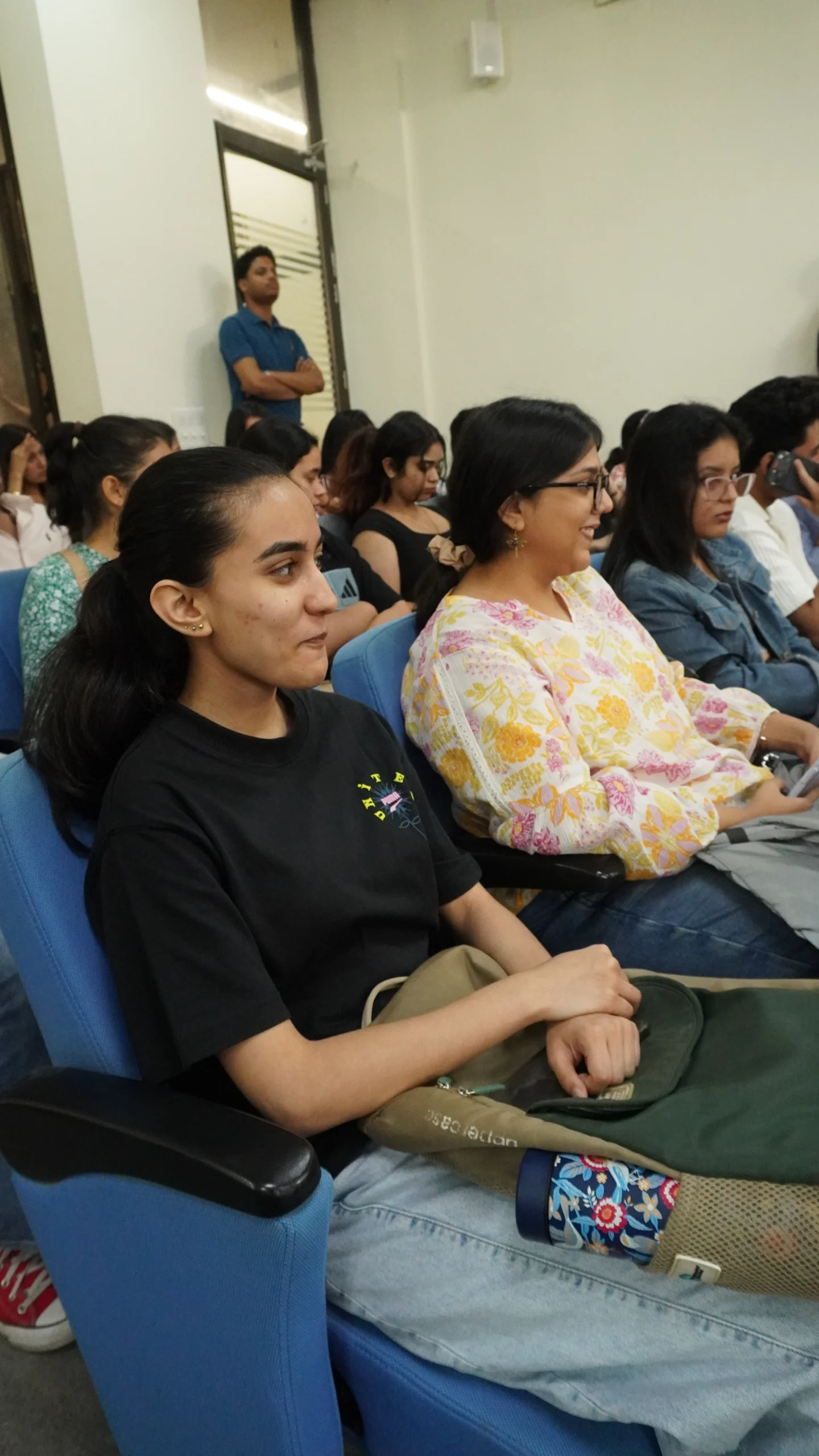
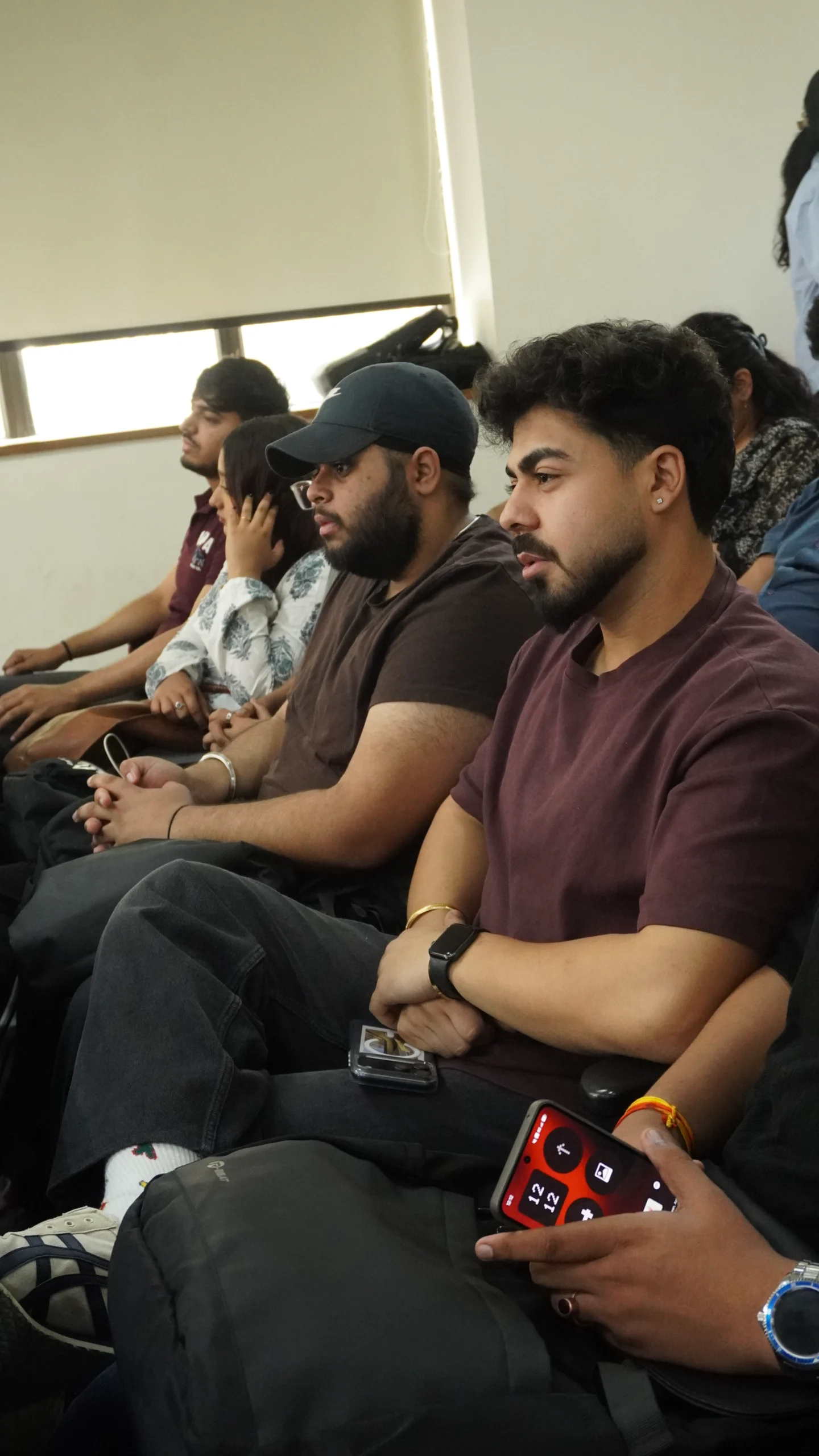
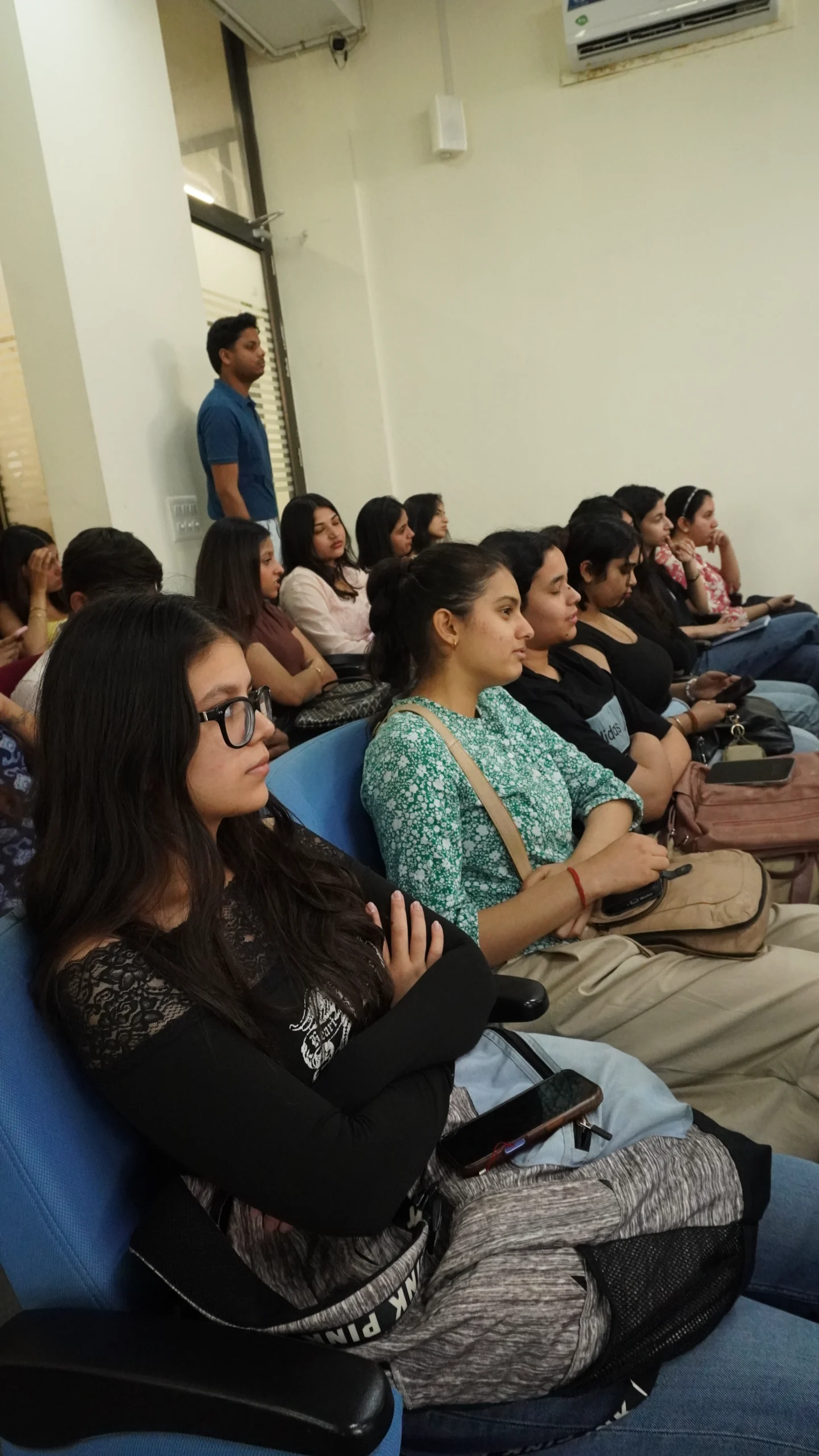


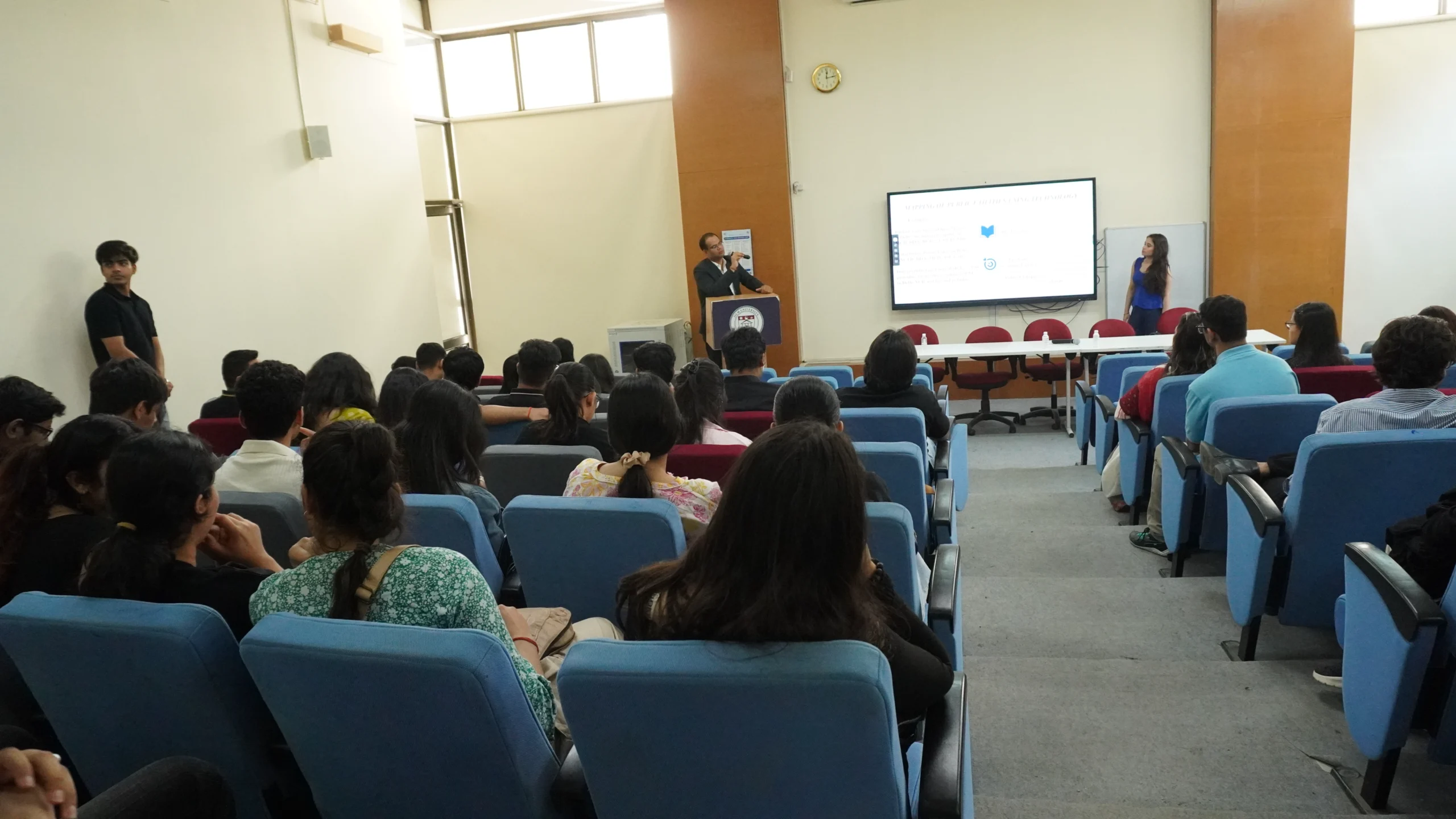



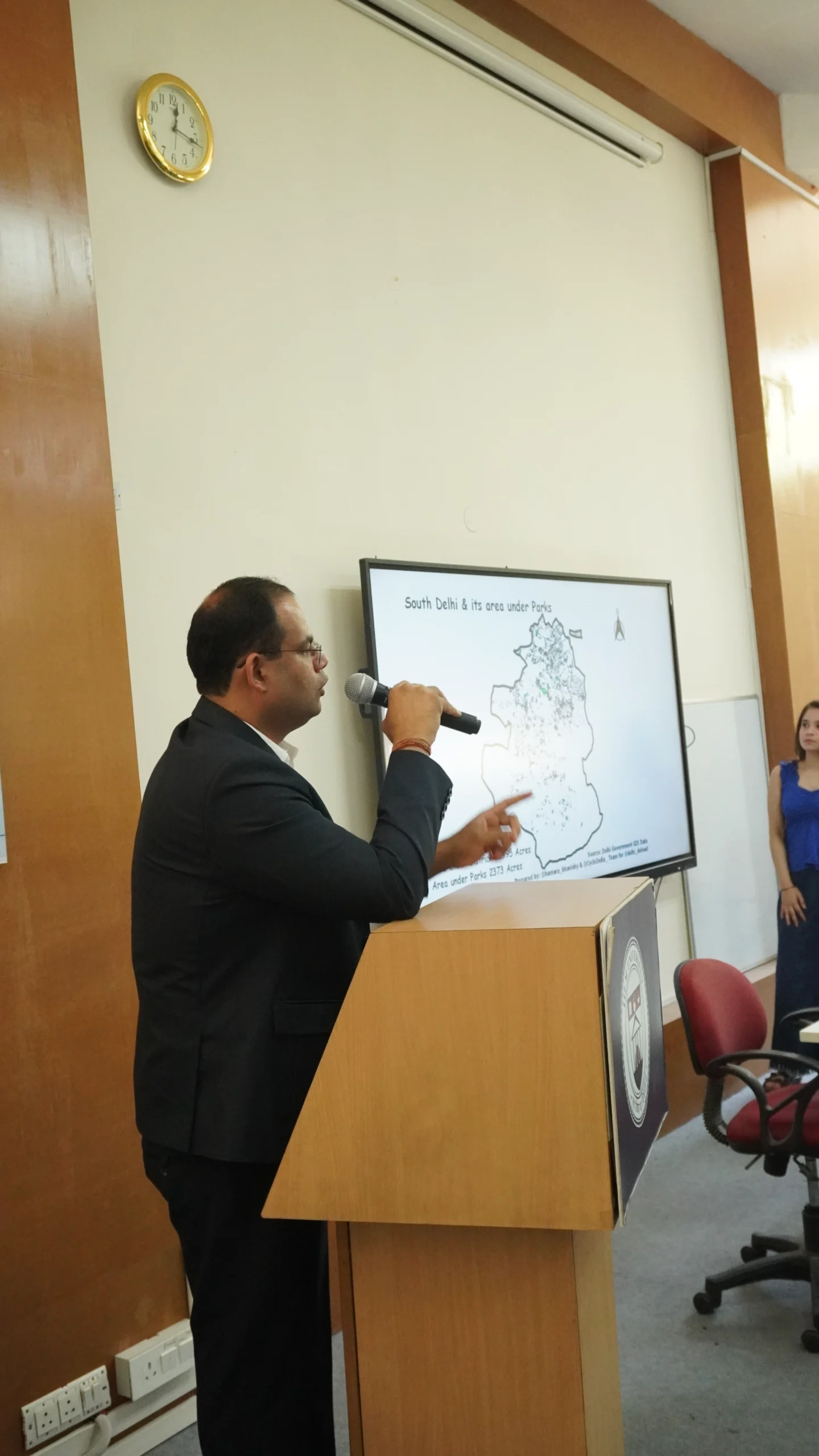
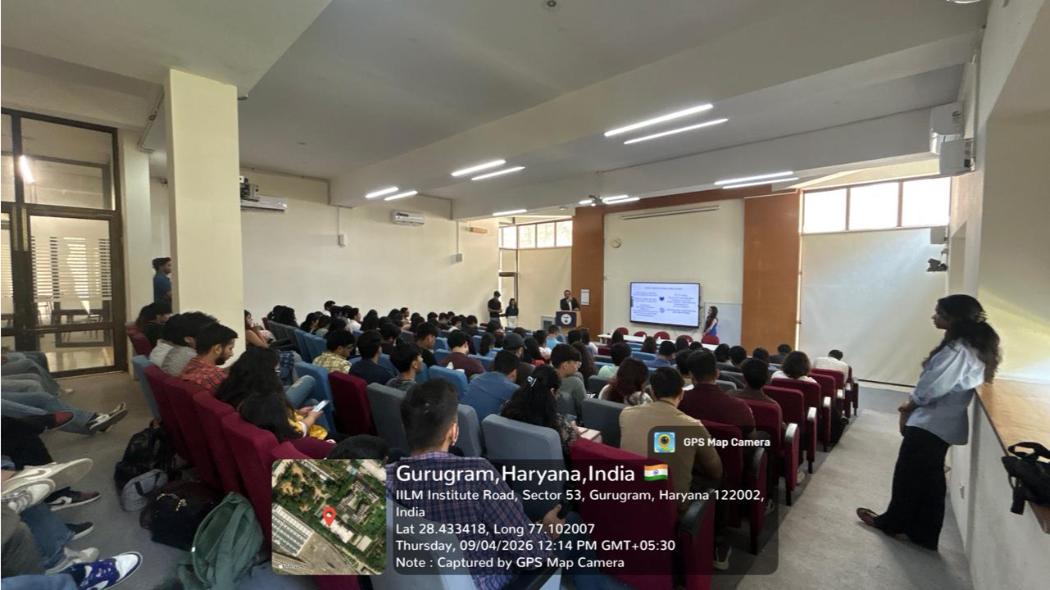
The School of Management at IILM University, Gurugram, hosted Youth, Policy and Advocacy — a community dialogue centred on the relevance of politics and civic participation for young professionals — reflecting the institution’s recognition that the ability to understand, engage with, and contribute to public discourse is an increasingly relevant competency for the generation of leaders, managers, and entrepreneurs its students are preparing to become.
The session was explicitly designed as a community dialogue rather than a lecture or panel — ensuring that the conversation was bidirectional, grounded in the perspectives and experiences students themselves brought into the room, and structured to honour student voices as substantive contributions to an important and ongoing public conversation rather than as recipients of expert knowledge about civic life.
The session engaged students critically and honestly with questions around governance, civic responsibility, and the role of young people in shaping policy — developing the political literacy, public affairs awareness, and engaged citizenship orientation that are increasingly recognised as foundational competencies for management professionals who will operate in environments deeply shaped by public policy, regulatory frameworks, and socio-political dynamics.
The framing of civic participation and policy awareness as professionally relevant competencies rather than purely civic or personal concerns reflects a sophisticated and forward-looking understanding of management education — acknowledging that the organisations, industries, and communities within which students will lead are profoundly shaped by policy decisions, governance structures, and the quality of civic engagement that characterises their operating environments.
The session created a space for students to engage with questions that matter more than they ever have — positioning the School of Management as an institution committed to producing not merely technically competent managers but broadly educated, civically engaged, and socially responsible professionals equipped to contribute to public discourse and institutional life beyond the boundaries of the commercial sector.
Students engaged critically and honestly with questions around governance, civic responsibility, and the role of young people in shaping policy — developing political literacy, public affairs awareness, and an informed civic orientation that directly complements their management education and prepares them for professional roles in environments deeply shaped by public policy and regulatory frameworks.
The community dialogue format gave students the experience of contributing their own perspectives on civic and policy questions as valued voices in a shared conversation — developing confidence in public discourse, the ability to articulate positions on complex socio-political issues, and the intellectual humility to engage with diverse viewpoints in a structured and respectful dialogue environment.
Engagement with questions around the significance of civic participation for young professionals developed students’ understanding of how governance, policy, and public discourse shape the business, organisational, and community environments in which they will build their careers — reinforcing that management education that ignores the civic and political dimensions of professional life is necessarily incomplete.
The session built students’ capacity to approach socio-political complexity with clarity and confidence — developing the analytical frameworks, informed perspectives, and intellectual engagement needed to understand and contribute to the public conversations that shape the regulatory, institutional, and social environments within which organisations operate and professionals lead.
Youth, Policy and Advocacy positioned civic engagement not as a supplementary concern but as a central dimension of the professional identity of a broadly educated, socially responsible manager — equipping students with the motivation, awareness, and intellectual tools to participate meaningfully in the civic processes through which the societies and institutions they will help to lead are shaped and governed.