Hot Seat 2.0: Where the PR and Press Play

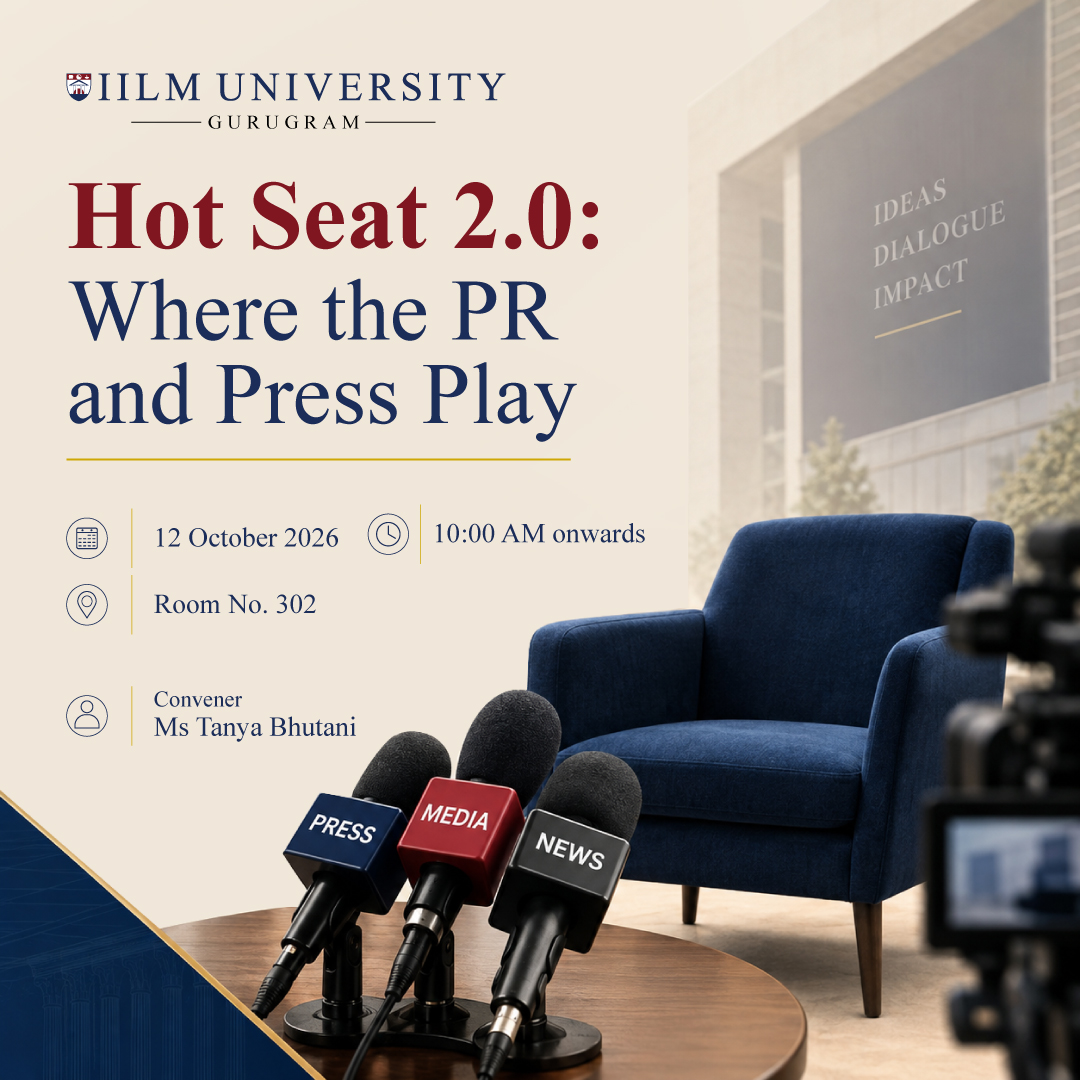
12 October 2026 IILM University

Hot Seat 2.0: Where the PR and Press Play

12 October 2026, Monday

12 October 2026, Monday

10:00 AM

11:00 AM

IILM University

IILM University Gurugram

Ms Tanya Bhutani

IILM University Campus (Room no 302)
What Happened

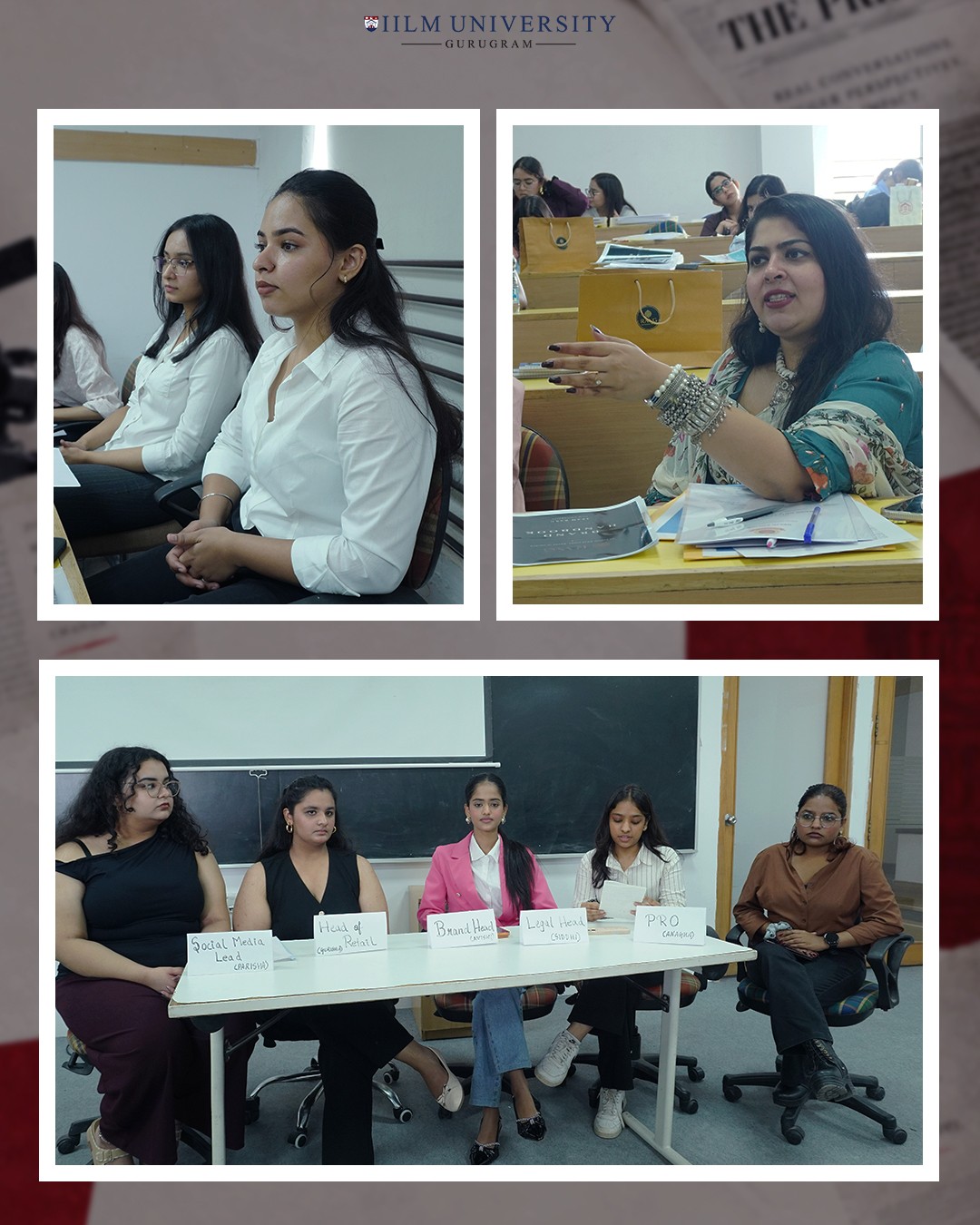
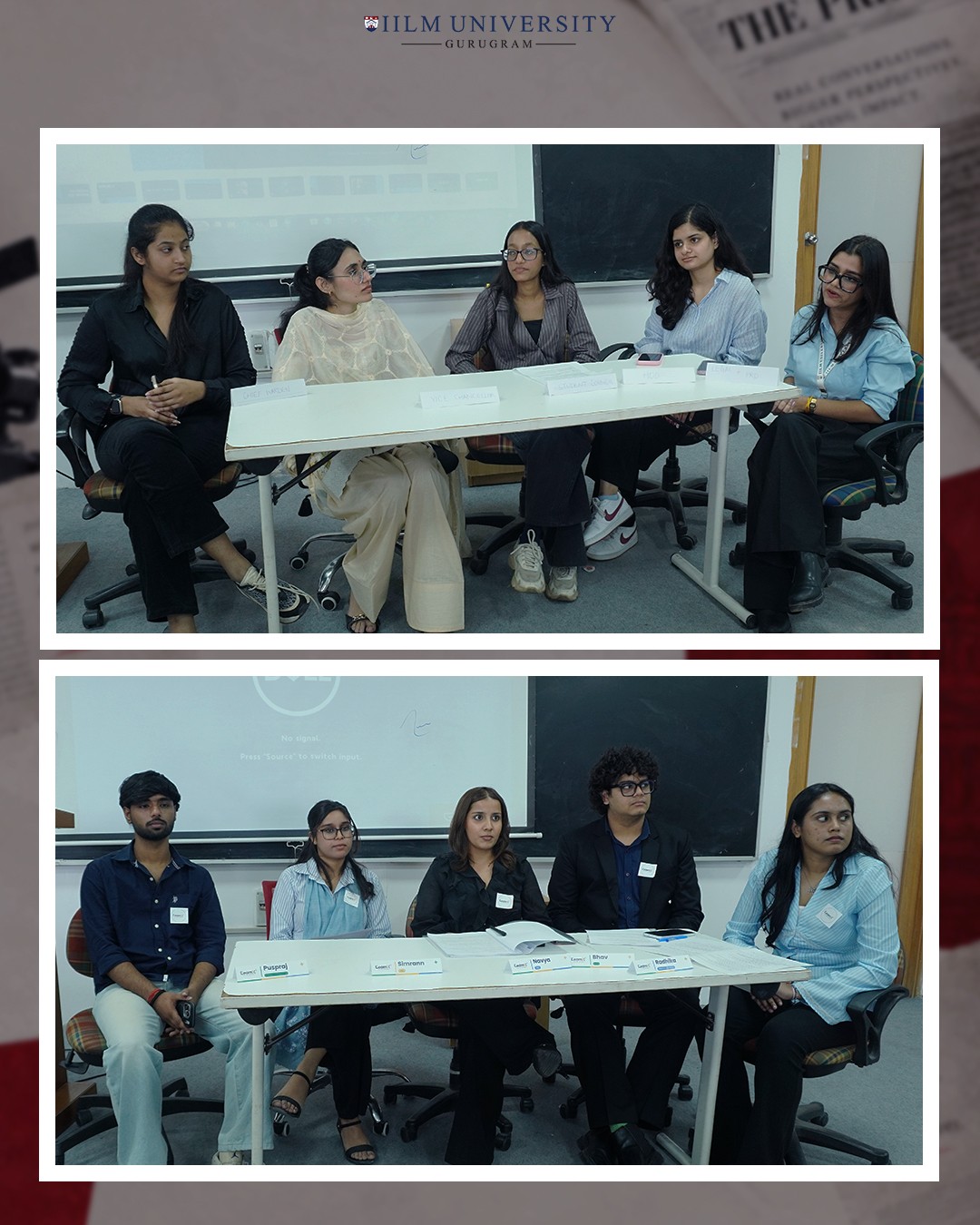
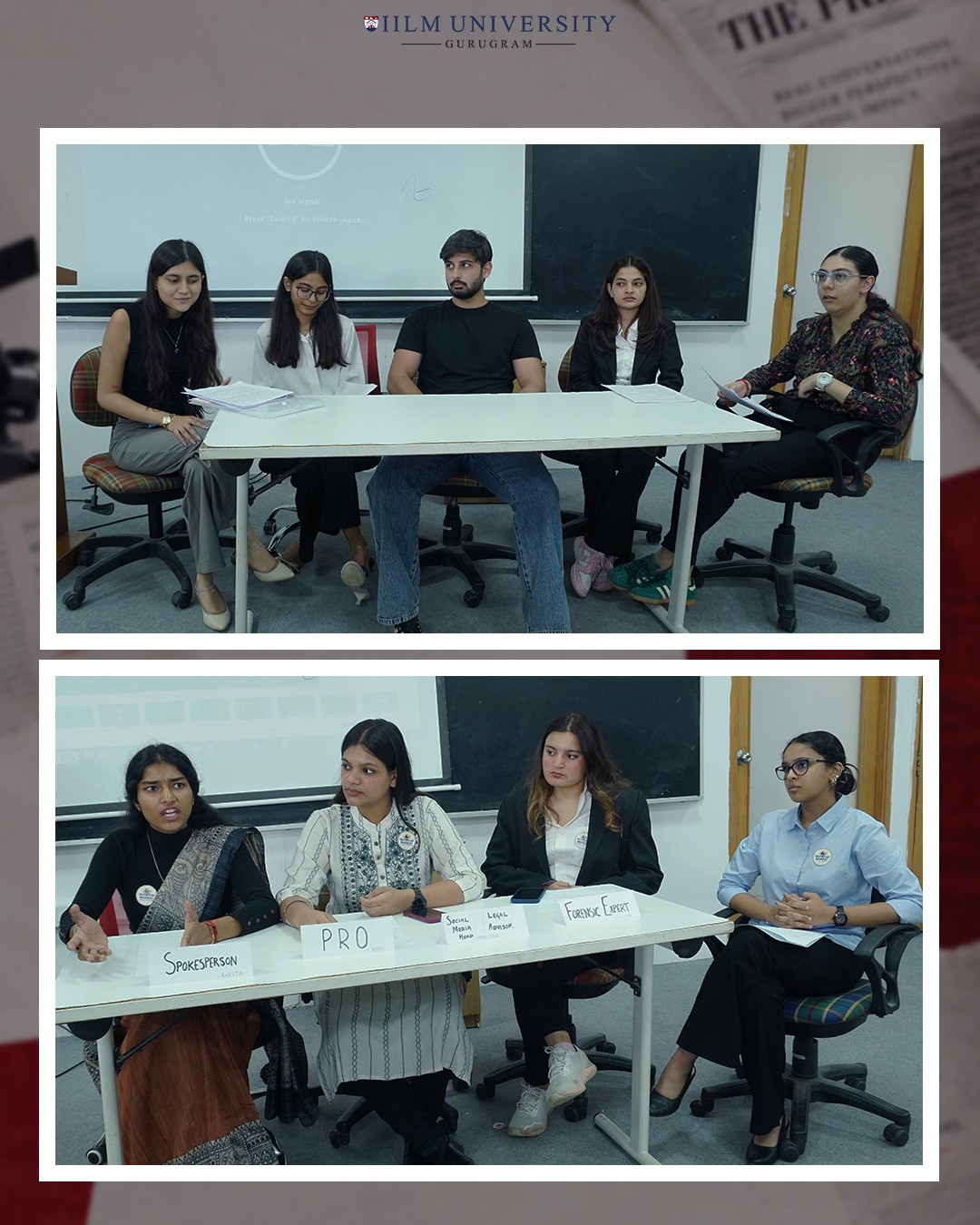
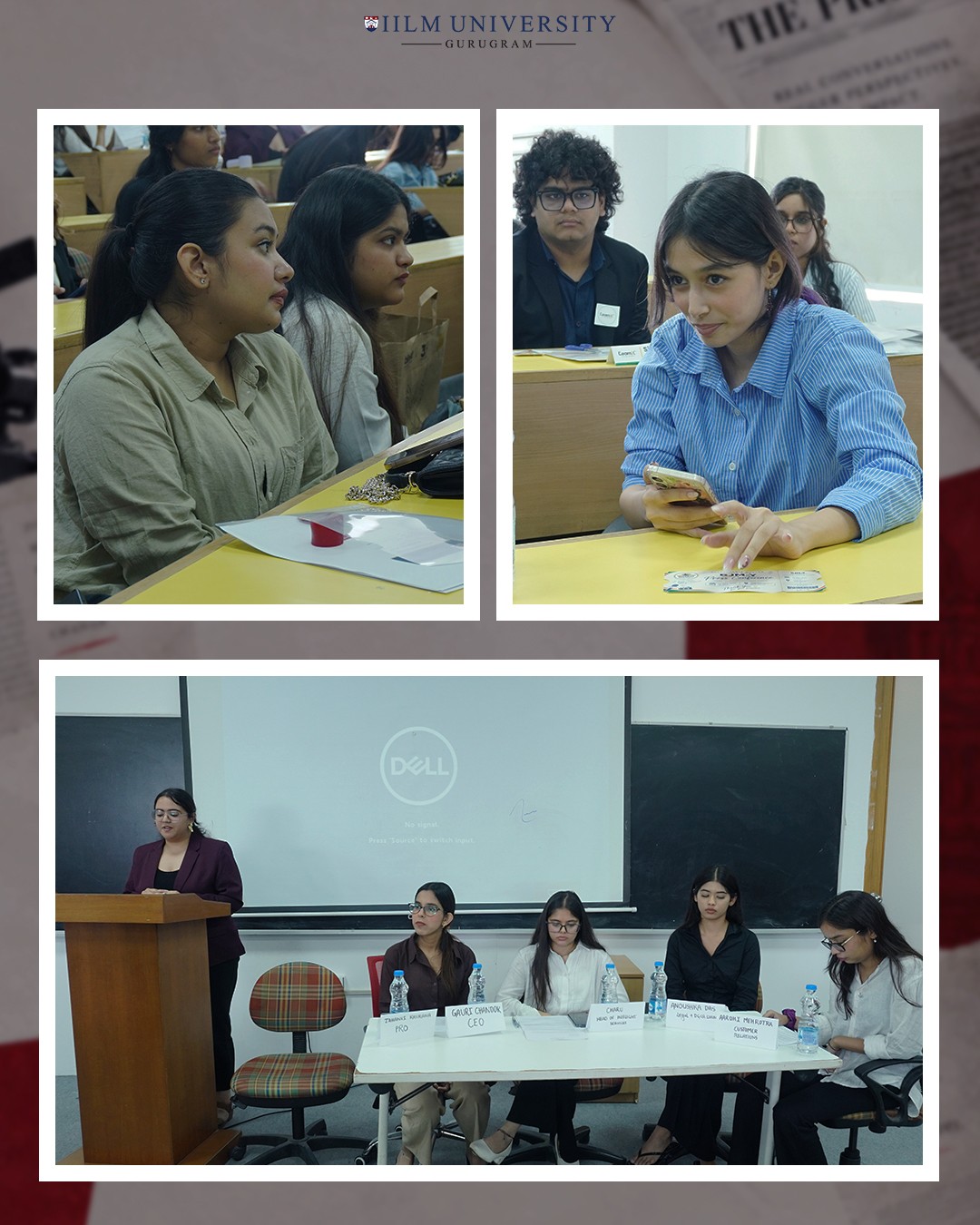
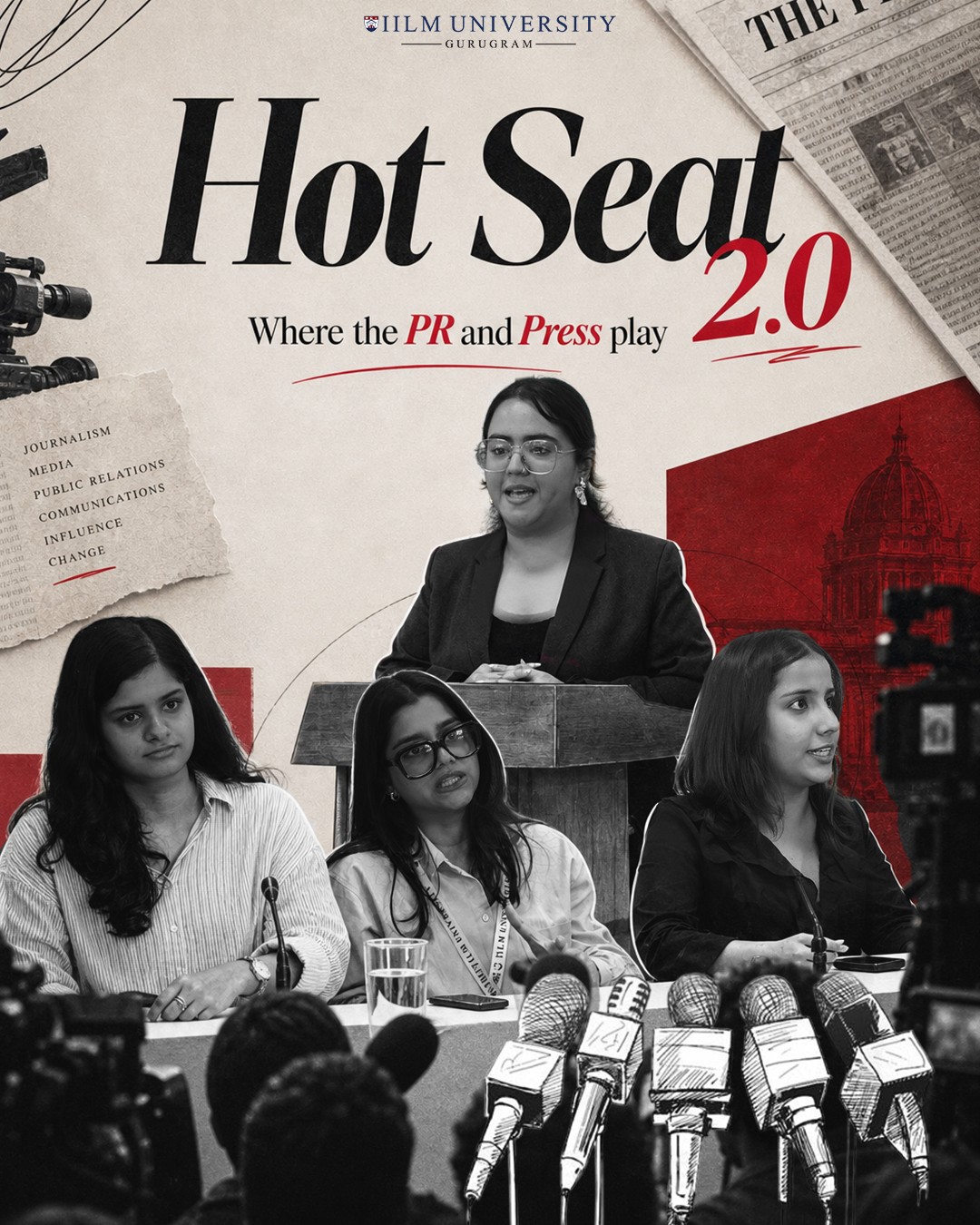
The Department of Media and Journalism, School of Liberal Arts and Social Sciences, organised “Hot Seat 2.0: Where the PR and the Press Play,” a mock press conference and crisis communication simulation, on 12 October 2026 (Monday), 12:00 noon to 3:00 PM, in Room No. 302, Main Building. Ms. Tanya Bhutani, Assistant Professor, facilitated and moderated. It was the second edition of the activity, and BJMC, Design and Psychology students took part. Each team was assigned a hypothetical crisis in advance and prepared a spokesperson statement and press kit, plus a manifesto where relevant. Teams played the PR team for their own case and the press for every other team’s case. After a briefing on format and ground rules, each team took the hot seat in turn. Its spokesperson(s) gave an opening statement and then answered questions from student journalists on accountability, transparency, timelines and restoring trust. Spokespersons had to respond on the spot to unplanned follow-ups. The crisis scenarios were:

  • Political
  • Celebrity
  • Brand
  • Organisational PR
  • Social media and viral controversy
  • Data privacy and cybersecurity breach
  • Environmental (greenwashing)
  • Educational institution (campus incident)

The session closed with a faculty debrief on message clarity, composure, quality of questioning and use of PR material.

Top Insights

  • Role reversal worked well: students who questioned others as journalists became more careful about their own statements when facing the hot seat.
  • The mixed cohort added range. BJMC students brought sharp questioning, Design students shaped the look and clarity of press kits, and Psychology students added insight into public perception and emotional response.
  • Live questioning exposed the gap between a prepared statement and an unscripted answer, showing why preparation, consistency and honesty matter in a crisis.

Student Takeaways

  • Students applied crisis communication theory to realistic political, celebrity, brand and organisational situations.
  • They practised writing and presenting PR material such as spokesperson statements, press kits and manifestos.
  • They built composure, quick thinking and clear speech while answering tough questions under pressure.
  • They learned to question critically, verify claims and press for accountability as journalists.
  • They saw both the PR and press sides of a crisis and why transparency and timeliness build trust.
  • They gained experience working with peers from other disciplines towards a shared outcome.
×