Masterclass Report Dr. Dipra Jha 15 Sep 2026

15 September 2026 IILM University

Masterclass Report Dr. Dipra Jha 15 Sep 2026

15 September 2026, Tuesday

15 September 2026, Tuesday

10:00 AM

05:00 PM

IILM University

IILM University Gurugram

IILM University Campus
What Happened

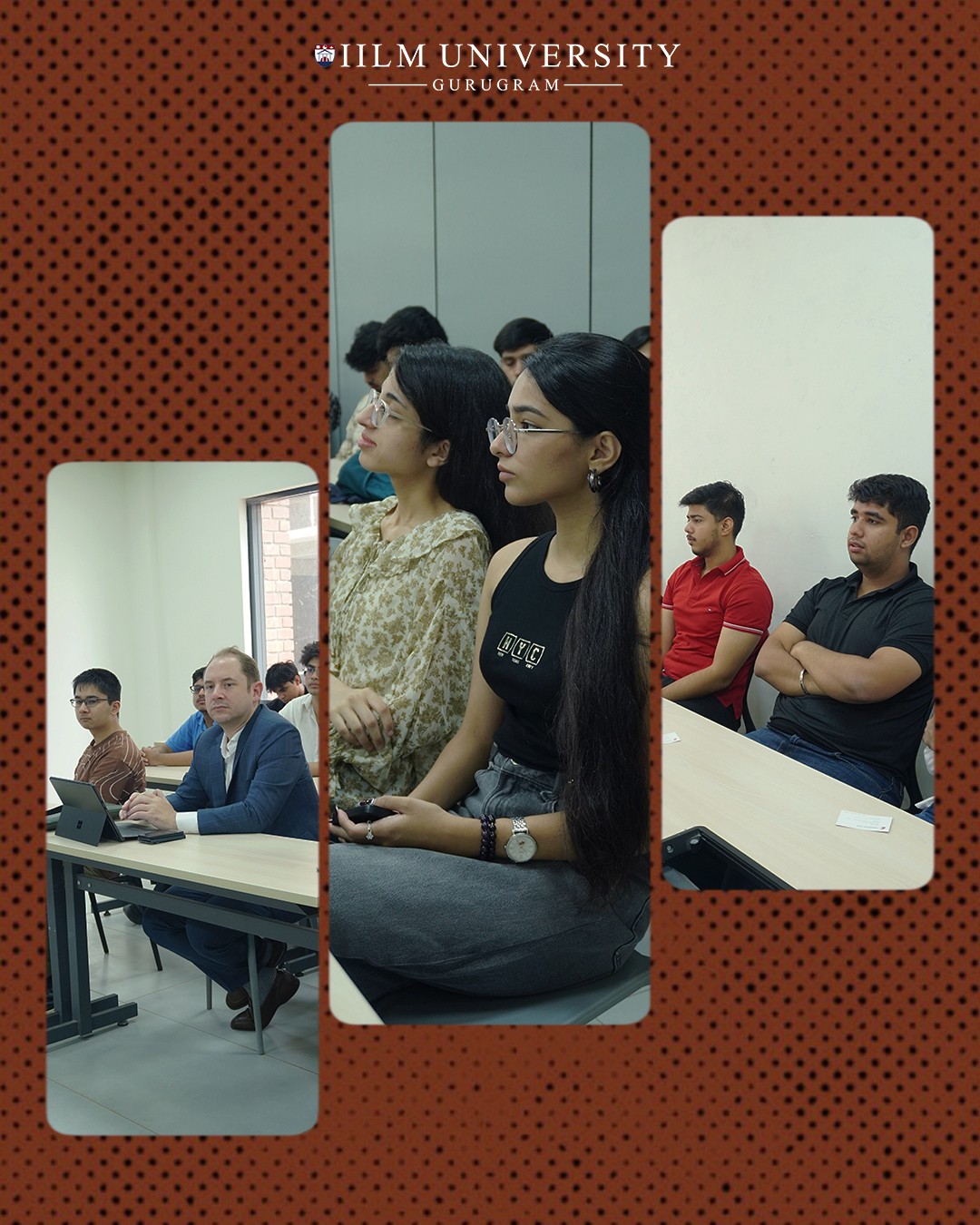
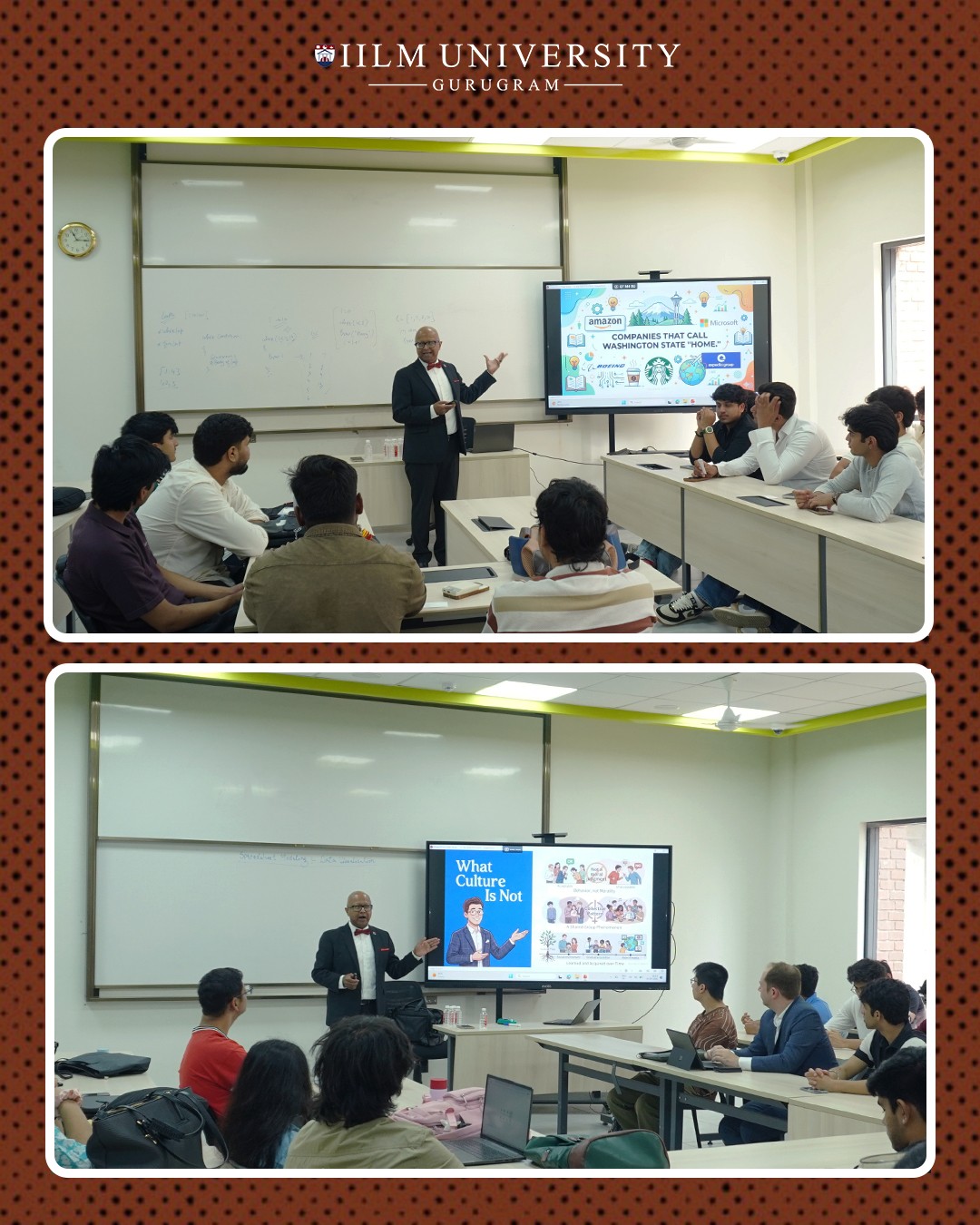
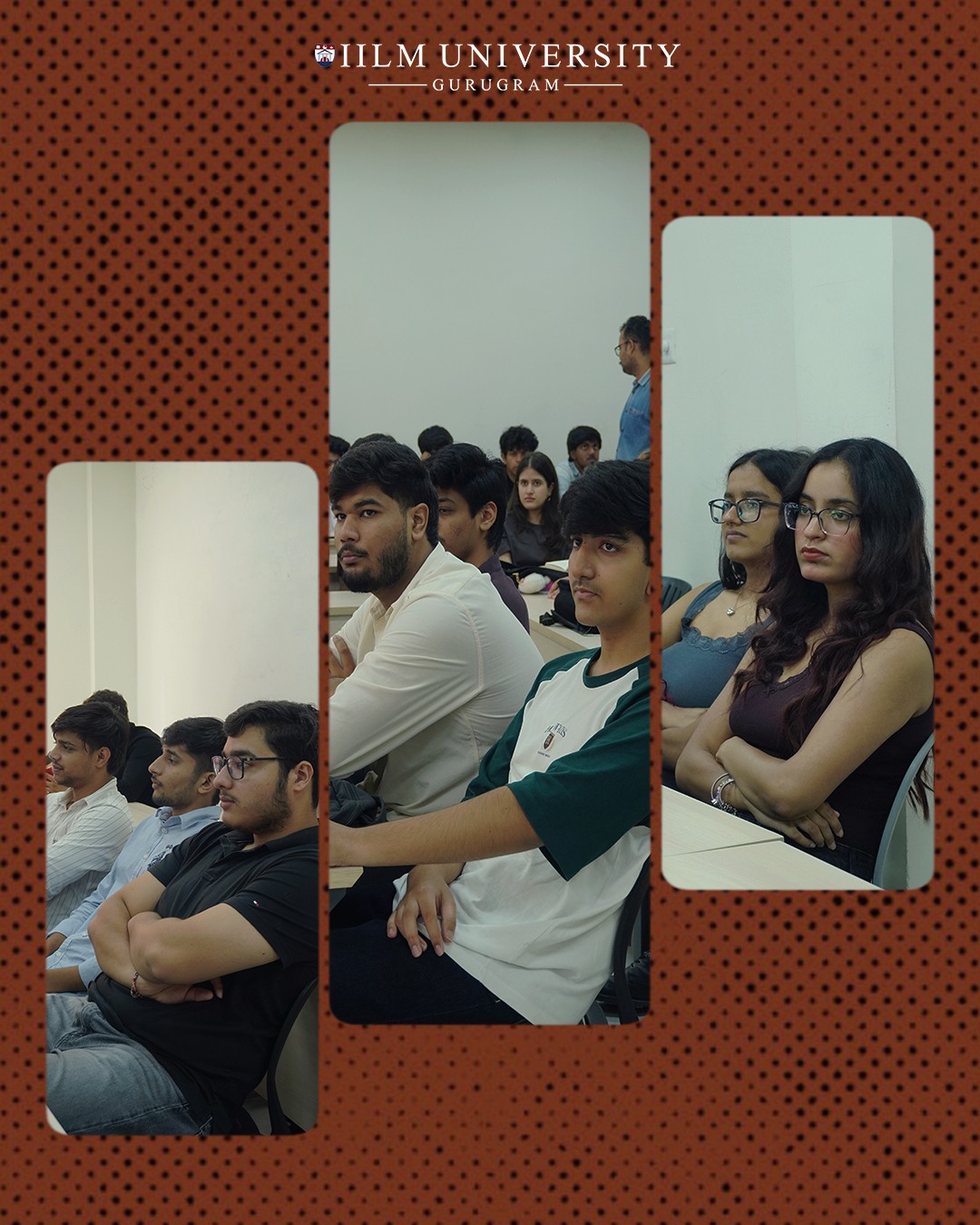
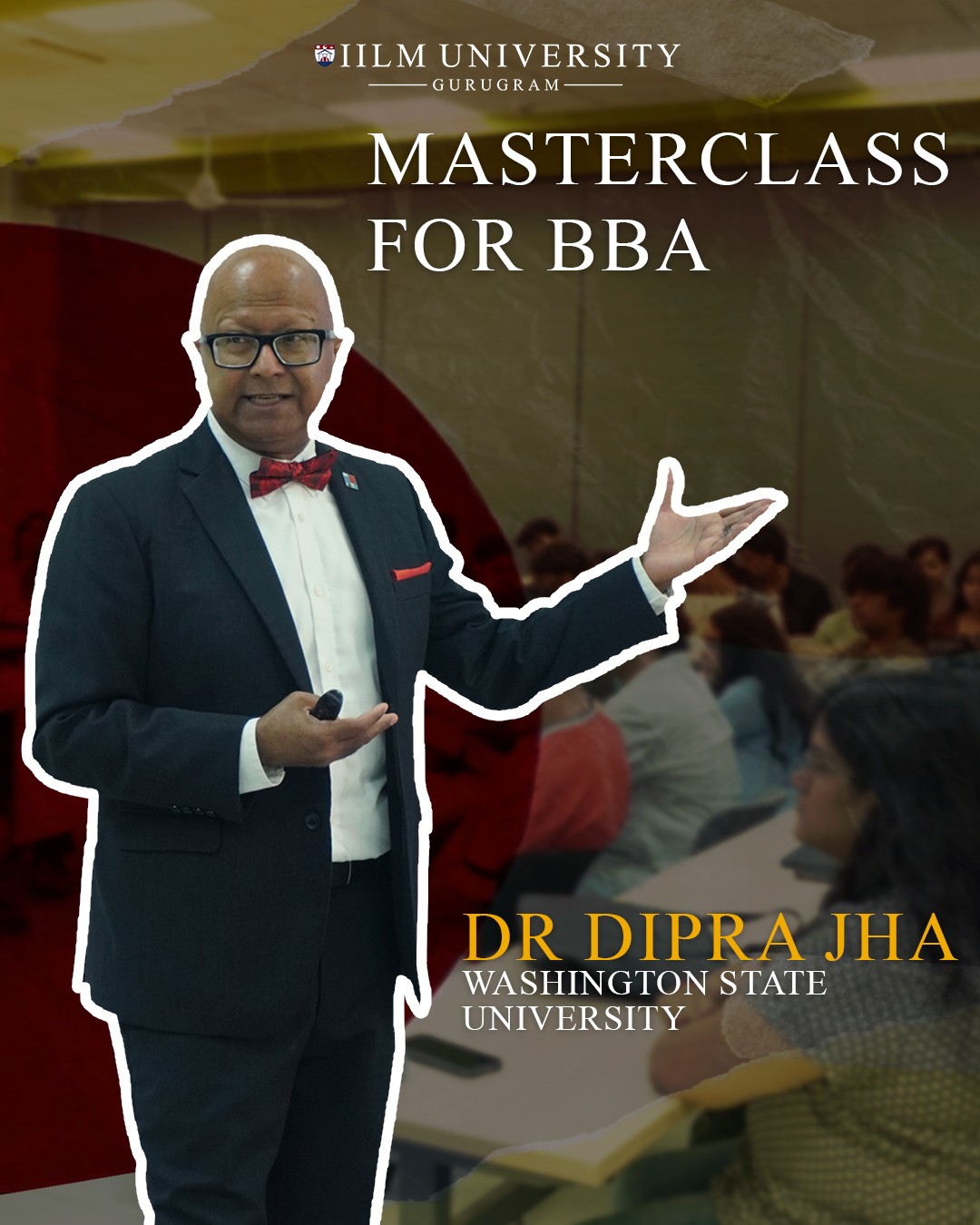
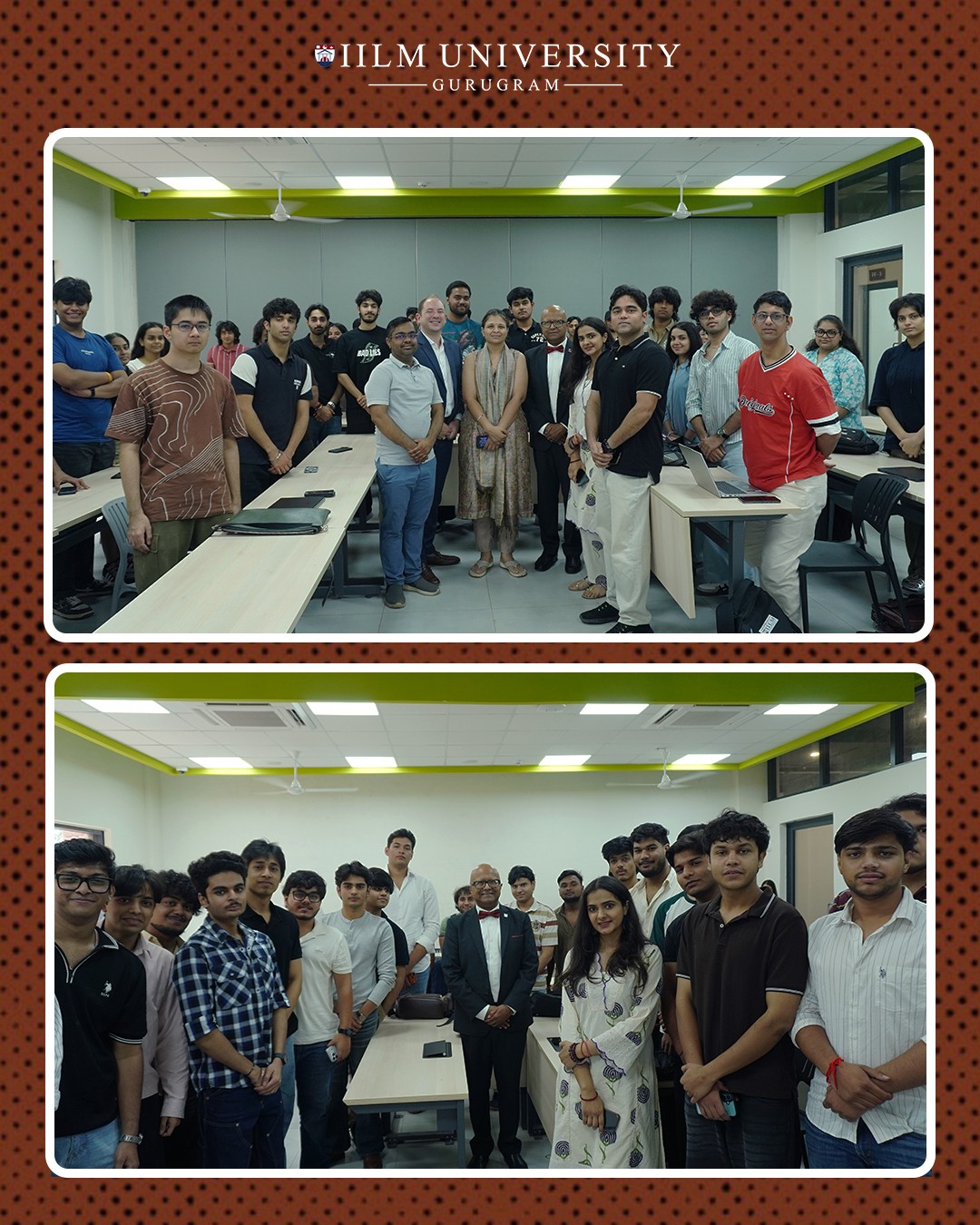
On 15 September 2026, IILM University, Gurugram hosted Prof. Dipra Jha for masterclasses on “Cross-cultural Agility in International Business.” Prof. Jha is Scholarly Associate Professor at the Carson College of Business, Washington State University, USA, and a Fulbright Specialist. He delivered two sessions, one to BBA Section A in FF6 and one to Section B in FF7, reaching 114 students in total. He explained why culture matters in international business and introduced frameworks such as high- and low-context cultures, Hofstede’s cultural dimensions and the Culture Iceberg. He brought these ideas to life with examples from his work in the UAE, Saudi Arabia, Japan, Peru and the USA.

Top highlights

  • Two masterclasses reached 114 BBA students, led by a Fulbright Specialist from Washington State University.
  • Students were introduced to established frameworks by Hall, Hofstede and Caligiuri.
  • Real-world stories covered dining customs, business etiquette and cultural practices across several countries.
  • Six principles of cross-cultural communication and six traits of cultural agility were explained with practical examples.
  • Both sessions were interactive and closed with Q&A and student reflection.

Speaker quotes

“Culture is the key to global success.”
P
Prof. Dipra Jha
“People do not remember information; they remember stories.”
P
Prof. Dipra Jha

Student Takeaways

  • Culture matters in business: Culture shapes every part of it, from how deals are negotiated to how teams are led, and ignoring it can undo even the best strategy.
  • Adapt to the context: In low-context cultures like the USA, people value direct communication. In high-context cultures like India, meaning often lies between the lines, so students learned to adjust their style to their audience.
  • Views on time differ: Being five minutes late is acceptable in some cultures and insulting in others, so students learned to check expectations before assuming.
  • Listen before responding: Listening to understand, rather than to respond, and noticing non-verbal cues are essential skills in multicultural settings.
  • Agility can be built: Cultural agility is a skill that can be developed through curiosity, humility, resilience and a willingness to see other perspectives.
  • Culture is often hidden: Much of culture lies beneath the surface, in values, beliefs and behaviour, and understanding that deeper layer is what builds real global competence.
  • A clearer career picture: Students gained a clearer sense of how cross-cultural skills can open doors to global careers in business and hospitality.
×