


Lex Quest – Inaugural Edition (Legal Acumen and Research Competition)
13 April 2026, Monday
13 April 2026, Monday
11:00 AM
01:00 PM
School of Law and Centre for Excellence in Legal Writing, IILM University, Gurugram
School of Law and Centre for Excellence in Legal Writing, IILM University, Gurugram
IILM University, Gurugram
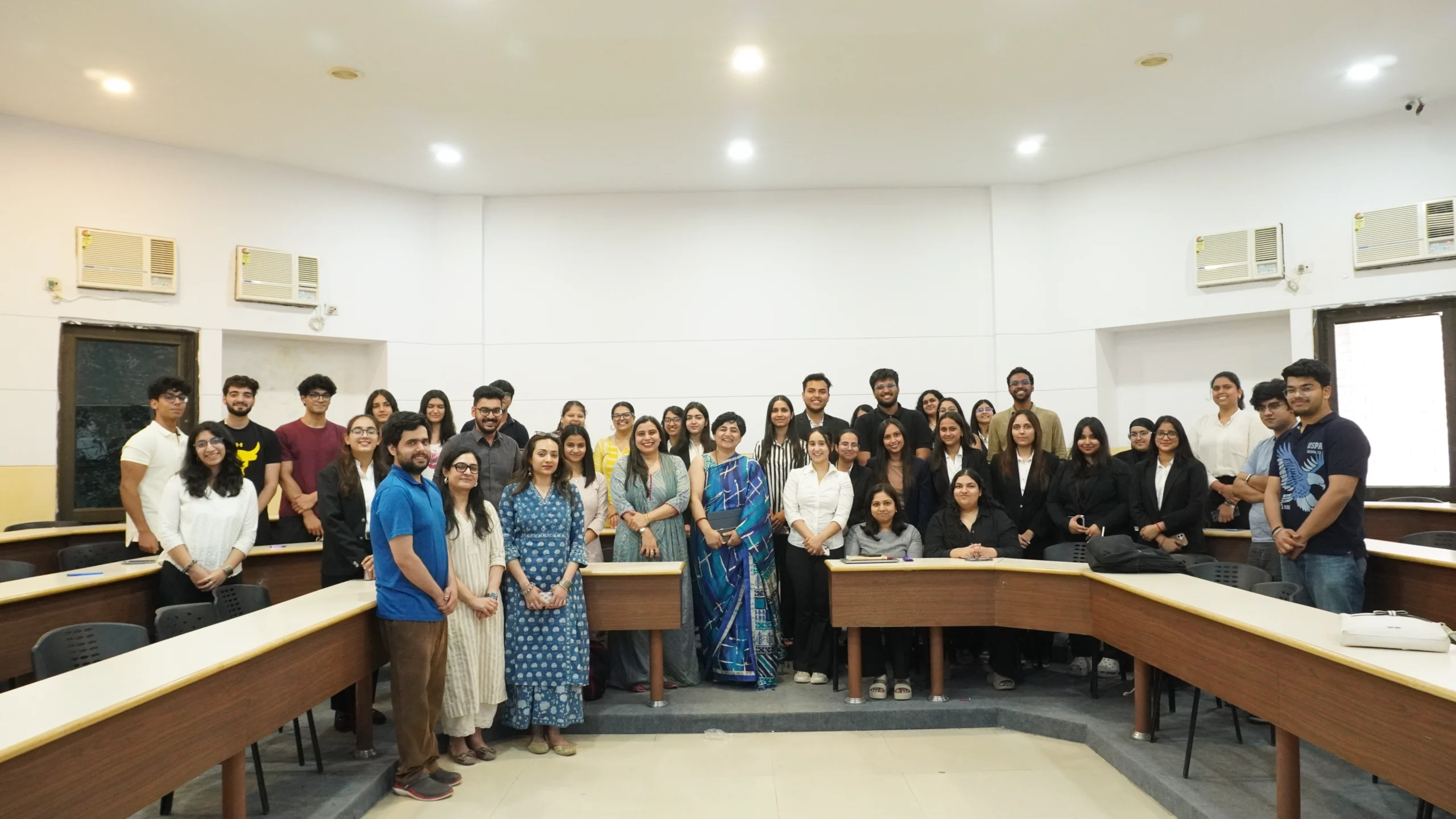




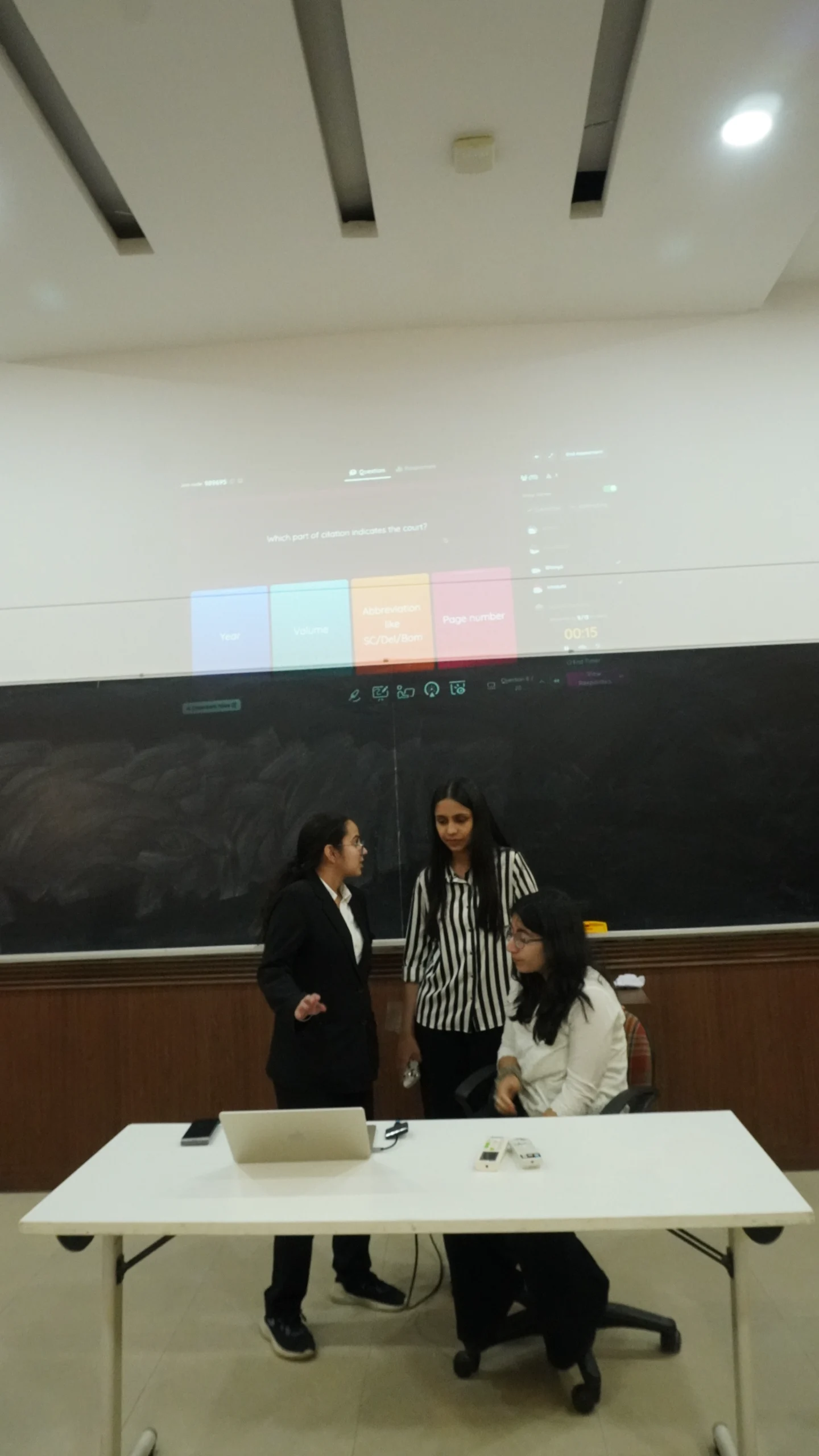


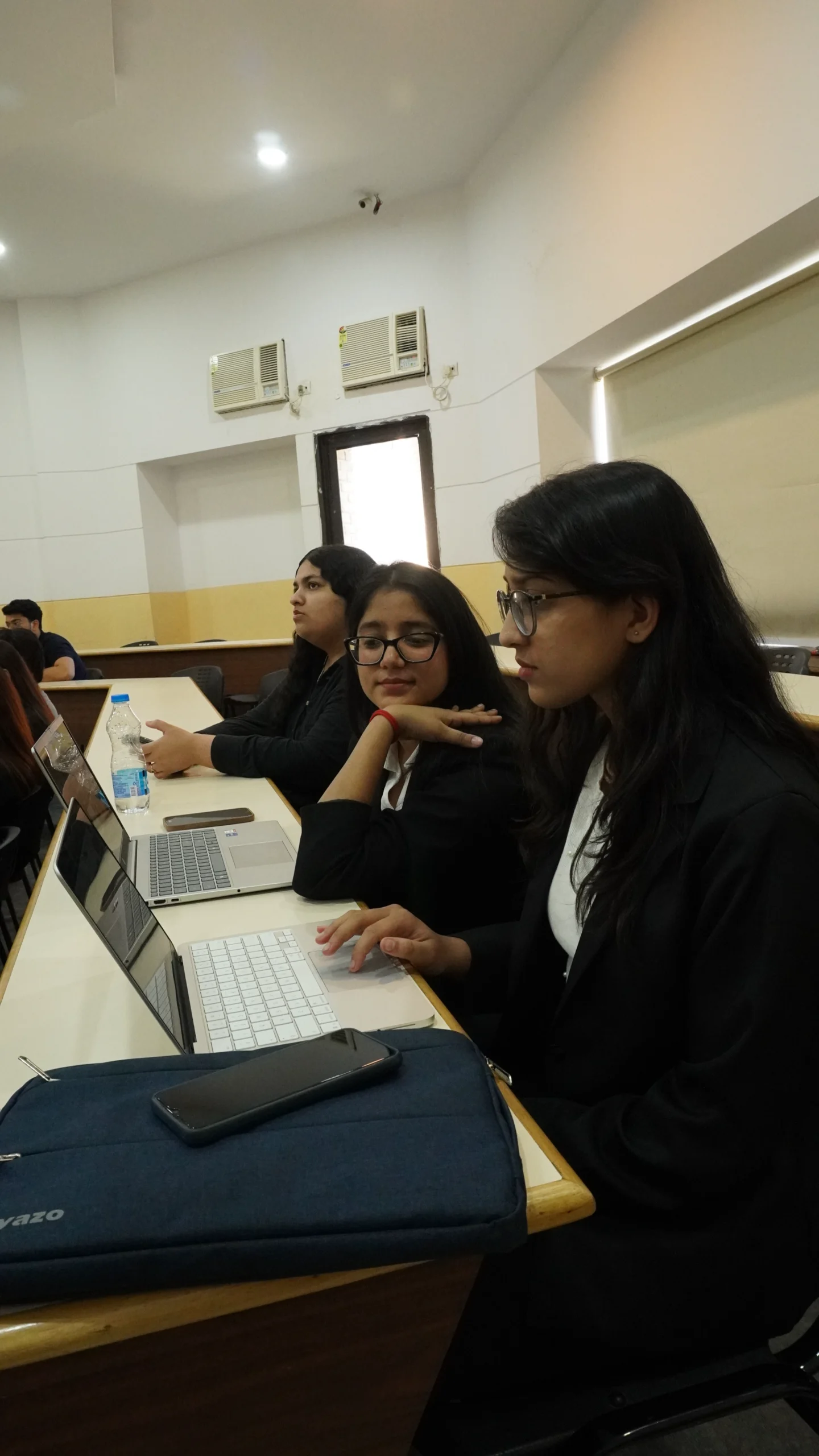


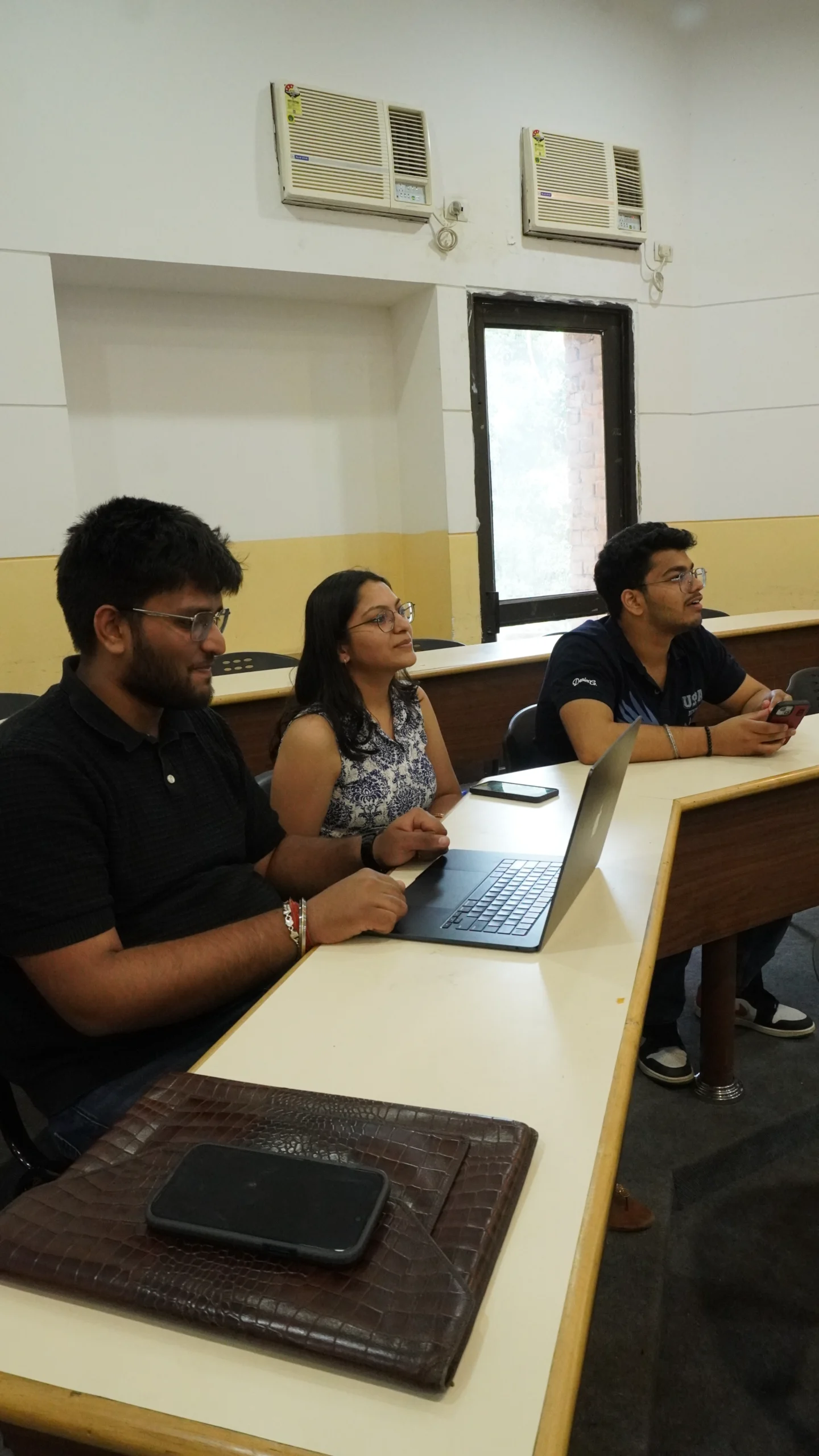

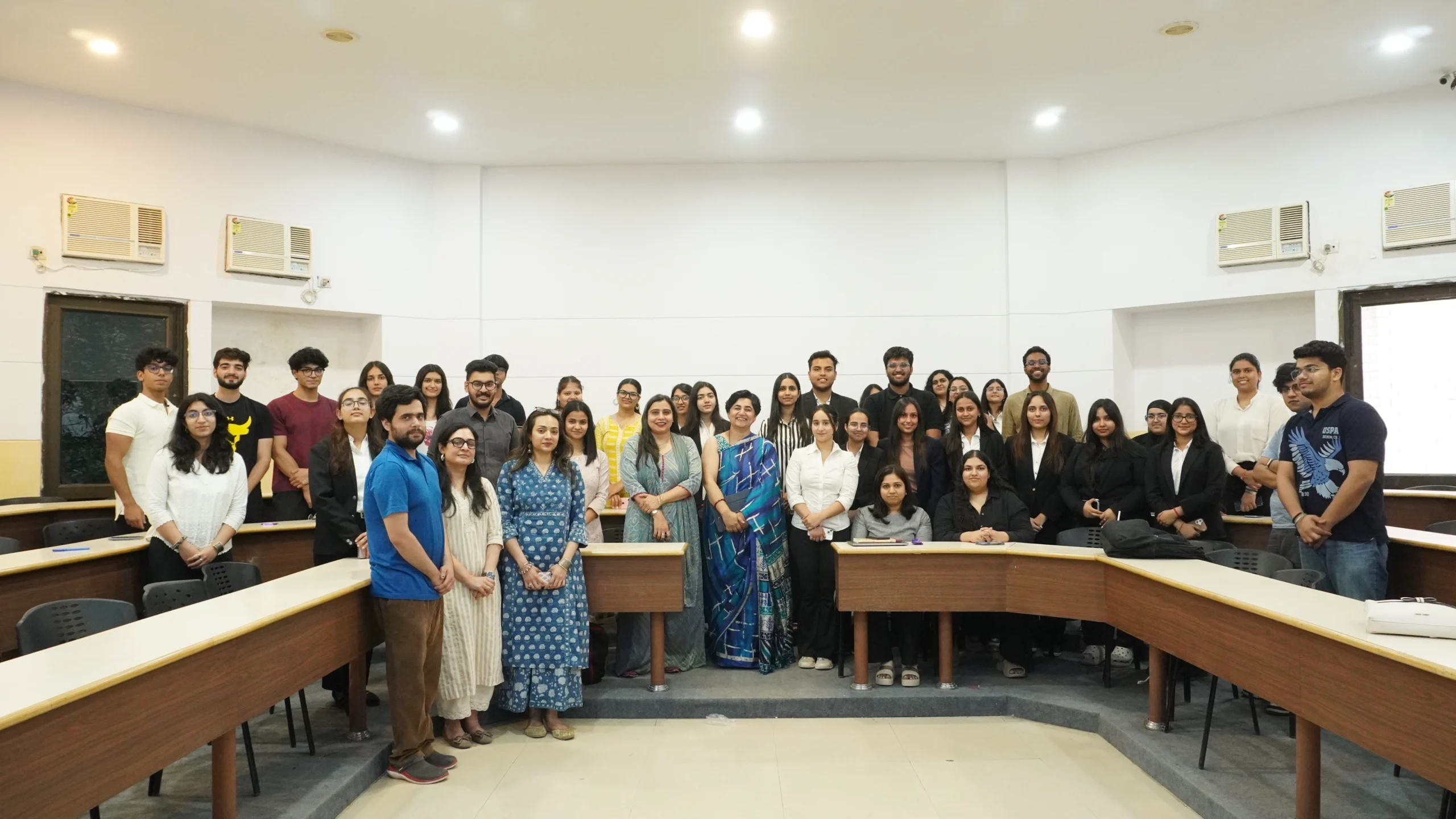
The School of Law, in collaboration with the Centre for Excellence in Legal Writing at IILM University, Gurugram, hosted the premier edition of Lex Quest — an inaugural competition centred on legal acumen and legal research, designed to challenge law students to engage with the law through a lens that was both intellectually rigorous and interactively engaging, and to develop the applied legal thinking that defines how a lawyer actually thinks and works in professional practice.
The involvement of the Centre for Excellence in Legal Writing as a co-organiser ensured that precise, well-researched legal thinking was central to everything the event was built around — positioning Lex Quest from its first edition as a platform that values the integration of rigorous research and clear, precise legal writing as inseparable and mutually reinforcing dimensions of legal competency.
The competition was designed to challenge participants to engage with law through applied dimensions of legal knowledge rather than textbook recitation alone — encouraging students to think beyond memorised doctrine and into the interpretive, analytical, and argumentative engagement with legal materials that characterises the work of effective lawyers in practice.
As a premier edition, Lex Quest established a clear institutional identity as a platform where legal learning is taken seriously and approached with both rigour and enthusiasm — setting a standard of intellectual engagement and competitive quality that positions the event as a distinctive and valuable contribution to the co-curricular legal education landscape at IILM’s School of Law.
The format of Lex Quest — centred on legal acumen and research through a series of activities — reflects an understanding that competition is among the most effective environments for developing the sharpness, curiosity, and precision that legal acumen requires, and that student engagement with law is deepened most effectively when learning is structured around genuine intellectual challenge rather than passive acquisition of content
Students engaged with legal acumen and legal research in a competitive, intellectually rigorous format — developing the applied analytical and research skills that define how lawyers actually think and work, moving beyond textbook learning into the interpretive, argumentative, and evidence-based engagement with legal materials that professional legal practice demands.
The involvement of the Centre for Excellence in Legal Writing ensured that students developed their legal research skills in direct connection with the precision, clarity, and structure of effective legal writing — reinforcing that research and writing are not separate competencies but deeply integrated dimensions of professional legal excellence.
The competitive format of Lex Quest challenged students to demonstrate legal acumen under evaluative pressure — building the intellectual sharpness, analytical speed, and confident engagement with legal reasoning that distinguishes well-prepared, practice-ready lawyers from those who have studied the law but not yet developed the applied agility it requires.
Participation in the inaugural edition of Lex Quest gave students the experience of being part of a new institutional tradition — building a sense of ownership, pride, and academic identity around a competition that will grow in prestige, depth, and competitive quality with each successive edition, and that will become an increasingly significant part of the School of Law’s co-curricular identity.
The activities centred on legal research and acumen developed students’ capacity to engage with the law as a living, applied discipline rather than a static body of knowledge — cultivating the intellectual curiosity, research discipline, and analytical rigour that enable them to continue developing as legal thinkers and practitioners long after the formal boundaries of their law school education have been completed.