


Session on Generative AI Literacy – “Industry-Academia Skill Integration: AI for Every Youth”
08 April 2026, Wednesday
08 April 2026, Wednesday
11:00 AM
01:00 PM
School of Computer Science and Engineering, IILM University, Gurugram
School of Computer Science and Engineering, IILM University, Gurugram in collaboration with NASSCOM, Vision India, and SEMS Welfare Foundation
IILM University, Gurugram
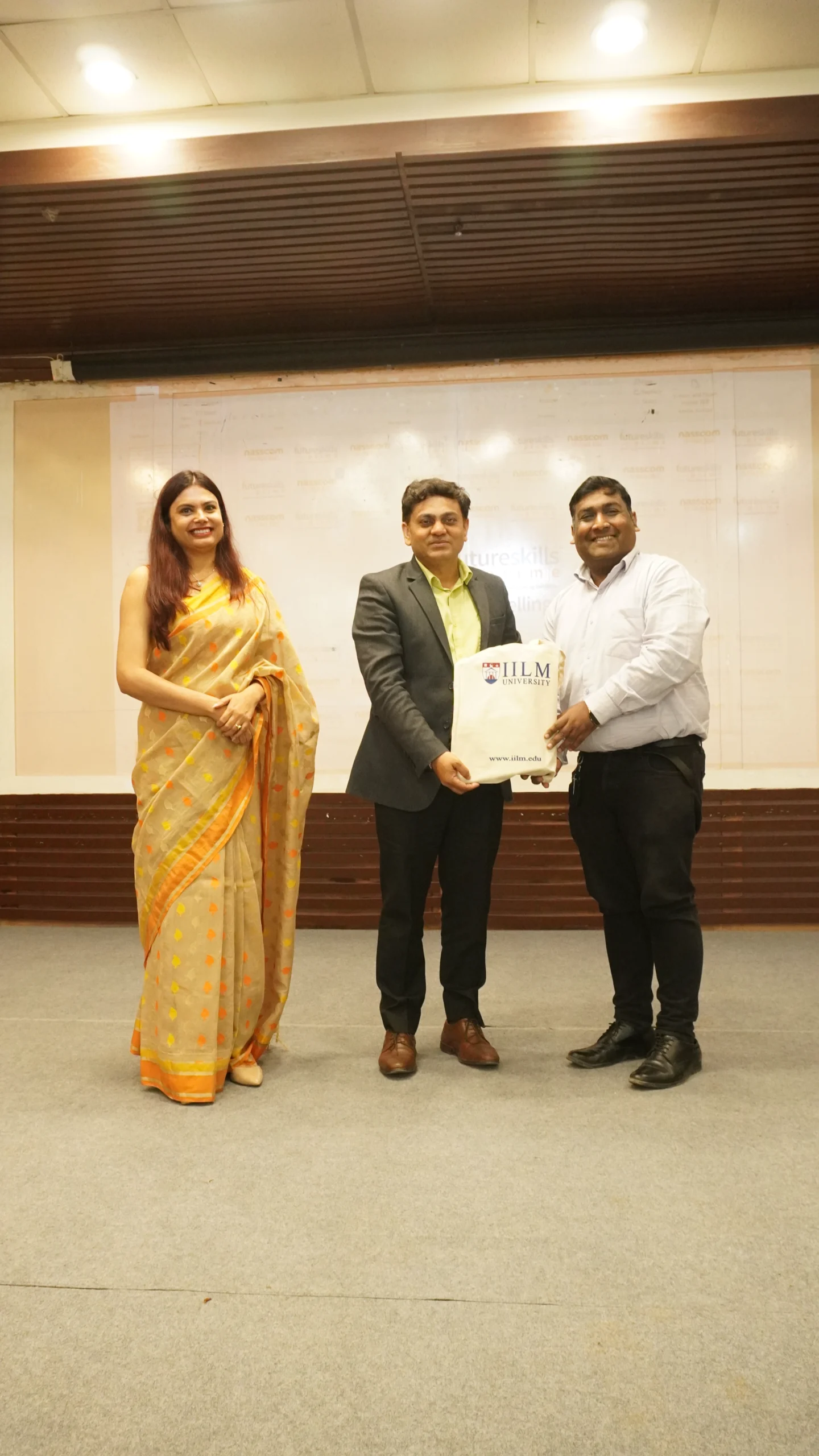
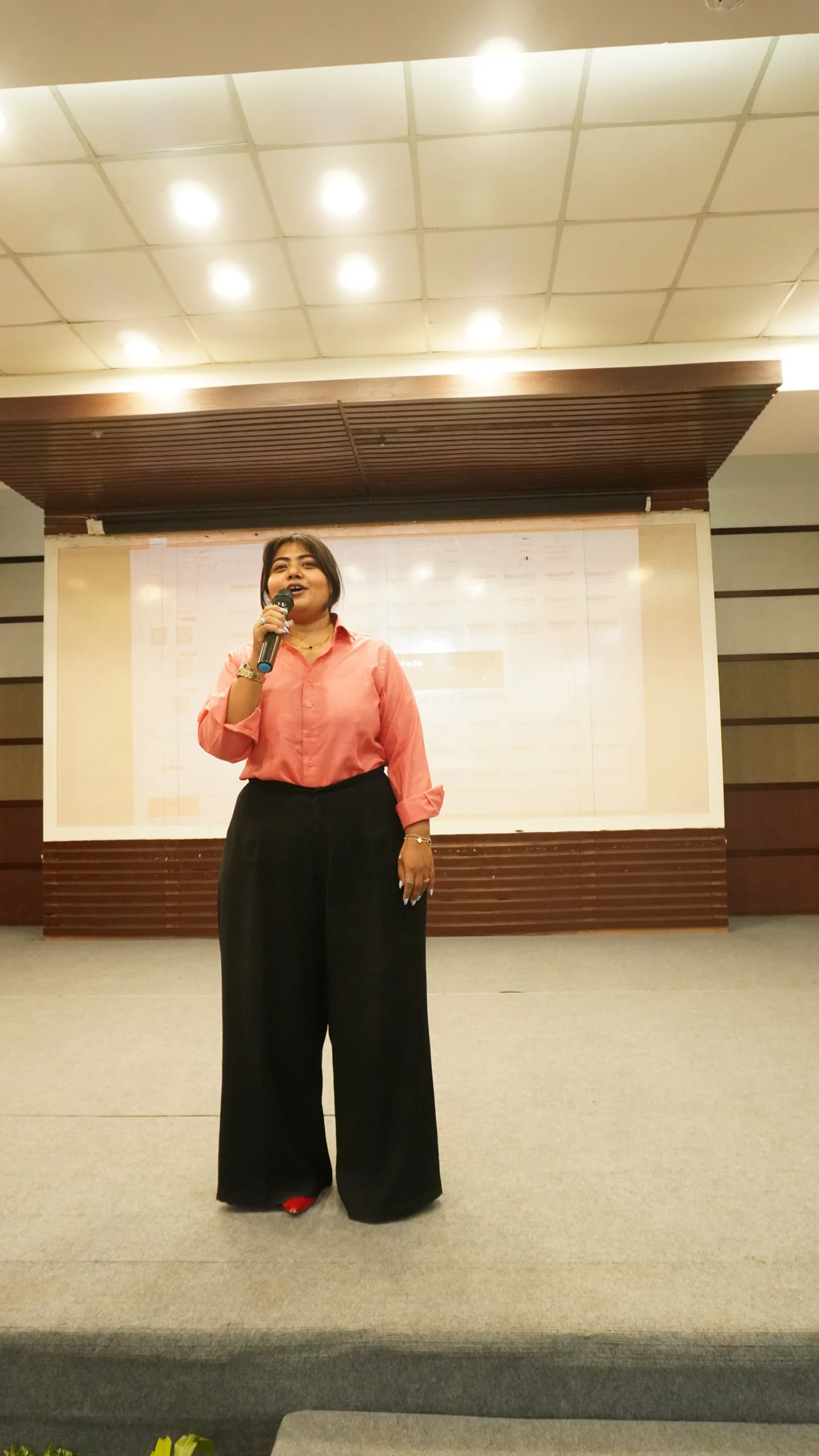
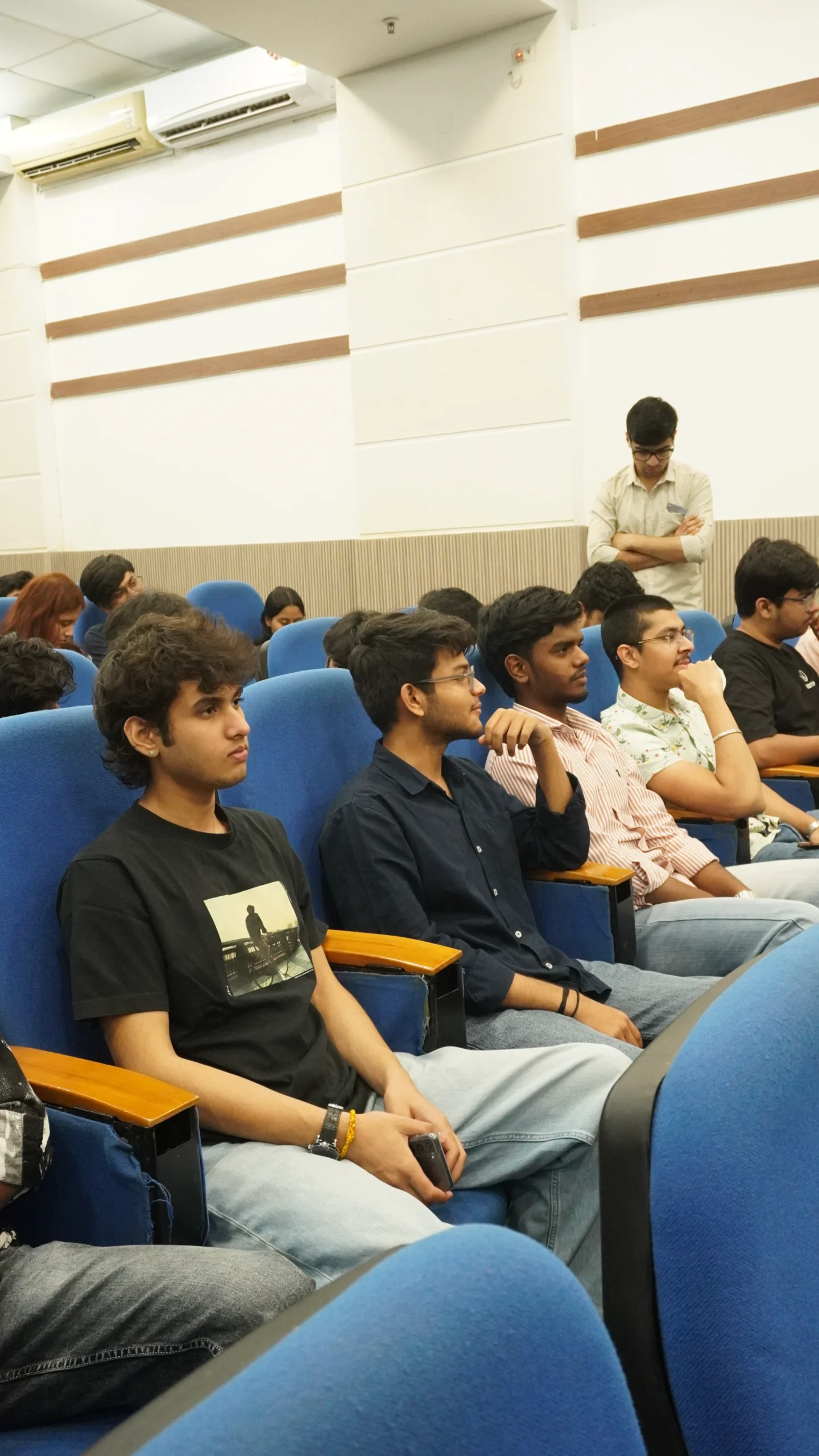
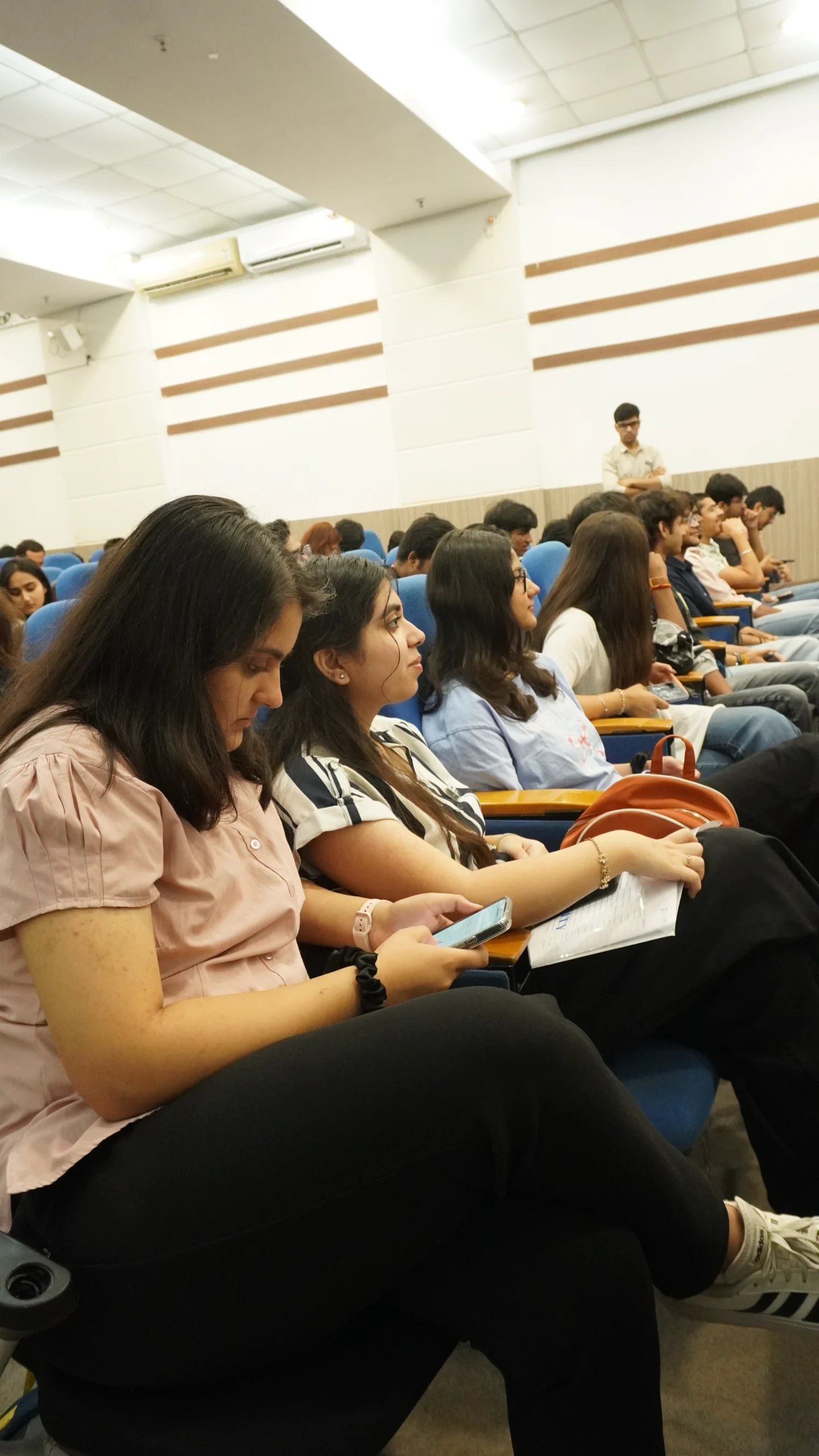
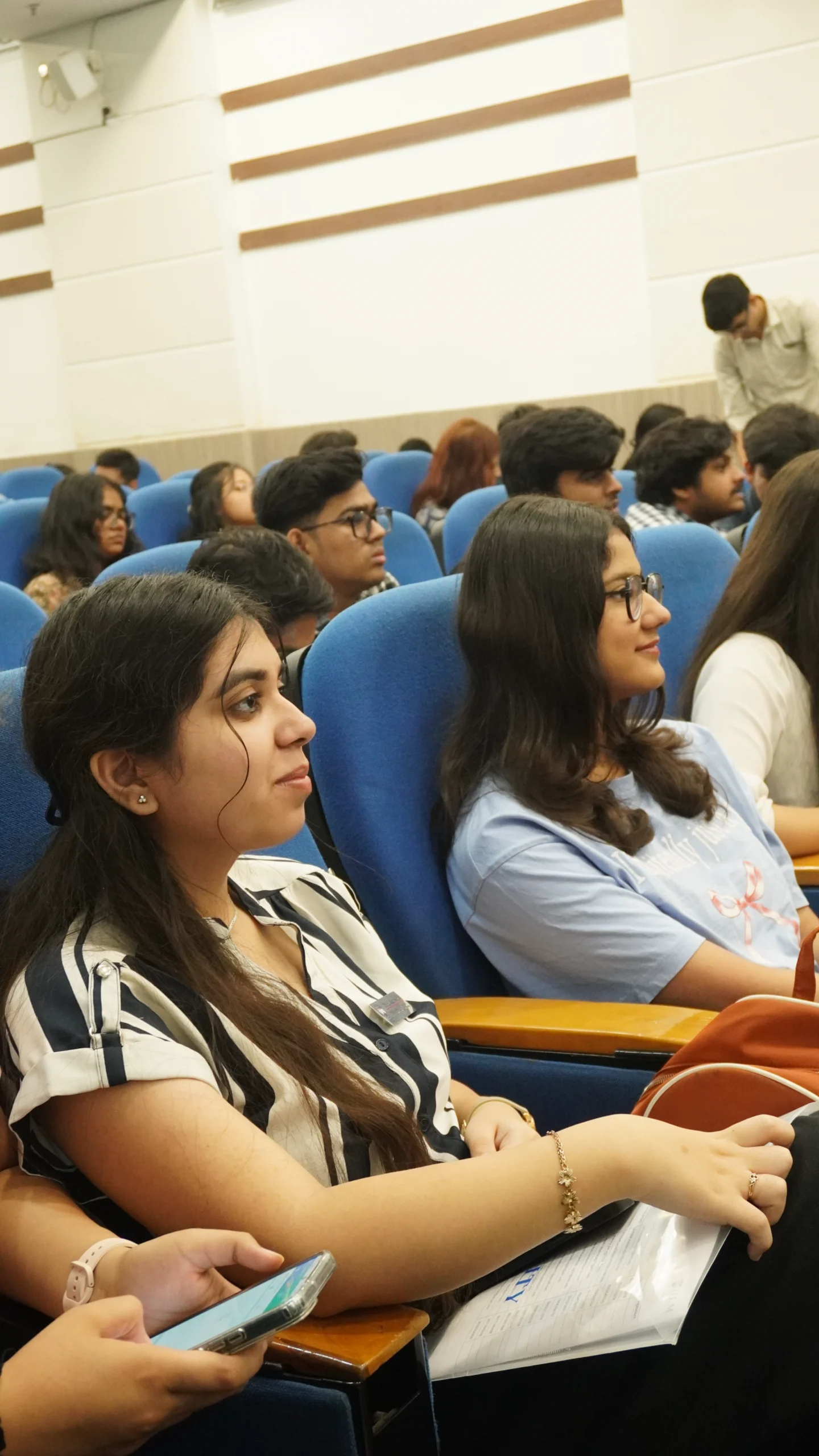
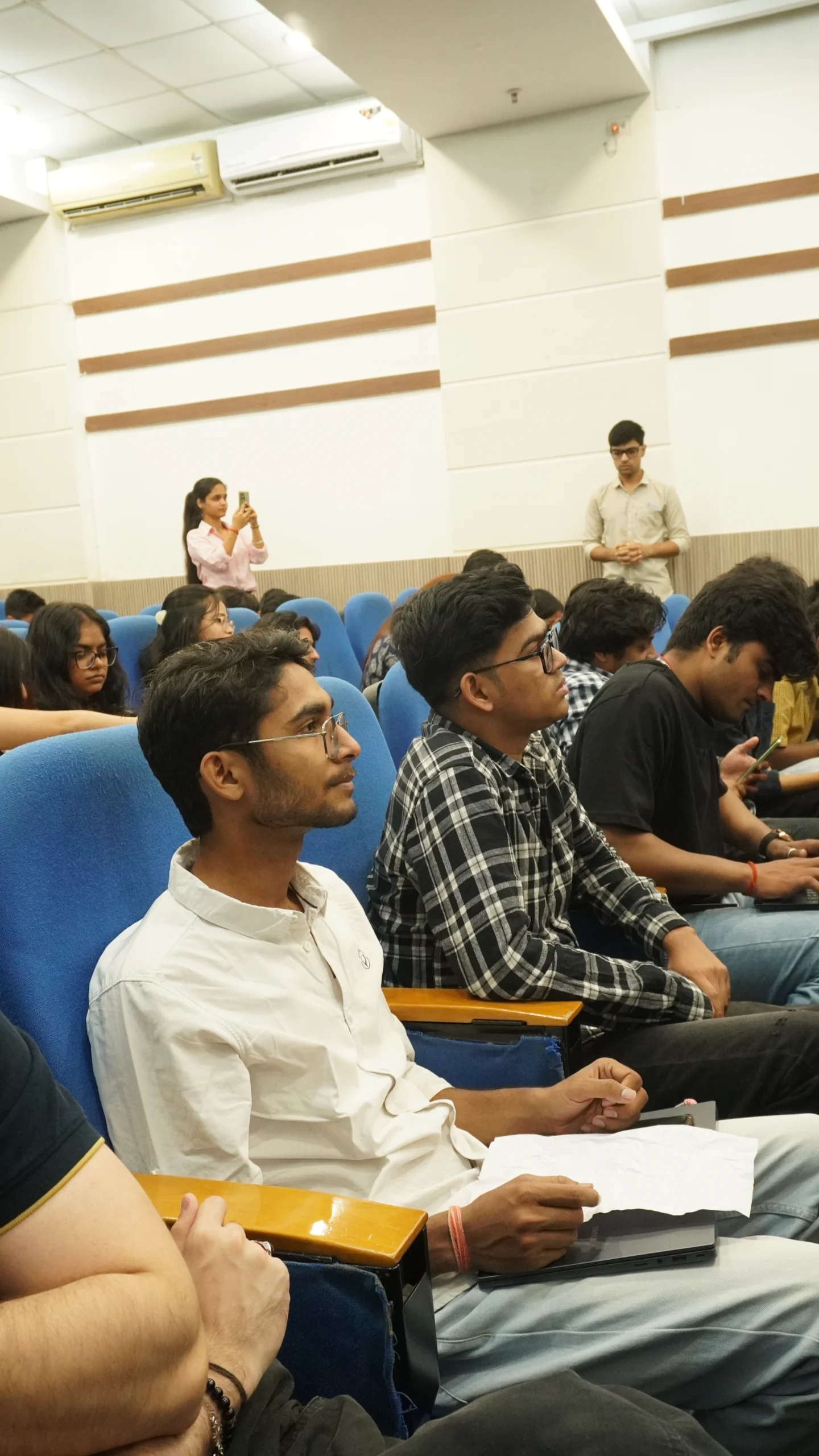
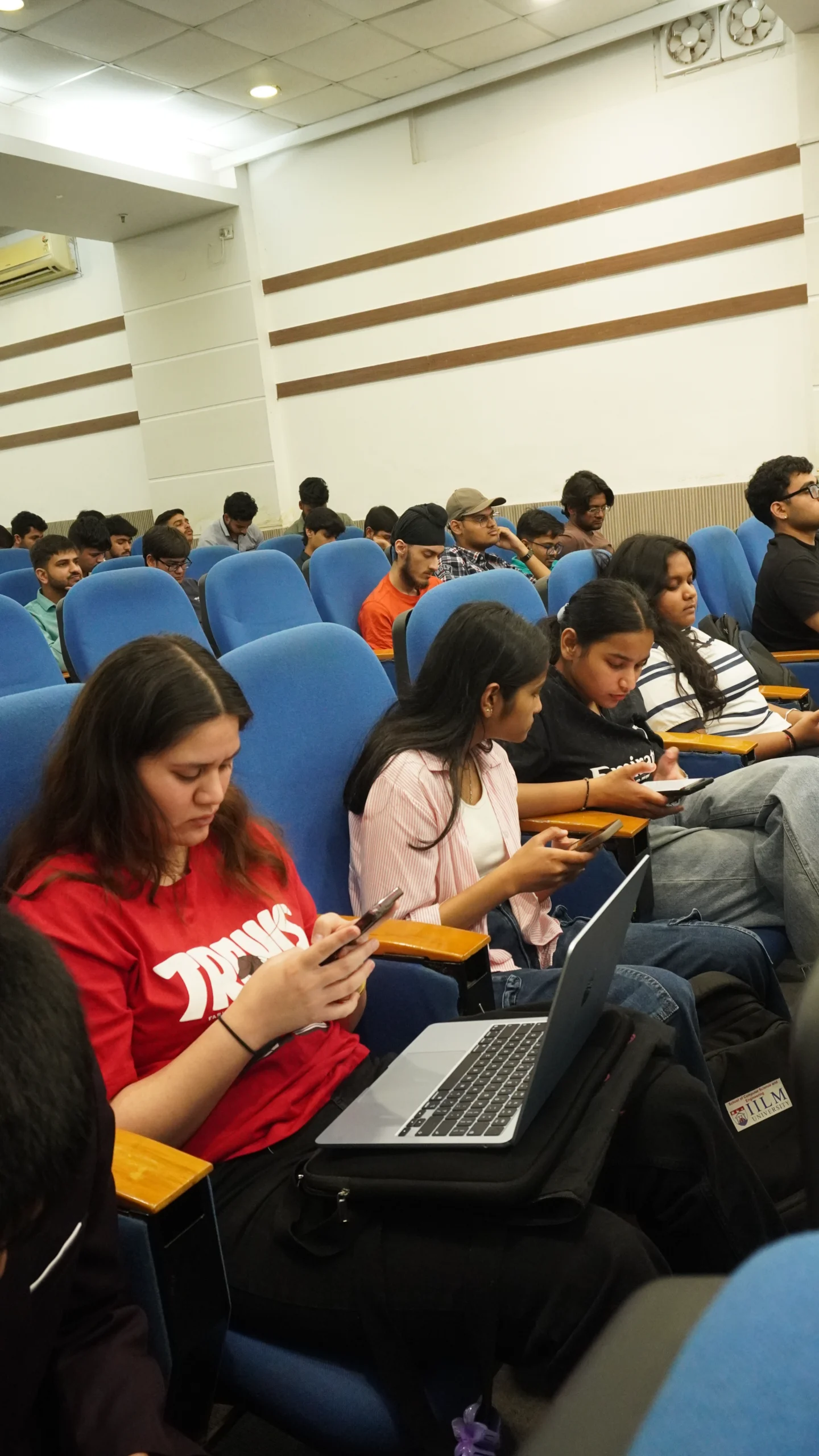
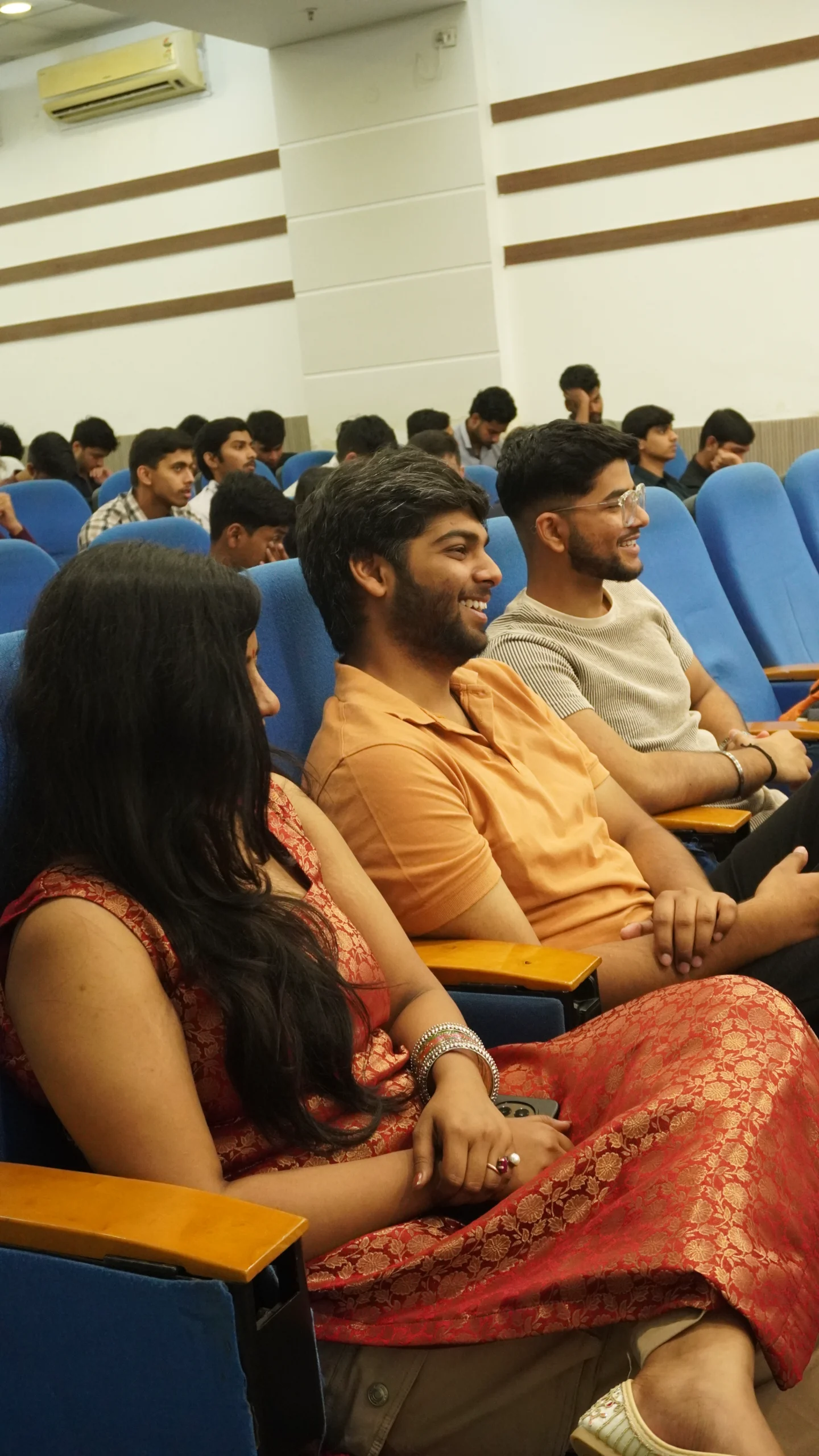
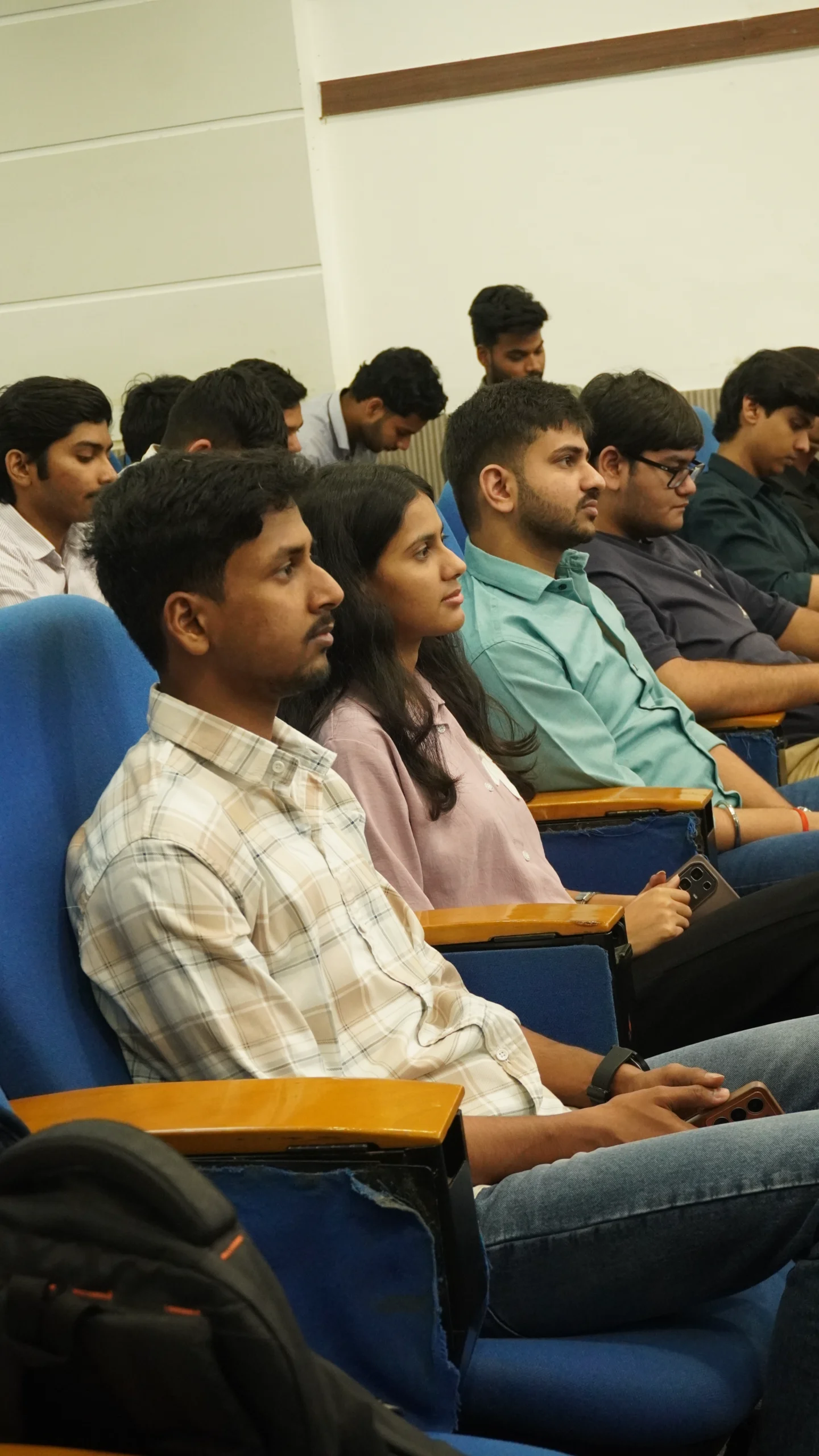
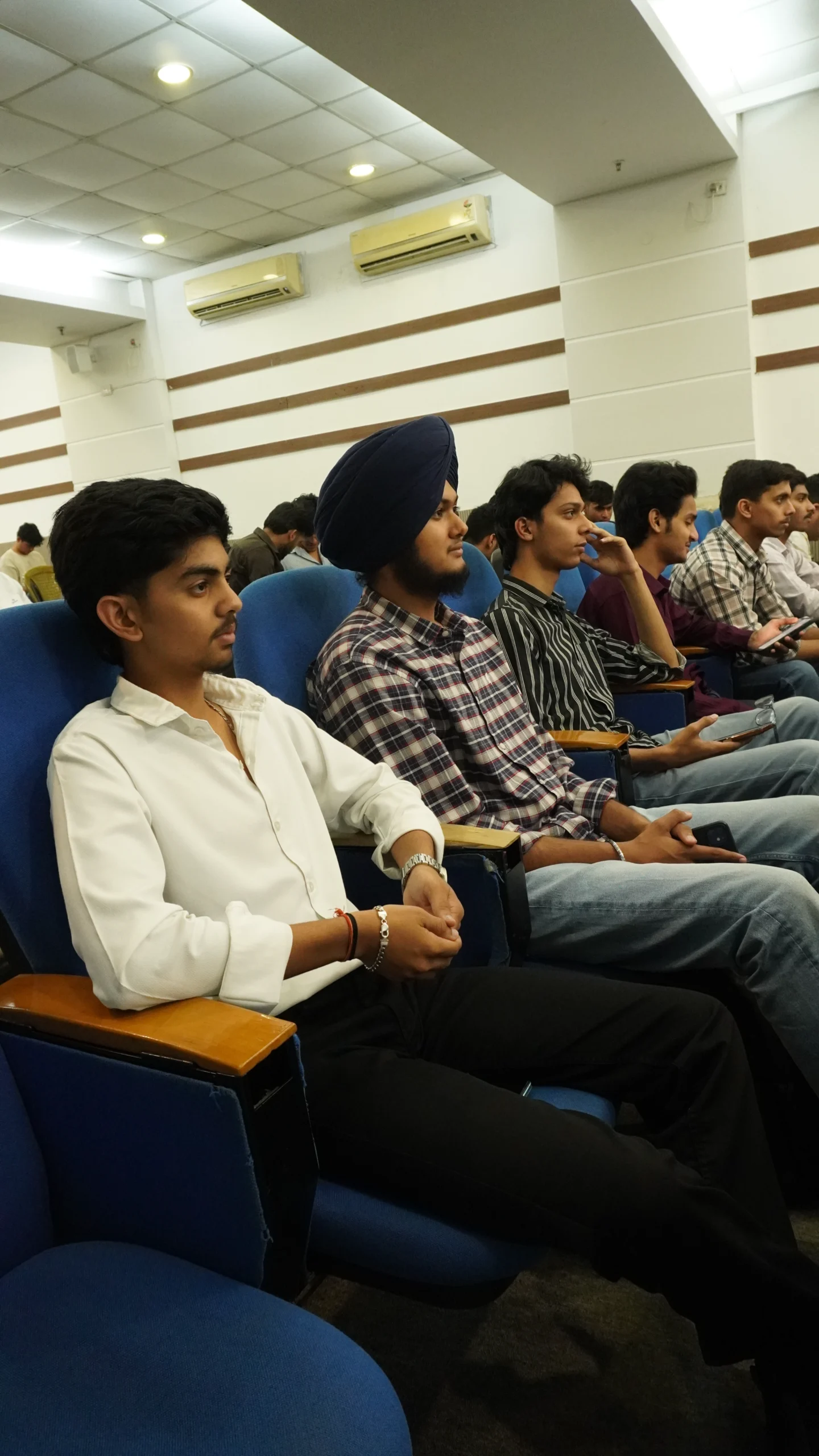
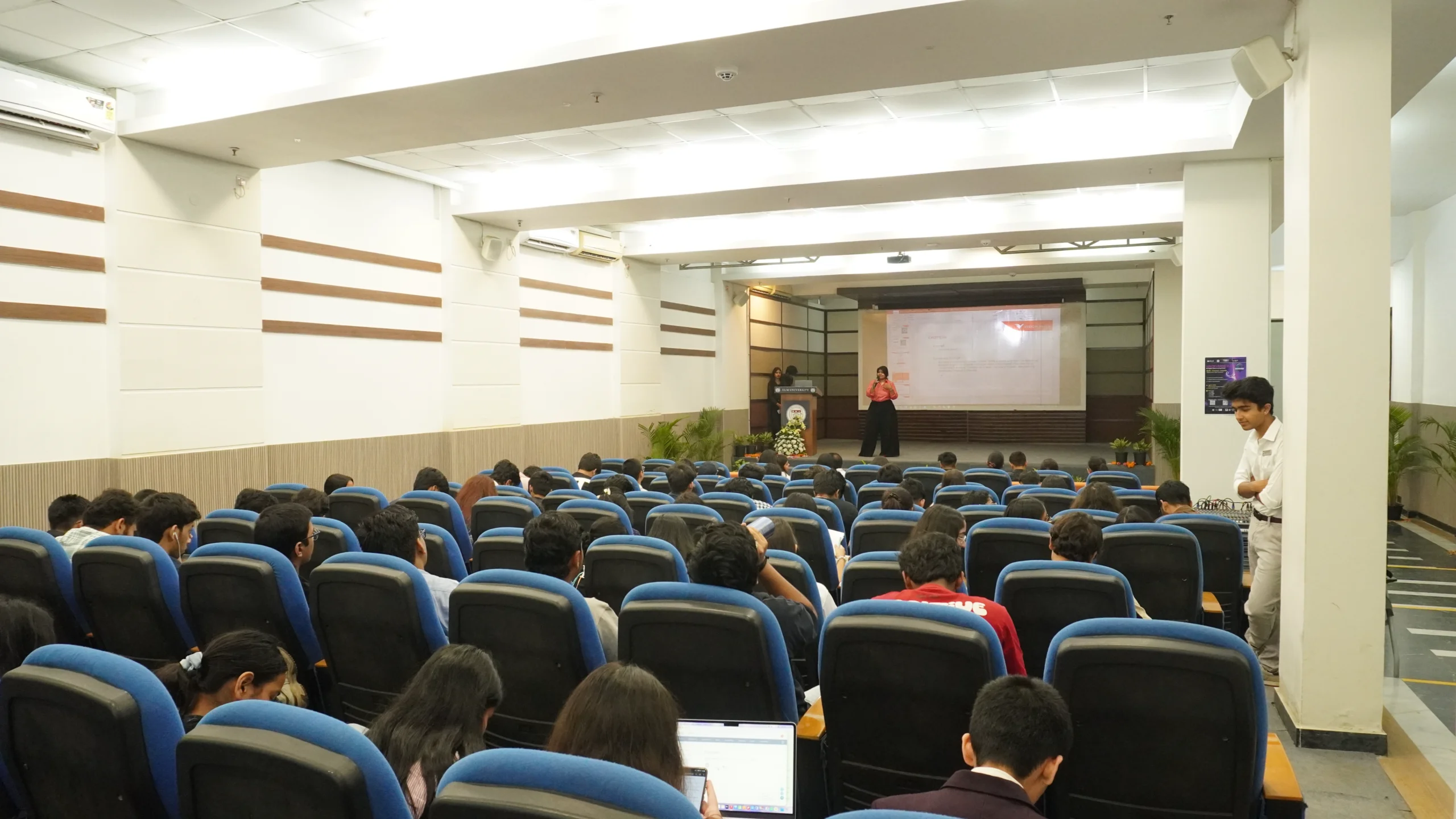
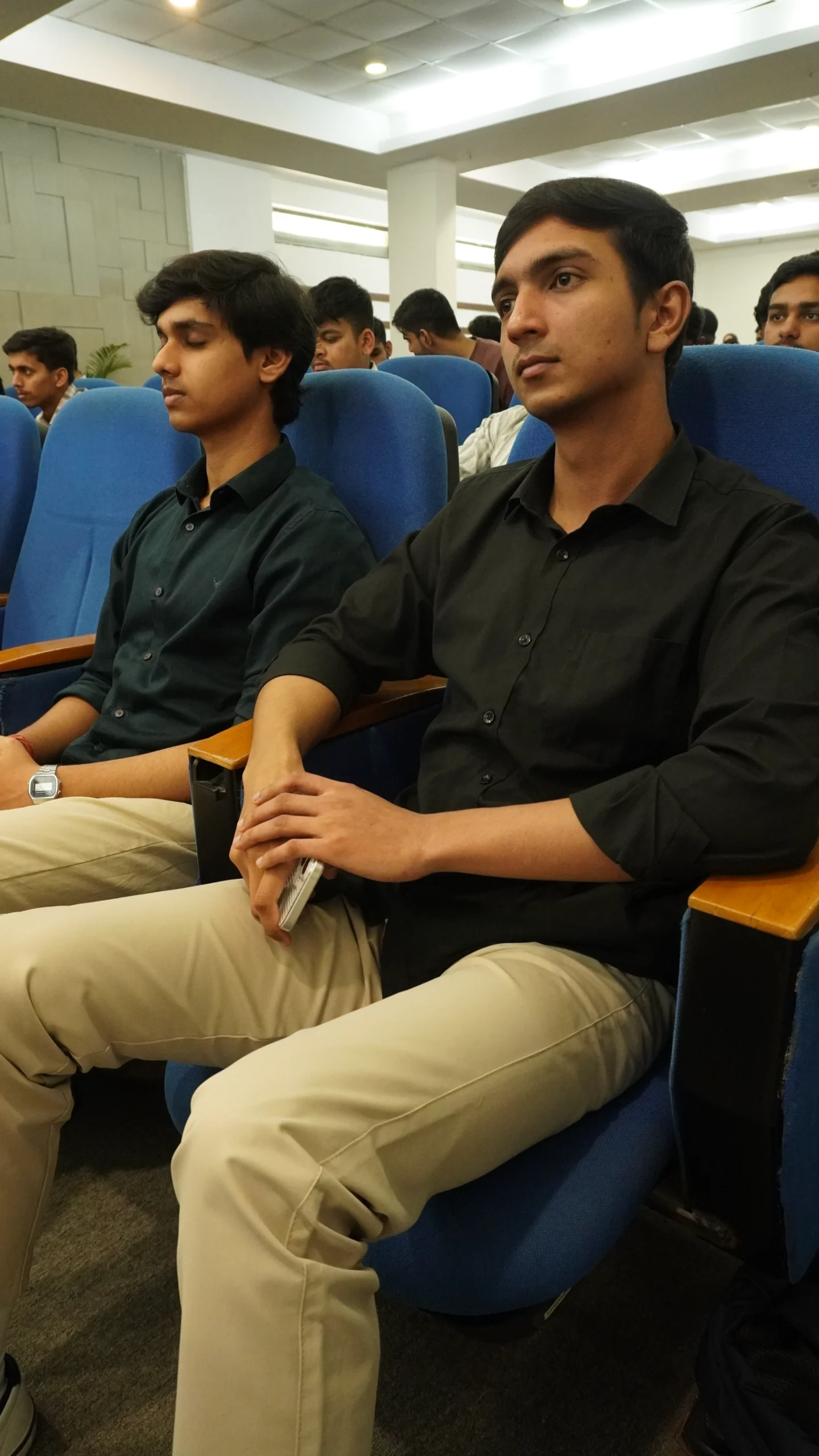
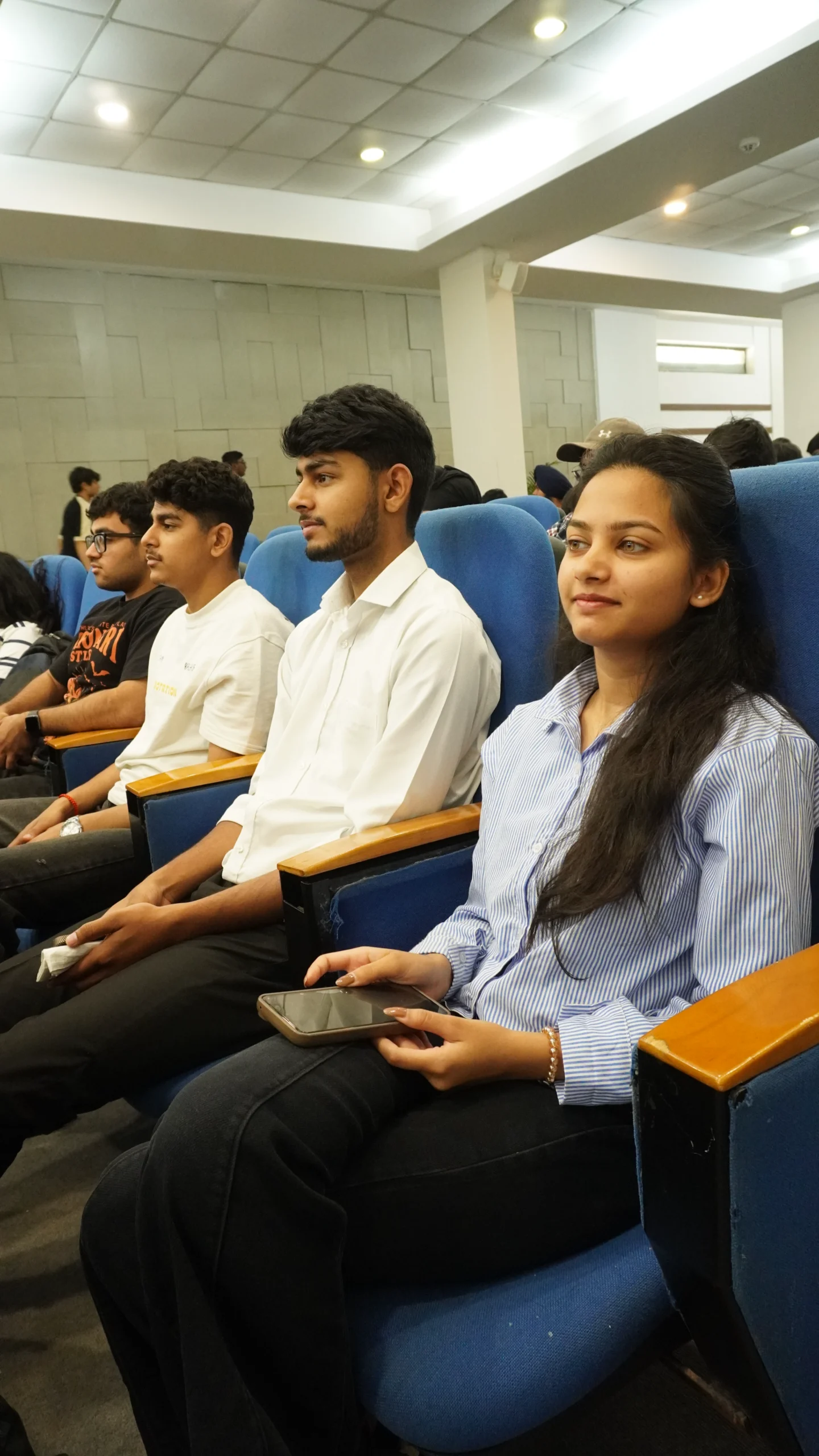
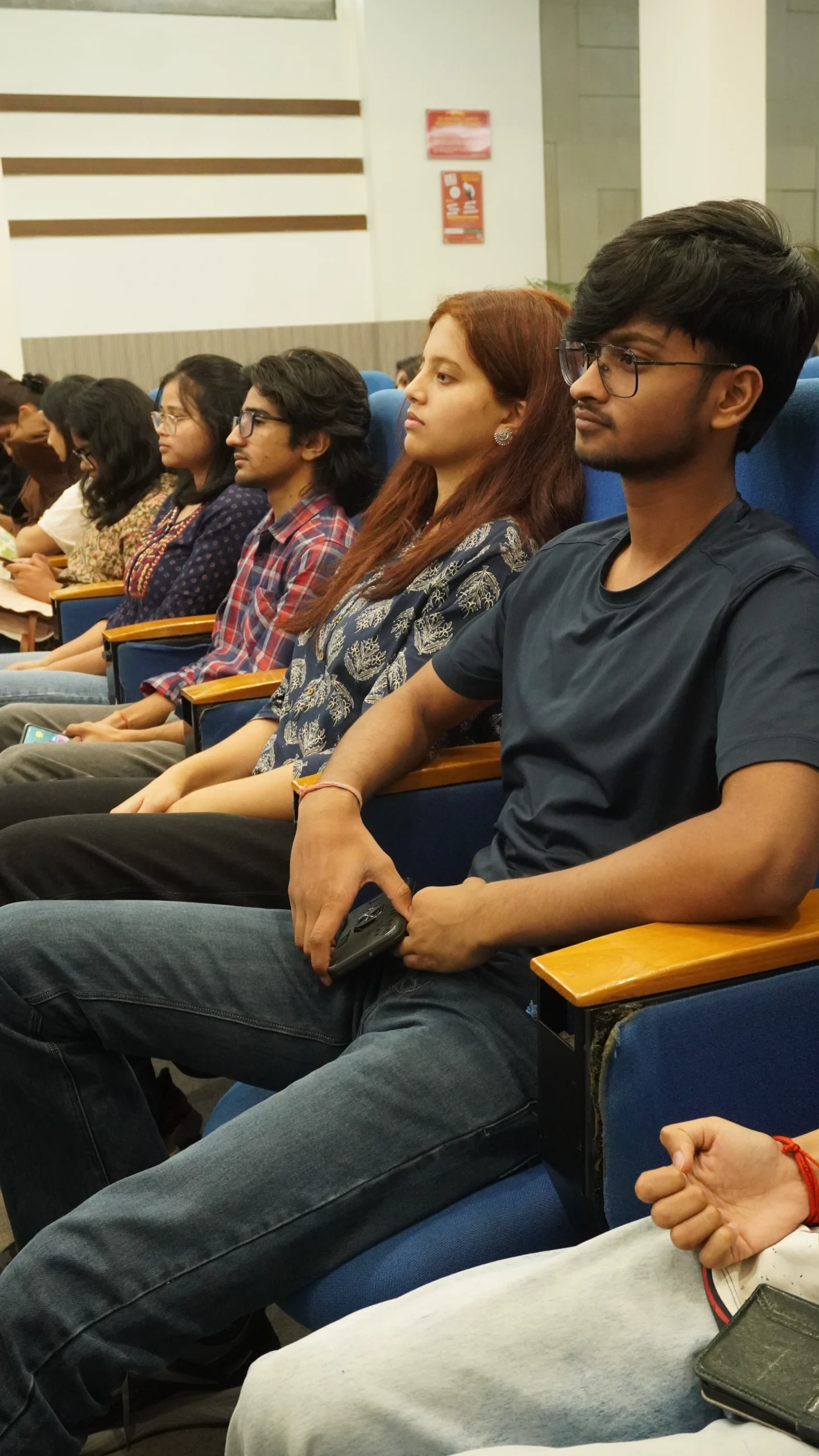
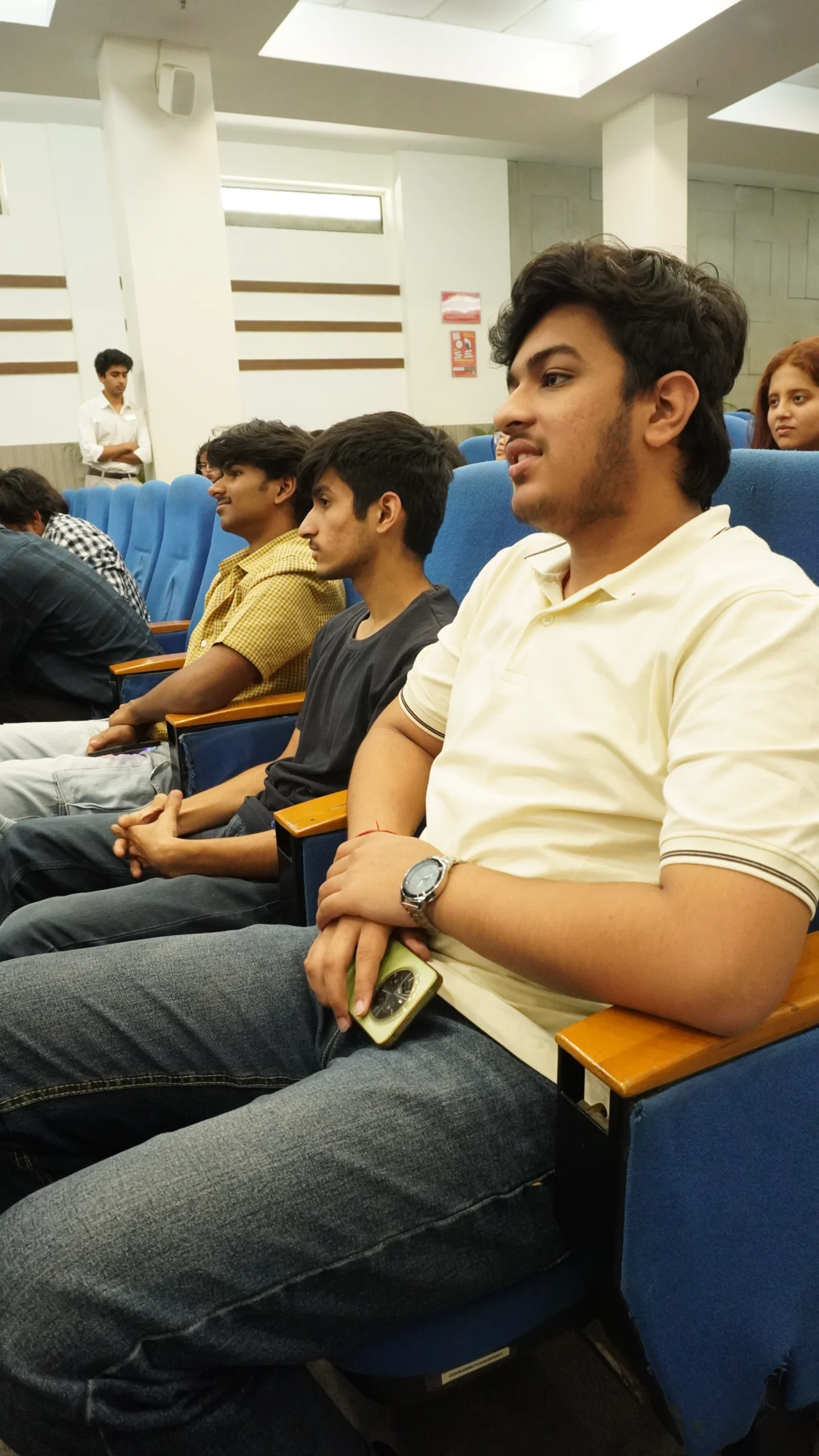
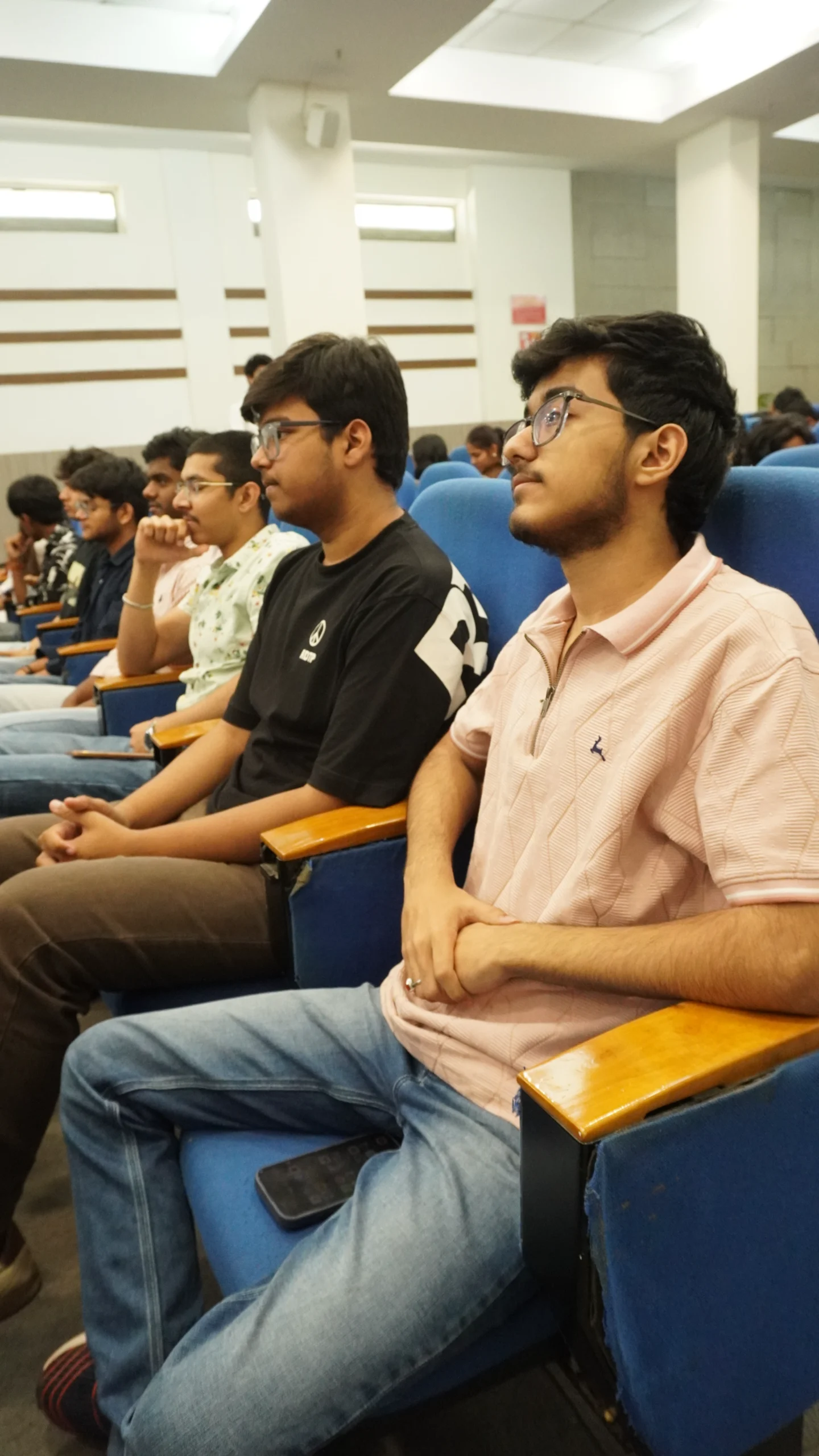
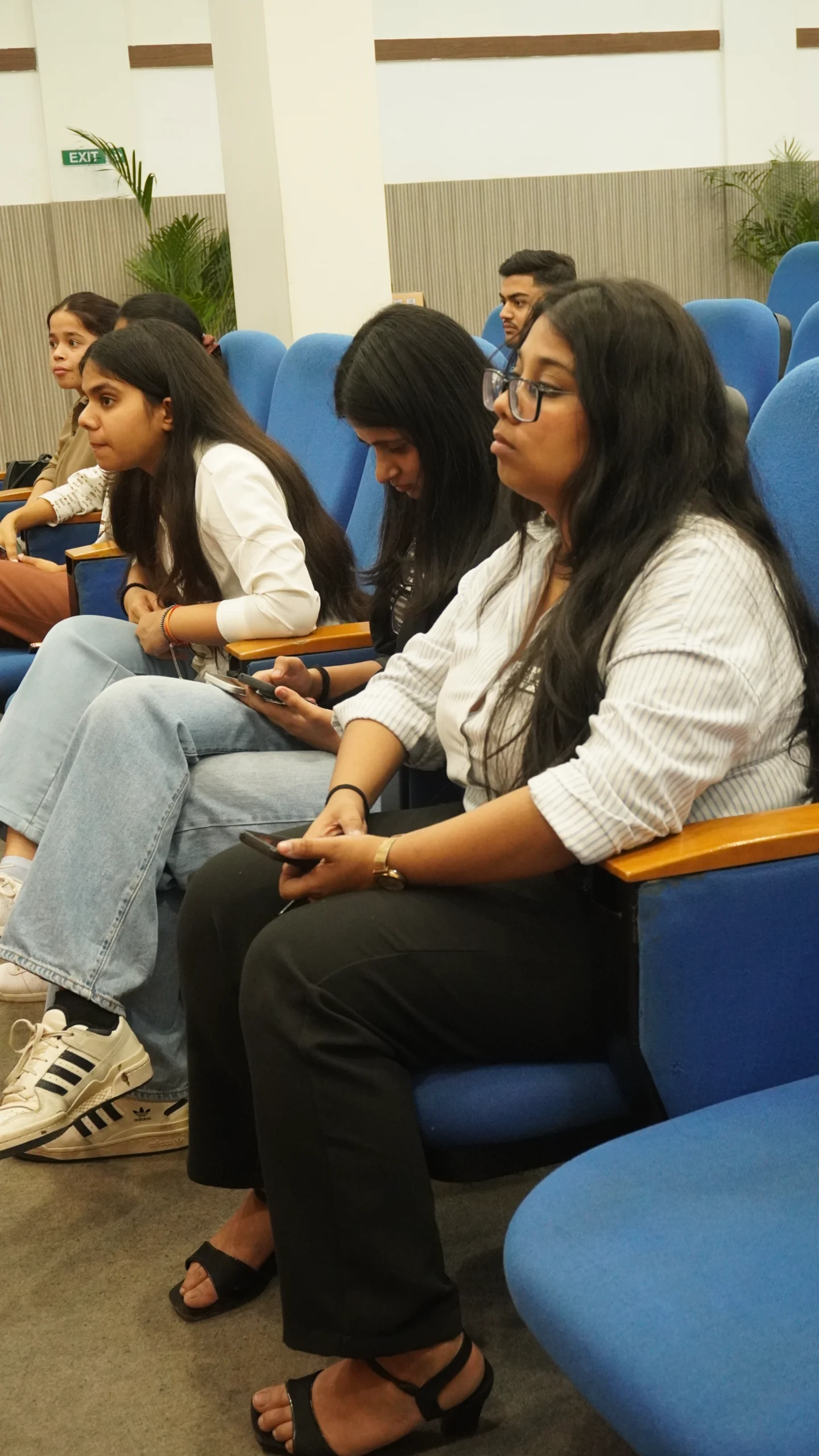
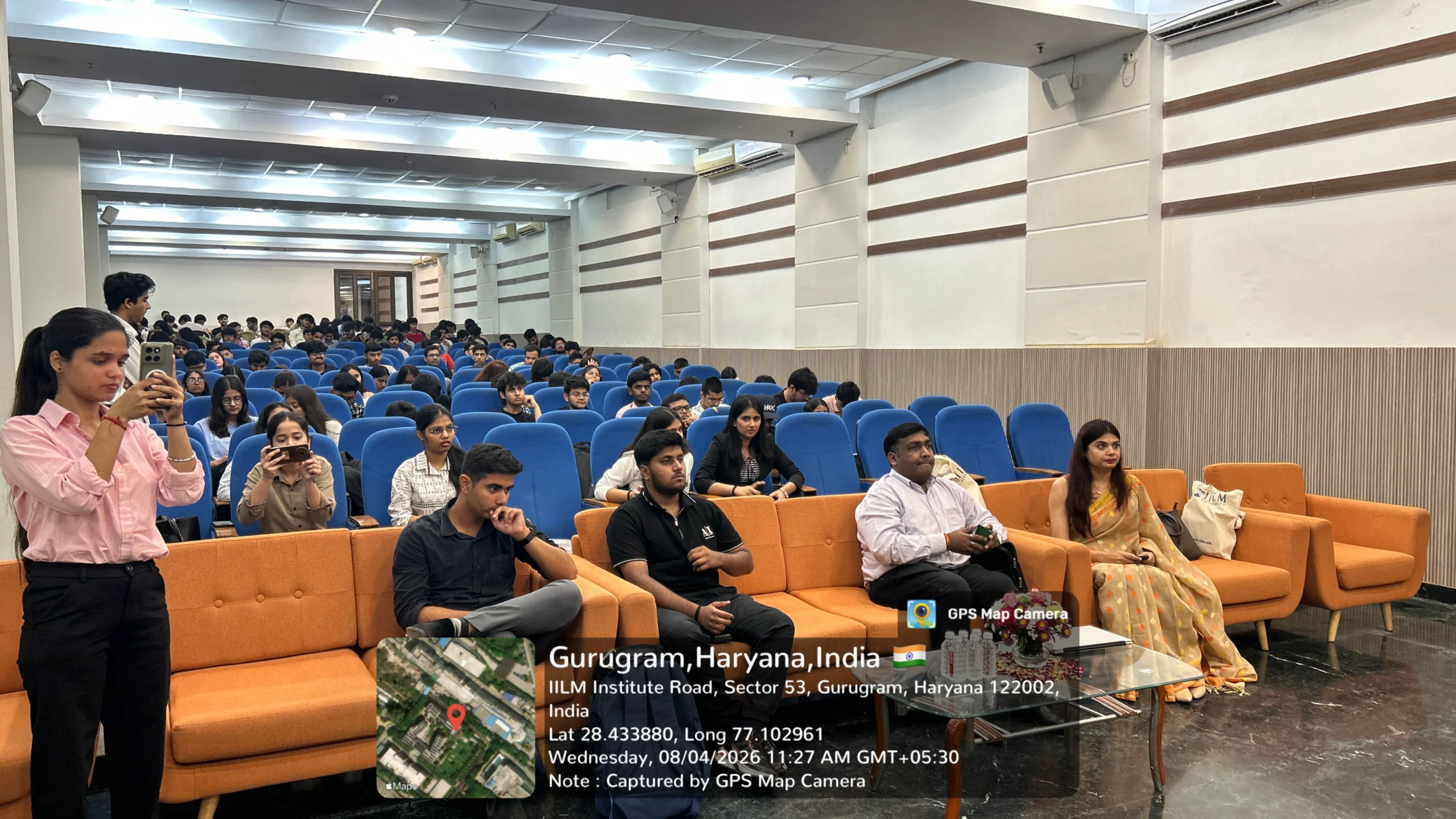
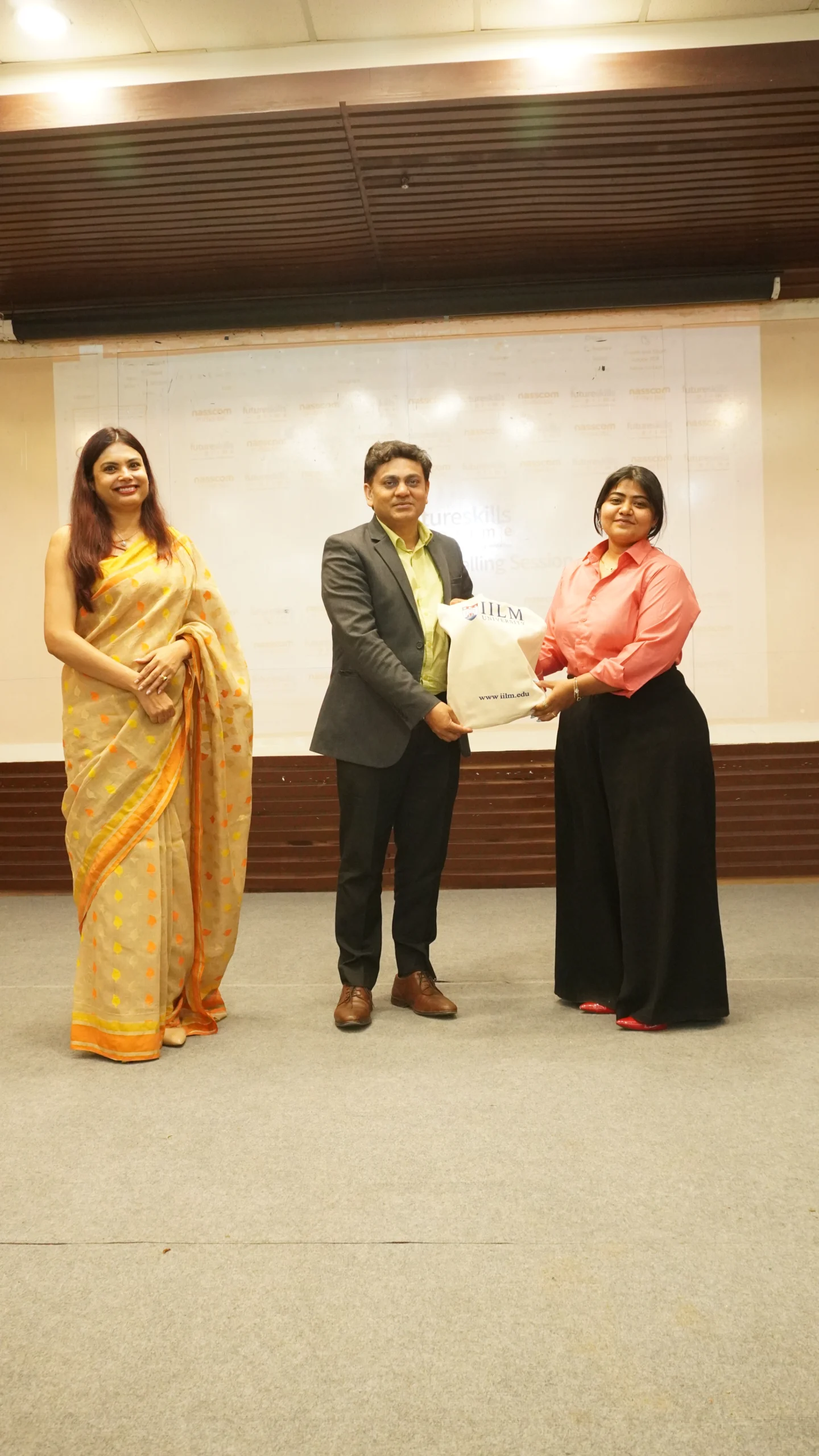
The School of Computer Science and Engineering at IILM University, Gurugram, hosted a session on Industry-Academia Skill Integration titled “AI for Every Youth” — an event that brought students into direct engagement with the Generative AI Literacy Programme developed by NASSCOM in collaboration with Vision India and SEMS Welfare Foundation, a national initiative designed to build foundational AI literacy among young people at scale across India.
The session explored how generative AI is reshaping skill requirements across industries — providing students with an informed understanding of the ways in which AI fluency is becoming an expected rather than optional professional competency, and positioning AI literacy as a cross-sectoral necessity rather than a specialism confined to technical or computer science programmes alone.
The collaboration between NASSCOM, Vision India, and SEMS Welfare Foundation in driving the Generative AI Literacy Programme reflects a recognition that AI education cannot remain confined to technical degree programmes but must reach every young professional regardless of field of study — a democratising vision of AI literacy that has significant implications for how universities design curricula, deliver skills training, and prepare graduates for an AI-integrated professional world.
The industry-academia skill integration theme of the session positioned the event as more than an awareness exercise — framing AI literacy as a structured, programmable skill that can and must be systematically built into the educational pathways of young professionals through deliberate partnership between academic institutions and the industry and non-governmental organisations driving AI adoption at a national level.
IILM’s hosting of this session reflects the institution’s active engagement with the national AI literacy agenda — positioning the university as a participant in and contributor to a broader ecosystem of AI education, workforce preparation, and youth empowerment that extends well beyond the boundaries of the campus and connects to the national imperative of developing AI-capable human capital at scale.
Students gained structured exposure to the Generative AI Literacy Programme developed by NASSCOM in collaboration with Vision India and SEMS Welfare Foundation — developing a foundational understanding of generative AI that situates their technical education within the broader national and industry-level effort to build AI-capable human capital across India’s professional workforce.
The session equipped students with an understanding of how generative AI is reshaping skill requirements across industries — providing the strategic awareness necessary to develop their own professional profiles in ways that reflect the growing expectation of AI fluency in virtually every sector of the economy, not just technology and computer science.
Engagement with a NASSCOM-led initiative gave students direct insight into the structured, industry-driven approach to AI literacy that is shaping workforce development at a national scale — developing their understanding of how industry bodies, government initiatives, and educational institutions collaborate to address systemic skill gaps in rapidly evolving technology landscapes.
The session challenged students to think about AI literacy not as a technical specialisation but as a broadly applicable professional competency — encouraging them to develop AI awareness and fluency as a cross-disciplinary tool applicable across the full range of career contexts, industries, and organisational roles they will encounter as professionals.
Exposure to an AI literacy initiative framed around the principle that AI education must reach every young professional regardless of field of study broadened students’ sense of professional responsibility regarding AI — encouraging them, as future technology professionals, to contribute to rather than merely benefit from the democratisation of AI knowledge across India’s diverse and rapidly developing workforce.