

Industrial biotechnology offers career prospects in chemicals, petroleum, energy, waste management, and pharmaceuticals. Career options include biochemical engineer, quality analyst, scientist, project manager, and R&D executive.
AI and ML are crucial in bioinformatics, where AI simulates complex biological processes and ML analyses large biological datasets. These skills are valuable in advancing medical research and personalised healthcare.
This interdisciplinary field applies biological techniques to improve health and treat diseases, encompassing molecular biology, genetic engineering, and cellular biology. Career opportunities include biomedical scientist, clinical researcher, quality control analyst, and R&D executive.
Food packaging ensures the protection of food products from environmental, chemical, and physical challenges. This specialisation explores the latest technologies and advancements in the packaging industry.
Food packaging ensures the protection of food products from environmental, chemical, and physical challenges. This specialisation explores the latest technologies and advancements in the packaging industry.
This area focuses on extending the shelf life of dairy products such as pasteurised milk, cheese, fermented foods, butter, milk powders, and protein products through physical, enzymatic, and microbial processes.
This specialisation covers unit operations involved in converting raw agricultural products into shelf-stable, nutritious, and safe foods. Students gain skills in food processing, process design, and statistical quality control.
This course bridges biotechnology and business, offering insights into commercialisation, funding, and market analysis. It is ideal for students with a passion for biotech innovation, equipping them to create successful ventures.
The program is four years long, divided into eight semesters, covering subjects like food chemistry, microbiology, food processing, quality control, and packaging technology.
Graduates can work in food processing, quality assurance, product development, packaging, and research. Job roles include Food Technologist, Quality Control Analyst, Food Safety Officer, Product Development Scientist, and Nutrition Consultant.
Yes, most universities have placement cells that assist students with internships, campus placements, industry training, and resume building. Top recruiters include Nestlé, Amul, Britannia, ITC, PepsiCo, and FSSAI.
Food Technology graduates are in demand in food processing, dairy, beverages, packaging, nutrition, and government regulatory bodies.

Gain expertise in cutting-edge technologies with programmes designed in collaboration with academic and industry leaders, ensuring graduates are job-ready.

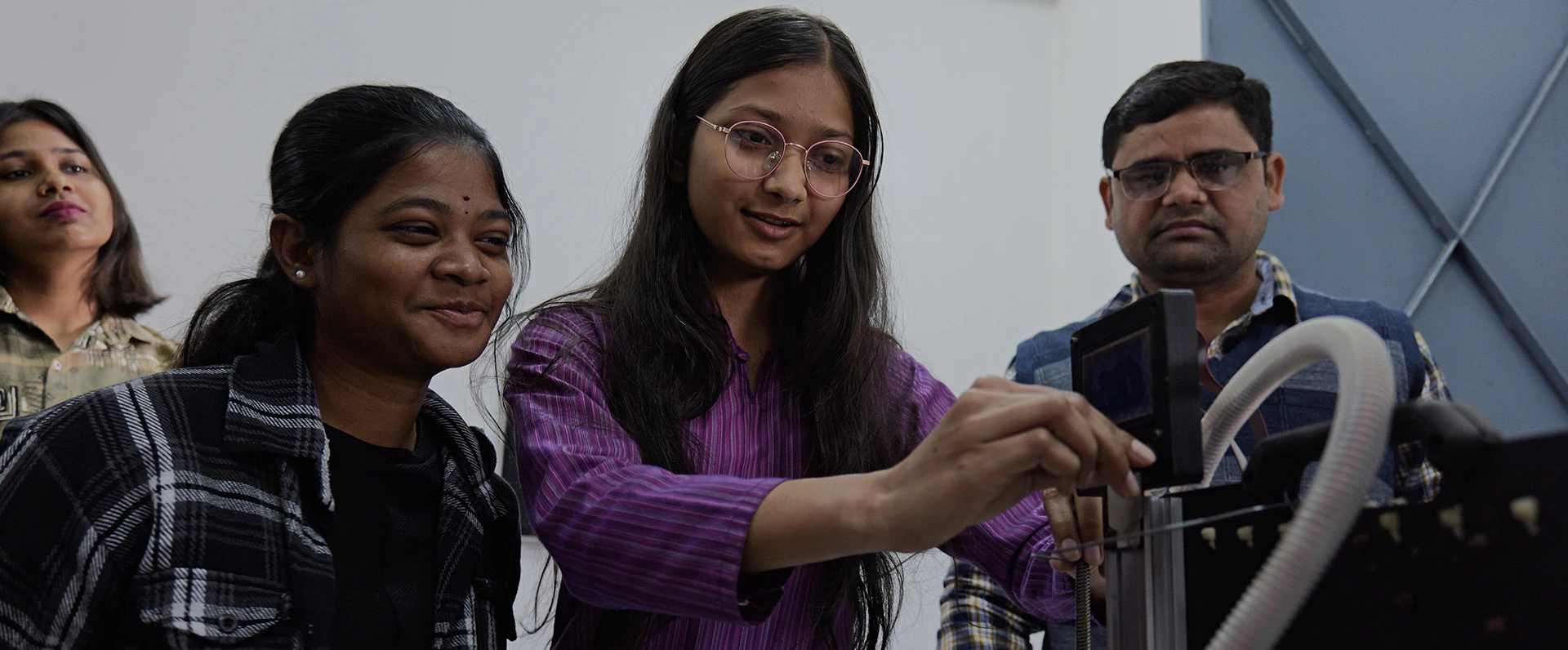
Access advanced labs and workshops equipped with high-end instruments for hands-on learning in AI, robotics, biotechnology, and more.

Collaborate with leading organisations like L&T EduTech, Biocon, and Infosys Springboard, providing internships, live projects, and career opportunities.

Engage in interdisciplinary research projects funded by DST, AICTE, and ICMR, developing innovative solutions to real-world problems.

Receive guidance from experienced faculty, industry experts, and alumni, with dedicated career counselling and placement support for a successful career.

Benefit from IILM’s excellent placement history with graduates placed in top companies like TATA Motors, Biocon, Honeywell, and Coca-Cola, earning competitive packages.

Equip students with a strong foundation in core engineering principles, fostering problem-solving skills for real-world challenges.
Inspire students to develop innovative solutions and entrepreneurial ventures within their chosen fields.
Provide hands-on experience through lab work, internships, and industry collaboration to enhance technical proficiency.
Enable students to excel in diverse industries such as biotechnology, electronics, robotics, and sustainable engineering, with a focus on future technologies.
Passed 10+2 examination from any recognised Education Board with Physics , Chemistry and any one from Biology/Biotechnology/Maths with minimum 50% marks OR IB Board with minimum score of 24 credits, 3 Higher level and 3 standard level subjects.
IILM University’s School of Engineering equips students with the skills and expertise to excel in a wide range of industries. Here are some key career opportunities based on the offered programmes:
Core Engineering Roles
Technology and Innovation
Biotechnology and Food Technology
Research and Development (R&D)
Industry and Manufacturing
Government and Public Sector
Consulting and Management
Academia and Research
Entrepreneurship and Start-ups
Passed Diploma examination with at least 50% marks in any branch of Engineering and Technology OR Passed B.Sc. Degree in Biology/Microbiology/Botany/Zoology/Chemistry/Physics/Maths/Physiology/Biotechnology/Biochemistry/Agriculture from a recognized University with at least 50% marks and passed 10+2 examination with Mathematics as a subject OR Passed B.Voc/3-year D.Voc. Stream in the same or allied sector.
My MBA at IILM equipped me with essential business and corporate skills that helped me excel professionally. Case studies, group discussions, and grooming sessions with brilliant peers shaped me into a lifelong learner. Transitioning from a non-finance background to a finance enthusiast was possible due to IILM’s well-designed curriculum. Grateful to call IILM my Alma Mater!”

As a proud gold medallist of my batch, I had the privilege of dedicating over a decade to Deloitte Consulting. My time at IILM was truly transformative, shaping both my career and personal growth. Returning to campus for the alumni meet was a nostalgic and heartwarming experience.”
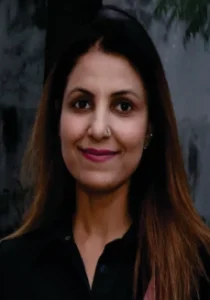
My MBA at IILM equipped me with essential business and corporate skills that helped me excel professionally. Case studies, group discussions, and grooming sessions with brilliant peers shaped me into a lifelong learner. Transitioning from a non-finance background to a finance enthusiast was possible due to IILM’s well-designed curriculum. Grateful to call IILM my Alma Mater!”