

Critical Thinking and Analysis: Apply logical reasoning and critical thinking skills to analyze forensic evidence and solve real-world criminal and investigative problems.
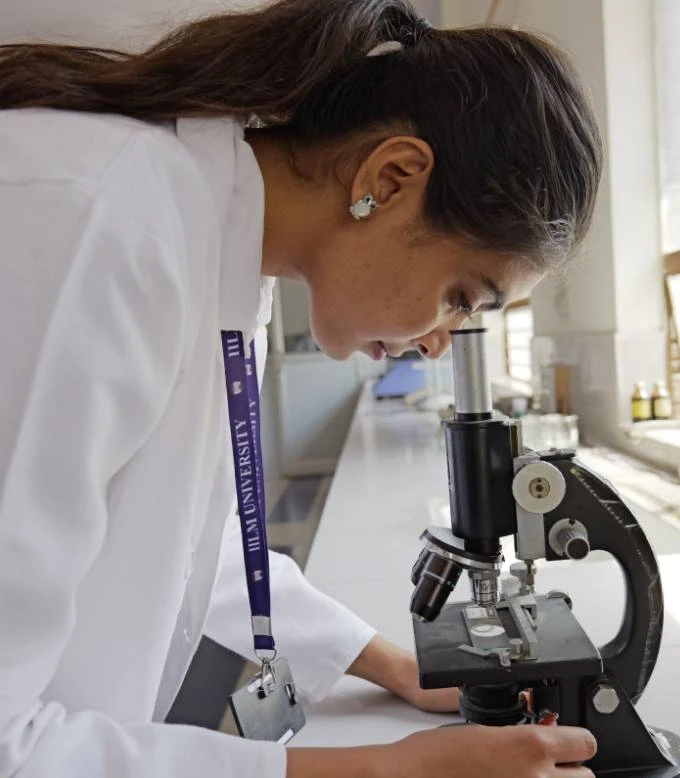
Scientific Knowledge Application: Demonstrate comprehensive knowledge of forensic science principles, including biology, chemistry, toxicology, and criminalistics, in practical situations.
Research and Investigation: Conduct systematic research using scientific methods, data collection, and analytical techniques to derive valid and reliable conclusions.
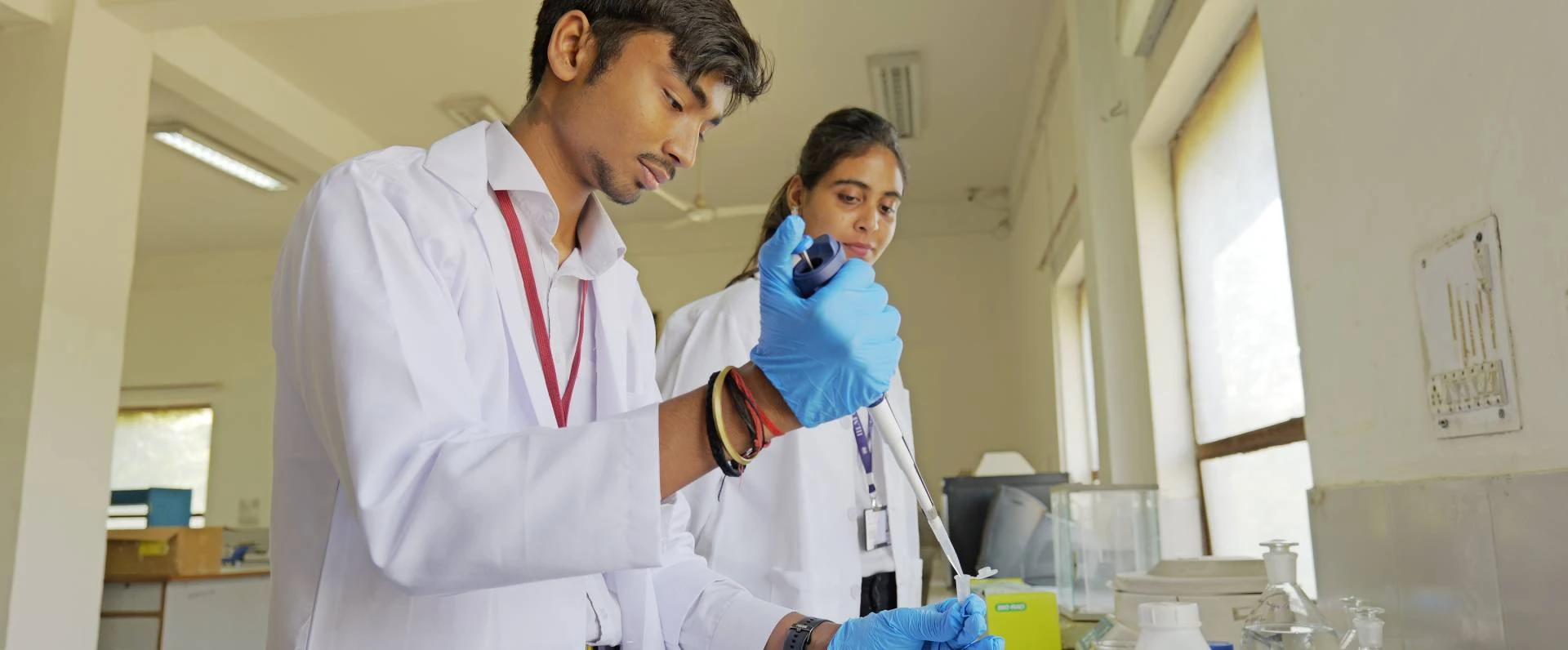
Modern Tool Proficiency: Select and effectively use modern forensic tools, laboratory instruments, and digital technologies while understanding their scope and limitations.
Crime Scene Management: Demonstrate the ability to properly handle, collect, preserve, and document evidence at crime scenes following standard forensic protocols.
Legal and Judicial Understanding: Understand the legal framework, court procedures, and the role of forensic science in the criminal justice system.
Effective Communication: Communicate forensic findings clearly and accurately through reports, presentations, and expert testimony to both technical and non-technical audiences.
Ethical Practice: Apply ethical principles, maintain integrity, and ensure confidentiality in all forensic investigations and professional activities.
Environmental and Social Responsibility: Understand the environmental and societal impact of forensic practices and promote sustainable and responsible scientific solutions.
Individual and Team Collaboration: Work efficiently both independently and as part of multidisciplinary teams in forensic investigations and research environments.
Lifelong Learning and Adaptability: Engage in continuous learning to keep pace with advancements in forensic science, technology, and evolving investigative techniques.
My MBA at IILM equipped me with essential business and corporate skills that helped me excel professionally. Case studies, group discussions, and grooming sessions with brilliant peers shaped me into a lifelong learner. Transitioning from a non-finance background to a finance enthusiast was possible due to IILM’s well-designed curriculum. Grateful to call IILM my Alma Mater!”

As a proud gold medallist of my batch, I had the privilege of dedicating over a decade to Deloitte Consulting. My time at IILM was truly transformative, shaping both my career and personal growth. Returning to campus for the alumni meet was a nostalgic and heartwarming experience.”
My MBA at IILM equipped me with essential business and corporate skills that helped me excel professionally. Case studies, group discussions, and grooming sessions with brilliant peers shaped me into a lifelong learner. Transitioning from a non-finance background to a finance enthusiast was possible due to IILM’s well-designed curriculum. Grateful to call IILM my Alma Mater!”