


Assistant Professor
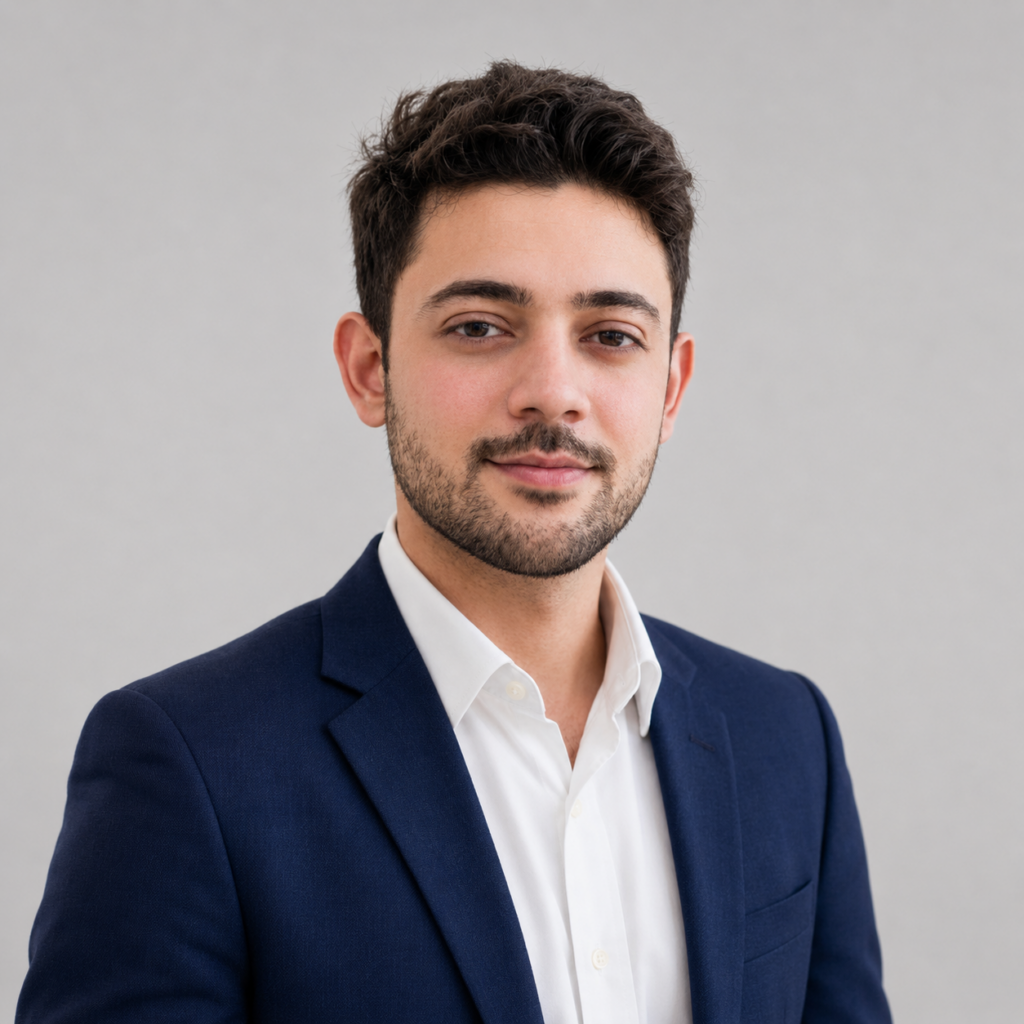
Dr Suraj Kataria is an Assistant Professor at the Department of Forensic Science, School of Sciences,
IILM University, Greater Noida. Before joining the University, he served as an Assistant Professor of Forensic Biology and Biotechnology at the prestigious National Forensic Sciences University, Delhi Campus, Ministry of Home Affairs, Government of India. He holds a PhD in Forensic Genetics and Anthropology from the Department of Anthropology at the University of Delhi. His doctoral research focused on using Single Nucleotide Polymorphisms (SNPs) to predict human appearance traits such as pigmentation traits (eye, skin, and hair colour), scalp and facial hair traits, and facial features among North Indians (South Asians), thereby advancing the applications of Forensic DNA Phenotyping (FDP) in India for criminal investigations, identifying unknown individuals, and reconstructing appearances from DNA recovered at crime scenes. Dr Kataria is a double Gold Medallist, having achieved the highest marks in both B.Sc. and M.Sc. programs. His academic excellence has been recognised with several accolades, including the Best Poster Award at the International Forensic Forum 2023 and the prestigious Lalji Singh Travel Award at the ADNAT International Scientific Conference 2023. He has also received multiple meritorious student and leadership awards throughout his academic career. He has qualified for the UGC-NET in Forensic Science and for FACT-Plus 2024, conducted by NFSU-NICFS.Beyond his core expertise,
Dr Kataria has a unique research interest in examining the interplay between genetics, epigenetics, and environmental factors that shape ersonality disorders, substance use disorders, and criminal behaviour. Dr Kataria has extensive work experience in prestigious research projects funded by the Department of Science and Technology (DST-CSRI and DST-INSPIRE) and the Indian Council of Medical Research (ICMR). He has received rigorous training in various fields of forensic science from leading Forensic Science Laboratories. Additionally, he has collaborated with police departments (Office of the Director, Fingerprint Bureau, Crime Branch, Delhi Police), gaining practical insights into forensic casework and applying forensic techniques in law enforcement.
In addition to his academic and research achievements, Dr Kataria has authored multiple high-impact
research papers and participated in various national and international conferences. He is also a life
member of the Indian National Confederation and the Academy of Anthropologists (INCAA).
His research and specialisation areas are: Human Population Variations; Forensic DNA Phenotyping;
Forensic Anthropology; Behaviour Genetics; Forensic Epigenetics; Omics in Forensics; Forensic
Odontology; Questioned Document Examination